 Wei Zhang
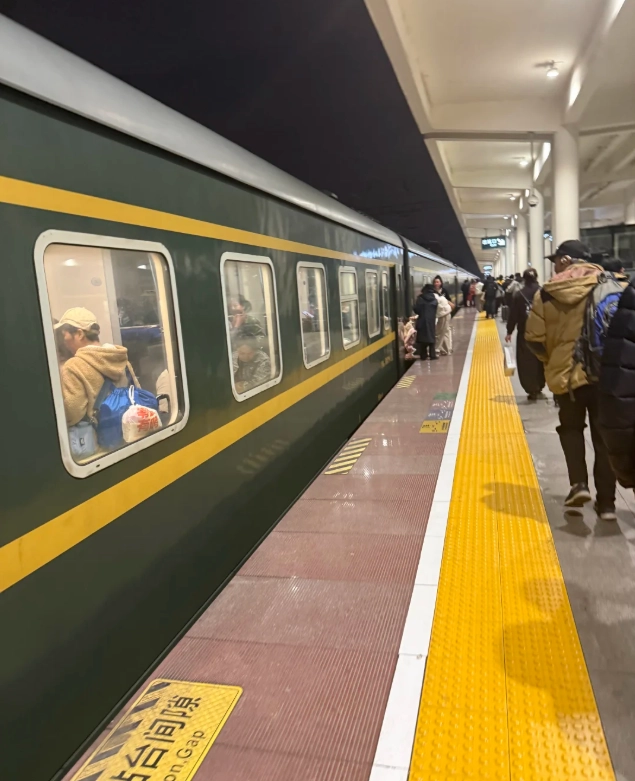
It's brutal out there. I've seen tourists arrive at Chongqing North Station, exhausted, holding a printout of a bus schedule that takes 6 hours. Don't be that person. The train from Chongqing to Leshan is faster—1.5 hours vs 5+ hours on the road—and cheaper than you think. Here's the catch: if you don't book ahead, you'll be stuck scrambling for a seat next to the toilet. I've guided dozens of groups on this route, and I know exactly where the pitfalls hide.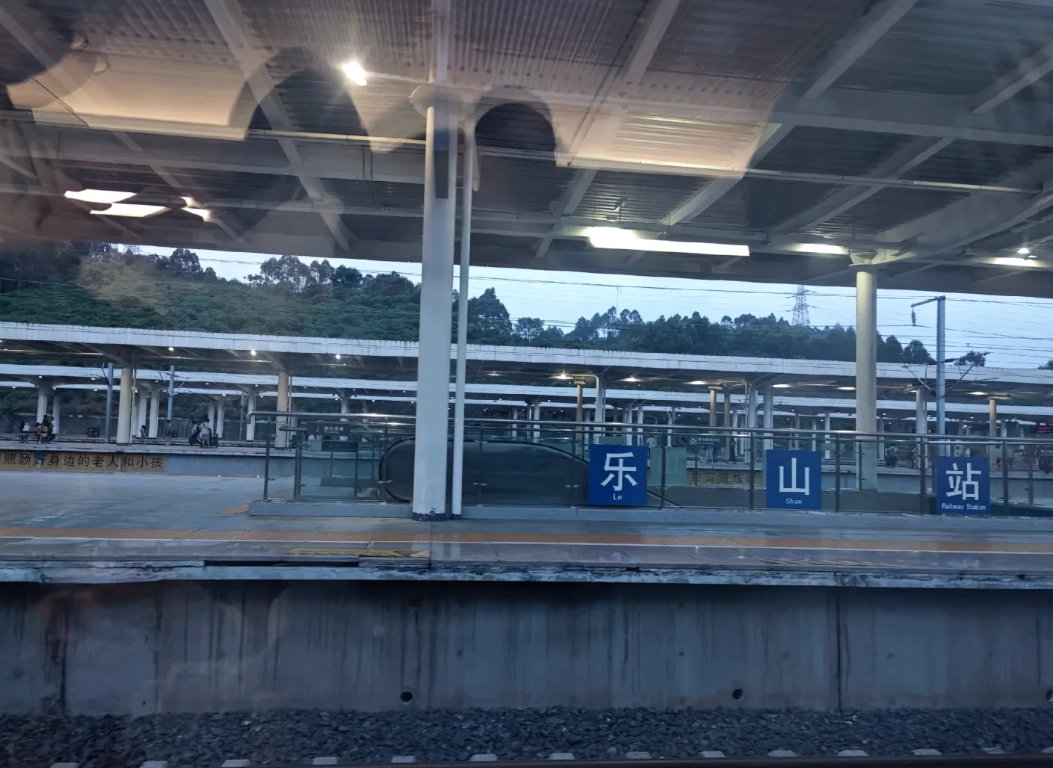
Why Take the Train from Chongqing to Leshan?
Let me be blunt. The bus from Chongqing to Leshan costs about the same (around 110 RMB) but takes 5–6 hours, often stuck in traffic near Zigong. The high-speed train slices that to 90–110 minutes. Plus, the seats recline, there's a bathroom, and you can buy snacks from the trolley. I always tell my clients: “Spend the extra 20 RMB for a G-train, your back will thank you.”
But here's something most online guides miss: the train station in Leshan is far from the Giant Buddha. You'll need a 30–40 minute bus or taxi ride. Plan accordingly if you have a tight schedule.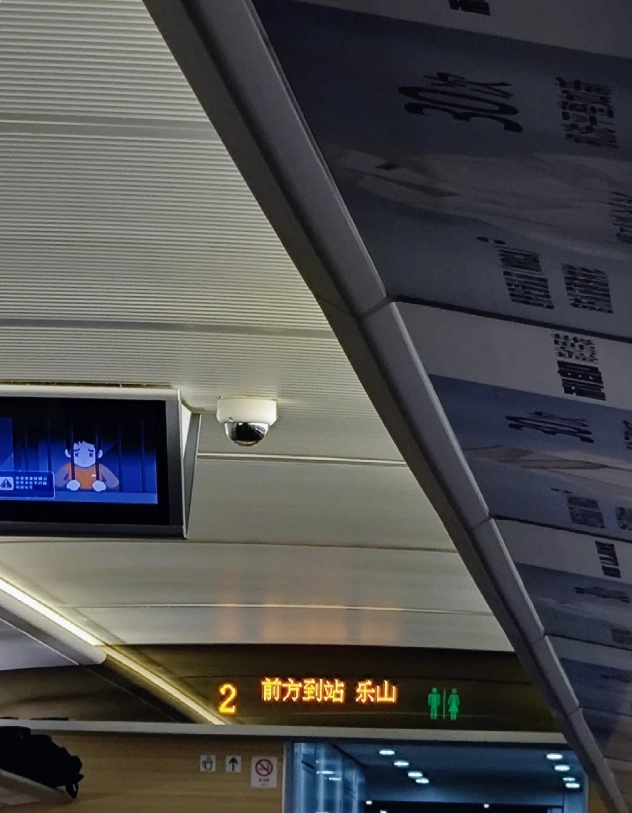
Train Types: G-Trains vs D-Trains
Two main options run on the Chongqing–Leshan line. Check the differences before you book.
| Type | Speed | Duration | Typical Price (2nd Class) | Comfort |
|---|---|---|---|---|
| G-train (High-speed Rail) | ~300 km/h | 1h 25m – 1h 40m | 146–154 RMB | Good legroom, quiet, power outlets |
| D-train (Bullet Train) | ~200 km/h | 2h – 2h 15m | 117–124 RMB | Okay, slightly older carriages, fewer outlets |
My pick: If your budget allows, go for the G-train. The time saved is worth the extra ~30 RMB. Plus, the toilets on G-trains are cleaner—trust me, I've seen horrors on D-trains.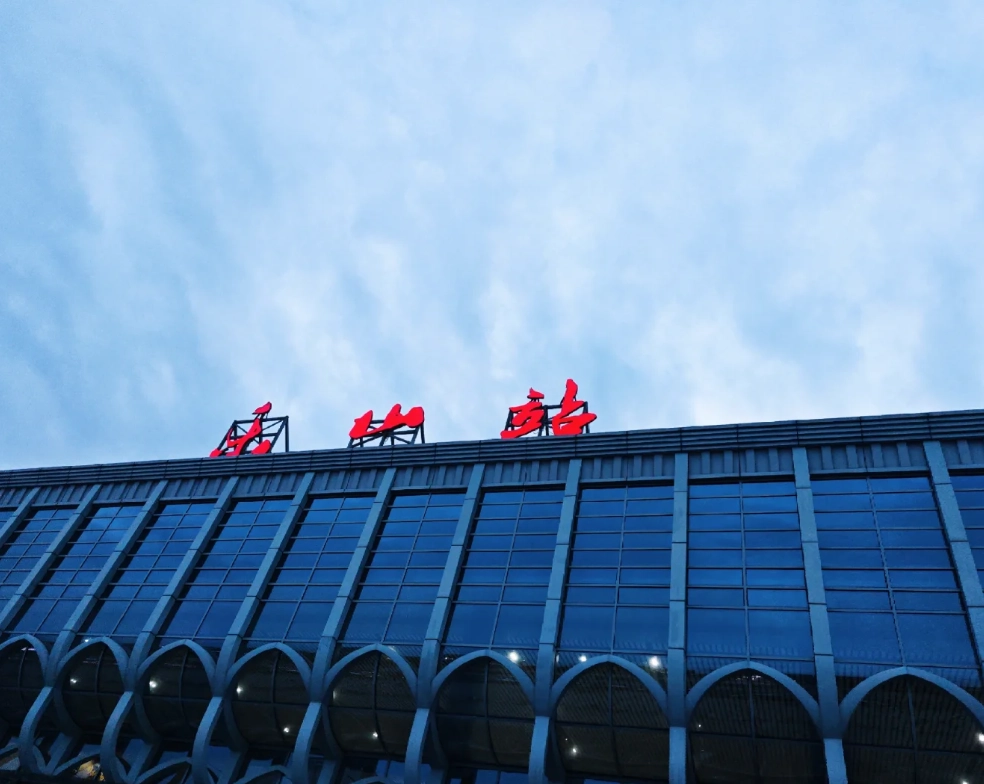
Booking Your Chongqing to Leshan Train Ticket
Here's where most foreigners mess up. You can't walk up to the ticket counter and expect to speak English. The counter staff often speak zero English. Use one of these methods:
- 12306.cn (official site, Chinese only – use browser translate or ask hotel staff to help)
- Trip.com (English interface, adds a small fee about 15–20 RMB per ticket)
- WeChat mini-program (in Chinese, but straightforward with the translate option)
Step-by-Step: Chongqing to Leshan Train Station Guide
You have three departure stations in Chongqing. Let's sort them out.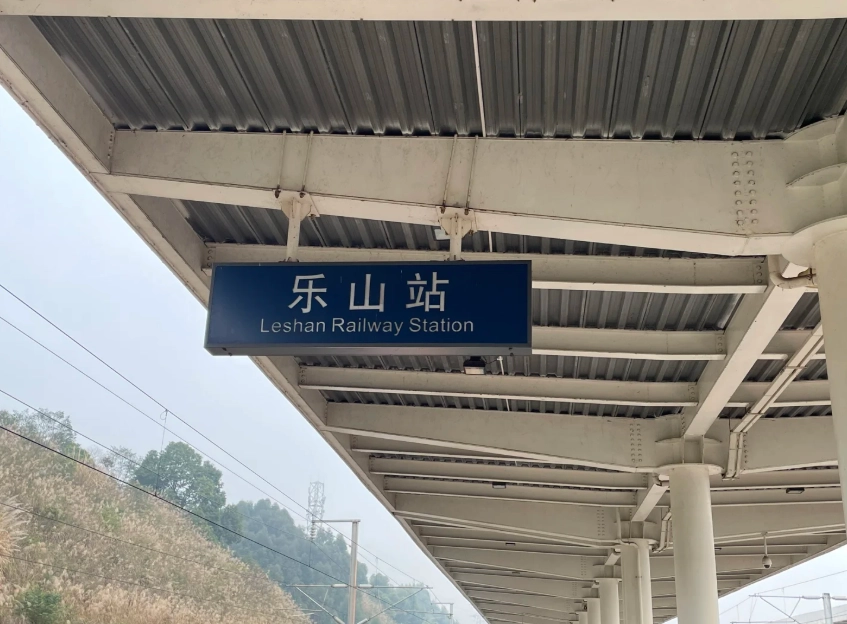
| Station | Nearest Subway Line | Trains to Leshan | Notes |
|---|---|---|---|
| Chongqing North Station (Guanyinqiao) | Line 3 & 10 | Most frequent | Largest station, plenty of food stalls |
| Chongqing West Station | Line 5 (then walk) | Some morning trains | Far from city center, allow extra 30 min travel |
| Chongqing Shapingba Station | Line 1 & 9 | Few afternoon trains | Small, less crowded, but limited departures |
My recommendation: Use Chongqing North Station. It has the most departures to Leshan (13 trains per day as of my last check). Arrive 30 minutes early to clear security—lines can be long but move fast. The waiting area has a KFC and a noodle shop if you're hungry.
At Leshan Station: Getting to the Giant Buddha
When you get off at Leshan Station (leshan zhan), you'll exit to a big square. Ignore the touts offering private cars—they charge 50–80 RMB for a ride that should cost 25 RMB by Didi. Instead:
- Bus 3 (runs from the station to the Giant Buddha scenic area, 1 RMB, 40 min). It stops at 'Leshan Dafo' stop. Walk 5 minutes to the entrance.
- Didi / Taxi (about 25–35 RMB, 20 min in light traffic). Show driver: “乐山大佛游客中心” (Leshan Giant Buddha Visitor Center).
- Shared e-bike? Not recommended unless you are a confident rider—traffic in Leshan is chaotic.
Cost Breakdown: Train + Local Transport + Entrance
| Item | Price (RMB) |
|---|---|
| G-train 2nd class (one way) | 146–154 |
| D-train 2nd class (one way) | 117–124 |
| Bus 3 from Leshan Station to Buddha | 1 |
| Taxi/Didi (station to Buddha) | 25–35 |
| Leshan Giant Buddha entrance (adult) | 80 |
| Student discount (with valid ID) | 40 |
Total round trip (assuming G-train, taxi each way): about 154 (train) + 35 (taxi) + 80 (entrance) + 35 (taxi back) + 154 (return train) = 458 RMB per person. Add food and you're looking at 550–600 RMB. Not bad for a day trip from Chongqing.
But here's the sneaky cost: if you don't pre-book your return train, you may have to take a D-train back (cheaper but slower) or worse, a bus. Reserve both directions online at the same time to lock in the cheaper G-train.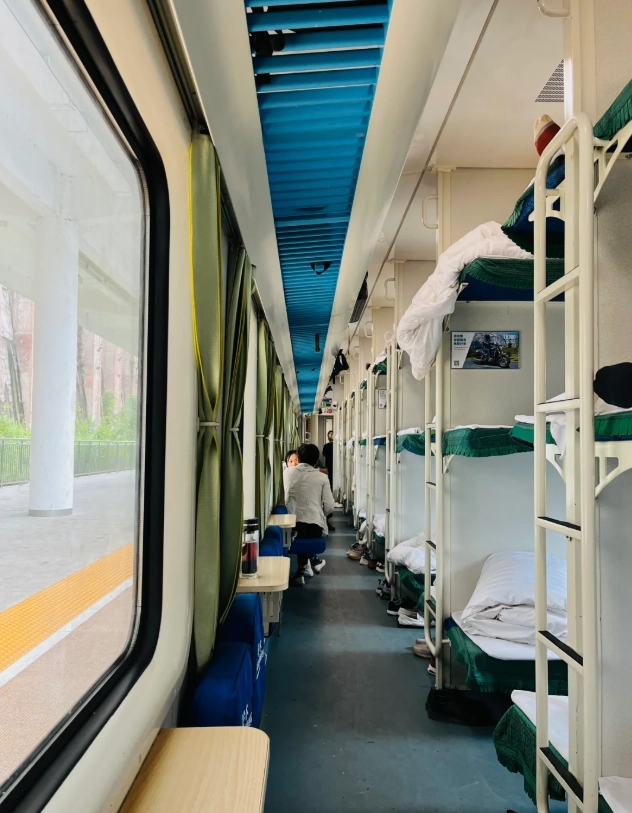
Practical Tips for a Smooth Journey
- Time your visit to the Buddha. The Giant Buddha is best seen in the morning (8:00–10:00) before the crowds and heat. Most trains from Chongqing arrive between 10:30 and 11:30—you'll be hitting peak crowd. I always suggest taking the earliest possible train (around 7:30 AM) to get there by 9 AM.
- Buy your entrance ticket online. The official WeChat mini-program lets you book a time slot. On busy days, walk-up tickets may be sold out for certain hours. I've turned away families who couldn't get in and had to wait 3 hours.
- Pack water and sun protection. There's little shade on the cliff path to the Buddha's feet. You'll be sweating even in spring. Sunscreen and a hat are non-negotiable.
- Credit cards? Forget it. Almost all vendors at the station and near the Buddha accept WeChat Pay or Alipay only. International credit cards are rarely accepted in small shops. Carry at least 200 RMB cash for backup.
- Phone charging. Most G-trains have outlets (type A and C) under the seat. If you have a D-train, bring a power bank—outlets are scarce.
Personal gripe: The queue to descend the stairway carved into the Buddha's left side can take 1–2 hours during holidays. Many tourists don't realize that there's a shortcut: take the path to the right of the main temple (Guanyin Hall) that leads down to the riverbank. It's less crowded and still gives you a great view. Shh, don't tell everyone.
Frequently Asked Questions
Verified and fact-checked by the editorial team.






No comments yet.