 Wei Zhang
What You'll Learn in This Guide
I've been guiding foreign tourists across China for over a decade, and the high-speed rail network is always a hot topic. Let me cut through the confusion right now: the official 12306 website works with foreign passports, but it's a pain to use without Chinese payment. Here's the workaround: use Trip.com (the English version) for booking – it accepts international credit cards and adds a small fee. Now, let's dive into the details.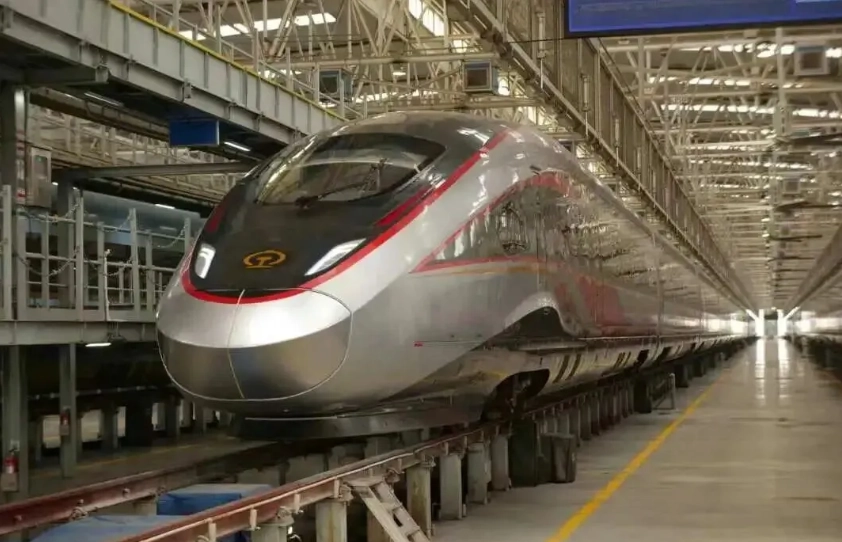
How to Book Tickets on the China High Speed Rail Network
Booking a ticket is the first hurdle. Here's what works and what doesn't.
Using the Official 12306 Website
The official platform (12306.cn) supports passport registration, but the English interface is clunky. You'll need to create an account with your passport number. Once logged in, you can search for trains. Warning: most international credit cards are rejected. You'll need a Chinese bank card or Alipay/WeChat linked to a Chinese bank account. For most tourists, this is a dead end.
Using Trip.com (English-Friendly)
Trip.com (formerly Ctrip) is the best alternative. It has a dedicated high-speed rail booking section. They accept Visa, Mastercard, and Amex, and the interface is in English. The catch? They charge a small service fee (around $2 per ticket). In my experience, it's worth every penny. You can also use Klook, which sometimes has promos.
When booking, you'll need to enter your passport details exactly as they appear on the document. The system will verify with Chinese authorities, so a typo means instant rejection. Save a screenshot of the confirmation page – you'll need it to board.
Ticket Types and Pricing
China high-speed rail offers three classes: Second Class, First Class, and Business Class. For example, Beijing to Shanghai (1,318 km) costs about $80 in Second Class, $130 in First, and $230 in Business. First Class gives you more legroom and a free snack pack. Business Class goes full luxury: lie-flat seats and meals.
Here's a quick pricing table from my latest trip:
| Route | Distance | Duration | Second Class | First Class |
|---|---|---|---|---|
| Beijing - Shanghai | 1,318 km | 4h 30min | $80 | $130 |
| Shanghai - Hangzhou | 202 km | 1h | $15 | $25 |
| Guangzhou - Shenzhen | 147 km | 36 min | $12 | $20 |
Navigating Major High Speed Rail Stations
China's mega stations can be intimidating. Let me walk you through the busiest ones.
Beijing South Station
Beijing South serves trains to Shanghai, Tianjin, and the south. Don't use Google Maps here – it's outdated. Use Apple Maps or the (Didi) app. The station has two main entrances: East and West. The East entrance is closer to subway Line 4 (Beijing South Station stop). If you're dropping someone off by taxi, use the West entrance – it's less crowded. Inside, look for the screens with train numbers and platform numbers. All signs are bilingual (Chinese and English).
Pro tip: The waiting area on the second floor has a water station with hot and cold water. Bring your own cup to save on expensive bottled water.
Shanghai Hongqiao Station
Shanghai Hongqiao is a massive hub connecting high-speed trains, metro lines, and the airport. The station is huge – give yourself at least 30 minutes to walk from the metro exit to the train platform. If you're transferring from the airport (SHA), follow the "Railway" signs inside the terminal. The station has free Wi-Fi (connect via WeChat or SMS verification). For navigation, use the Shanghai Metro app or Apple Maps.
Pain point: The food court on the basement level is chaotic and overpriced. I always tell my clients to grab food outside the station before entering.
Guangzhou South Station
Guangzhou South is south China's largest station, serving routes to Shenzhen, Hong Kong, and beyond. The station has several waiting rooms (A13-A28, B13-B28). Check your ticket for the waiting room number. The station is connected to Metro Line 2 and Line 7. Be aware: the station runs 200+ trains per day, so arrive 40 minutes early to find your gate.
Wuhan Station and Chengdu East
Wuhan Station is a key interchange for central China. It's modern but confusing – the taxi drop-off area is on the second floor, not the ground floor. Chengdu East is newer with excellent signage. Both stations have luggage storage (10-20 RMB per item, cash only).
Essential Tips for a Smooth Journey
What to Bring: Passport, E-Ticket, and More
You absolutely need your physical passport (not a photocopy) to board. The gate agent will scan your passport and compare it to your ticket. Also, save your e-ticket PDF on your phone – some stations ask to see it before allowing entry. Carry a backup of your ticket confirmation in Trip.com or Klook app.
Other essentials: a power bank (outlets are scarce on trains), a reusable water bottle, and snacks. The dining car on long-distance trains sells noodles and box meals, but they're mediocre.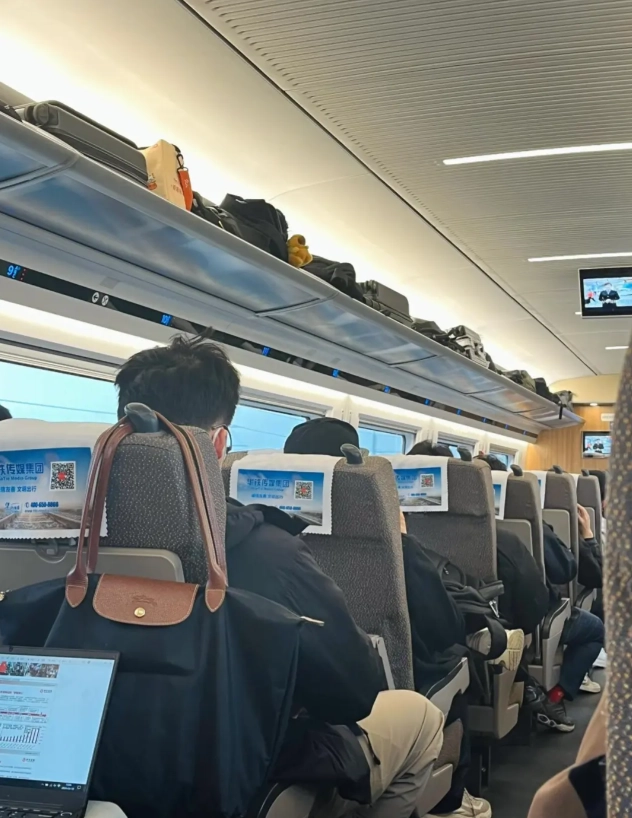
Avoiding Common Mistakes
- Don't buy tickets from unauthorized vendors outside stations – you'll get scammed with fake tickets. Only use official channels or Trip.com.
- Don't lose your ticket – you need it to exit the station. If you booked via Trip.com, show the agent the QR code on your phone.
- Don't ignore the 30-minute cutoff – ticket counters close 5 minutes before departure, but online sales stop 20 minutes before. Arrive at the station at least 30 minutes early.
- Don't expect to use credit cards everywhere – many station shops and luggage storage only accept cash or WeChat/Alipay. Carry 100-200 RMB in small bills.
Payment and Connectivity on the Go
Most ticketing machines and onboard vendors accept WeChat Pay and Alipay. If you haven't set them up, see my guide on linking international cards. For internet, install a VPN before you leave home – all major Western sites are blocked. Without VPN, use Apple Maps (works natively) or download offline maps like Maps.me for navigation.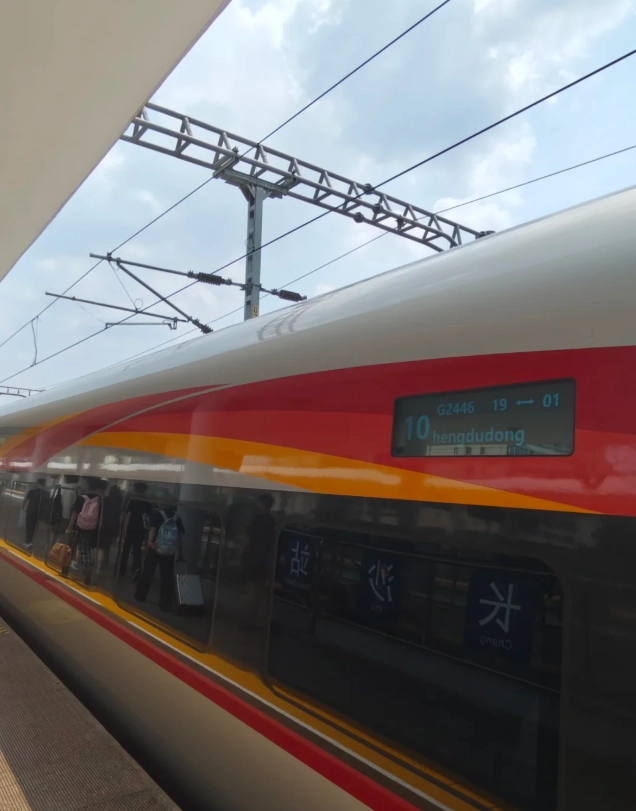
Top High Speed Rail Routes for Tourists
Beijing to Shanghai (4.5 Hours)
The classic route. Trains depart every 15 minutes. I recommend the G-series trains (G1, G2, etc.) which are the fastest and newest. The journey takes you across the North China Plain – keep your window open for great farmland views. Book the early morning train (around 7 AM) to arrive in Shanghai by noon.
Shanghai to Hangzhou (1 Hour)
A quick hop to see West Lake and the tea plantations. The high-speed rail line is one of the busiest in the world. Trains run every 10 minutes. Don't book the standing ticket unless you're desperate – you'll be squished in the aisle.
Chengdu to Xi'an (3 Hours)
Two cultural powerhouses connected by rail. The ride goes through the Qinling Mountains – stunning scenery. Book a window seat (A or F) for the best mountain views. In Xi'an, you'll see the Terracotta Warriors; in Chengdu, the pandas.
Beijing to Xi'an (4.5 Hours)
Another must-try. You'll pass through the Loess Plateau. The high-speed line reaches 350 km/h (217 mph). Second class is comfortable enough for the journey.
Frequently Asked Questions about China High Speed Rail Network
Verified and fact-checked by the editorial team. This content has been fact-checked to ensure informational precision.







First time on a Chinese bullet train—Wuhan to Changsha. I was nervous about missing my stop but the announcements were in Chinese and English, and the digital display showed the next station clearly. The ride was so quiet I could actually read my book. Even bought a snack box from the trolley—egg roll and tea, surprisingly good. Absolutely recommend, worth every yuan.
Honestly a bit let down. Took the high-speed from Hangzhou to Nanjing. The train itself was fine—clean, fast, punctual. But the station in Hangzhou was a zoo, no clear signage in English, and the ticket machine rejected my foreign card three times. Then I had to queue 20 minutes at the manual counter. For a system that's supposed to be world-class, the passenger experience starts before you board, and that part needs work. 3 out of 5 for me.
Chengdu to Xi'an on the bullet train. Scenery was gorgeous, the seats were spacious, and the air conditioning was a lifesaver in July. No delays at all. I even managed to charge my phone and laptop at the same time—each seat has a plug. Best travel experience in China so far, hands down.
Used the high-speed rail from Guangzhou to Shenzhen for a day trip. Booking on 12306 was a bit of a pain even with the English app—took me three tries to get verified. But once on board, wow. Clean carriages, on-time departure and arrival, and the speed is just insane. I'd give it a solid 4, mostly because the booking process could be more foreigner-friendly.
I took the G train from Beijing to Shanghai and honestly, it was smoother than most flights I've been on. The seats were comfortable, the WiFi actually worked for most of the trip, and the food cart came by twice. My only tiny gripe was the lady next to me watching a drama without headphones—but that's not the railway's fault. Would 100% recommend over flying every time.
I've been on high-speed rails in Japan, France, and Spain, and China's network beats them all. The frequency of trains is insane—there's one every few minutes on major routes. I loved the plug sockets at every seat, the clean toilets, and the snack cart that came by twice. Even the ticket machines have an English option now. Saved me so much time compared to driving. Truly world-class.
This is hands down the best way to travel across China. I booked everything via Trip.com in about 3 minutes—no hassle at all. The trains are spotless, the AC is perfect, and the views of the countryside from the window are stunning. I even had a friendly attendant help me with my luggage. If you're a solo traveler like me, this is a game-changer. Five stars all the way!
Absolutely blown away! I took the G train from Beijing to Shanghai and it was flawless. The station is well-organized, boarding is a breeze, and the ride itself is so quiet and stable you can barely tell you're moving at 350 km/h. WiFi actually worked, seats are spacious, and I saved nearly 8 hours compared to flying when you factor in airport transfers. Can't recommend this enough!
Overall a solid experience. The trains are punctual and the speed is incredible. However, I found the navigation inside big hubs like Shanghai Hongqiao a bit overwhelming—there are too many levels and the English directions fade out after a certain point. Also, second-class seats are decent but could use a bit more legroom. Still, for the price and time saved, it's hard to complain too much.
Honestly, the high-speed trains themselves are great, but booking was a nightmare. I tried using the official app and kept getting error messages. Ended up having to queue at the station for almost an hour. Also, the English signs at some smaller stations are really confusing—almost missed my connection. Once on board, though, it's smooth and fast. Just wish the booking process was less painful.