 Hui Lin
What's Inside
- Why Being Vegetarian in China is Actually Easy (and Hard)
- The Biggest Challenge: Finding True Vegetarian Food
- Must-Have Apps and Tools
- How to Order Food Without Meat
- Navigating Street Food as a Vegetarian
- Top 5 Vegetarian-Friendly Chinese Dishes
- Regional Differences: North vs South
- Common Mistakes Foreign Vegetarians Make
- FAQ: Vegetarian Survival Guide China
I remember my first week guiding a vegetarian group through Beijing. One guy nearly lived on plain rice and cucumbers for three days because he couldn't figure out menus. That's why I wrote this guide. This vegetarian survival guide china won't just list restaurants – it'll teach you how to communicate, what to look for, and where the hidden traps are. Here's the bottom line: with the right apps and a few key phrases, you can eat amazing vegetarian food anywhere in China. The key is to avoid 'meat-flavored' veggie dishes and find real Buddhist or temple cuisine.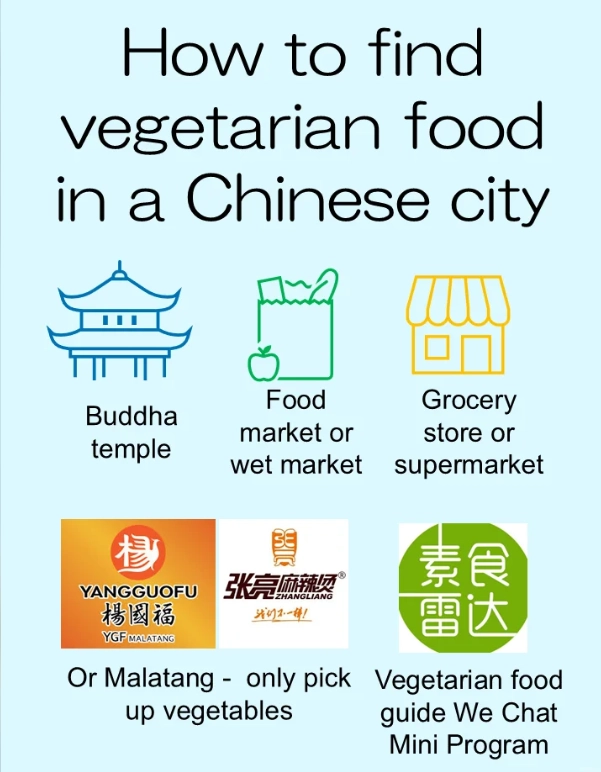
Why Being Vegetarian in China is Actually Easy (and Hard)
China has a long Buddhist tradition of vegetarianism – many temples serve incredible meat-free meals. But the hard part? Chinese home cooking often uses lard or chicken stock even in veggies. Restaurants think “vegetarian” means “no big meat chunks” – so they'll toss in a bit of pork. You have to be very clear. I've seen travelers order “no meat” only to get their fried rice with tiny ham bits.
The Biggest Challenge: Finding True Vegetarian Food
The word “素” (sù) means vegetarian, but many places interpret it loosely. For example, a “vegetable dish” might be cooked in meat broth. Your best bet is to eat at dedicated vegetarian restaurants (素食餐厅 – sù shí cān tīng) or Buddhist monastery canteens. These places typically don't use any animal products. I always recommend Pure Lotus chain (locations in Beijing, Shanghai, and Shenzhen) – they have English menus and accept cards. But even there, double-check for eggs if you're vegan.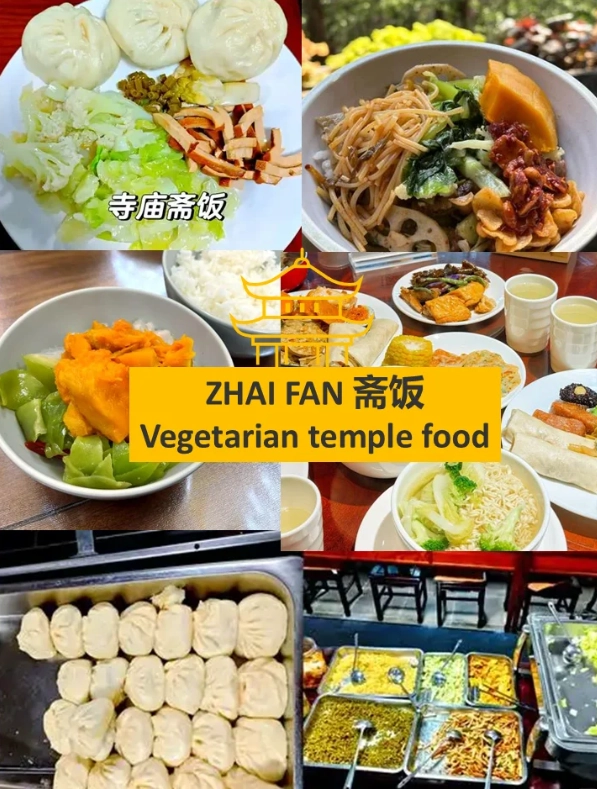
Must-Have Apps and Tools
Google Maps is useless in China. Download Apple Maps (works okay) or Baidu Maps in English. For transportation, DiDi (like Uber) is essential – set it to English in settings, and it can show your destination in Chinese to the driver. For payment, Alipay and WeChat Pay are king; most restaurants won't take foreign credit cards. Make sure to link your international card and carry some cash as backup – though you'll rarely use it. For translation, Apple Translate or Baidu Translate works offline. And yes, you need a reliable VPN before arriving – otherwise you can't access Google, Instagram, or many sites.
How to Order Food Without Meat
Learn these three phrases (written in pinyin, show to the waiter):
- Wǒ chī sù (I am vegetarian)
- Bù yào ròu, bù yào yóu ròu (No meat, no meat oil)
- Yǒu méi yǒu chún sù cài? (Do you have purely vegetarian dishes?)
Even then, ask if the dish contains chicken powder or lard – many cooks add it automatically. I often point to a picture and repeat “no meat, no fish, no egg” if vegan. It feels repetitive but saves stomachaches.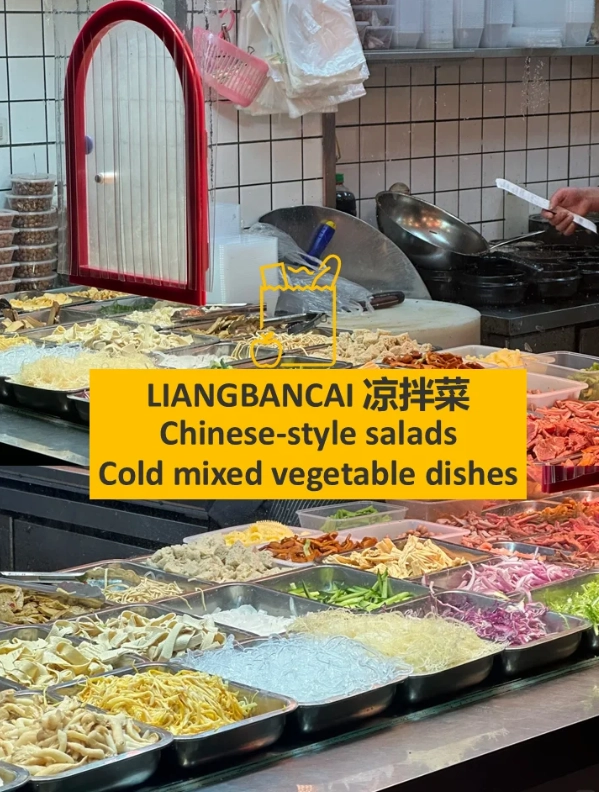
Navigating Street Food as a Vegetarian
Street food is tricky because stalls often fry everything in the same oil used for meat. Look for stalls selling vegetable spring rolls, steamed buns with greens (ask if they contain lard), or fresh fruit cuts. The safest is to buy packaged snacks from convenience stores – many have nuts, dried fruit, and instant noodles (check the ingredient list). In cities like Chengdu, you'll find stalls with cold mixed veggies – usually vegan if you skip the egg. But watch for chili oil which sometimes contains meat. When in doubt, go to a hot pot restaurant where you can pick vegetable ingredients and a clear broth.
Top 5 Vegetarian-Friendly Chinese Dishes
These are dishes that are traditionally meat-free, but always confirm.
- Mapo Tofu (without minced pork) – spicy and silky.
- Di San Xian – potatoes, eggplant, peppers in garlic sauce. Often vegan.
- Tomato and Egg Stir-fry – simple and homey. Omit egg if vegan.
- Stir-fried Gai Lan (Chinese broccoli) with garlic – ask for no oyster sauce (use soy sauce instead).
- Vegetable Baozi (steamed buns) – look for “素包子”
For a real treat, visit a Buddhist temple restaurant. I take my groups to Lingyin Temple in Hangzhou – their vegetarian feast is around 100 RMB and mimics meat textures using soy and mushrooms.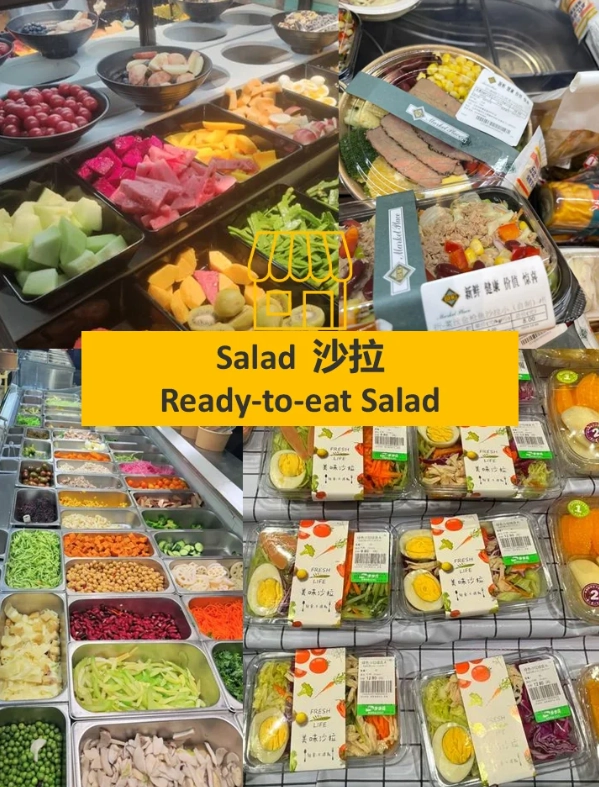
Regional Differences: North vs South
Northern cuisine relies heavily on wheat – noodles and dumplings. Many places offer “vegetable and egg” dumplings but they often contain lard in the dough. Ask for pure vegetable filling. Southern China has more rice, and vegetarian options include many tofu and vegetable dishes. Sichuan is tough for vegans – almost everything has chili bean paste (which may contain lard) or chicken broth. However, large cities like Chengdu have many modern vegetarian restaurants hitting trends.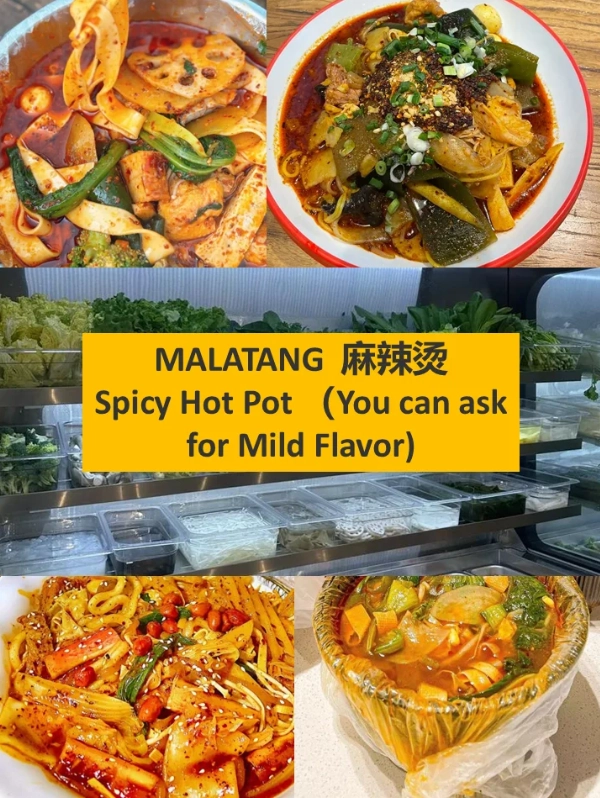
Common Mistakes Foreign Vegetarians Make
Here's the thing – don't assume “素” on a menu means safe. I once ordered “素菜炒饭” and got rice with ham. The restaurant used pork stock for flavor. Another mistake: not carrying portable snacks. There will be days when every restaurant you walk into says “no vegetarian” – especially in remote rural areas. Pack protein bars, nuts, and instant congee packs. Also, many travelers forget that some “vegetarian” dishes in China use onion, garlic, etc. – if you're Buddhist vegetarian, those are off-limits. Most non-Buddhist vegetarians are fine with them.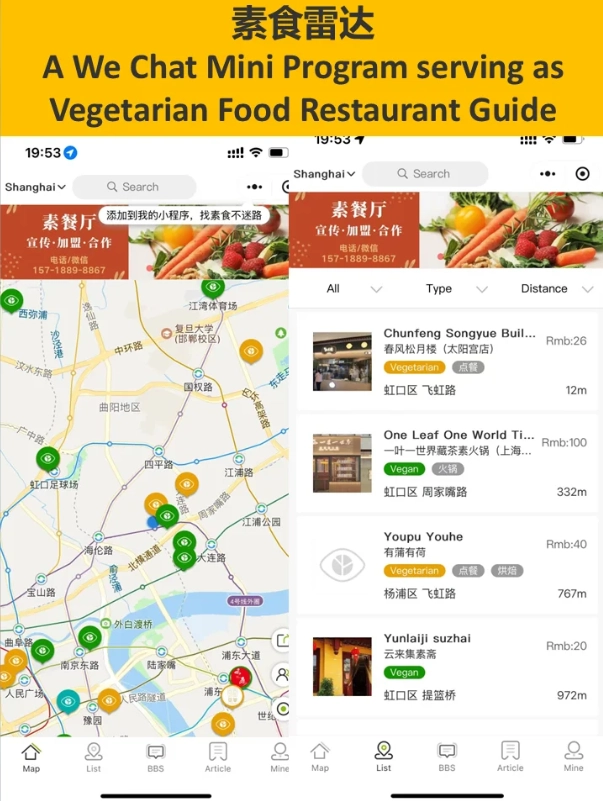








Perfect for anyone who wants to eat plant-based without the stress. I've been vegan for 6 years and struggled during previous trips to China, but this guide made everything smooth. The author clearly knows the culture and food scene inside out. I especially loved the honest reviews of 'accidentally vegetarian' dishes (like mapo tofu without pork mince). Every recommendation I tried was delicious. 10/10, buying copies for my friends.
I can't recommend this enough! I bought it on a whim before a month-long solo trip through China and it turned out to be my most-used travel item. The tips on navigating wet markets and asking for 'fake meat' (su shi) in Buddhist restaurants opened up so many options. My favorite part was the small section on vegan snacks to stock up on – those spicy gluten sticks were a lifesaver on long train rides. Absolute must-buy!
This guide literally saved my China trip! As a lifelong vegetarian, I was terrified of ending up with only plain rice, but the detailed breakdown of regional tofu dishes and hidden veggie-friendly street stalls was a game changer. The author even included a 'show this to the chef' card in Chinese – I used it at least 10 times and never got sick. Five stars without hesitation.
Pretty solid guide overall! I used it for two weeks in Yunnan and most of the tips saved me from awkward language-barrier moments. I docked one star because some of the suggested phrases felt too formal – locals looked confused when I used the exact wording from the book. But the section on temple food etiquette was gold. Would still recommend it to fellow vegetarian travelers, just take the phrasing with a grain of salt.
I was excited to get this guide before my China trip, but honestly it fell a bit short. The first few chapters on big cities like Beijing and Shanghai were decent, but once I got to smaller towns like Guilin and Chengdu, the restaurant recommendations were outdated or just plain wrong. Also, the map links didn't work offline, which was a pain. It's not terrible, but for the price I expected more accuracy.
This guide is an absolute must-have for any vegetarian traveling in China. I've been living here for three years and even I learned new things – like how to order at hot pot places without meat broth. The map suggestions in Yunnan were incredible, and the section on hidden vegetarian restaurants in Guangzhou blew my mind. If you're even thinking about going meat-free in China, just buy this. It will pay for itself in your first meal alone.
Great concept and a lot of effort went into this, but I was a bit let down. I used it in Hangzhou and two of the three restaurants it recommended had actually closed down. Also, the phrase translations were helpful but not always understood by locals (maybe too formal?). It's not bad for a starting point, but I'd suggest checking recent online reviews too. For a first-time visitor it's okay, just not as reliable as I hoped.
A solid resource for any vegetarian heading to China. It covers the basics well – common dishes, how to order, and even a bit about fake meat. I found the tips for street food vendors especially useful. The only reason I'm giving 4 stars instead of 5 is that I wish it had more coverage of northern China (Beijing and maybe Harbin). Still, it made my trip much easier than going in blind.
I bought this right before a two-month solo trip across China, and I'm so glad I did. The guide explains not just what to eat but how to communicate dietary restrictions in different dialects – that alone was worth the price. The section on Buddhist temple eateries was a hidden gem. I ate like a king from Xi'an to Guilin. Five stars without hesitation.
Honestly, this guide saved my trip to China. I was so worried about finding food outside of big cities, but the detailed lists of phrases and regional specialties were spot-on. Used it in Chengdu and a tiny village near Dali – every recommendation worked perfectly. My only tiny nitpick is that a few restaurant names were outdated in the Shanghai section, but overall it's a lifesaver. Highly recommend!