 Ting Chen
Quick Navigation
You step off the plane in Dali, sun blazing, excited. Then you hit the ancient city gate — and it's a sea of selfie sticks. I've seen that look too many times. I've guided over 50 groups through Dali Ancient City, and I know exactly when the magic happens and when it's a madhouse. Let me save you from that mistake.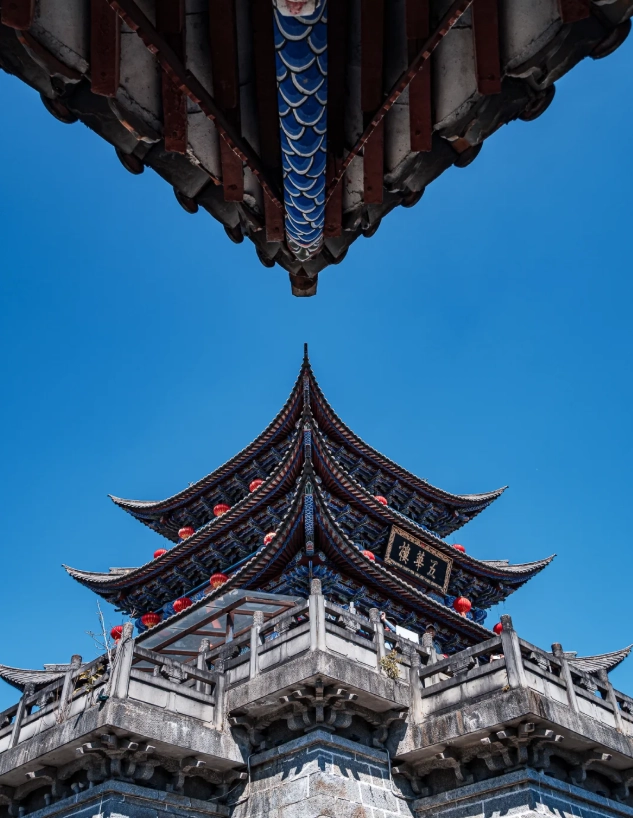
Why Timing Matters More Than You Think
Dali Ancient City sits at about 1,970 meters above sea level, with a mild subtropical climate. But most guides give you a generic 'spring and autumn are nice' — they don't tell you that July and August bring relentless rain that floods the cobblestones, or that winter mornings have you shivering even though the sun is out. I've had clients cancel trips after seeing monsoon forecasts. Here's what the weather data won't tell you: the secret is not just about temperature, it's about visibility of the Cangshan mountains behind the city. In summer haze, they disappear. In autumn, they're crystal clear.
The Quick Answer: Spring and Autumn Are Best
If you have only a week to plan, book between March 20 and April 25 or September 15 and October 25. During these windows, daytime temperatures hover around 18-24°C (64-75°F), skies are mostly clear, and the local markets are in full swing without being overcrowded. One more thing: late October is spectacular for the golden gingko trees inside the city walls. I always make my groups stop at the foreigner street for that shot.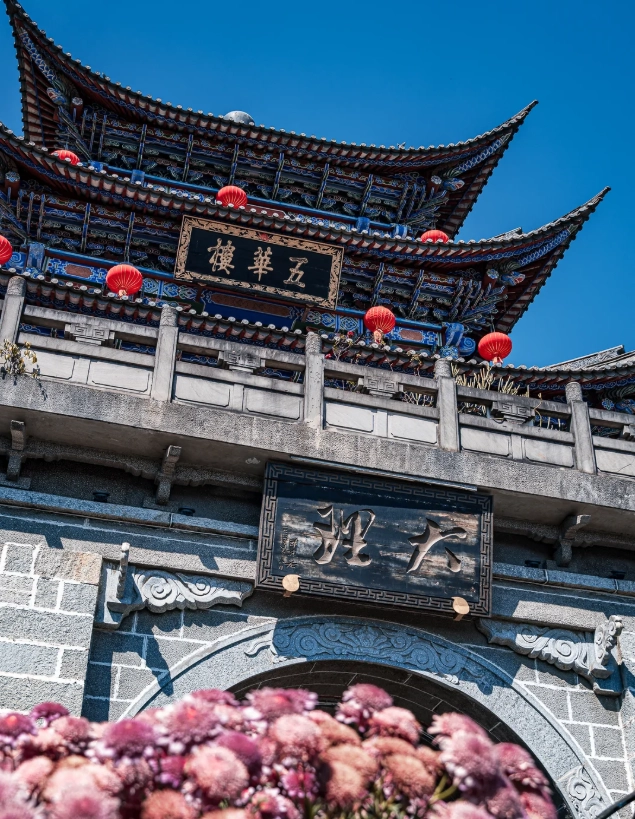
Month-by-Month Breakdown
March to May: Spring Bloom
March starts cool (around 10°C at night) but warms up fast. By April, cherry blossoms and rhododendrons burst along the streets. The annual Dali March Fair (the third month of the lunar calendar) brings ethnic performances — but it also brings domestic tourists. If you go in April, avoid weekends. I once counted 40 tour buses outside the South Gate on a Saturday. Nighttime is chilly, so bring a windbreaker. The clear skies mean incredible star gazing from the city wall after 9pm.
June to August: Rain and Crowds
This is the rainy season. It doesn't pour all day, but expect sudden downpours that turn the stone alleys into slippery slides. Humidity is high (80%+), and afternoon thunderstorms are common. The summer holiday (July-August) brings Chinese families, so the city is packed. My advice: if you must come in summer, aim for late August after school starts. Book tickets online — on-site queues at the main attractions like the Chongsheng Temple can take 40 minutes in the heat.
September to November: Golden Autumn
September still has some rain, but by mid-month it clears. October is the sweet spot: crisp air, blue skies, and fewer tourists than summer (except during National Day week, October 1-7, which is an absolute nightmare — I've seen the city shut down with crowds). November is cooler (5-15°C) but the low season means empty streets and discounted hotels. The Erhai Lake looks stunning with the seasonal reflection of the mountains.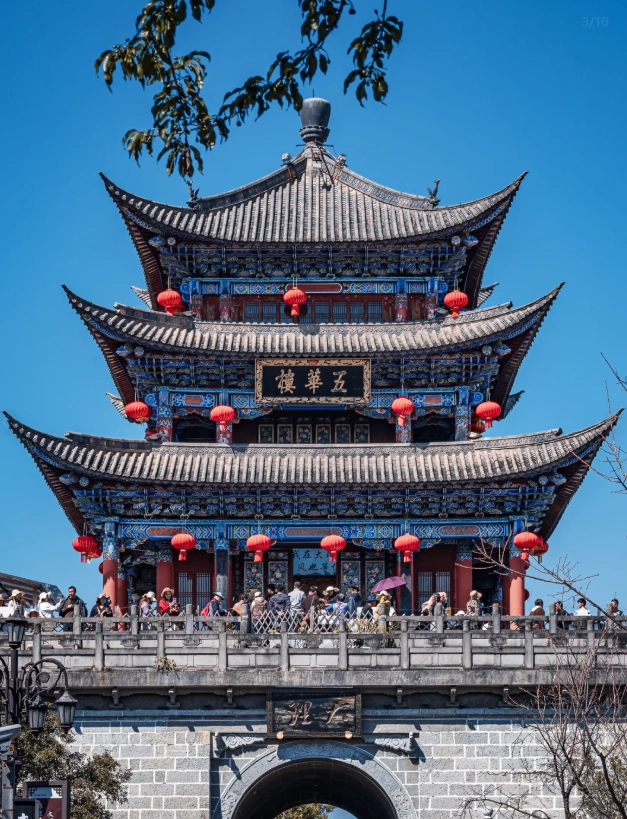
December to February: Quiet and Cold
Winter is the off-season. Daytime temperatures are 10-15°C but nights drop to 0°C. The city is peaceful — you can actually hear the bells in the temples. The downside: many small cafes close for the season. If you want solitude and don't mind bundling up, January is your month. Also, the winter sun is intense at this altitude—don't skip sunscreen. I had a guest from Scotland who thought he didn't need it, and he burned in two hours.
How to Avoid the Worst Crowds
Also, plan your visit on weekdays if possible. Monday through Thursday are dramatically less crowded. The city's busiest hours are 10:30am to 2:30pm. I always tell my groups to sleep in, have a late breakfast, then explore the less popular areas in the morning and hit the main attractions after 3pm when the tour buses leave.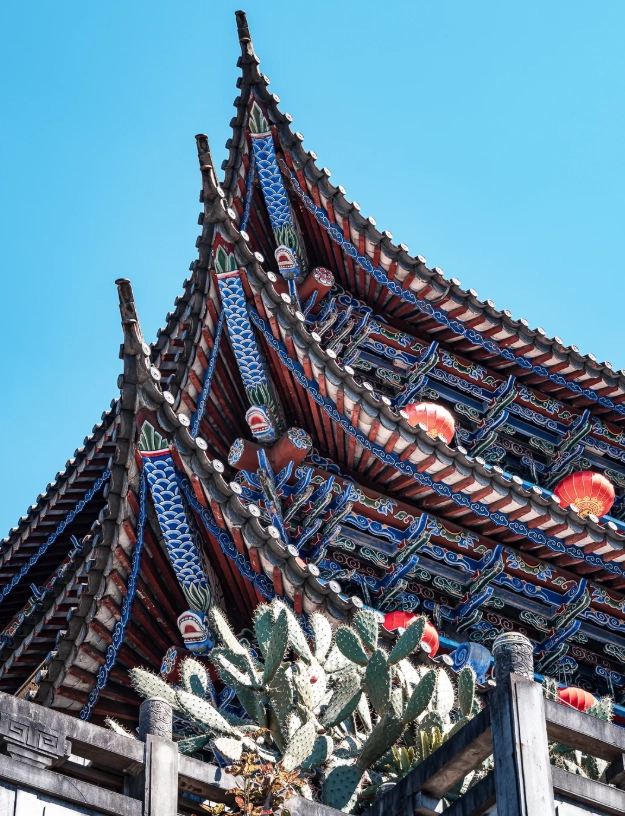
A 24-Hour Plan If You Only Have One Day
Imagine you land in Dali at 8am, have to leave next morning. Here's how to maximize your time:
- 8:30am – Drop your bags at a hotel near the South Gate (I recommend The Linden Centre — solid English, fast check-in).
- 9:00am – Walk to the West Gate (taxi from South Gate is 10 yuan, 5 minutes). Enter there, grab a coffee at Ginkgo Cafe (they accept Visa).
- 10:00am – Explore the back alleys around Yu'er Road. The main commercial street (Fuxing Road) is a zoo — skip it until afternoon.
- 12:00pm – Lunch at Dali Kitchen, a local Yunnan restaurant with English menu. Order the cold rice noodles (suān là) and the steam pot chicken. Average 50 yuan per person.
- 1:30pm – Climb the South Gate Tower (free after 2pm? Actually it's always free, but the queue shortens after lunch). Best photo spot from the top.
- 3:00pm – Walk to the Erhai Lake park (10 minutes from the city wall). Rent a bike for 20 yuan, ride along the lakeside path for one hour.
- 5:00pm – Return to the city for sunset at the Five Flowers Tower. It's a bit crowded but the view over the rooftops is worth it.
- 7:00pm – Dinner at Mr. Yang's Kitchen — tucked away on Renmin Road. Their mushroom hotpot is legendary. Expect a 20-minute wait even on weekdays.
- 9:00pm – Evening stroll on the less-lit streets near the North Gate. The bars on Huguo Road get loud; I'd skip them unless you want to party.
Practical Tips: Tickets, Transport, and Accommodation
Getting In and Around
Dali Ancient City itself has no entrance fee — you walk right in. But some attractions inside require tickets: Chongsheng Temple (75 yuan, book via WeChat mini-program or at the gate, open 7:30–18:30), Three Pagodas (75 yuan, same conditions). For the Erhai Lake bike ride, you can rent on the spot for 20–30 yuan, but leave a deposit (they prefer cash). Most vendors don't accept international cards — bring enough cash or set up WeChat Pay with your passport at a local bank. It's a hassle, but ask your hotel receptionist to help.
Where to Stay
| Hotel | Area | Price Range (Low Season) | Best For |
|---|---|---|---|
| The Linden Centre | Near South Gate | $40-80/night | English-speaking staff, stable WiFi, family rooms |
| Dali Mountain House | West Gate area (quiet) | $25-50/night | Budget solo travelers, great rooftop view |
| Erhai Inn | Lakeside, 10-min taxi | $60-120/night | Couples, lake view, breakfast included |
Most hotels in Dali Ancient City have spotty WiFi — I've found Linden Centre to be the most reliable. Also, check if the hotel has an elevator; many traditional courtyard hotels don't, and carrying luggage up two floors is a pain.
Transport to Dali
Dali has a small airport with flights from major Chinese cities (Kunming, Chengdu, Shanghai). From the airport, take the airport bus (25 yuan, 40 minutes) to the ancient city stop. Alternatively, take the high-speed train to Dali Station (from Kunming, 2 hours, about 150 yuan). From the station, a taxi to the ancient city is 40-50 yuan (20 minutes). Don't accept rides from touts at the exit — use the official taxi queue.
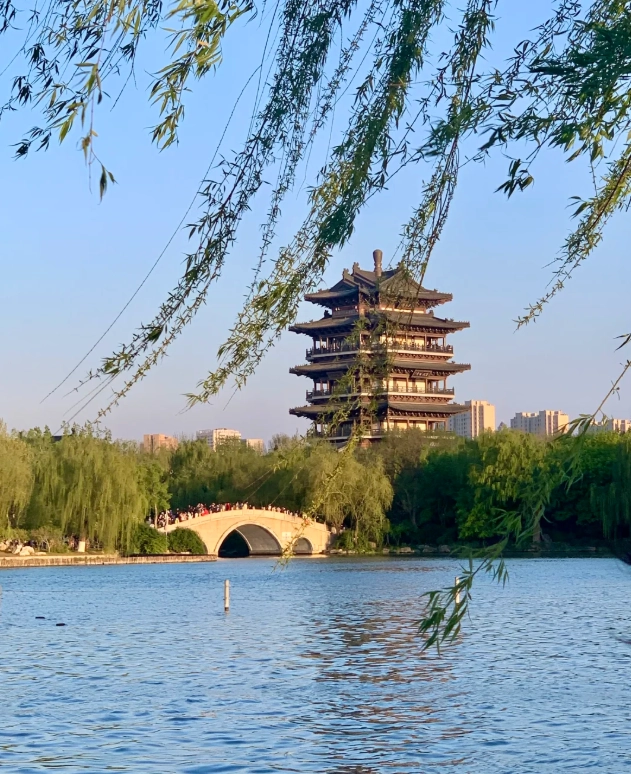





Been to many ancient towns in China, and Dali stands out for one reason: the 'avoid crowds' strategy actually pays off. We got there on a Monday in May (shoulder season) and by 9 AM the main street was getting busy, but the side lanes were still empty. Found a homestay inside the old town for only 120 yuan per night – the owner even gave us a map with hidden spots. Evening was magical with the lit-up towers and fewer people than daytime. If you plan smart, you save money and get the real vibe. Totally worth 5 stars.
This is the kind of travel tip that actually works. We went during the Bai Third Month Festival week – everyone said it would be crazy but we arrived before 8 AM and it was bliss. The incense from the temples mixed with the crisp morning air, and the local market had the freshest wild mushrooms I've ever had. Spent the whole morning just wandering without any rush. If you like authentic experiences without the tourist hordes, follow this advice to the letter. Five stars without hesitation.
Honestly a bit let down. Followed the guide about visiting in the early afternoon (which supposedly is the 'cheapest' time for tours?), but the place was still swarming with groups. Got charged 35 yuan for a mediocre fruit tea that I later saw at another shop for 18. And the bamboo rafting thing near the east gate wasn't running – no warning anywhere. I guess you really need to go at like 6 AM, not 2 PM. Wouldn't say it's a total waste, but definitely felt overhyped and overpriced for what it is.
We visited in late November on a weekday, expecting it to be dead, but it was still pretty busy around noon. The old town itself is beautiful with all the flowers and cobblestone streets, but I think the 'save money' part only works if you avoid the main tourist street – those souvenir shops are overpriced everywhere. We found cheaper food in the alleys behind the museum. Overall nice but not as tranquil as I'd hoped. Would give it a solid 4 if you time it right.
Came here based on the 'avoid crowds' advice and honestly, it was a game changer. Showed up at 7:30 AM and had the entire main street almost to myself. The morning light on the old rooftops was magical, and I grabbed a steaming bowl of cross-bridge noodles for just 15 yuan from a little stall near the south gate. No haggling, no pushing crowds – just pure Dali charm. Highly recommend if you want to actually feel the quiet history instead of fighting for a selfie spot.
Honestly a bit disappointed. I planned my visit for what I thought was a quiet period (early March), but the main walking streets were still packed with tour groups and vendors haggling aggressively. Hardly any 'money saving'—most guesthouses had already raised prices for the upcoming spring season. The city itself is pretty, but the experience felt like every other crowded ancient town in China. Maybe I picked the wrong week?
Overall a good trip—went in late October hoping to avoid crowds, but it was still pretty busy around midday around the main square. The mornings were nice though. Did save some money compared to summer rates, but not as much as I expected. A few restaurants near the center were overpriced for what they offered. Still a beautiful place, just not the hidden gem I was hoping for.
I followed the advice to visit on a weekday morning and it paid off big time. The crowds were thin, the air was fresh, and I got a discount on a guided walking tour because it was low season. Even the street food stalls had shorter lines and friendlier prices. If you hate tourist traps like I do, this timing is a game-changer.
Came here mid-week in late November and it felt like I had the place almost to myself. The streets were calm, the weather was crisp, and I saved a ton on accommodation. Spent hours just sitting at a café near the South Gate watching locals play chess. No pushy sales, no selfie sticks in my face. This is the way to experience Dali.
Visited in early December and it was absolutely perfect. Barely any crowds, could actually enjoy the quiet alleys and the local vendors weren't pushy. Got a room at a guesthouse for half the peak season price. The morning mist over the old city walls was magical. Highly recommend going during off-peak months if you want the real Dali vibe without the chaos.