 Qiang Huang
Quick Navigation
Picture this: you walk through the massive entrance of the Jingdezhen China Ceramics Museum, and the first thing that hits you is a wall of porcelain—literally. A giant mural made of thousands of ceramic tiles, shimmering under soft lights. It’s the kind of sight that makes you forget your jet lag. I’ve brought dozens of groups here over the years, and every single person stops mid-step the moment they enter. But here’s the catch: most visitors spend their time wandering aimlessly, missing the real gems, or worse—queueing under the scorching sun because they didn’t know the trick. Let me fix that for you.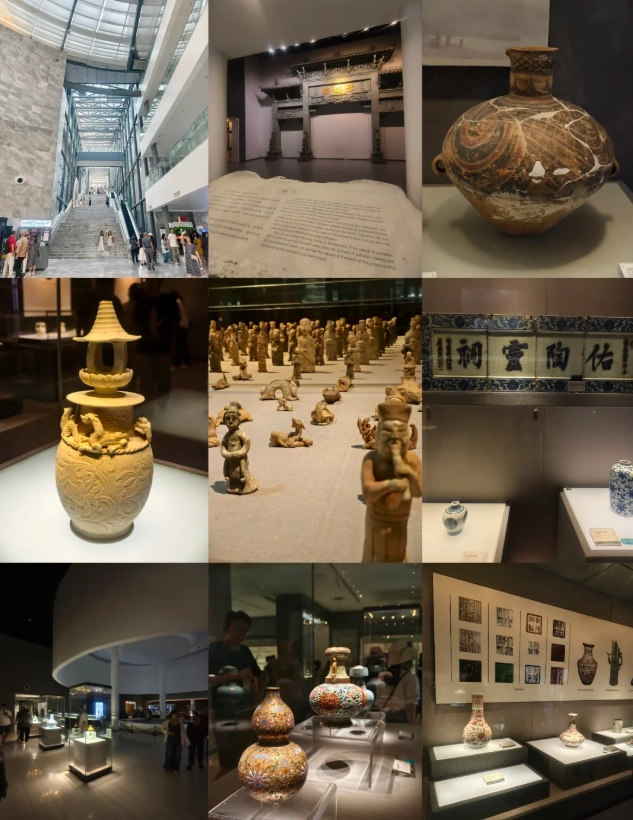
Why This Museum Matters
This isn’t just another city museum. The Jingdezhen China Ceramics Museum is the world’s largest porcelain museum, housing over 30,000 pieces spanning 1,000 years of ceramic history. It tells the story of why Jingdezhen—a small city in Jiangxi province—became the porcelain capital of the world. If you care even a little about Chinese culture, art, or craftsmanship, this place is a pilgrimage. But even if you’re just looking for cool photos, the hall of ancient kilns and the colorful vases from the Ming dynasty will blow your Instagram feed up.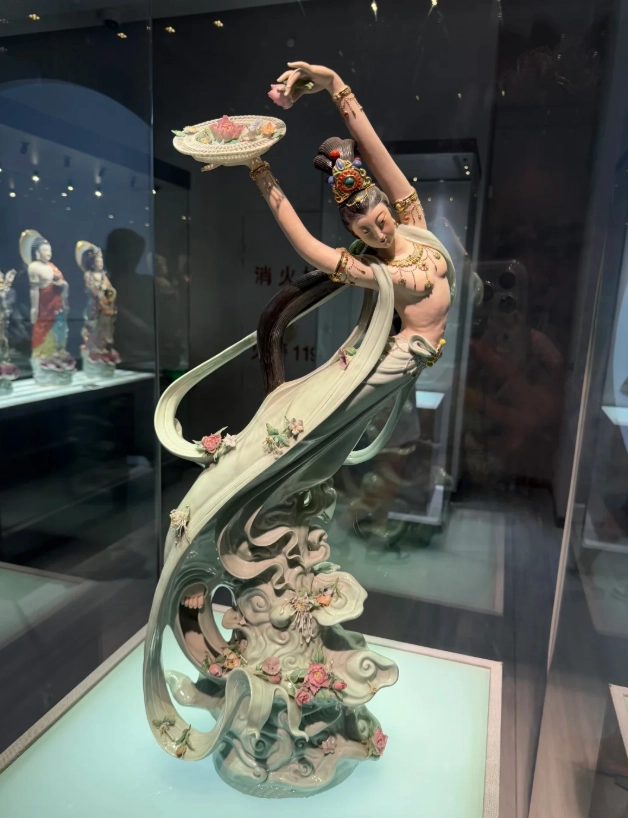
Getting There Without the Headache
The museum is located at No. 1 Zijing Road, Changjiang District, Jingdezhen. Google Maps works fine here, but Baidu Maps is more accurate—just show the Chinese address to your taxi driver: 景德镇中国陶瓷博物馆, 紫荆路1号.
By Taxi or Ride-Hailing
From Jingdezhen North Railway Station (the high-speed train stop), a taxi costs about 20–25 RMB and takes 20 minutes. Skip DiDi if you can’t read Chinese characters; instead, ask your hotel reception to book a taxi for you. Drivers rarely speak English, so have your destination written down. I always tell my clients to save a screenshot of the museum’s entrance—it saves the “lost-in-translation” moment.
By Bus
Bus routes 1, 10, and 16 stop at “Zijing Lu” station, about 400 meters from the main gate. The bus fare is 1 RMB (cash only, exact change). Honestly? Take a taxi. Buses are unpredictable and crowded during peak hours.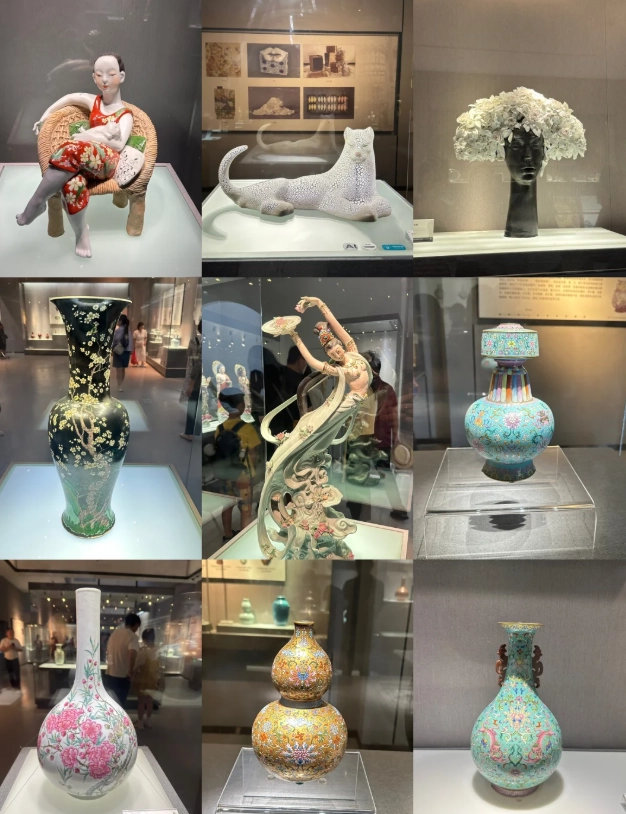
Tickets & Opening Hours (Don’t Forget to Book)
| Item | Details |
|---|---|
| Adult Ticket | 80 RMB (about $11 USD) |
| Student / Senior (65+) | 40 RMB with valid ID |
| Free Admission | Children under 1.2m, active military, disabled visitors |
| Opening Hours | 9:00 – 17:00 (last entry at 16:30) |
| Closed | Every Monday (except public holidays) |
⚠️ Pro booking tip: You must reserve a free ticket in advance through the museum’s WeChat mini-program. The QR code is at the entrance, but the interface is entirely in Chinese. Even I struggled the first time. Ask your hotel’s front desk or a local friend to book for you—they’re usually happy to help. Walk-ins are sometimes allowed, but you risk being turned away, especially on weekends.
Must-See Exhibits That Most Visitors Miss
The museum has four floors. Most tourists rush through the first two, but the real treasures are on the third and fourth floors. Here’s what not to skip: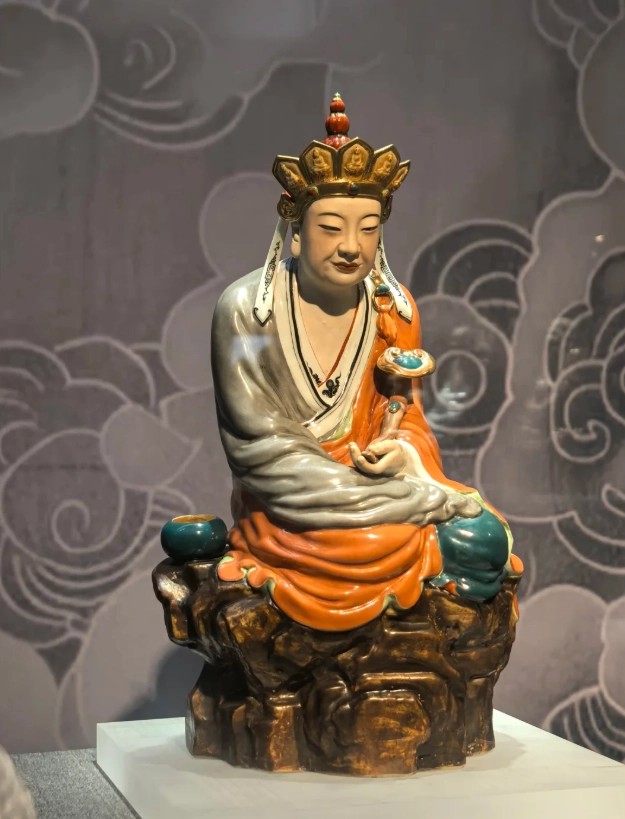
The Yuan Dynasty Blue-and-White Porcelain Room
You’ve seen blue-and-white vases in every souvenir shop, but the originals here are on another level. Look for the “Guiguzi Descending the Mountain” jar—it’s considered one of the finest surviving Yuan porcelains. The cobalt blue is so deep it almost looks black. I always tell my clients to stand at least two feet away; up close, the brushstrokes look like modern art. Don’t miss the wall plaque explaining the cobalt import from Persia—a detail that surprises most visitors.
The Ming Dynasty Multicolored “Doucai” Ware
Doucai means “contrasting colors,” and these pieces are incredibly delicate. The most famous is a chicken cup from the Chenghua Emperor (1465–1487). A similar cup sold for over $40 million at auction! The museum’s version is a replacement, but still an exquisite example. Most people walk past it because it’s small and tucked in a corner near the staircase. Look for the glass case on the third floor, east wing.
The Ceramic Production Demo (Underground Level)
Go down to B1. At 10:00 AM and 2:00 PM daily, artisans demonstrate hand-throwing, painting, and glazing. It’s not advertised well, so many miss it. I always schedule my visits around the 2 PM demo—the morning one tends to be crowded with school groups. The demo lasts about 45 minutes, and you can ask questions. The potter speaks only Chinese, but one of the staff usually translates for English-speakers.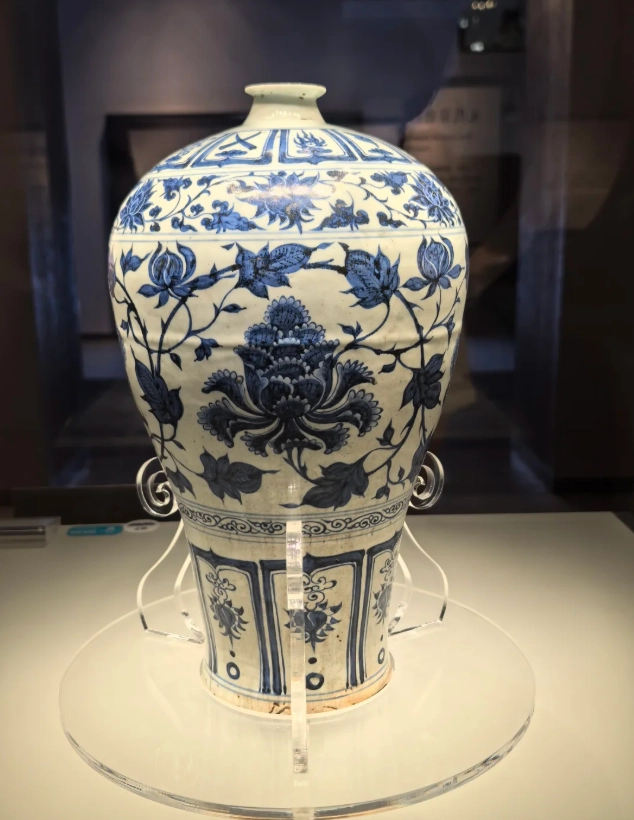
My Personal Tips for a Better Experience
Best Time to Visit
Avoid 10 AM to 2 PM if you can. That’s when tour buses unload, and the main halls become a sea of selfie sticks. Come around 3 PM on a weekday. The light in the fourth-floor gallery is gorgeous at that hour, and the crowds thin out after 4 PM. Also, check the weather—the museum’s glass ceiling in the central atrium can turn the lobby into a greenhouse on sunny days. No fun.
What to Bring
Bring a light jacket—the air conditioning is aggressive in summer. The floors are polished marble, so wear non-slip shoes. I’ve seen more than a few tourists slip near the fountain area. Also, bring a small umbrella: the entrance has a bizarre leak during heavy rain (the roof design isn’t perfect). I always tell my groups to stash one in their daypack.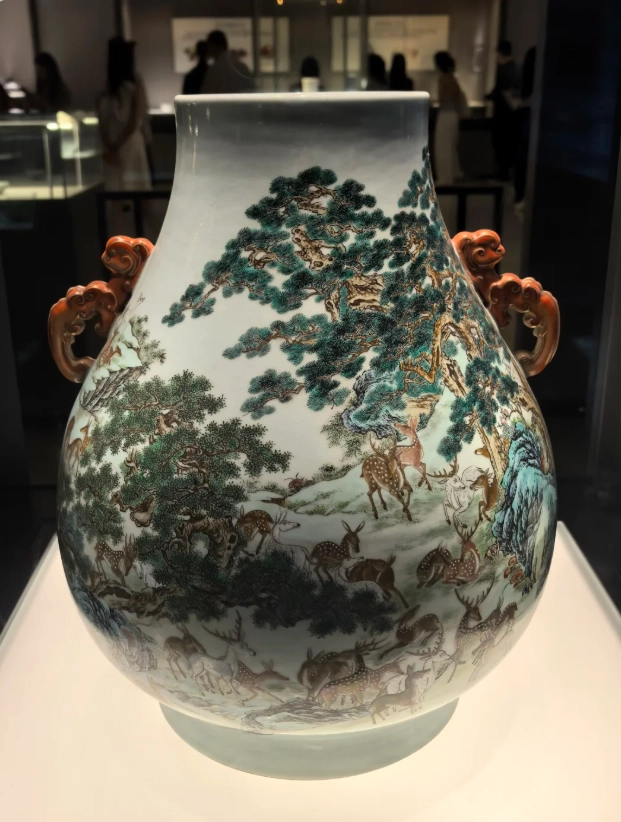
Photography Rules
You can take photos without flash in most areas. However, a few special exhibits (like the Qing dynasty imperial ware) ban photography altogether—look for the red circle signs. Trust me, don’t sneak a shot; I’ve seen guards confiscate phones. For the best shot, head to the third-floor balcony overlooking the main hall. The symmetry of the spiral staircase with porcelain in the background is pure gold.
Avoid the Gift Shop Racket
The museum’s official gift shop sells decent replicas, but they’re overpriced—a small porcelain bowl for 200 RMB that you could get outside for 50 RMB. If you want to buy real ceramics, skip the shop and walk 10 minutes to Taoxichuan Art District. That’s where local artisans sell their work at fair prices. I’ll always recommend a potter named Mr. Chen at Studio 7—he does custom calligraphy on teaware.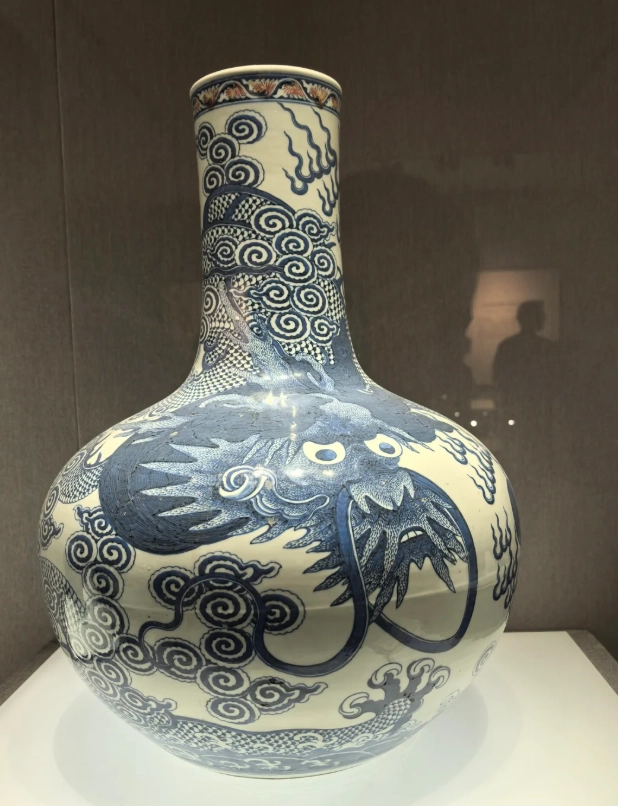






No comments yet.