 Wei Zhang
I‘ve been guiding travelers through Chongqing for over a decade, and the one activity that consistently surprises people is a Chongqing paper cutting workshop. Not because they expect less — but because they walk away with a handmade souvenir that actually means something. No factory-made fridge magnets, no overpriced tea. Just you, a thin sheet of red paper, and a pair of scissors that somehow turn into a magic wand.
Here is the catch: most foreign tourists don’t know where to find a legit workshop that speaks English, takes credit cards, and won’t charge a premium just because you’re a tourist. I‘ve watched friends get stuck at the wrong places, pay triple the price, or give up because the booking was too confusing. So I put together this guide to save you the hassle. Let me show you exactly how to experience a Chongqing paper cutting workshop like a local insider.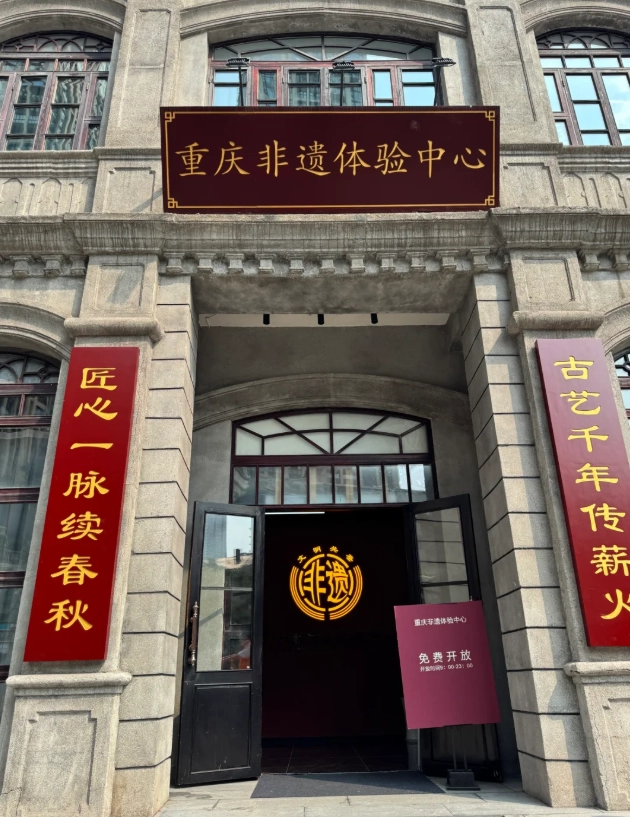
Why You Should Try Paper Cutting in Chongqing
Chongqing paper cutting is not your average souvenir hunt. It’s a UNESCO-recognized intangible cultural heritage that dates back centuries. Unlike the commercialized calligraphy classes you see in tourist traps, a good workshop here lets you cut your own design under the guidance of a master — and you get to keep it. Every piece carries the spirit of Sichuan folk art, with bold curves and symbolic themes like bats (luck), fish (wealth), and lotus flowers (harmony).
I always tell my clients: skip the shopping mall “art experience” chains. The real magic happens in small studios where the grannies have been cutting since they were 8. In Chongqing, paper cutting is deeply tied to the local culture — you‘ll see it during Spring Festival, weddings, and even in old teahouses. A workshop is your shortcut to that authenticity.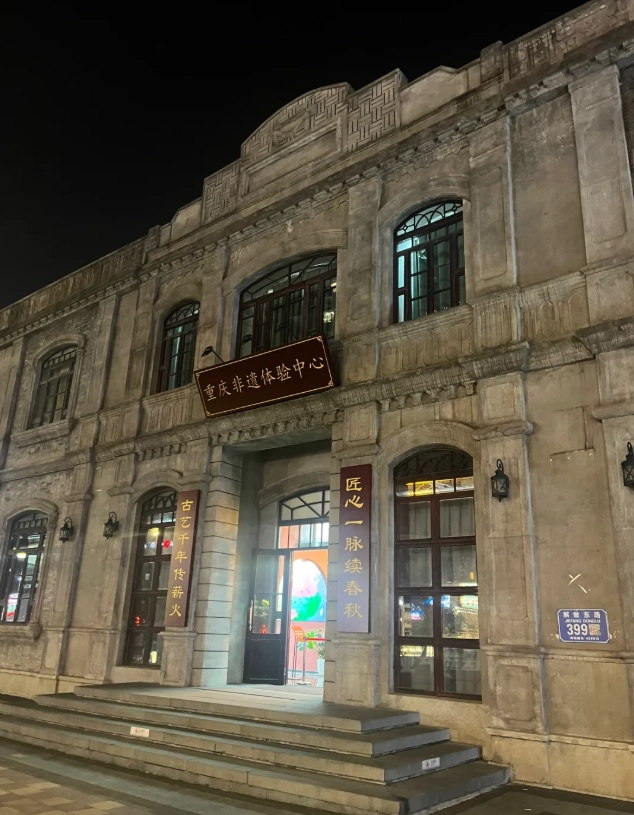
Where to Find Authentic Paper Cutting Workshops
There are three main options, each suited for different travel styles. I‘ve personally visited all of them and vetted for foreign-friendliness.
Ciqikou Ancient Town – The Most Accessible Option
Address: No. 23, Old Street, Ciqikou, Shapingba District (磁器口古镇). English map search: “Ciqikou Ancient Town.” Nearest metro: Line 1, Ciqikou Station, Exit 2. Walk 5 minutes into the main street.
This is where I send most first-timers. The alley called “Paper Cutting Lane” (剪纸巷) has a cluster of family-run studios. My go-to is “Old Zhang’s Paper Cutting Studio” — no sign in English, but the owner, Auntie Zhang, has been teaching for 40 years. She doesn’t speak English, but her hands explain everything. Price: Around 60–80 RMB per person for a 45-minute session. Payment: Cash only. Pro tip: Go before 10 a.m. — after that the lane gets packed with selfie sticks.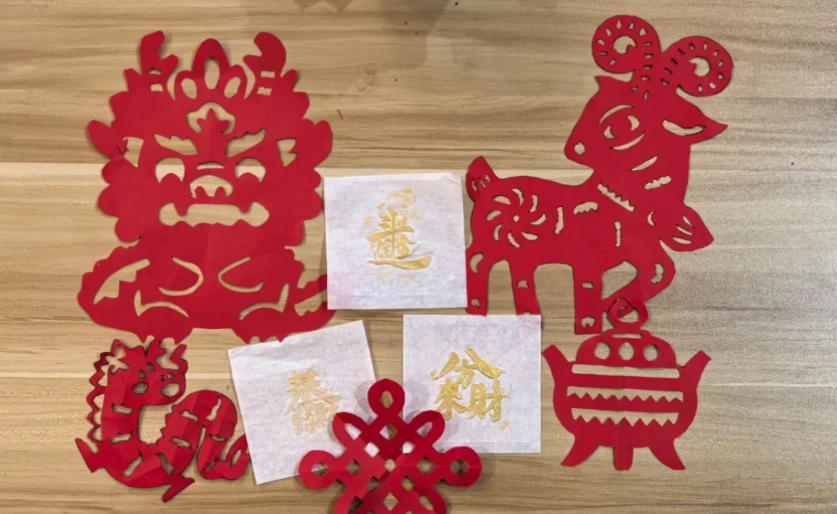
Shancheng Traditional Paper Cutting Studio – A Hidden Gem
Address: 5th Floor, 178 Nanbin Road, Nan’an District (南滨路178号5楼). English map search: “Shancheng Paper Cutting Studio” or use the Chinese name above. Nearest landmark: Opposite the Chongqing Zoo (next to the Starbucks).
This is a slightly more polished experience. The studio is run by a young team that caters to international groups. They offer English instruction (written, and simple spoken). The workshop is 90 minutes, includes all materials plus a mounting frame for your artwork. Price: 150 RMB per person. Payment: Accepts Alipay, WeChat Pay, and surprisingly – international credit cards (Visa/Mastercard through a Square terminal). Booking: Reserve via Trip.com or their WeChat mini program. Warning: The mini program is in Chinese only. I recommend asking your hotel concierge to book for you, or use the Trip.com link (verified).
Private Workshops at Your Hotel or Airbnb
If you’re short on time or prefer privacy, some studios offer in-room sessions. “Chongqing Cultural Experiences” is a reputable agency that sends a master to your accommodation. Cost: 300–500 RMB per person (includes materials, a set of paper cutting tools you keep, and a 2-hour session). Booking: Email them at info@chongqingculturex.com (website is in English). They accept WeChat Pay, Alipay, and bank transfer. My take: It’s pricier, but worth it if you have a group of 3+ or want to avoid the crowds.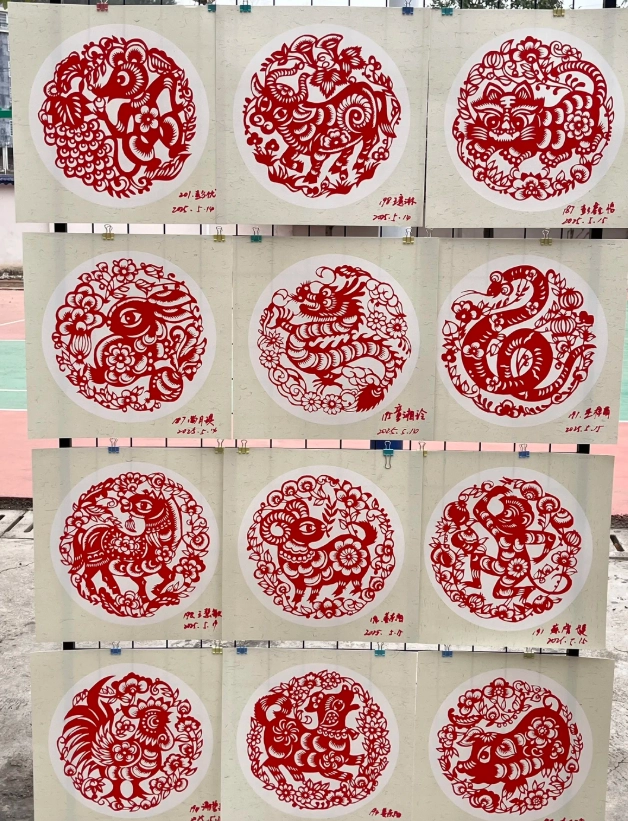
What to Expect During a Paper Cutting Class
Don’t worry if you’ve never held scissors for art. The classes are designed for absolute beginners. Here’s the typical flow:
Tools and Materials Provided
- Red rice paper (pre-folded in designs)
- Sharp scissors (the local type with fine tips)
- Carbon paper for tracing (if you want to copy a pattern)
- Mounting frame (optional, 10–20 RMB extra)
Step-by-Step Process (Even Beginners Can Do It)
- Choose your design: Usually 4–5 patterns — a panda, a peony, a Chinese knot, a fish, or the Chinese character for “luck” (福).
- Trace or fold: The master will show you how to fold the paper to create symmetry. For the panda, it’s a single cut silhouette.
- Start cutting: You’ll cut along the lines. The trick is to rotate the paper, not the scissors.
- Unfold and reveal: This is the magic moment. Even a simple cut looks incredible when unfolded.
- Mount it (optional): The studio can help you frame it — makes a perfect gift.
I’ve seen travelers who “can’t draw a straight line” produce stunning pieces. The secret? The paper does half the work. You just need patience.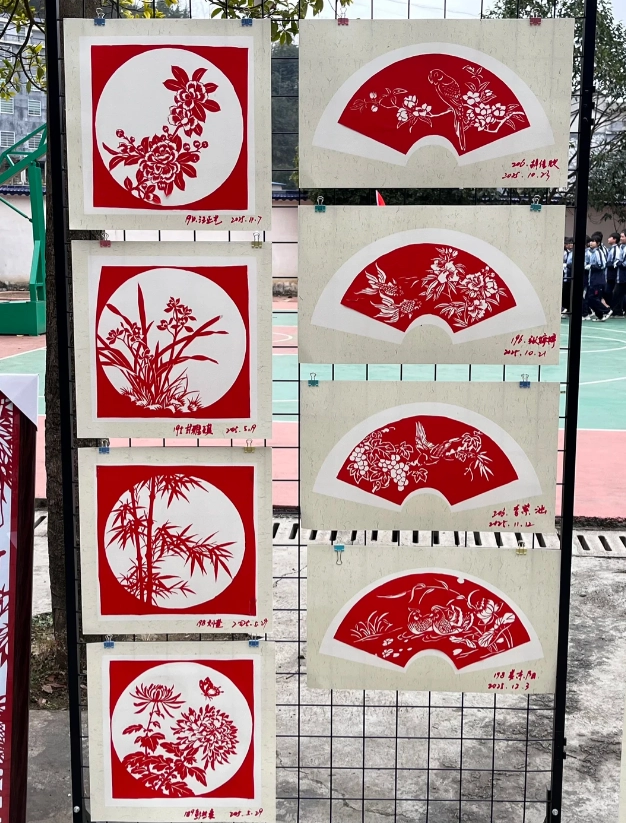
How to Book a Workshop Without Hassle
Booking can be the most frustrating part for foreign visitors. Let me break it down.
Booking via Trip.com or Klook
For the Shancheng studio and a few others, these platforms work. Search “Chongqing paper cutting workshop” on Trip.com (they have a dedicated activity section). The listings are in English, and you can pay with your international credit card. Note: You’ll need to provide your passport number for the booking — this is standard for any cultural experience in China.
Walk-in vs. Reservation
At Ciqikou, you can walk in 90% of the time. But if you go on a weekend or during Chinese holidays (like National Day in October), expect a wait. Insider Advice: Call ahead using the hotel phone. The staff at Old Zhang’s don’t speak English, but if you say “paper cutting” (剪纸, jiǎn zhǐ), they’ll understand. Better yet, ask your hotel receptionist to call for you.
Important: Google Maps is unreliable in China. Use Apple Maps or AMap (Gaode) — the latter has an English mode called “AMap Global.” Download it before you arrive. The addresses I provided work on both.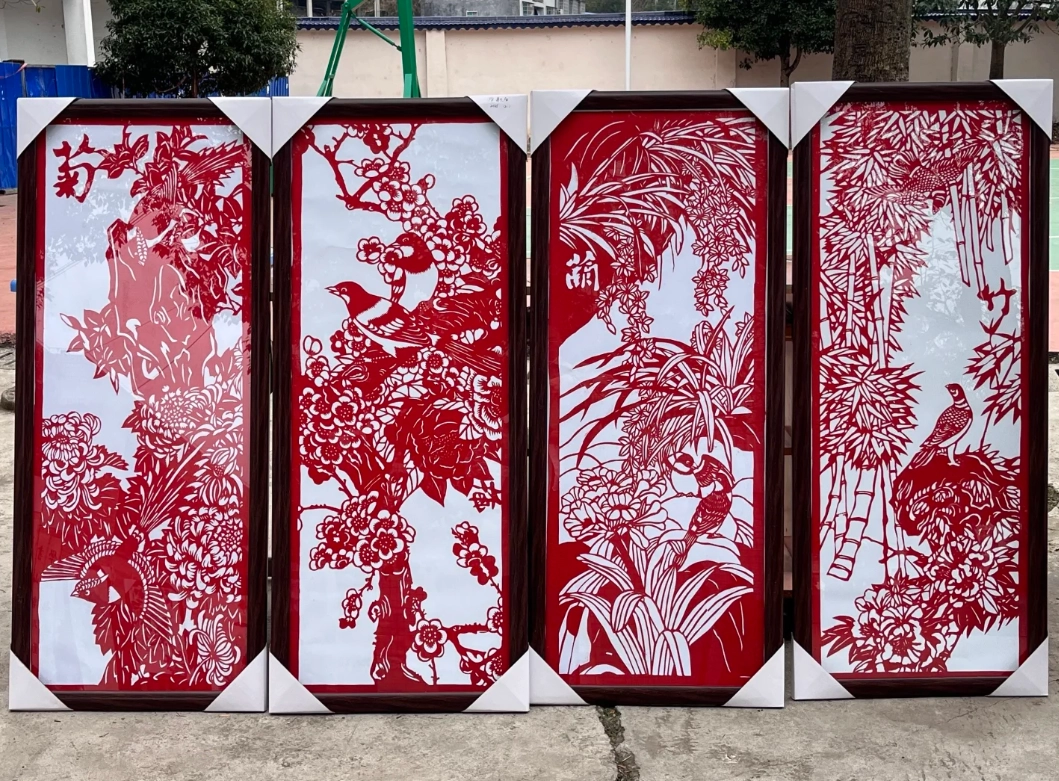
Essential Tips for Foreign Visitors
Let me save you the mistakes I’ve seen a hundred times.
Payment and Language Hacks
- Cash is king in Ciqikou. Bring small bills (20, 50 RMB). Many stalls won’t have change for 100 RMB.
- International credit cards are accepted at only the Shancheng studio (and some high-end hotels). Don’t rely on them elsewhere.
- Alipay and WeChat Pay are widely accepted, even in the alley workshops. But you need a Chinese bank card to top up? Not exactly. As a foreigner, you can link your international Visa/Mastercard to Alipay Tour Card (a temporary prepaid card). Set it up in the Alipay app before you go. Official guide here.
- Translation: Most studio owners use simple hand gestures and pattern examples. Don’t expect fluent English. Bring a phrasebook or use your phone. But honestly, language isn’t a barrier — paper cutting is universal.
Best Time to Visit
Morning (8–10 a.m.) is the sweet spot. The light is softer for photos, and the alleys are quiet. After 11 a.m., tour groups flood in. If you’re in Chongqing during summer (June–August), avoid afternoon workshops unless the studio has air conditioning — some don’t.
Did you know? In many Chinese workshops, you’ll be offered a cup of tea upon arrival. Accept it. It’s a gesture of welcome. Don’t worry about paying extra — it’s included.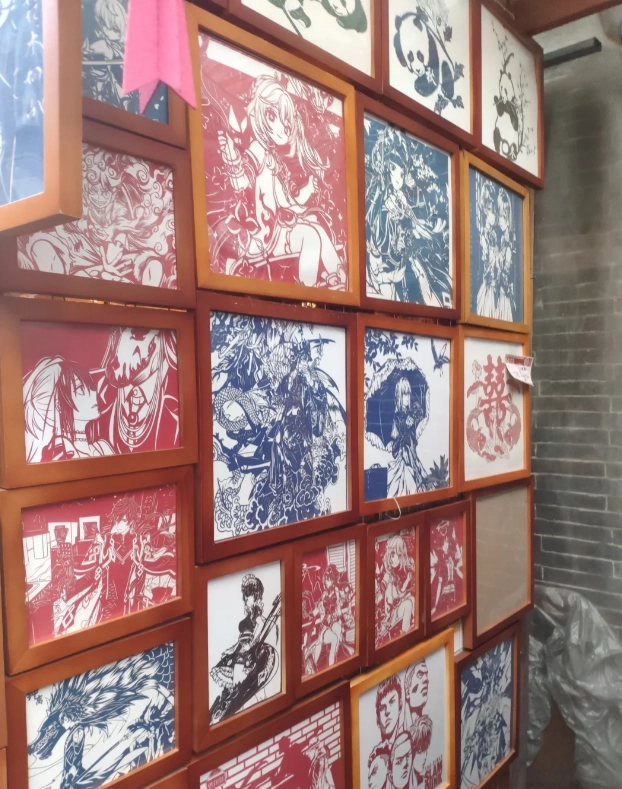
Cost Comparison: Workshop Options at a Glance
| Workshop | Location | Price (RMB/person) | Duration | English | Credit Card | Best For |
|---|---|---|---|---|---|---|
| Old Zhang‘s (Ciqikou) | Ciqikou Ancient Town | 60–80 | 45 min | No (hand gestures) | No | Budget travelers, street experience |
| Shancheng Studio | Nanbin Road | 150 | 90 min | Simple English | Yes (Visa/MC) | First-timers, English speakers |
| Private In-Room | Your hotel/Airbnb | 300–500 | 2 hours | Yes (via agency) | Bank transfer/WeChat | Groups, luxury seekers |
FAQ About Chongqing Paper Cutting Workshop
Final Thoughts
A Chongqing paper cutting workshop is more than a class — it’s a connection to a craft that’s been passed down through generations. You’ll walk away with something you made, not something you bought. And every time you look at it, you’ll remember the lady in the alley who giggled at your first crooked cut and gently guided your hand.
If you only have one day in Chongqing and want a meaningful cultural experience, skip the cable car (it’s always crowded) and book a paper cutting session. You’ll create your own souvenir — and a story to tell.






Booked this on a whim and couldn’t be happier. The location is easy to find using Google Maps, and the staff were welcoming. The tools were proper and sharp (surprisingly good quality), and there were plenty of templates to choose from — from pandas to azalea flowers. Since I went on a weekday morning, it was just me and one other traveler, so we got tons of one-on-one guidance. The owner even let me take a photo with my cut-out in front of the studio’s colorful wall. Genuinely fun and worth every yuan.
Absolutely loved every second! The workshop is small but full of character — red lanterns, hanging paper-cut samples, and even a little tea corner. The teacher spoke enough English and was super encouraging, especially when I made a clumsy cut. She showed me how to fix it with tiny snips, and the final piece actually looked artistic. The best part was watching my own paper come alive under my hands. I came in with zero expectations and left with a treasure. Highly recommend for anyone who loves hands-on cultural experiences.
This was one of my favorite souvenirs from the whole trip! The workshop is tucked away in a quiet hutong, and the moment you step in you smell the faint, pleasant scent of old paper and wood. Our instructor, a tiny lady with impressive hands, guided us through cutting a beautiful carp design. She even told us the symbolism behind every swirl. The whole thing took about 90 minutes, and I left with a framed piece that looks professionally done. If you want a meaningful keepsake from Chongqing, don't skip this!
A solid experience overall. The studio has a lovely old-town vibe, and we got to try several different patterns before settling on one. Our teacher was friendly and showed us the basic cuts, though she sometimes moved too fast for beginners like me. The finished piece looked great in the little red frame they gave us. Only downside: the scissors were a bit blunt, which made the curves tricky. Still, a nice way to spend an hour and learn something local. I’d recommend it if you’re curious about Chongqing’s crafts.
I was a bit underwhelmed, to be honest. The paper cutting workshop itself was fine, but the room felt cramped and the lighting was poor for seeing the fine details. Our instructor was patient but seemed rushed because there were too many people in the group. I did manage to finish a small frame, but the glue provided kept making a mess. For the price, I expected a more comfortable setup and maybe a little more personal attention. It’s an okay activity if you’re in Chongqing and have extra time, but I wouldn’t go out of my way.