 Bo Wu
Bo Wu
Quick Guide: What You'll Find Here
I've been guiding travelers to the Great Wall for over eight years. And if there's one question I hear every single week—"Which section should I go to as a first-timer?"—it's this one. The answer isn't one-size-fits-all. But after watching hundreds of tourists struggle with crowds, steep climbs, and bad logistics, I've nailed down a clear winner for most first-timers. Let me break it down so you don't waste a day of your trip.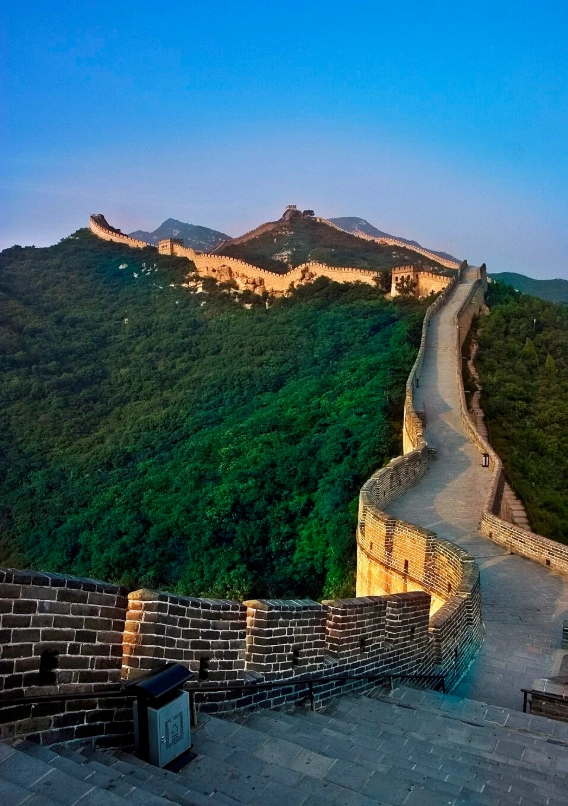
Why Picking the Right Section Matters
The Great Wall isn't a single continuous structure—it's a network of walls, each section with its own vibe. Choosing the wrong one can mean fighting through shoulder-to-shoulder crowds, struggling on exhausting stairs, or getting stuck in traffic for hours. For a first-timer, the goal is to enjoy the experience, not to just survive it.
Top Sections Compared
Here’s a quick snapshot of the most popular sections for first-timers. I've included only those that are practical for a day trip from Beijing.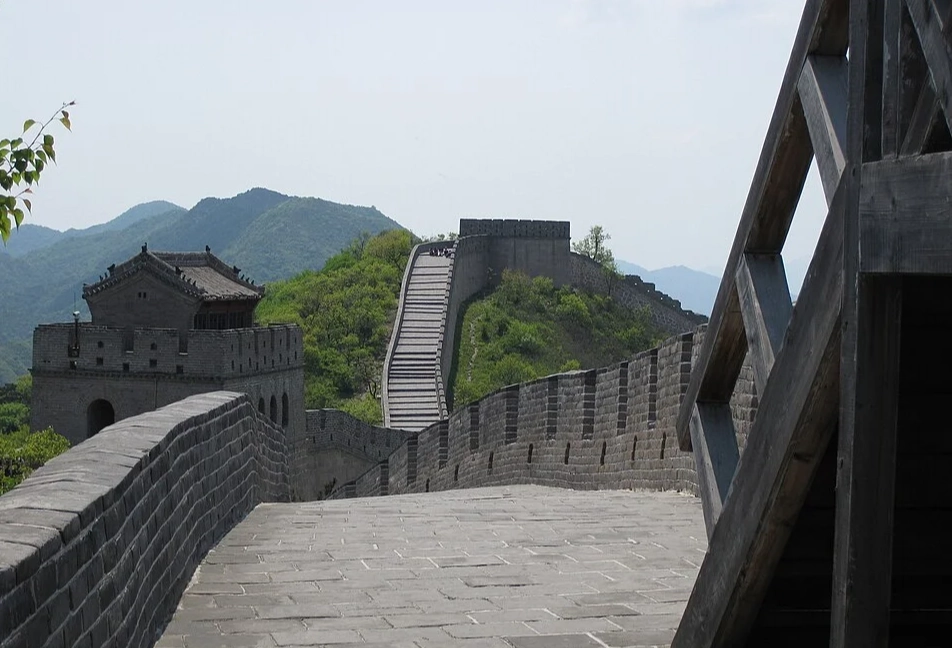
| Section | Crowd Level | Difficulty | Travel Time (from city center) | Best For |
|---|---|---|---|---|
| Badaling | Extremely crowded (especially weekends) | Moderate: well-restored, stairs | ~2 hours by car/tour bus | First timers who want the classic photo and don't mind crowds |
| Mutianyu | Moderate (much less than Badaling) | Easy: cable car + smooth walkways | ~1.5 hours by car | First timers who prefer comfort and scenery |
| Juyongguan | Low to moderate | Moderate: some steep sections | ~1 hour by car | Travelers short on time |
| Simatai | Low | Hard: steep, unrestored in parts | ~2.5 hours by car | Experienced hikers, not ideal for first-timers |
My Recommendation for First-Timers: Mutianyu
For 90% of first-timers, I recommend Mutianyu. Here’s why.
Why Not Badaling?
Badaling is the most famous—everyone wants to see the section that appears on the Chinese 1 yuan note. But here's the catch: it's also the most visited. On a typical Saturday, you'll be shuffling along with thousands of other tourists. The queues for the cable car can exceed an hour. And the experience? You'll spend more time dodging selfie sticks than soaking in the history. I've seen first-timers leave disappointed because they couldn't even get a clear photo.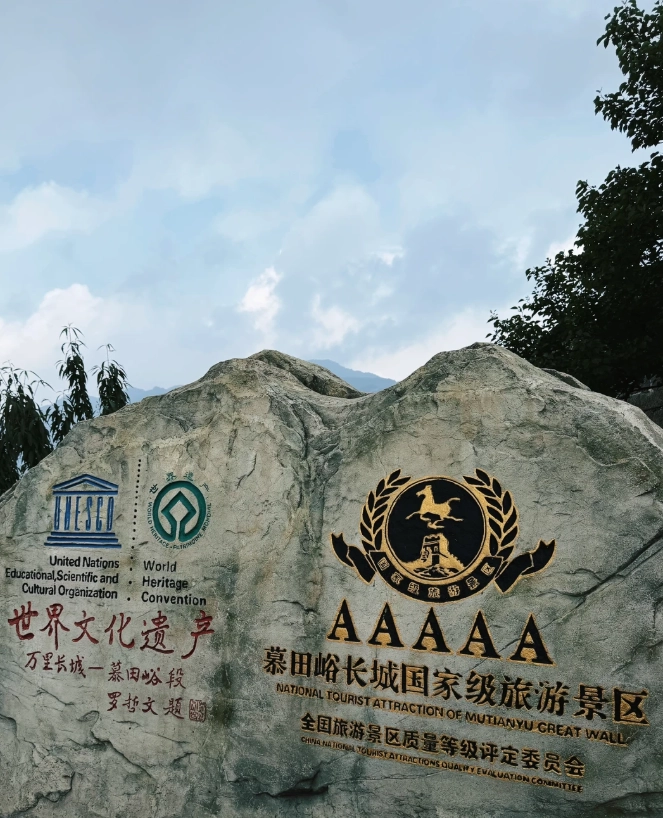
Mutianyu: The Sweet Spot for First Timers
Mutianyu offers the perfect balance: it's fully restored, less crowded, and has a cable car that reduces walking time. The wall here is wide and even—no terrifyingly steep climbs. You can also take a toboggan ride down, which is a huge hit with visitors. The scenery is stunning: lush forests in summer, fiery colors in autumn.
How to get there: I always tell my clients to take a direct bus from Dongzhimen Transportation Hub. The bus number is 916, but it's faster to take the express version. Alternatively, book a private car through Trip.com or DiDi (the Chinese Uber). The drive is about 1.5 hours from central Beijing. Do not rely on Google Maps—it's inaccurate in China. Use Apple Maps or the English version of Gaode (AMap Global).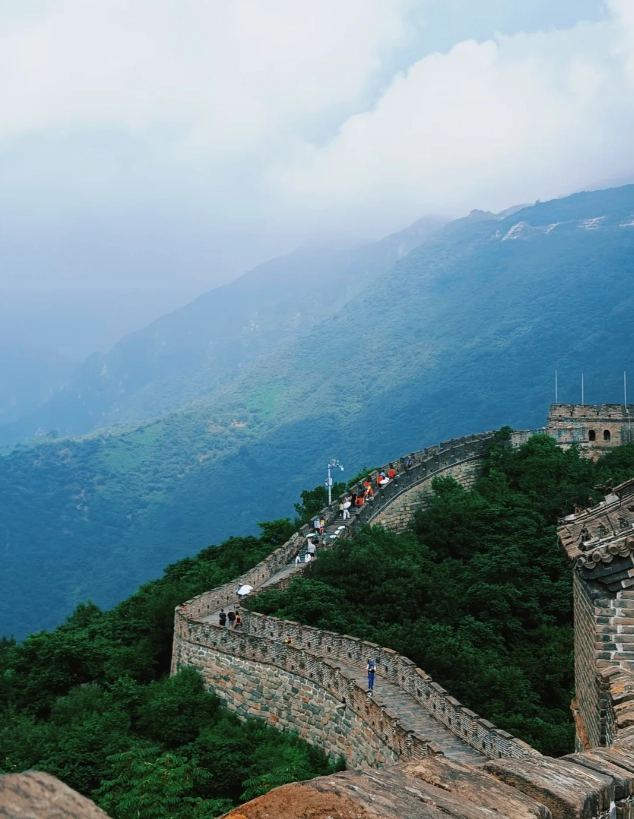
What About Juyongguan?
Juyongguan is closer to Beijing—only about 1 hour by car. But it's a smaller section with a steeper climb. If you're short on time, it's okay, but the wall lacks the epic length and panoramic views of Mutianyu. I'd only recommend it if you have a half-day window.
Transport & Booking Tips
Booking Your Tickets
All major sections require advance booking. You must use your passport number to reserve. The official way is through WeChat mini-programs—but these are entirely in Chinese and often reject foreign passports. Don't stress: use Trip.com (the English-language site) to book your tickets. It's reliable and accepts international credit cards. For Mutianyu, you can also buy tickets at the gate, but during peak season (May-October) they might sell out, so book online 1-2 days ahead.
Payment on Site
At the ticket office and souvenir shops, cash is not accepted at most booths. They will ask you to scan a QR code with Alipay or WeChat Pay. If you haven't linked your international card yet, do it before you leave. Alternatively, bring a friend who has the apps. I've seen tourists turn back because they couldn't pay for the cable car. Do bring a small amount of cash for emergencies (like using a restroom that charges 1 yuan), but for tickets and food, digital payment is mandatory.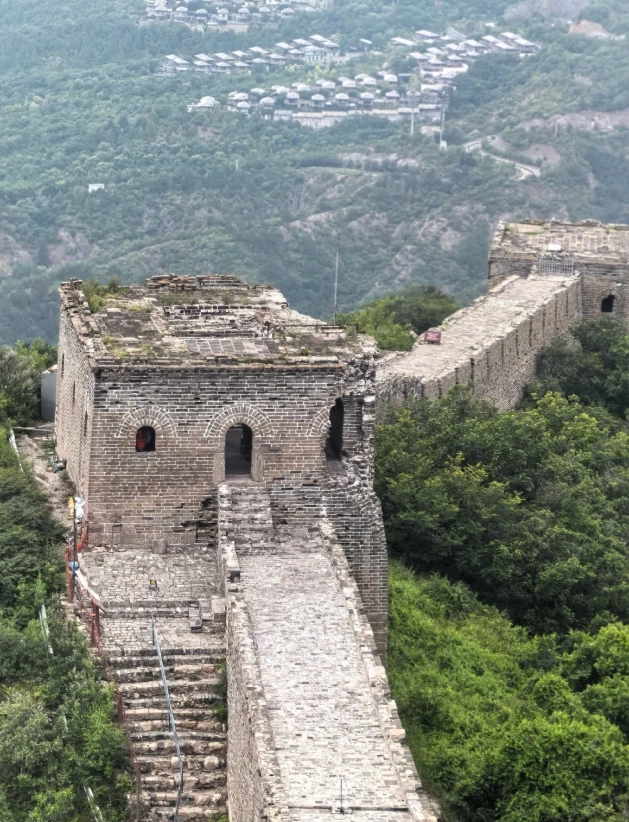
What to Bring
- Passport – required for entry and any booking pickup.
- Comfortable shoes – the surface is uneven stone, not perfectly flat.
- Water and snacks – food at the top is overpriced and mediocre.
- A VPN – many sites (including Google, Facebook) are blocked. Install a reliable VPN before you land, or you'll lose access to your maps and social media.
- Translation app – Baidu Translate or Apple Translate work offline. Most signs at Mutianyu have English, but vendors rarely speak it.
Common Mistakes to Avoid
I've witnessed these mistakes over and over. Save yourself the headache.
- Mistake #1: Going on a public holiday. The Great Wall on Chinese National Day (Oct 1-7) is a nightmare. Tickets sell out days in advance. If your trip overlaps, pick a less popular section like Mutianyu and go early.
- Mistake #2: Trusting taxi drivers at the train station. Some will offer to take you to “a secret section” for a high price. It's usually a scam. Stick to official tours or ride-hailing apps.
- Mistake #3: Wearing flip-flops. The stairs are steep and slippery. I've had to help tourists who twisted their ankles.
- Mistake #4: Ignoring the weather. Summer afternoons can hit 38°C (100°F) with intense sun. Winter is bone-chilling with wind. Check the forecast and dress in layers.
Frequently Asked Questions
Verified and fact-checked by the editorial team. This content has been fact-checked to ensure informational precision.





As two 65-year-old first-timers, we chose Badaling after lots of research and it was the right call. The cable car goes up smoothly, the ramps are even in most places, and the restored wall is wide enough to walk comfortably. We got there right at 7:30 before the buses arrived, so it wasn't crushingly crowded. The sheer scale of it made me tear up a little. Is Badaling the most authentic wild section? No. But for seniors or anyone with mobility worries, it's the accessible, bucket-list option. We absolutely loved it and would recommend it to anyone asking.
Mutianyu is definitely the section to pick on your first trip. I went with my husband and we were both impressed by how well-organised it was. The English signs, the clean cable car, the option to take a ski-lift or a cabin — it felt easy. We went at 8 in the morning and had stretches of the wall nearly to ourselves. The forest all around made it feel majestic. Nicest part? After the climb, that 1,000-metre toboggan ride down. I couldn't stop laughing. 10/10 would recommend.
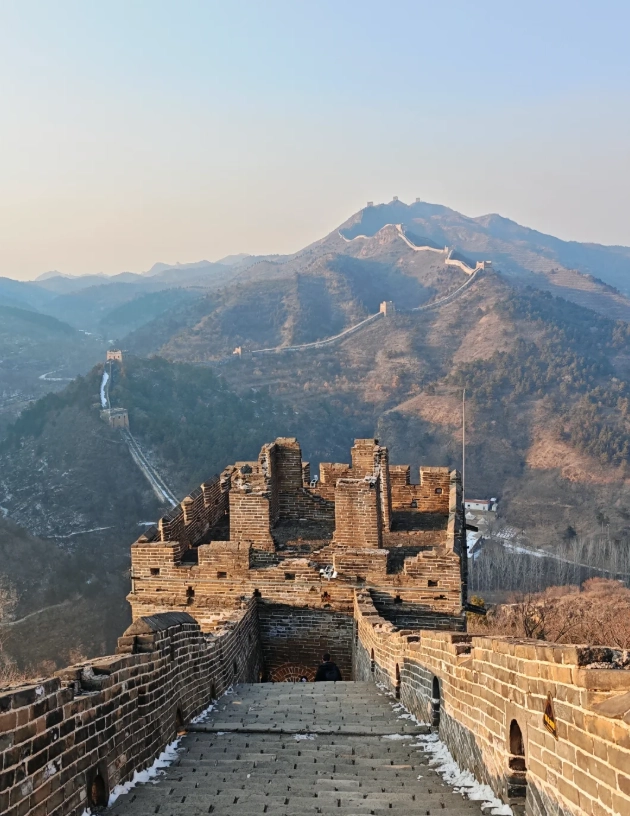
If you're a first-timer and can handle a little hiking, make the drive to Jinshanling. It's further than Badaling but worth every minute. We started at the west entrance and hiked to the eastern side, about 3 hours. The unrestored part has crumbling watchtowers and wild grass, and there were times we were completely alone on the wall. Standing on a thousand-year-old brick with the mountains stretching forever is exactly why I came to China. Our driver waited at the gate for us. Don't skip this when choosing which section.
Ended up going to Mutianyu based on a friend's advice and I'm happy we did. The wall snakes across the green hills and the watchtowers are so cool. We did the cable car up and then walked from tower 14 to 6 — that stretch wasn't busy and gave us proper time to sit and admire the views. The toboggan down was a hilarious bonus. Why not 5 stars? The shuttle from the parking lot to the entrance felt like a cattle sale, and the vendors near the cable car were aggressive. Otherwise, a great pick for first-timers.
First-time in Beijing and I chose Badaling because every hotel flyer said it's the easiest. Eh. It's convenient, yes, but the wall was shoulder-to-shoulder even on a Tuesday. My view mostly consisted of selfie sticks and tour group flags. The restored section is safe and smooth, but it's more like a theme park than a wonder. If you're in shape, pay extra to go to Mutianyu or Jinshanling. I'm glad I saw it, but I wouldn't call it the highlight.