 Hui Lin
Here is the catch — after a decade of guiding Europeans through China's visa maze, the 2026 policy finally brings some good news. No, there's no full visa waiver for Schengen passport holders yet (sorry). But the new digital application portal cuts weeks off the old paper nightmare. Let me walk you through exactly what changed, what stayed the same, and how to avoid the pitfalls I see every week.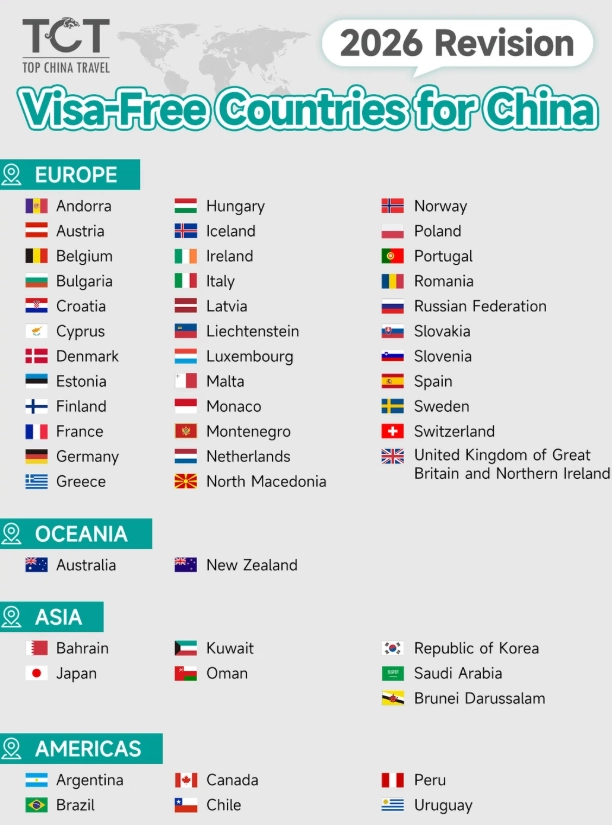
Current Visa Requirements for European Citizens (2026 Update)
Most European passport holders still need a visa before arrival. As of 2026, citizens of Schengen countries (France, Germany, Italy, Spain, etc.), the UK, Ireland, and most non-Schengen European states must obtain a visa in advance. The only exceptions are for citizens of a few countries like San Marino and Serbia? Not exactly — double-check the latest list on the Chinese embassy website. But here's the practical reality: 95% of my European clients need a visa.
| European Region | Visa Required 2026? | Important Notes |
|---|---|---|
| Schengen Area (26 countries) | Yes | Standard tourist visa (L) required |
| United Kingdom | Yes | Same process as Schengen |
| Ireland | Yes | No separate waiver |
| Eastern Europe (non-EU) | Yes, mostly | Check embassy for exceptions |
What About Visa-Free Transit?
Yes, the 144-hour transit policy is alive and often misunderstood. If you're flying from Europe to a third country (e.g., London to Bangkok via Beijing), you can stay in select cities for up to 144 hours without a visa. But it's only for certain airports and you must have a confirmed onward ticket. I've had guests show up at Shanghai Pudong thinking they could stay 6 days — they could, but only if they fly out to a different country, not back home. Read the fine print!
Step-by-Step: How to Apply for a China Visa from Europe
The process in 2026 is simpler but still requires careful preparation. Here's the exact workflow I recommend to my clients:
- Check your eligibility on the Chinese embassy website. Use the official site (www.visaforchina.org) — fake sites abound. Enter your nationality and travel purpose.
- Complete the online application form (COVA). The new 2026 system is fully digital. You'll fill in personal details, employment, travel itinerary, and accommodation. Pro tip: Save every 10 minutes — the session times out!
- Upload your documents. Passport copy, recent photo (48x33mm, white background), flight and hotel bookings, travel insurance. For Europeans, a scanned copy of your residence permit if you're not applying from your home country.
- Pay the visa fee. Currently around €80-€120 depending on nationality and processing speed. Payment via credit card or bank transfer.
- Attend the visa interview (if required). Some consulates random pick; not common for standard tourist visas but possible. Bring original documents.
- Receive your visa via courier or self-collection. Processing takes 4-7 business days standard, expedited 2-3 days for an extra fee.

I always tell my clients: do not book non-refundable flights until the visa is stamped in your passport. I've seen too many tears at the airport.
New 2026 Digital Visa Application Portal
The biggest change in 2026 is the centralized online portal for European citizens. Instead of mailing your passport to the embassy, you now upload everything and visit only once for biometrics. The portal (still called COVA but revamped) includes a checklist that actually catches missing documents. Finally.
Here's what's different:
- All European applicants can now use the same portal without being redirected.
- The system automatically suggests the correct visa type (L, M, Q, etc.) based on your answers.
- You can track your application status in real time.
- Payment integrated — no more bank slips.
One catch: The portal is in English and Chinese, but some error messages are only in Chinese. If you get a red warning you don't understand, screenshot it and ask a Chinese-speaking friend. Or send it to me — I've seen them all.
Visa-Free Transit and Regional Exemptions
Not all hope is lost for spontaneous trips. Here are the real visa-free options for European citizens in 2026:
| Policy | Duration | Conditions | Best for |
|---|---|---|---|
| 144-hour Transit | Up to 144 hours | Hold a ticket to a third country; enter via 37 ports (air, rail, sea) | Layover city trips |
| Hainan 30-day Visa-Free | Up to 30 days | Direct flight to Hainan from Europe; cannot leave island | Beach & tropical getaway |
| Guangxi/Guiyang 6-day | Up to 144 hours | Part of transit policy expansion | Karst landscape lovers |
| Shanghai Cruise Visa-Free | Up to 15 days | Arrive by cruise ship, travel in Shanghai | Cruise passengers |
Important note: These policies can change with little notice. Always verify on the National Immigration Administration website (www.nia.gov.cn) before you fly.
Common Mistakes European Travelers Make (Avoid These!)
After guiding thousands, here are the top blunders that ruin trips:
- Relying on Google Maps. It's blocked in China. Download Apple Maps or AMap Global before arrival. Write down addresses in Chinese to show taxi drivers.
- Not setting up Alipay with your foreign credit card. Cash is accepted but increasingly rare. International credit cards often fail at smaller shops. Do it before you come.
- Ignoring the Great Firewall. Install a reliable VPN on your phone and laptop. Without it, you can't access Gmail, Instagram, WhatsApp, or the very embassy site you need.
- Booking attractions without reservation. Forbidden City, Great Wall, Bund Observatory — all require advance bookings using your passport number. Use Trip.com (English interface) or ask your hotel concierge.
Last month a couple from Paris showed up at the Forbidden City without a reservation. We stood outside for 30 minutes while I called contacts — no luck. They had to visit a park instead. Don't be that couple.








I live in Berlin and have put off visiting China for years because of the visa nightmare. This article changed that. The downloadable checklist and the recommended order of documents made the whole process feel completely manageable. I actually highlighted the section about the updated bank statement rules—so helpful. I’ve already sent the link to three friends. If you’re hesitating, read this and book your application slot.
As someone finally planning the backpacking trip to China I’ve been dreaming about, this article was a lifesaver. I had no idea the new rules made it so straightforward for EU citizens—the part about applying for a 10-year tourist visa with multiple entries is exactly what I needed. The links to official registration sites worked perfectly, and the advice on which documents to print first saved me a nasty surprise at the visa centre. Massive thanks for putting this together.
This is by far the clearest article I’ve read on the China visa updates for 2026. The step-by-step application process is spot on and the tip about using the express service at the London consulate is absolutely brilliant. I followed the guide last Tuesday and had my visa in hand by Friday afternoon. Genuinely hassle-free. If you’re a European citizen planning to go, just use this page and you’re sorted.
Really well structured guide! I liked the summary table at the top and the detailed checklist at the end. The timeline for processing in Frankfurt was accurate based on my friend’s recent experience. Only reason I’m not giving 5 stars is that the section on biometrics was quite short—I had to call the consulate to find out if I could do it in a different EU country. Still, it saved me hours of scrolling through official pages.
The article gives a decent overview of the 2026 visa changes, but I found some of the details confusing. It says the six-month multiple entry is ‘expected’ but doesn’t clearly confirm it’s been fully implemented. I ended up cross-checking with the Chinese embassy site anyway. Also, calling it ‘hassle-free’ is a bit of a stretch—there’s still a pile of paperwork and proof of travel insurance. Not bad for a starting point, but I wish it were more precise.