.jpeg) Tariq Ma
Tariq Ma
Quick Guide
Let me be straight: Chengkan is one of the most underrated ancient villages in Anhui. While everyone flocks to Hongcun, I've been bringing my guests here for years, and they always tell me it felt more authentic. But only if you know how to visit without getting stuck in the midday chaos. Here's the real deal.
Getting to Chengkan from Huangshan
Most visitors start from Tunxi (Huangshan city center) or Huangshan North Station. Here's what works best:
- From Huangshan North Station: Take bus line 17 to Xiechuan stop (30 min), then switch to the village shuttle or a local taxi (15 min, about 30 yuan). Total ~1 hour.
- From Tunxi: Direct bus to Chengkan at the long-distance bus station (departs hourly, 1 hour, 15 yuan). I prefer taking a Didi — around 80-100 yuan, and it drops you right at the entrance.
- Self-drive: Free parking is available near the south gate, but spots fill by 10am. Arrive early.
One thing I always mention: the last bus back to Tunxi leaves at 5pm. If you stay for sunset, you'll need a taxi (around 100 yuan after bargaining).
Best Time to Visit Chengkan
Avoid 10am-2pm at all costs. That's when the tour buses roll in. I took a group there last April at 11am and we could barely move through the main lane. Go at 3pm — the light turns golden, the crowds thin, and you'll have the best photo spots almost to yourself.
Weather matters too. Rainy days? Actually great — the stone pathways shine, and you get those misty shots without the crowds. Just bring an umbrella.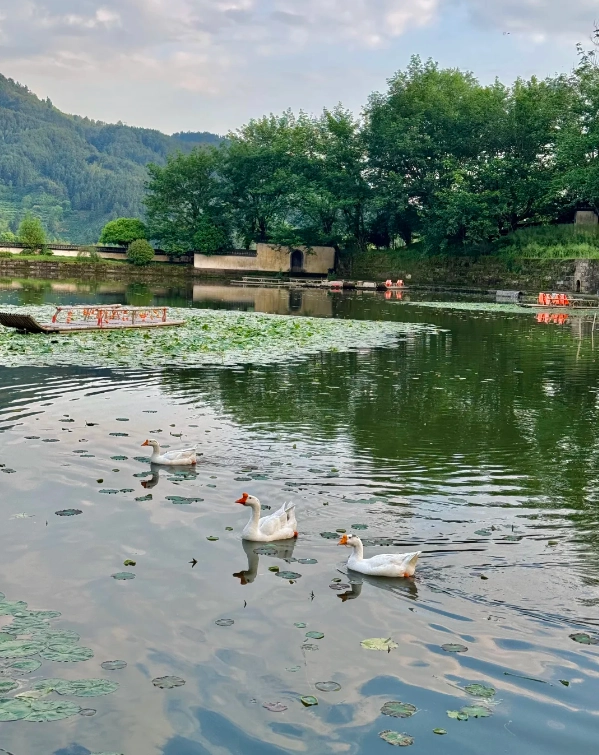
| Season | Pros | Cons | Best time of day |
|---|---|---|---|
| Spring (Mar-May) | Flowers, mild weather | Can be rainy, some weekends crowded | 3pm-5pm |
| Summer (Jun-Aug) | Lush greenery | Hot, humid, heavy rain | 4pm-5:30pm |
| Autumn (Sep-Nov) | Best weather, fewer crowds | Short days | All day, but 2pm-4pm for photos |
| Winter (Dec-Feb) | Dramatic mist, cheapest tickets | Cold, some facilities closed | 10am-3pm (to avoid early darkness) |
Tickets & Entry Details
Ticket price: 107 yuan for adults. Children under 1.2m are free, students get half price with valid ID. Seniors over 65 usually get a discount too.
You must book online via the official WeChat mini-program or platforms like Trip.com. Don't just show up — they often stop selling at-the-gate tickets when the village reaches capacity (especially on national holidays).
Opening hours: 8:00-17:00 (peak season), 8:30-16:30 (off-peak). Last entry is 30 minutes before closing, but they start shooing people out at 16:45. I learned this the hard way when I was taking photos inside a hall and got locked in briefly — yes, it happened.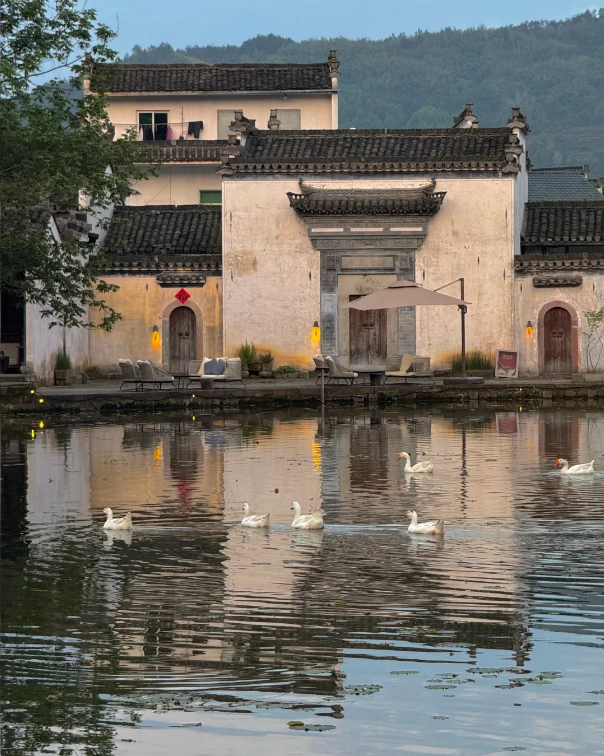
What to See Inside (and Where to Skip)
Chengkan is famous for its bagua (eight trigrams) layout. The main sights are:
- Luo Dongshu Ancestral Hall — the largest and most elaborate. Don't miss the intricate wood carvings on the beams.
- Changchun She — a community hall with a lovely courtyard. Most tourists rush past it, but I always sit there for 10 minutes to feel the quiet.
- The Water Mouth (Shuikou) — a pond near the entrance where villagers wash vegetables. Great for photos at golden hour.
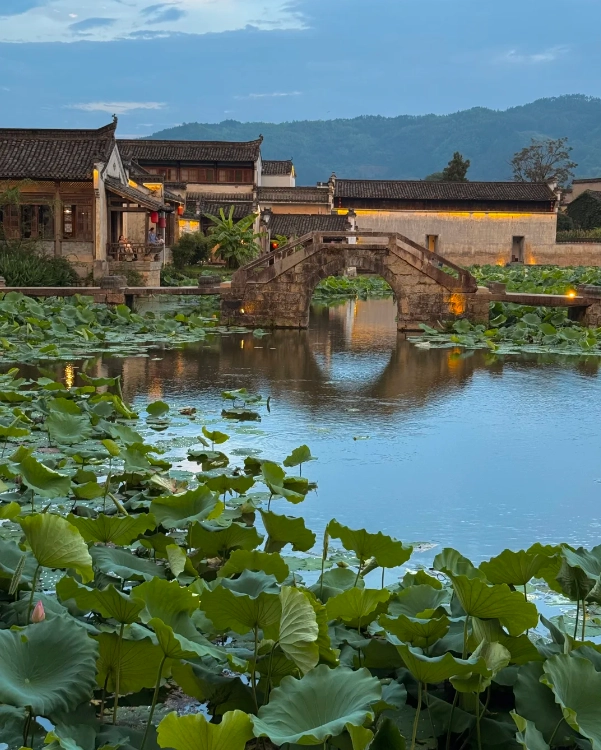
- Ring of Bridges — five stone bridges over the canal. The third one (from the south) has the best view of the village.
What to skip? The small exhibition halls inside some houses are often just souvenir shops dressed up. And the Wenfeng Pagoda is nice from outside, but climbing it costs extra and the view is blocked by trees.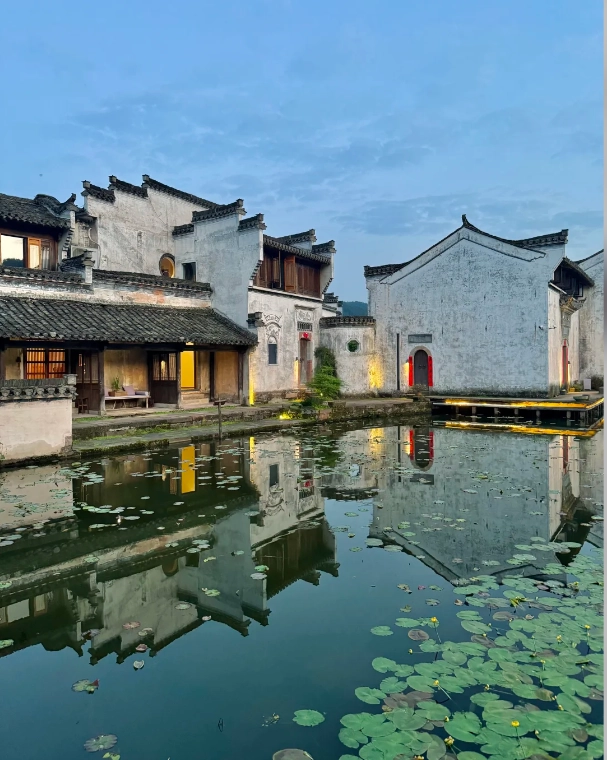
Insider Tips to Avoid Crowds & Regret
Here's what most guides won't tell you:
- Enter from the back gate. The main gate is where all tour groups start. Walk around to the northeast entrance (ask a local) and you'll be 30 minutes ahead of the crowd.
- Don't follow the big arrow signs. They lead you through a forced shopping arcade. Instead, wander into the small alleys — that's where the real village life is.
- Bring cash. The ticket machine might accept WeChat, but the old ladies selling snacks and the toilet attendant do not. I once had to pay 1 yuan for toilet paper with a 100 bill — she nearly refused.
- Wear comfortable shoes. The cobblestones are slippery when wet, and some steps are uneven. I've seen tourists twist ankles.
- Restrooms are near the ticket office and one inside near the ancestral hall. The one by the entrance is cleaner — the inside one gets smelly after noon.
Where to Eat & Stay
Eating
My go-to is "Chengkan Renjia", right on the main lane. Try their maodoufu (stinky tofu) — it's actually mild and crispy, not the pungent version you find in the city. The steamed river fish is also excellent. Price: about 60-80 yuan per person. No English menu, but they have pictures. Cash only. They're open 11:00-19:00, but last orders at 18:30.
If you want a snack, look for Zongzi (sticky rice dumplings) sold by an old lady near the back gate — she wraps them fresh. 5 yuan each, and she only takes cash.
Staying Overnight
There are about 10 guesthouses inside the village. The one I recommend: "Yinju Chengkan"— a renovated Ming dynasty home. Rooms from 250 yuan (off-peak) to 600 yuan (holidays). Pros: very quiet at night, authentic atmosphere. Cons: thin walls, no elevator (stairs are steep), and Wi-Fi is patchy. For a comfier stay, head back to Tunxi — there are international hotels like Holiday Inn Express (from 350 yuan).
If you choose to stay in the village, remember: no standard heating in winter — they use electric blankets, which work but the rooms can be chilly. Bring warm pajamas.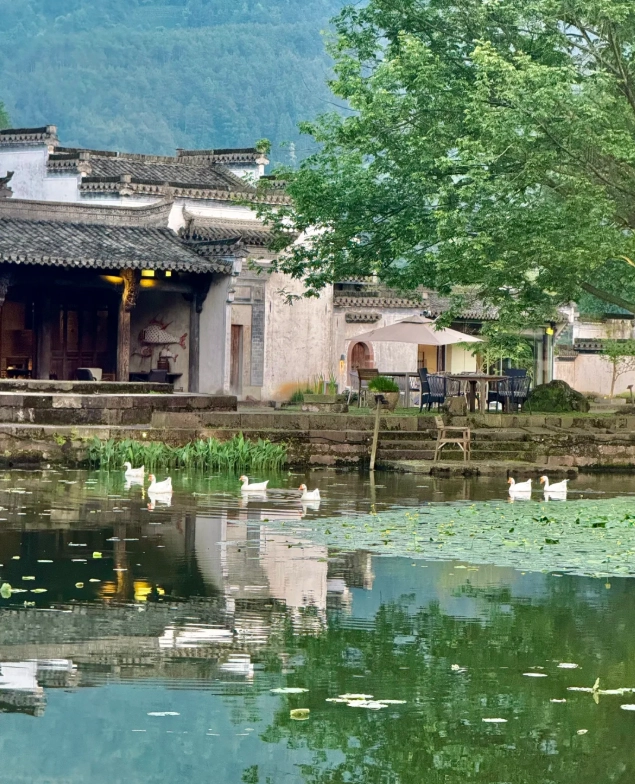
Frequently Asked Questions
Verified and fact-checked by the editorial team.





No comments yet.