 Hui Lin
What You'll Find Here
I've been guiding tours in the Huizhou region for over eight years, and Chengkan Ancient Village is one of my personal favorites. Unlike its more famous neighbors Hongcun and Xidi, Chengkan offers a quieter, more authentic slice of Ming and Qing dynasty life. But is it worth your time? Let me break it down with the kind of details only a local guide would know.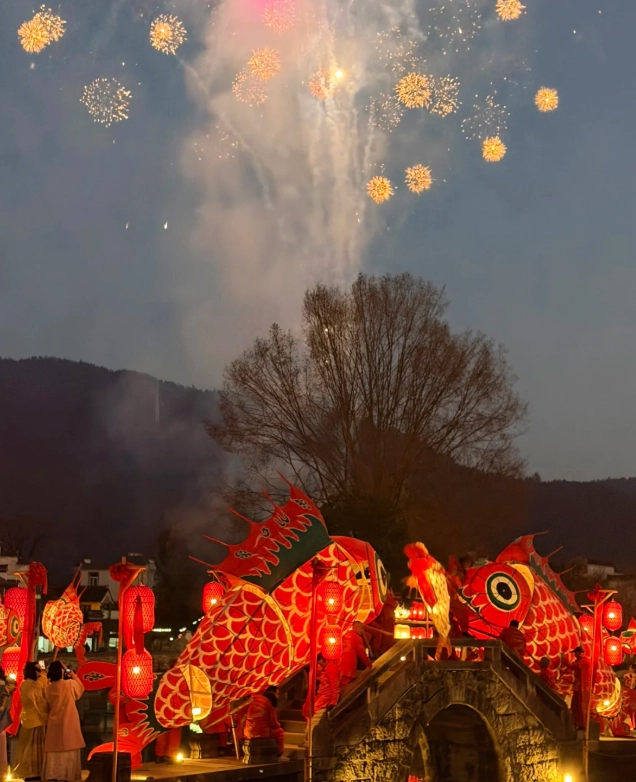
What Exactly Is Chengkan Ancient Village?
Chengkan (also spelled Chengkan or Cheng Kan) is a 1,800-year-old village in Huizhou district, Huangshan city, Anhui province. It's known for its unique Bagua (Eight Trigrams) layout, designed according to Feng Shui principles. The village is crisscrossed by narrow lanes, flowing water channels, and dotted with ancestral halls, stone bridges, and ancient residences. Address: Chengkan Village, Huizhou District, Huangshan City, Anhui Province. Coordinates: 29.8765° N, 118.2987° E.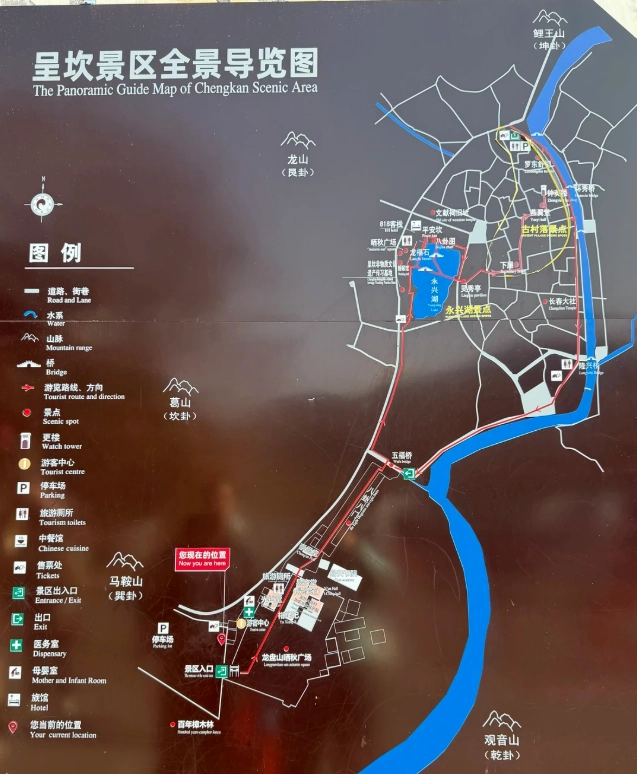
How Does Chengkan Compare to Hongcun and Xidi?
You've probably heard of Hongcun (the Crouching Tiger, Hidden Dragon village) and Xidi (a UNESCO World Heritage site). Both are stunning, but they're also packed with tourists. Chengkan, on the other hand, sees a fraction of the crowds. I've been there on a weekday in May and had entire lanes to myself. Here's a quick comparison:
| Feature | Chengkan | Hongcun | Xidi |
|---|---|---|---|
| Crowd level | Low to moderate | Very high | High |
| Entry fee (adult) | 80 RMB (15 RMB discount for students) | 94 RMB | 104 RMB |
| Authenticity | 98% original, few shops | 50% tourist shops | 60% tourist shops |
| Photography | Excellent, few people | Good but crowded | Good but crowded |
| Time needed | 2-3 hours | 3-4 hours | 2-3 hours |
If you're looking for the classic postcard shot of Hongcun's moon pond, go to Hongcun. But if you want to wander without dodging selfie sticks, Chengkan is your place.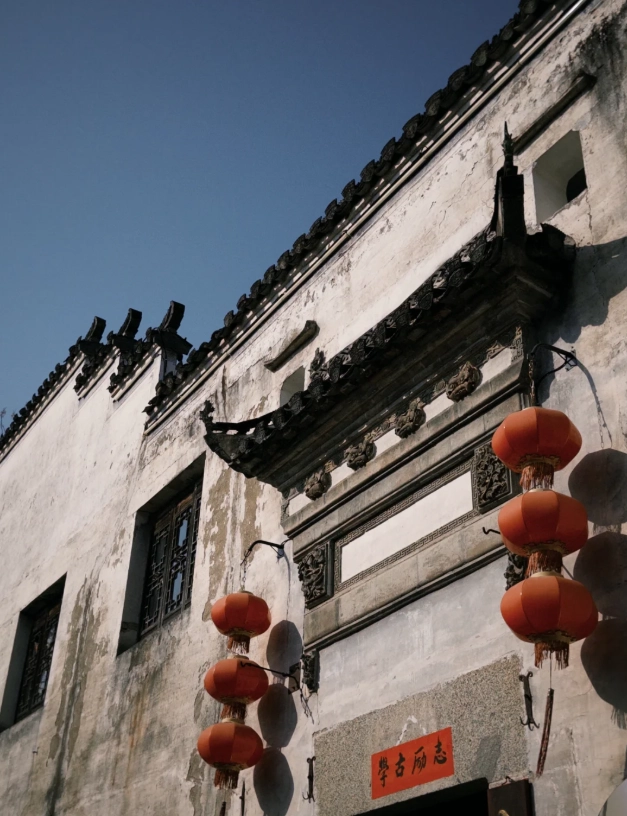
Ticket Prices and Opening Hours
Ticket Price: 80 RMB for adults (as of my last visit). Children under 1.2m (4ft) are free. Students with valid ID get a 50% discount. Seniors over 65 also get discounts – bring your passport. Note: You can buy tickets at the gate, but there's also an official WeChat mini-program for booking. I recommend booking online during Chinese holidays to skip the line. Opening Hours: 8:00 AM – 5:30 PM (last entry at 5:00 PM). The village is open year-round, but some halls may close on rainy days for preservation.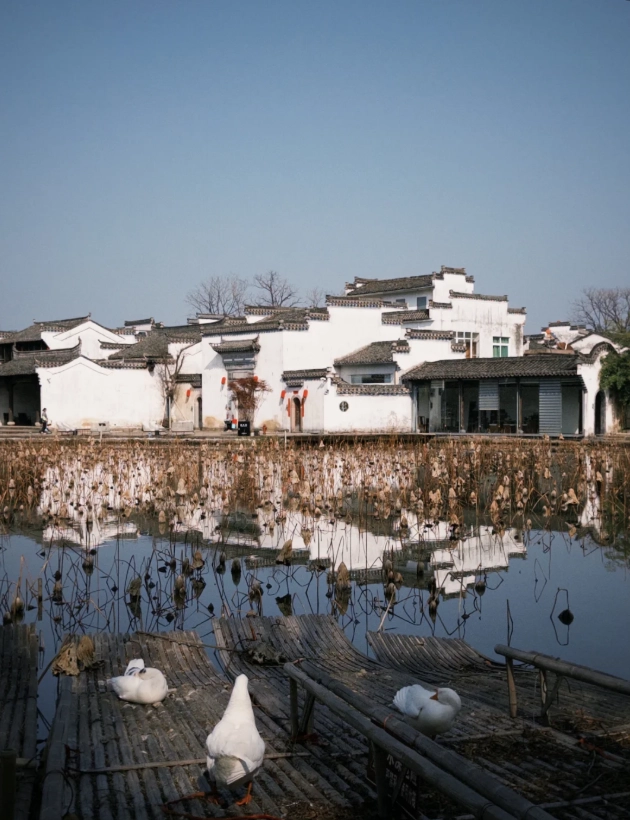
How to Get to Chengkan Ancient Village
From Huangshan North Station (high-speed rail): Take bus route 232 to Huizhou District (about 40 minutes, 5 RMB). Get off at the Chengkan stop, then walk 10 minutes west. Alternatively, take a taxi or Didi for about 100 RMB (30 minutes). From Huangshan Tunxi Airport: No direct bus. Take a taxi for about 150 RMB (40 minutes). From Hongcun/Xidi: There's a direct tourist bus during peak season (1 hour, 20 RMB). Otherwise, hire a driver. Pro tip: The road to Chengkan has a short unpaved section – not a problem for cars, but if you're cycling, watch for potholes.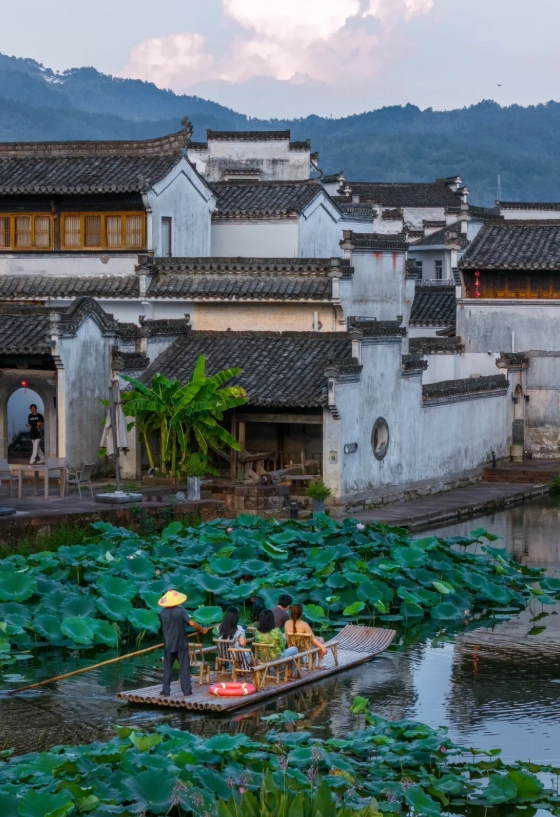
What to See and Do in Chengkan
Don't just wander aimlessly. Here are the must-see spots, in order:
1. Baolun Pavilion (Baolun Ge)
The highlight of Chengkan. This 3-story ancestral hall from the Ming dynasty features exquisite wood carvings, stone lion pillars, and an incredible painted ceiling. The colors are still vivid after 500 years. Tip: Look for the 'hundred birds worshipping the phoenix' carving – it's easy to miss.
2. The Water System
Chengkan's ancient water system is a marvel. Stone channels run through every street, bringing water from the nearby mountains. I've watched locals wash vegetables and clothes in these streams – it's a living tradition.
3. Bagua Lane Maze
The village is laid out like the Eight Trigrams. You'll quickly get lost – that's the charm. My advice: follow the water channels downhill to find your way back to the main entrance.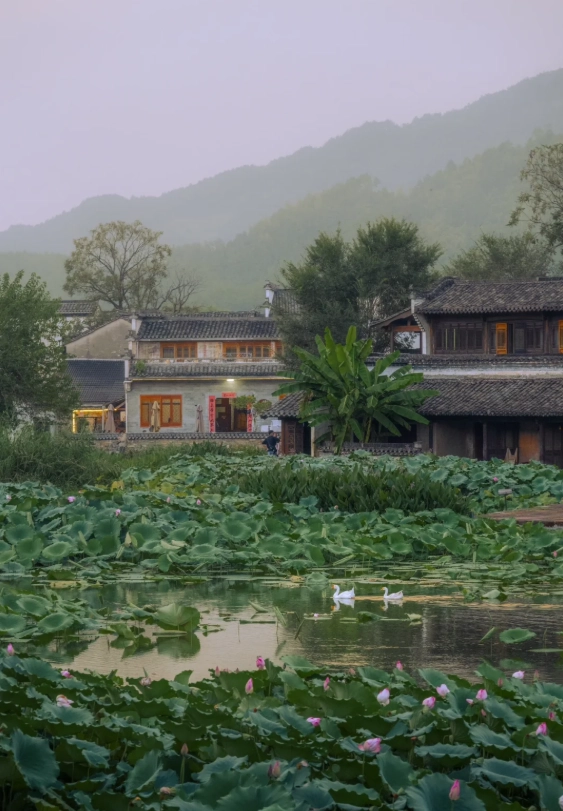
4. Zhu Ancestral Hall
Less crowded than Baolun, but equally impressive. The stone carvings of dragons and phoenixes are worth a close look.
5. Old Street ( Main Street )
This short street has a few shops selling local snacks and souvenirs. Try the huizhou tea cakes (sweet and savory) – they're made with green tea powder.
Best Photo Spots and Timing
Golden hour: 8–10 AM or 4–5 PM. The light hits the white walls and black tiles perfectly. At noon, the shadows are harsh and the light is flat. I always tell my guests: arrive at 3:30 PM, explore for an hour, then catch the sunset light at the main entrance bridge. Best spots: the reflection pond near Baolun Pavilion, the stone bridge at the south entrance, and any alley with a view of the distant mountains.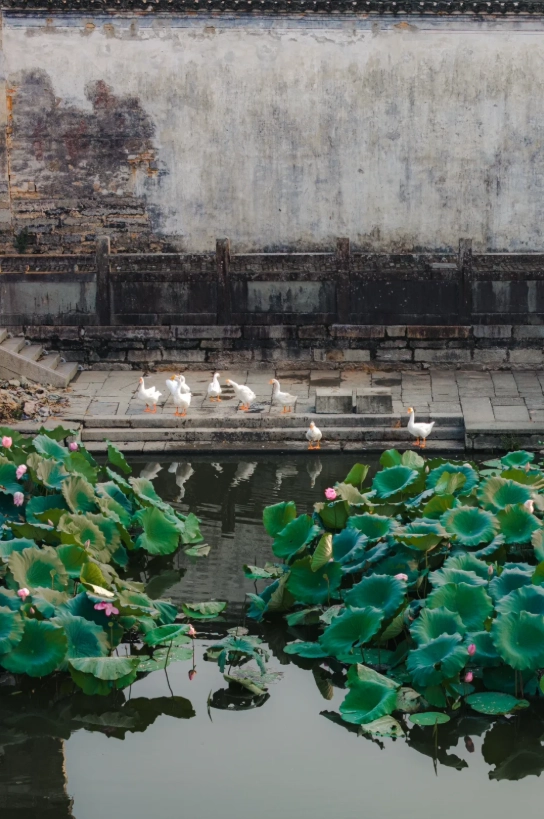
Where to Stay and Eat Near Chengkan
Accommodation: You can stay inside the village at Chengkan Boutique Hotel (about 400–600 RMB/night, traditional courtyard rooms). It's quiet but basic – no elevator, spotty WiFi. For more comfort, stay in Huangshan City (20 minutes away) at Huangshan International Hotel (from 300 RMB, great WiFi, English-speaking front desk). Food: Inside the village, Old Huizhou Restaurant serves authentic Huizhou cuisine. I always order the stinky mandarin fish (fermented fish – it's an acquired taste but a must-try) and Huizhou braised pork. Expect to pay 30–50 RMB per person. They have picture menus, no English but you can point. Pay by WeChat or cash – no international credit cards. Outside the village, Mingyue Restaurant near the parking lot has better English menus and accepts Alipay.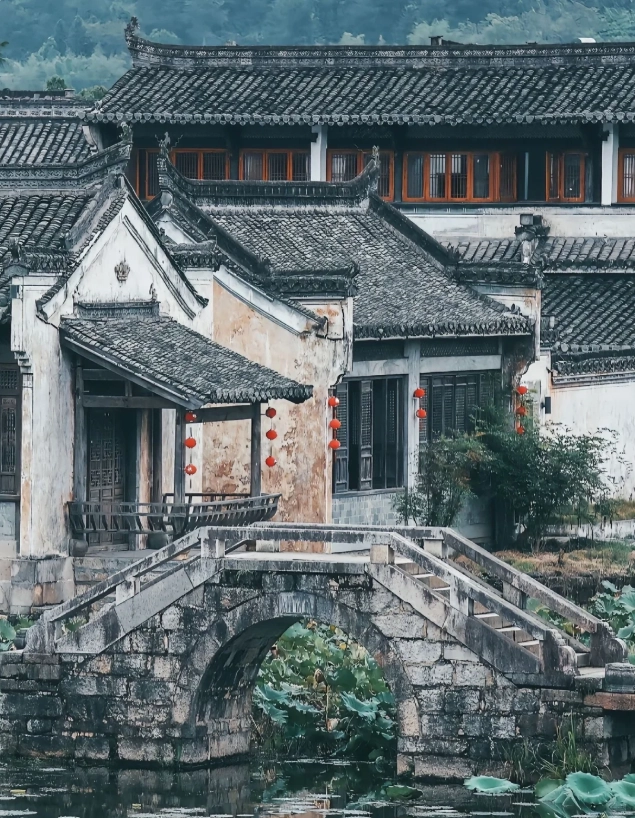





This village stole my heart. I've visited a dozen ancient towns in China, and Chengkan has the most serene atmosphere. The water system running through the houses is fascinating – you can hear it trickling everywhere. I sat by the main pond for an hour just watching the reflection of the white walls change with the clouds. No loud music, no tacky light shows. Pure, peaceful, and photogenic. If you appreciate slow travel, this is the place.
Brought my family here during the Golden Week and expected chaos, but it was surprisingly not too crowded. The kids loved running through the narrow lanes and spotting the stone lions. We spent a good 3 hours wandering, then had a simple lunch at a family-run restaurant – the bamboo shoots and river fish were fresh and cheap. The whole vibe is very authentic, not overly commercialized like some other ancient towns. Highly recommend for a half-day trip!
Meh. Honestly I don't get the hype. Yes, the old buildings are nice, but the village felt like one giant souvenir shop with vendors chasing you every two steps. The ticket price is steep for what you actually get – 107 yuan seemed too much. I also got lost and there were no clear maps. The highlight was accidentally finding a quiet corner with an old lady making tofu, but that's about it. Would skip and go to Xidi instead.
Great place if you're into authentic Chinese history and feng shui. We hired a local guide at the entrance for a very reasonable price, and she explained the village's 2000-year-old layout based on the Eight Trigrams. The ancestral halls and the stone carvings are top-notch. Only reason I'm not giving a 5 is that the public restrooms were a bit dirty, and the signage could be better. Still, definitely worth a detour from Huangshan.
Absolutely fell in love with Chengkan! The layout of the village is like a living maze, and the ancient Huizhou architecture is incredibly well-preserved. I arrived early in the morning before the tour groups came – the mist over the ponds and the quiet alleyways made it feel like stepping back in time. The locals were friendly, and I got some stunning photos of the reflection pools. A hidden gem that deserves way more attention than Hongcun!