 Chen Liu
Quick Navigation
I've guided countless travelers through the narrow lanes of Tunxi Ancient Street, and I can tell you – this place is nothing like the tourist traps you might fear. It's a living, breathing slice of Ming and Qing dynasty architecture, tucked along the Xin'an River in Huangshan city. If you're heading to climb the Yellow Mountains, skipping Tunxi is like eating a burger without the patty. Let me walk you through everything I've learned from years of bringing groups here.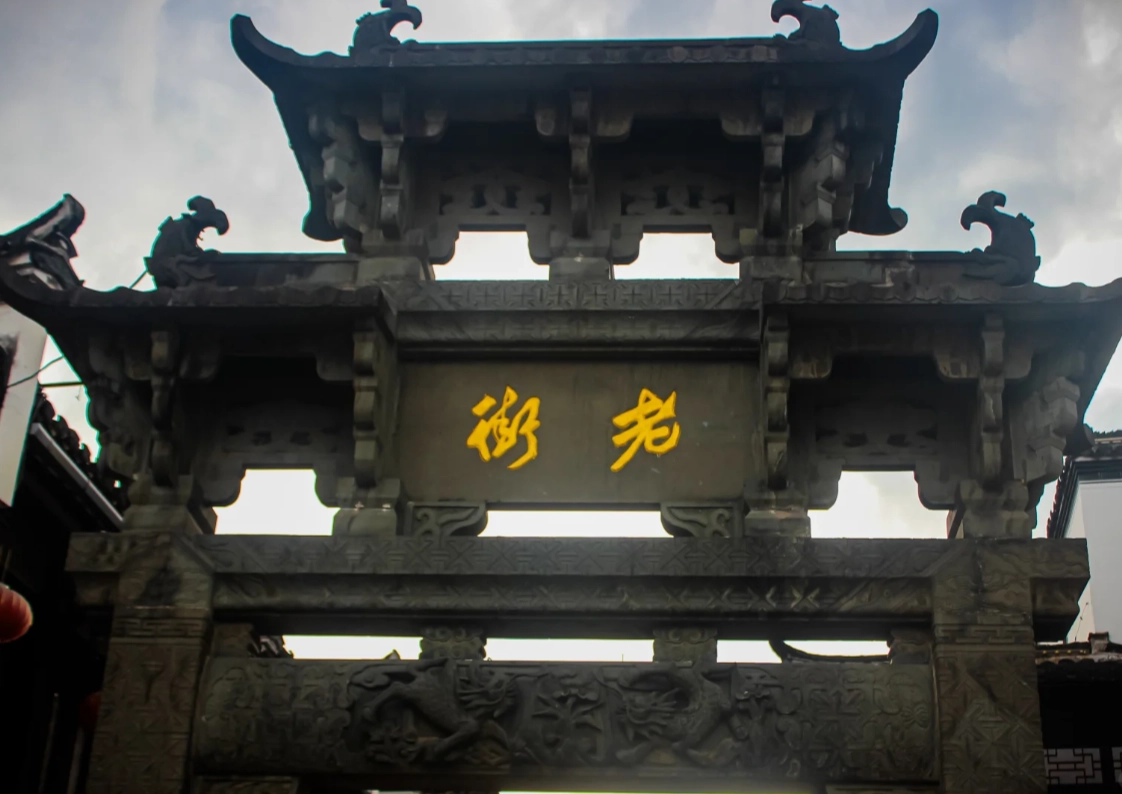
Why Visit Tunxi Ancient Street?
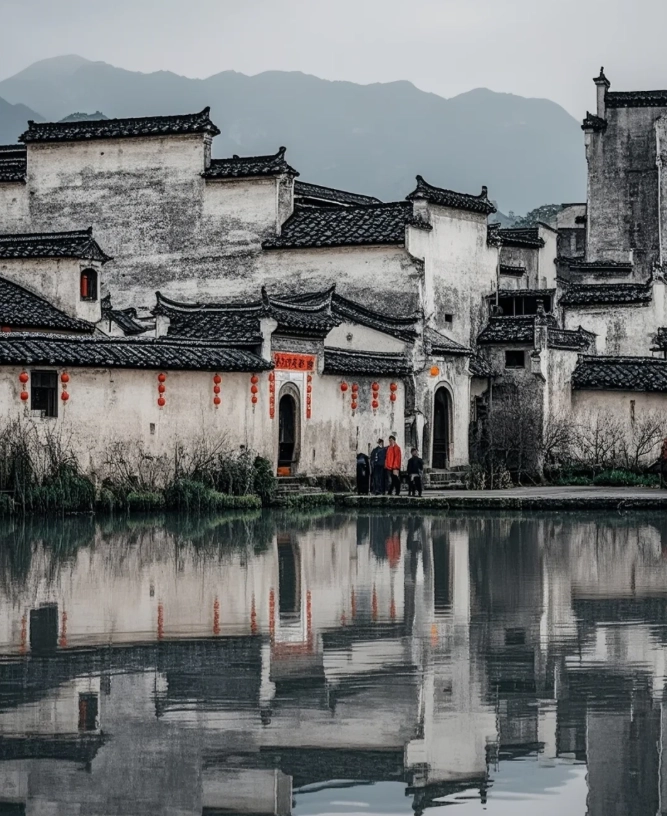
Most people rush straight to Huangshan Scenic Area, but Tunxi offers something you won't find atop a mountain: everyday Huizhou culture. The street stretches about 1.5 kilometers, lined with original stone-paved paths, whitewashed walls, and horse-head eaves. Unlike many "ancient streets" in China that have been Disneyfied, Tunxi still has real families living above the shops. The vibe shifts dramatically from morning (locals bargaining for vegetables) to evening (soft lantern glow and street food smoke).
Where Is Tunxi Ancient Street and How to Get There
Address: Tunxi District, Huangshan City, Anhui Province. If you're coming from Huangshan North Station (high-speed rail), it's about 30 minutes by taxi (around 40 RMB) or bus route 21 (get off at Er Ma Lu stop, then walk east 5 minutes). From the airport, a taxi costs around 50 RMB and takes 20 minutes. The street is open 24/7 as a pedestrian zone, but individual shops typically open 9:00 AM – 9:00 PM (some close earlier in winter).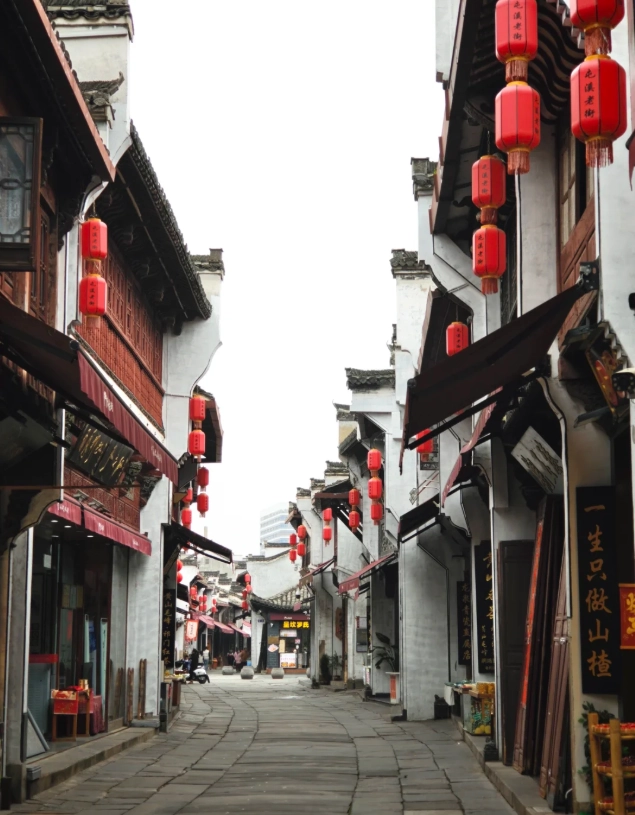
What to See and Do on Tunxi Ancient Street
The Best Photo Spots
Don't just snap the main entrance. Walk to the middle of the street where a small bridge crosses a canal – from there, you can frame the classic Huizhou silhouette against the sky. The old pharmacy (Tongshoutang) has a beautifully preserved wooden counter and herb drawers; the owners are used to photographers. Heads up: the sun sets behind the western end of the street, so if you want lit-up eaves, shoot eastward after 5 PM.
Shopping Tips
Tunxi is famous for ink brushes and tea (especially Huangshan Maofeng green tea). But beware: many "antique" shops sell factory-made reproductions. Only buy from stores that let you test the brush with water. I recommend Yang's Brush Shop (third alley on the right) – the owner's family has been making brushes for four generations. For tea, avoid the pre-packaged tins; instead, go to a tea house like Tea Talk where they let you sample before buying. Prices: local tea can range from 50 RMB for daily drink to over 1000 for premium leaves.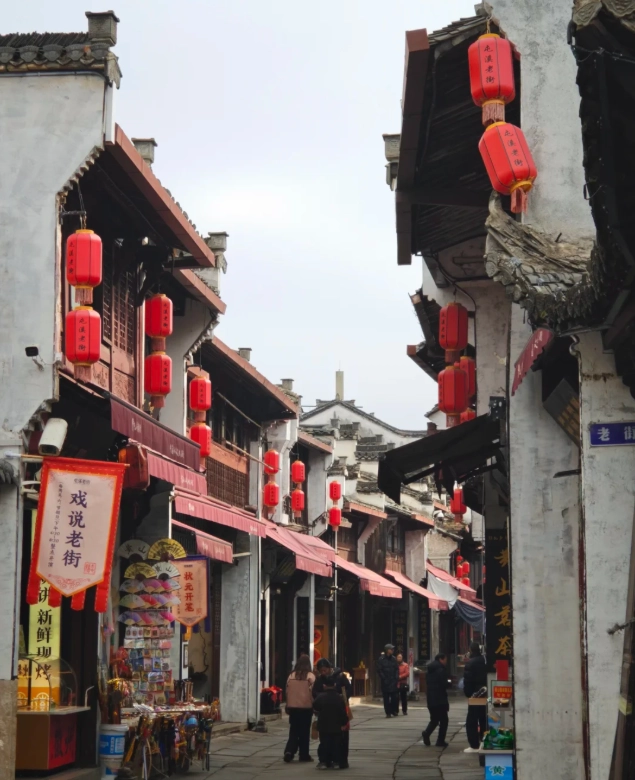
| Item | Where to Buy | Price Range (RMB) | Beware |
|---|---|---|---|
| Huizhou ink brushes | Yang's Brush Shop | 80–300 | Fakes often have synthetic bristles |
| Huangshan Maofeng tea | Tea Talk | 100–800 | Supermarket packs may be stale |
| Bamboo carvings | Lao Chen's Workshop | 50–200 | Mass-produced souvenirs lack detail |
Where to Eat and What to Try
You can't leave without trying stinky mandarin fish (chou guiyu) – it's an acquired taste, but the fermented flavor pairs brilliantly with rice. My go-to is Yihuang Restaurant (address: No. 268 Tunxi Old Street, right at the eastern gate). Google Maps rating: 4.3. They serve a fish that's not overly salty, braised in soy and chilies. Price: around 120 RMB for the fish (feeds two). If you're vegetarian, order mao doufu (hairy tofu) – it's fried until crispy outside, soft inside. Note: Yihuang gets packed at 7 PM; expect a 20-minute wait. They accept Alipay, WeChat, and cash but no credit cards. If you need an English menu, point at the pictures on the wall – they have large photos.
For a quick snack, grab a Huizhou baked cake (huizhou shao bing) from the stall next to the old well. It's stuffed with pork and green onions, baked in a clay oven – 5 RMB each. Perfect for breakfast.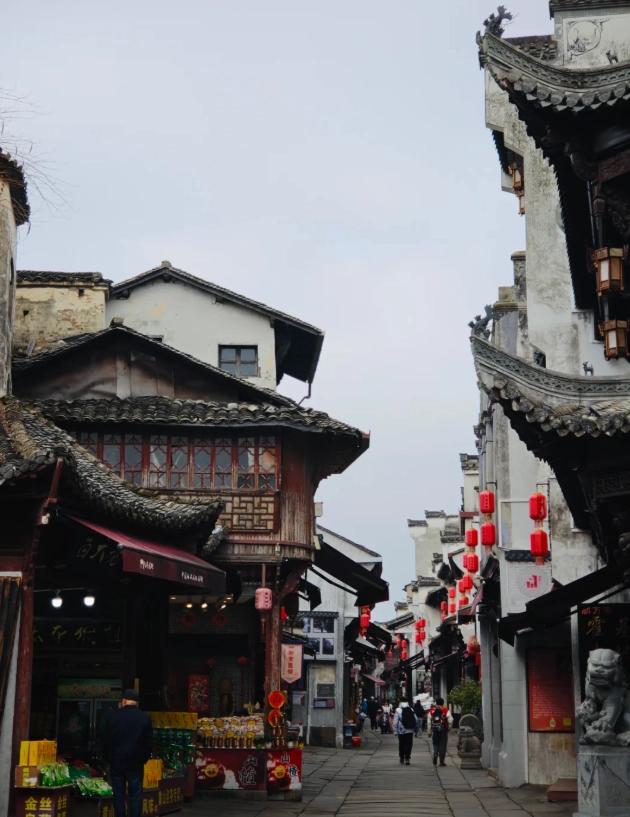
Where to Stay Near Tunxi Ancient Street
If you want convenience, stay inside the ancient street area. Shui Mo Inn (No. 33 South Street) is a converted Ming-era residence with wooden floors and courtyard. Rates: 300–500 RMB in shoulder season, up to 800 during Chinese holidays. Free WiFi (stable in lobby, spotty in rooms), no elevator (stairs only), and the front desk speaks basic English. For budget travelers, Huangshan International Youth Hostel (500 meters north of the street) has dorm beds from 60 RMB. I've sent many solo backpackers there – clean and social. Downside: thin walls, so pack earplugs.
Practical Tips for Your Visit
- Best time of year: April–June and September–November. Summers are hot and humid; winter can be chilly but less crowded.
- Tickets: Walking the street itself is free. A few small museums (like the Huizhou Inkstone Museum) charge 20–30 RMB.
- Toilet: The public restroom near the center is usually clean, but it gets busy after lunch. I tell my group to go before arriving.
- Payment: Cash is king. Many small stalls only take WeChat or cash. Carry small bills.
- Accessibility: The street is mostly flat but has uneven stone surfaces. Wheelchairs can pass with difficulty; there are no ramps.
Frequently Asked Questions about Tunxi Ancient Street
Verified and fact-checked by the editorial team.
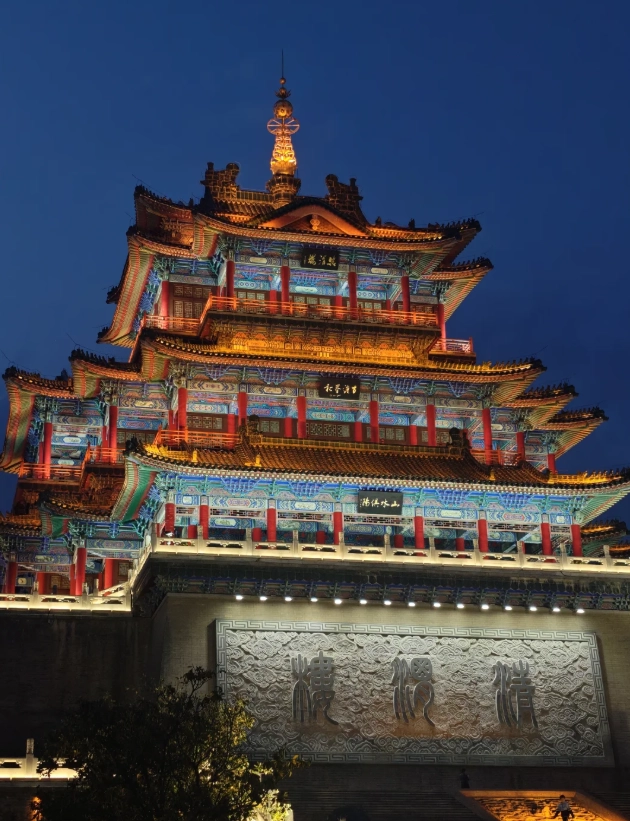
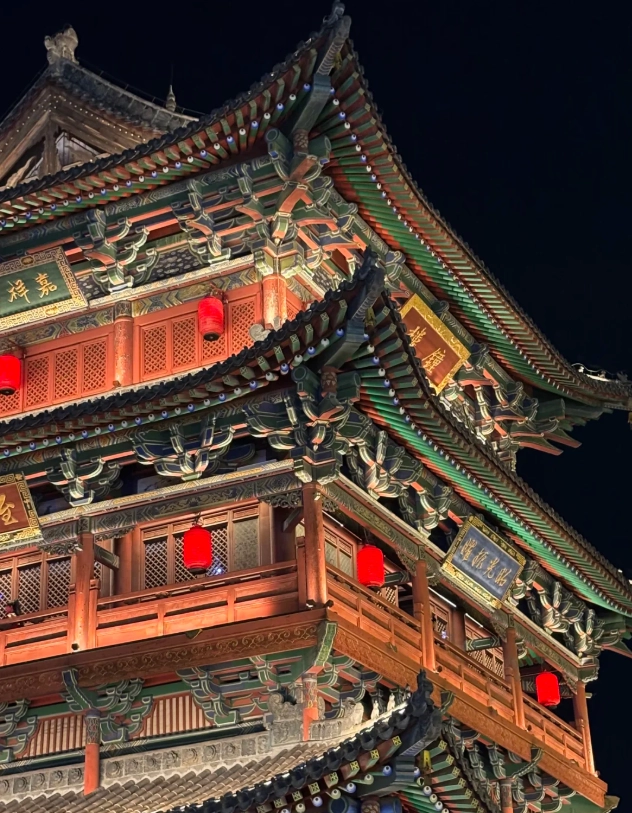
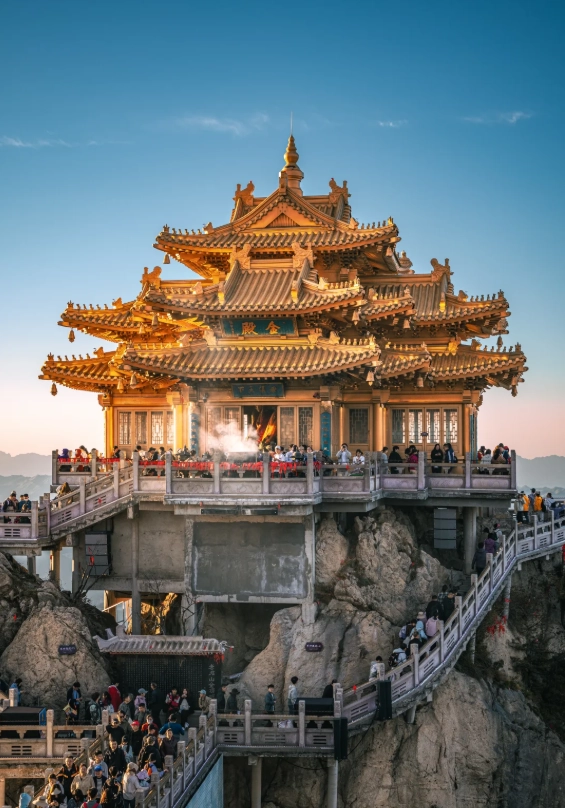





Hands down the best ancient street I've visited in China. It's lively without being tacky—local artists selling calligraphy, a teahouse with a view of the Xin'an River, and the most incredible walnut cookies fresh from a wood-fired oven. I went back three times in two days. If you're in Huangshan, do not skip this. 10/10 would recommend going right before sunset.
A lovely stroll through history! The preserved Ming and Qing dynasty buildings are stunning, and there's a tiny workshop where an old man demonstrates hand-pounding sesame candy—I bought three bags. The only downside was the lack of English signs on some food items; I accidentally ordered a spicy soup thinking it was sweet. Overall a charming place, just wish there were more benches to sit and rest.
Honestly, I was a bit let down. The street looks pretty in pictures but it's super crowded during peak hours (weekends and holidays) and most shops sell the same cheap trinkets. I did enjoy the traditional medicine museum tucked away in a side alley, but the constant honking of electric scooters ruined the vibe. Worth a quick walk, but don't plan more than an hour here.
Came here on a rainy weekday morning and it was almost empty—perfect for photos. The stone alleys get slippery though, so watch your step. Bought some hand-painted fans and a local inkstone as souvenirs; the shop owners were friendly but not pushy. Only gripe: the coffee shop at the west end charged tourist prices for a mediocre latte. Still, a solid 5 for atmosphere.
Tunxi Ancient Street is absolutely gorgeous at night—the lanterns, the old brick buildings, and the Huizhou architecture make you feel like you've stepped back in time. I loved the smell of wild tea and bamboo steamers from the street stalls. Make sure to try the stinky tofu from Auntie Li's cart near the east gate; it's life-changing. Definitely the highlight of my Huangshan trip!