 Ting Chen
Quick Guide — What’s Inside
You've booked your flights, packed your camera, and you're ready to capture the iconic peaks of Mount Siguniang. But here's the truth: most tourists end up with the same postcard shots—crowded, flat, and taken in harsh midday light. I've been guiding photographers here for six years, and I've seen too many people miss the real magic. Let me save you the trouble.
After dozens of trips, I've dialed in the exact spots, times, and tricks that turn a good photo into a jaw-dropping one. Forget the generic blog advice. Below is everything I wish someone had told me before my first shoot.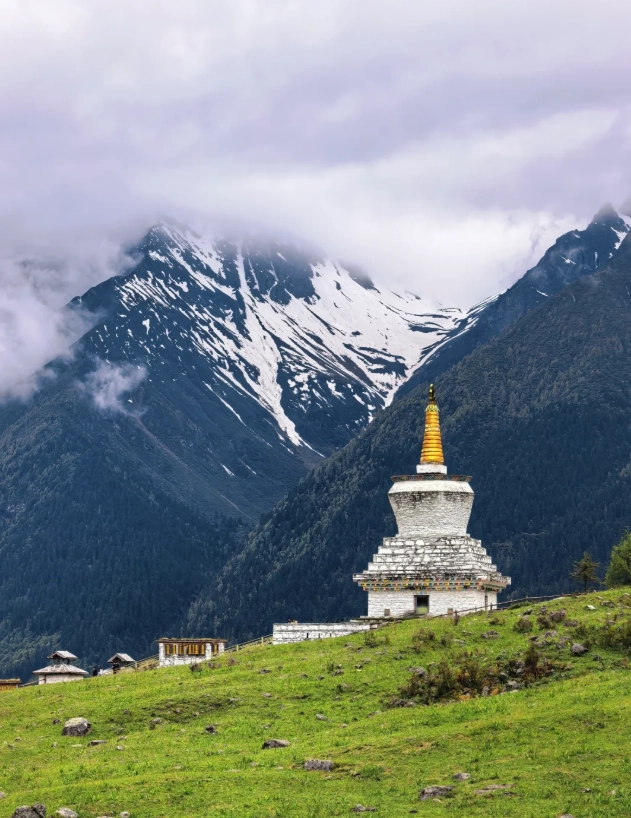
The Best Photography Spots in Mount Siguniang
The park has four main valleys: Changping, Shuangqiao, Haizi, and Bipeng (technically a separate scenic area). Each offers different perspectives. Here are the top locations I use for my clients:
| Spot | Valley | Best Time | Entry Fee (Adult) | Transport | Pro Tip |
|---|---|---|---|---|---|
| Goxi Beach (Gouxi) | Shuangqiao | Sunrise (7–8 AM) | 150 CNY | Shuttle bus to last stop | Get off at the final stop and walk 200m upstream. The reflection is insane. |
| Rilong Ridge | Changping | Golden hour (5–6 PM) | 70 CNY | Hike 40 min from the entrance | The ridge offers a sweeping view of the four peaks. Bring a telephoto. |
| Huahai (Flower Sea) | Haizi | Late morning (9–11 AM) | 60 CNY | Horse trek 2 hours | June–July wildflowers in foreground. Use a polarizer. |
| Yinjian Peak Viewpoint | Shuangqiao | Afternoon (2–4 PM) | Included in 150 CNY | Shuttle bus stop 3 | Clouds often clear by 2 PM. Best for dramatic mountain portraits. |
Note: All fees are for 2025 and must be paid via WeChat or Alipay. Cash is not accepted at the ticket windows. Your hotel concierge can help you set up payment if you're a foreigner.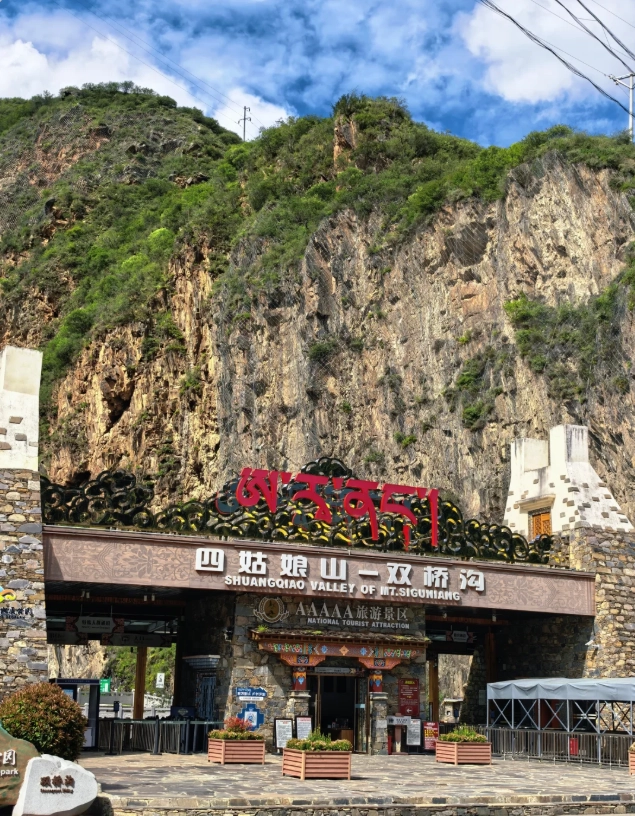
When to Shoot: Golden Hours & Seasonal Tips
I always tell my groups: the first and last two hours of daylight are non-negotiable. But there's a catch—clouds often roll in by mid-morning. Here's my seasonal breakdown:
- Spring (Apr–May): Unstable weather. Wait for a clear forecast. Best light is 6:30–8 AM. Snow still on peaks.
- Summer (Jun–Aug): Green meadows, but frequent afternoon rain. Shoot early. Sunset is around 8 PM, but clouds block it 4 out of 7 days.
- Autumn (Sep–Oct): The golden season. Peaks are crisp, foliage turns red. Sunrise at 7 AM, sunset at 6:30 PM. Book accommodations a month ahead.
- Winter (Nov–Mar): Bitter cold (−15°C), but unbelievable clarity. Sunrise at 8 AM, sunset at 5:30 PM. Fewer tourists. Bring extra batteries.
How to Avoid Crowds & Get Unique Angles
Chinese domestic tourism is massive. On a holiday weekend, the shuttle bus queue can be 90 minutes. Here's how I dodge the masses:
- Skip the first shuttle: Everyone rushes for the 7 AM bus. I enter at 8 AM—the bottleneck clears after 30 minutes.
- Walk against the flow: In Shuangqiao Valley, most tourists ride to the far end and slowly work back. I do the opposite: hike 2 km from the entrance toward the first stop. This area is empty until 10 AM.
- Use the back trail: There's a little-known path behind the Rilong Ridge ticket booth (ask for the 'mountain worship trail'). It adds 20 minutes but gives you a forest-frame view of the peaks that 99% of visitors miss.
And please—avoid Chinese national holidays (first week of May, first week of October, and Chinese New Year). Those periods are a photographer's nightmare.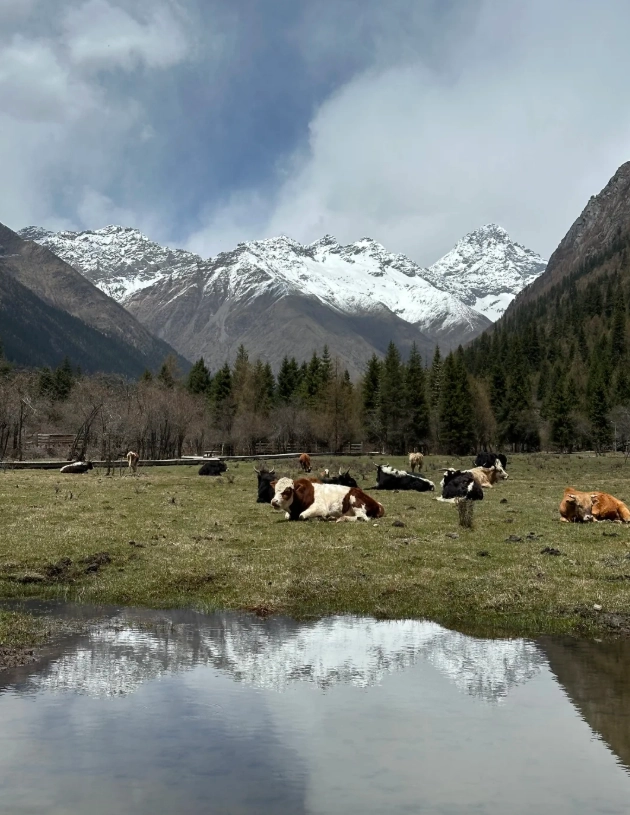
Essential Gear and Permits for Photographers
Here's what I carry on every shoot:
| Item | Why | Rental Available? |
|---|---|---|
| Wide-angle lens (16-35mm) | Captures the scale of valleys | Yes, at Rilong town camera shop |
| Telephoto (70-200mm) | Compresses distant peaks | No |
| Polarizer filter | Reduces glare from snow and water | No |
| ND filter (6-stop) | Smoothes waterfalls | No |
| Spare batteries (3+) | Cold drains them fast | No |
| Tripod | Essential for sunrise and long exposures | Yes |
Permits: No special photography permit is needed for personal use. If you're doing commercial work (e.g., selling prints), you need a permit from the scenic area management office (located at the east gate). It costs 500 CNY per day—apply a week in advance via their official WeChat account. Even then, they might say no. I've had better luck simply saying 'I'm a hobbyist' and not setting up obvious studio gear.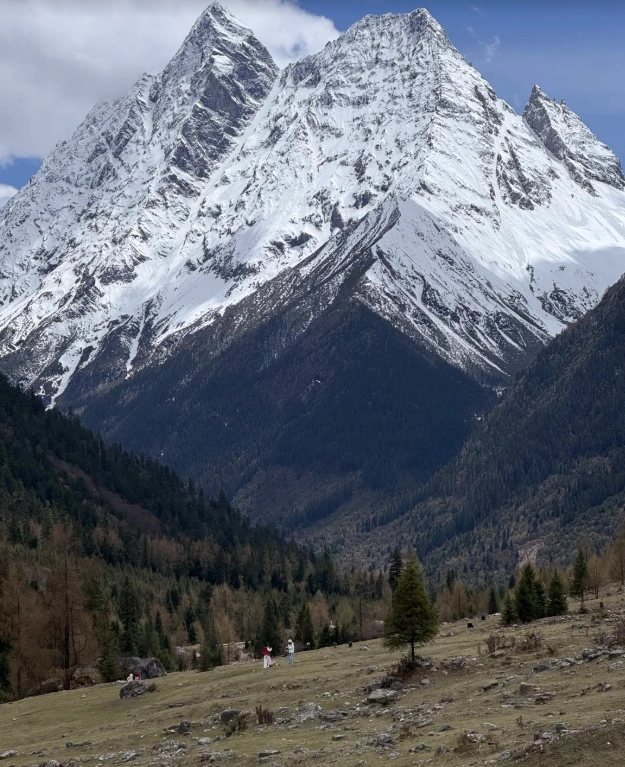
My Personal Favorite Hidden Spot
Ready for a secret? Most guides will tell you to go to 'Yinjian Peak Viewpoint.' It's fine, but there's a spot I call 'the pool of reflections.'
Here's how to get there: In Shuangqiao Valley, after getting off at stop 4 (Goxi Beach), walk back along the creek about 400 meters. You'll see a small pond on your right. It's partially hidden by rhododendron bushes. The water is still, and when the wind dies, you get a perfect mirror of the four peaks. I've never seen more than one other person there. It's best in the morning, between 8 and 9 AM. Bring a wide lens and get low—the reflection is mind-blowing.
But there's a catch: the pond is seasonal. If it hasn't rained in a week, it's just mud. Check the weather app for rain two days before your visit.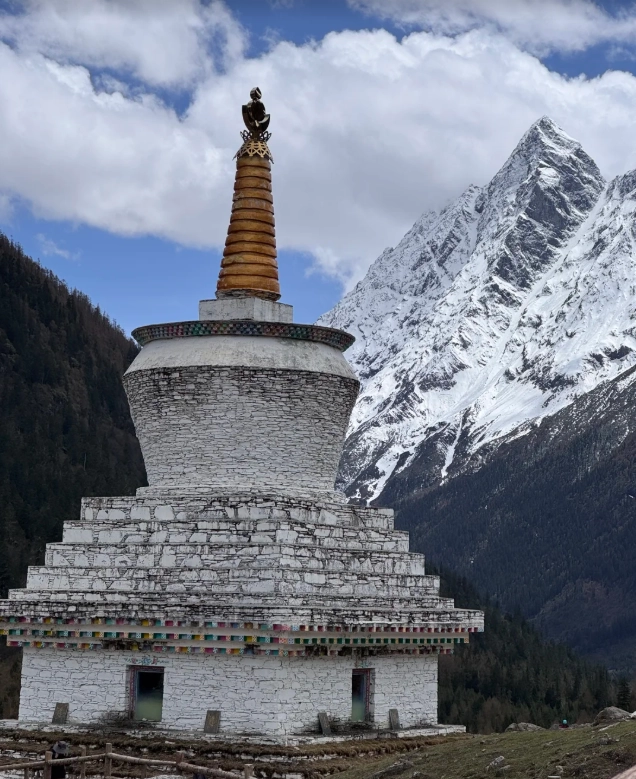





No comments yet.