 Wei Zhang
Quick Guide to This Article
I’ve lost count of how many photographers I’ve guided up here. They all arrive with the same dream: a pristine shot of the glacier kissing the sky. But the reality? Most leave frustrated. Either they came at the wrong hour, missed the best angle, or spent half the day fighting crowds. Here is the catch: the park is beautiful, but the Dagu Glacier National Park photography spots that wow are not where everyone stands. Let me save you the trial and error.
First, the brutal truth: if you follow the average online itinerary, you will be stuck at the main viewing platform at noon with a thousand other tourists. The shot will be flat and crowded. Instead, aim for the west-side boardwalk around 8:00-9:00 AM when the light hits the ice just right. Now, let’s dive into the details.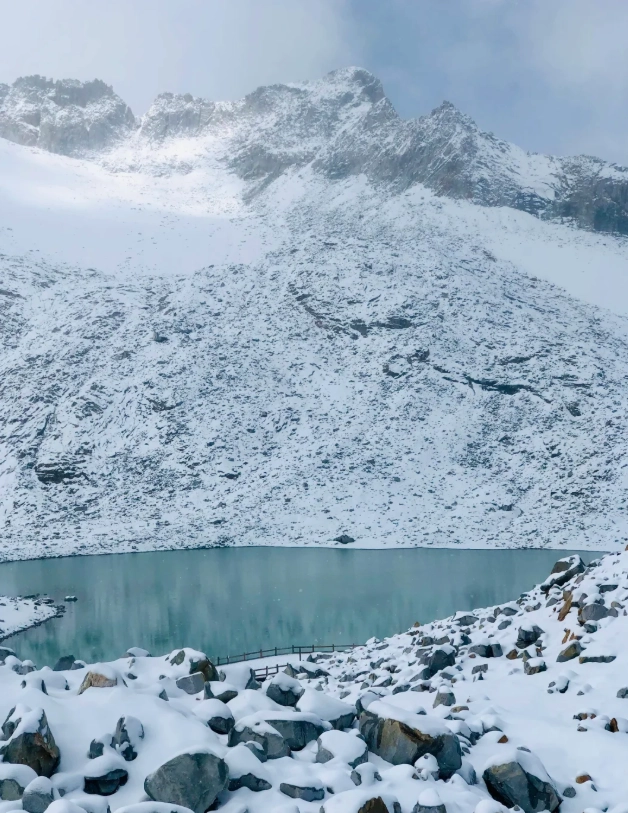
Getting to Dagu Glacier: The Pre-Shoot Logistics
Before you even think about compositions, you need to survive the journey. Dagu Glacier sits in Heishui County, Aba Prefecture, Sichuan. Public transport from Chengdu is your only option unless you rent a car. Here is the breakdown:
| From | To | Mode | Duration | Cost (approx.) |
|---|---|---|---|---|
| Chengdu (Chadianzi Bus Station) | Heishui County | Bus (daily 7:00 AM) | 6–7 hours | ¥130 |
| Heishui County | Park Entrance | Taxi or minibus | 40 min | ¥150 total |
Book your bus ticket on Trip.com or at the station the day before. The last bus leaves by 7:30 AM—do not be late. Also, the road has many bends; if you get motion sick, grab some pills beforehand. And forget about using a credit card in Heishui – bring plenty of cash (¥500 per day is safe).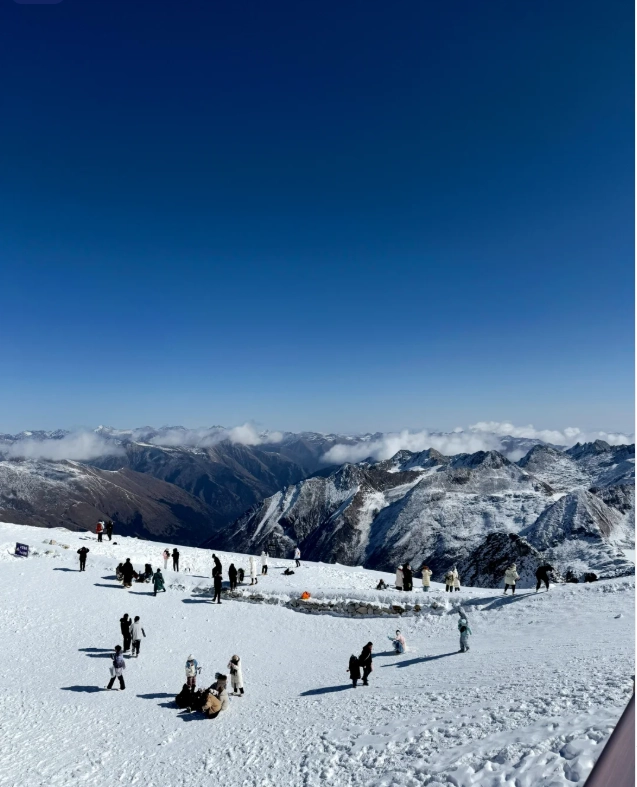
Pro tip from years of guiding: Stay overnight in Heishui the night before your shoot. The best hotels for photographers are Heishui Dagu Glacier International Hotel (location: near the bus station, ¥250-400/night, has stable Wi-Fi and English-speaking front desk) and Xiangbala Hotel (cheaper, ¥150-250, but no elevator). Both can help you arrange a taxi to the park at sunrise.
Best Photography Spots in Dagu Glacier National Park
Once inside, the park consists of three main areas: the base lake area, the cable car ride, and the summit glacier platform. Each offers distinct perspectives.
The Glacier Viewing Platform (Top of the Cable Car)
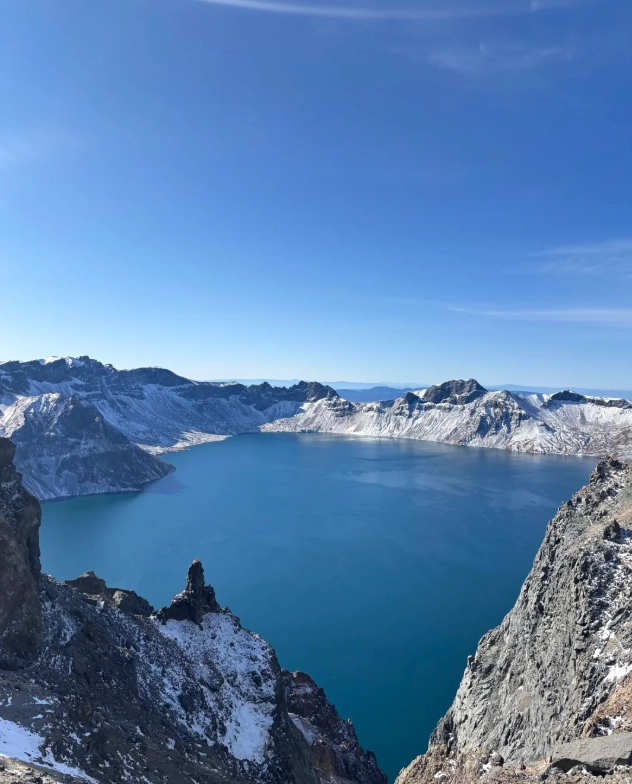
This is the most famous spot – and for good reason. At 4,860 meters, you get a 360-degree panorama of the glacier and surrounding peaks. But here is the catch: everyone goes straight to the platform railing. Instead, walk about 200 meters to the left (west) along the boardwalk. There is a small rocky outcrop where you can frame the glacier with foreground rocks. Use a wide-angle lens (16-35mm) and stop down to f/11 for sharpness. The light is best from 8:00 to 10:00 AM – after that, harsh shadows creep in.
Personal experience: I once had a client insist on shooting at noon. The result? A flat, washed-out image. I gently pulled him to the west boardwalk at 9 AM the next day. He got his cover shot.
The Lake at the Base
After descending (or before ascending), do not skip the small lake near the entrance. It reflects the glacier on calm mornings. Arrive at 7:30 AM before the cable car crowds. The reflection is best with a polarizing filter. A tripod is essential – even a slight breeze ruins the mirror effect. Use a shutter speed of 1/2 to 2 seconds.
The Boardwalk Route
Between the cable car top station and the glacier, there is a 1.2 km boardwalk. Most tourists rush through it. Take your time. About halfway, turn around and look back – you will see the cable car silhouetted against the glacier. That shot is pure gold. Use a telephoto lens (70-200mm) to compress the perspective. Best time: late afternoon (3-4 PM) when the sun backlights the cars.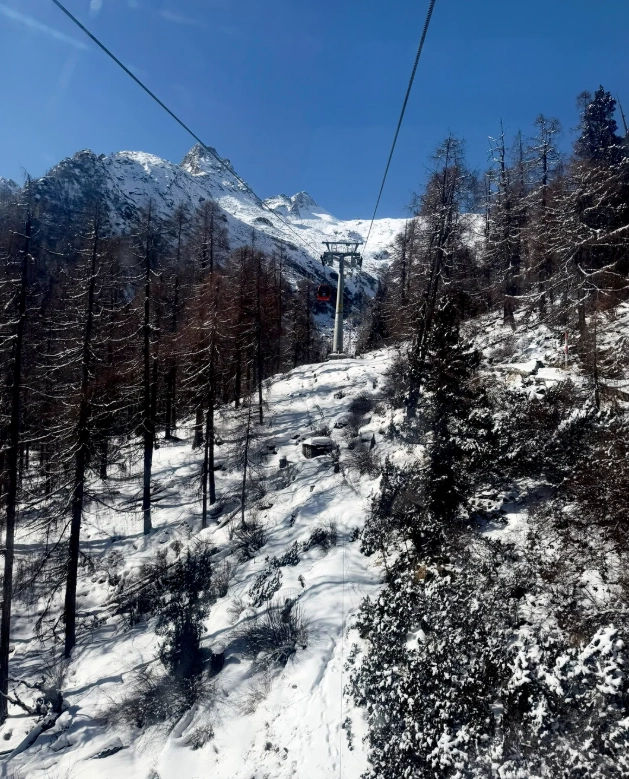
When to Shoot: Timing and Weather
Dawn is your best friend, dusk is your second best. The park opens at 8:00 AM (winter) or 7:30 AM (summer). I always advise clients to be at the entrance by opening time. Here is why:
- Morning (8-10 AM): Soft, warm light fills the glacier. Shadows are long and dramatic. Minimal wind – perfect for reflections.
- Midday (11 AM-2 PM): Harsh overhead light. Everything looks flat. The platform gets packed. Use this time for hiking or resting.
- Late afternoon (3-5 PM): Golden hour again, but the cable car stops at 5 PM. You will need to head down by 4:30 PM.
Weather-wise, clear skies are rare. Most days have some clouds. Actually, a few clouds add texture to the sky – do not wait for perfectly blue skies. My best shots were taken when thin clouds drifted across the peak.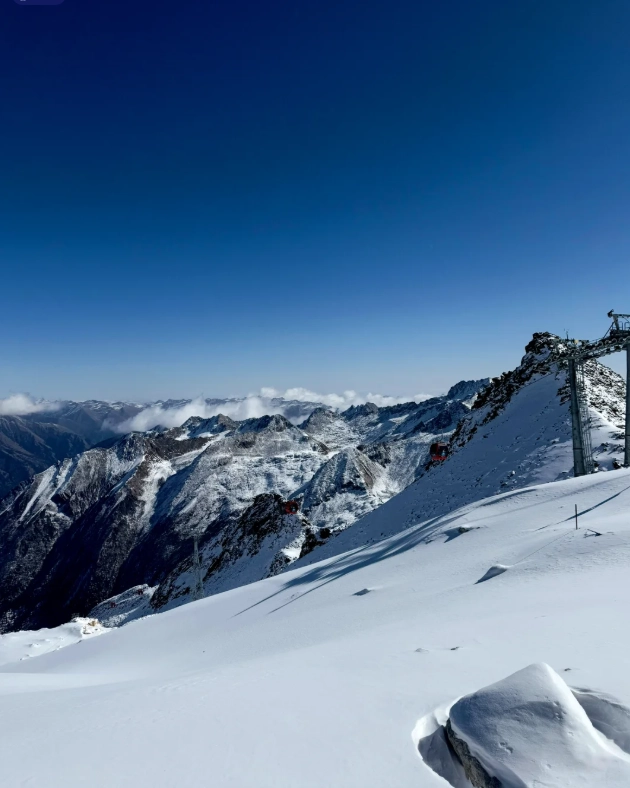
Photography Gear and Settings for High Altitude
| Item | Why you need it | My recommendation |
|---|---|---|
| Wide-angle lens (16-35mm) | Capture the vast glacier and sky | f/8-f/11, hyperfocal distance |
| Telephoto lens (70-200mm) | Isolate distant peaks and details | f/4 or faster, use shutter speed > 1/500 |
| Polarizing filter | Enhance sky and reduce glare on ice | C-PL, rotate for max effect |
| ND filter (3-6 stop) | Long exposures of waterfalls or clouds | Use with tripod only |
| Sturdy tripod | Essential for low light and reflections | Carbon fiber to save weight |
Do not forget spare batteries and memory cards. The cold drains batteries fast. Keep a spare in your inner pocket. Also, the altitude means you might feel dizzy – take breaks and drink water. I always tell my clients: “Think of your camera as a tool, not a burden. If you’re breathing hard, your photos will suffer.”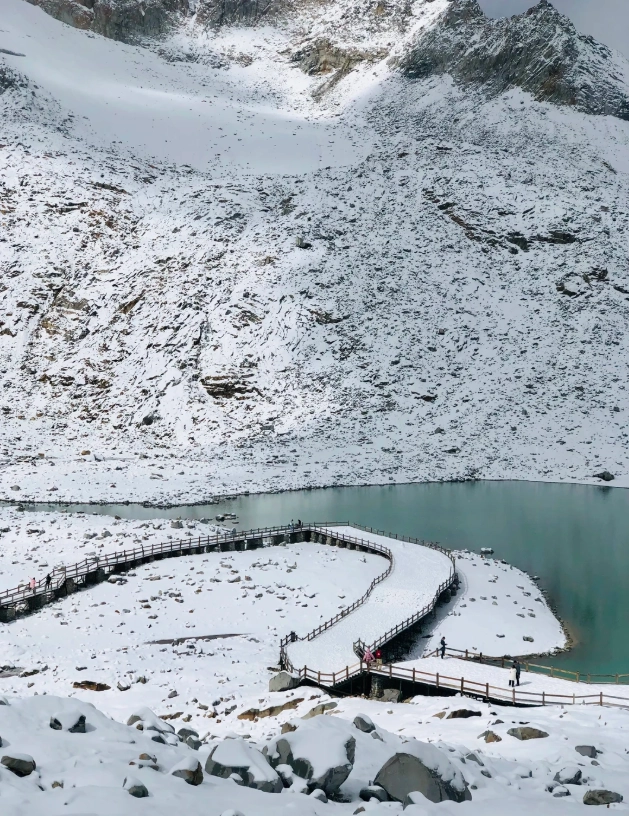
Practical Tips for Foreign Photographers
Here is a list of things most guides won’t tell you:
- Buy tickets in advance via WeChat mini-program “达古冰川” (ask your hotel to help). The ticket office is chaotic and only accepts WeChat Pay or cash. No international cards.
- Altitude sickness is real. The summit is 4,860m. Take Diamox (acetazolamide) starting 24 hours before, or rent oxygen cans at the base for ¥30. I have seen photographers pass out mid-shot – not a good look.
- Restrooms are scarce. Use the ones at the base before the cable car. At the top, there is one near the platform but it is often filthy. I always bring a portable pee bag for emergencies.
- Pack layers. Temperature at the summit can be -10°C even in summer (July-August). Windproof jacket, gloves, and a beanie are mandatory. Touchscreen gloves help with camera operation.
- Local food near the base is overpriced. A simple bowl of noodles costs ¥40. Bring your own snacks and a thermos of hot tea.
One more thing: the cable car can get scary in strong wind. It sways. If you are afraid of heights, sit in the middle and close your eyes. I always warn my clients beforehand so they don’t panic.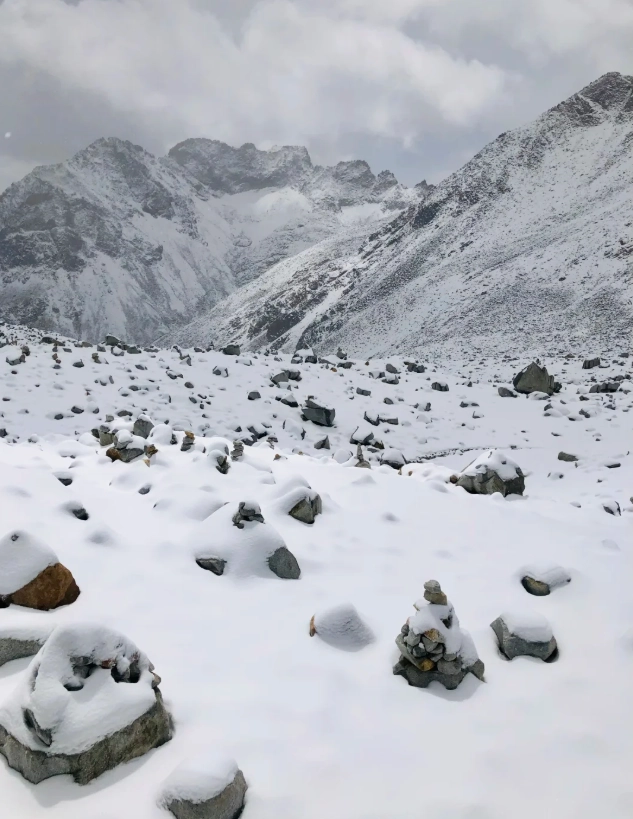
FAQ about Dagu Glacier National Park Photography
Verified and fact-checked by the editorial team.





No comments yet.