 Ting Chen
📌 Quick Guide to Timing Your Trip
- Why Timing Matters More Than You Think
- Seasonal Breakdown: What Each Season Feels Like
- Month-by-Month: The Good, the Bad, the Ugly
- Best Time for Photography (Avoid the Midday Sun)
- Best Time for Hiking (Trail Conditions & Permits)
- How to Dodge the Chinese Tourist Crowds
- FAQ: Insider Answers to Your Burning Questions
I've led dozens of groups through these four sisters—Mount Siguniang in Sichuan's Aba prefecture. And I've made every mistake you can imagine. So trust me when I say: picking the wrong month can turn your dream trip into a soggy, crowded nightmare.
Most online guides will tell you "autumn is best" and leave it there. But I've seen the chaos of Golden Week, the monsoon trail closures in July, and the empty trails of early June. Here is the catch: the best time to visit Mount Siguniang is late September to early November (for clear skies and golden larch forests) OR early June (for blooming azaleas and low crowds). Everything else? Let's break it down.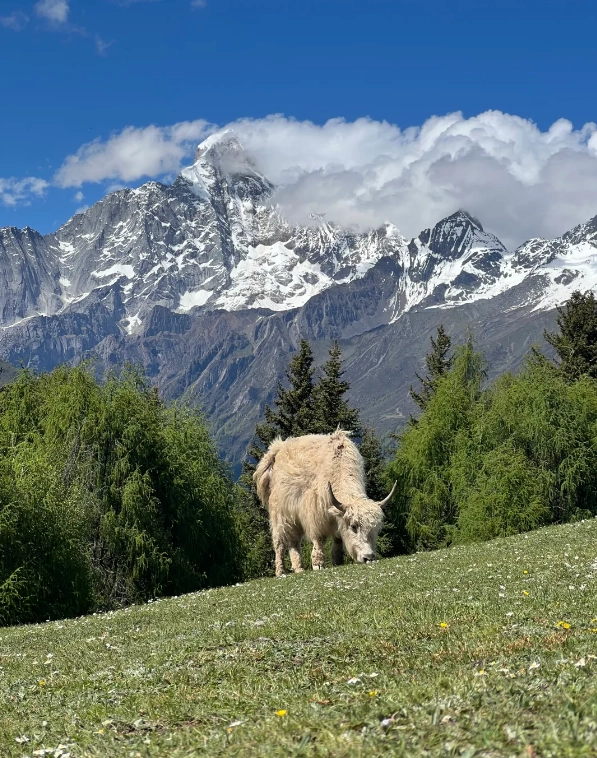
Why Timing Matters More Than You Think
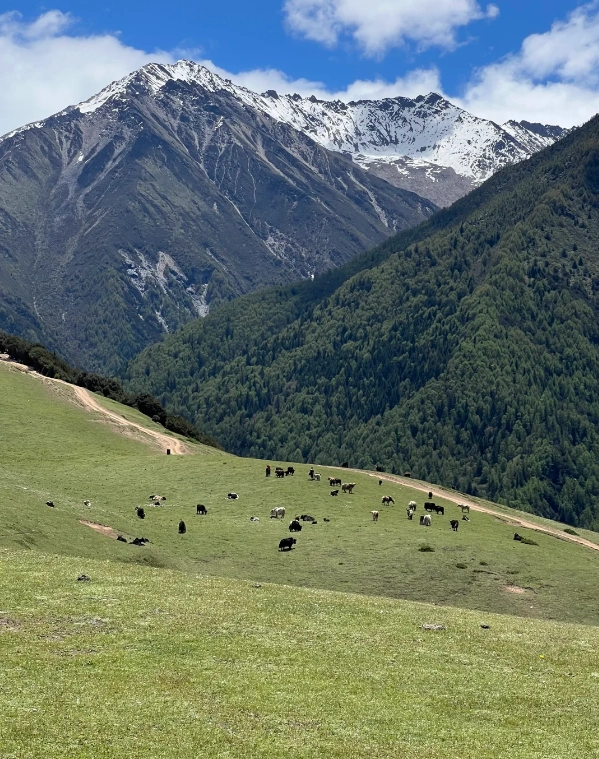
Mount Siguniang sits at an altitude of 3,200m to 6,250m. That means weather changes fast—and not in a friendly way. Summer monsoons bring landslides that close hiking routes for days. Winter snow can block the pass to Changping Valley. And Chinese national holidays turn the shuttle bus queue into a two-hour wait.
I once had a group book for mid-July expecting sunshine. We got three days of drizzle, zero views of the peaks, and a mudslide that cut off the road to Shuangqiao Valley. Ever since, I've been obsessive about timing.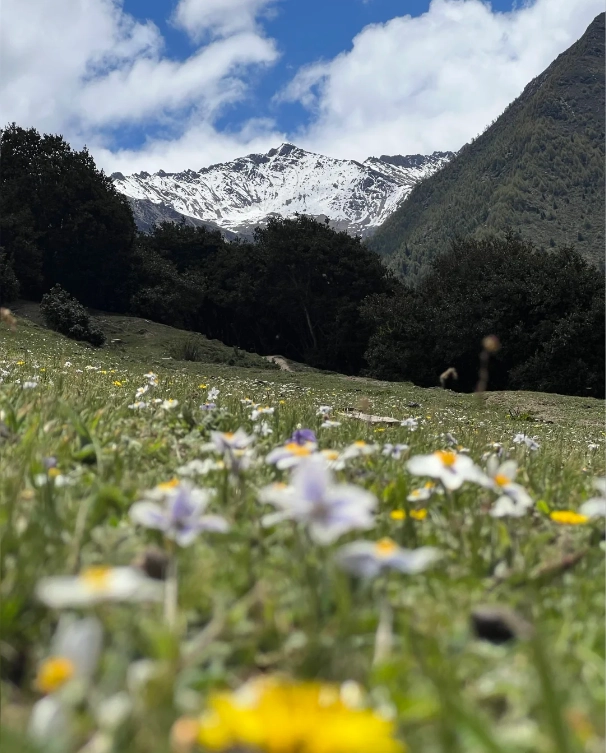
Seasonal Breakdown: What Each Season Feels Like
| Season | Weather | Crowds | Scenery | Reality Check |
|---|---|---|---|---|
| Spring (Apr–May) | Cool, variable; some rain | Low to moderate | Snow still on peaks; flowers start in late May | Trails can be muddy; Changping Valley often partially closed |
| Summer (Jun–Aug) | Warm, rainy; afternoon thunderstorms | High (especially July–Aug) | Lush green; clouds often hide peaks | Monsoon risk: road closures, slippery trails. Peak tourist season |
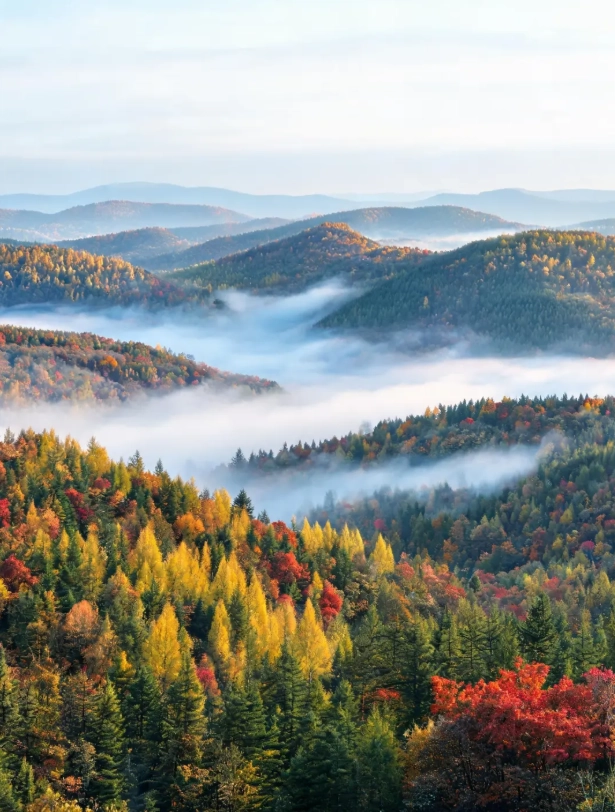
| Autumn (Sep–Nov) | Crisp, dry, sunny | Moderate to high (Oct peak) | Golden larches, clear air, snow peaks visible | Best overall. But avoid Oct 1–7 (National Day holiday) |
| Winter (Dec–Mar) | Cold, dry, windy | Very low | Snowy landscapes, icy trails | Many hiking trails closed; only Shuangqiao Valley accessible via cable car |
Month-by-Month: The Good, the Bad, the Ugly
Let me walk you through each month as I would for a client sitting in my office.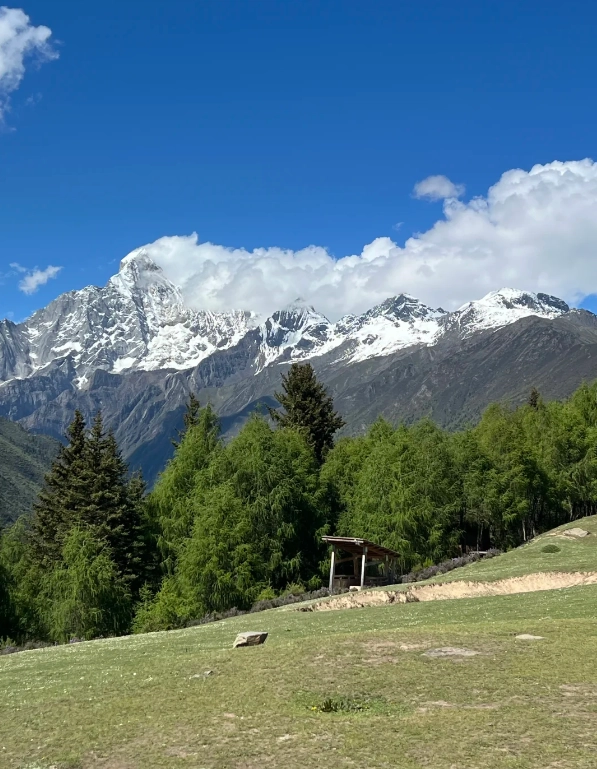
January – February
Freezing cold (−10°C at night). Shuangqiao Valley is open but the other valleys are closed. The cable car runs though, and you can get amazing snowy views with almost no one around. Only for hardcore winter lovers.
March – April
Still cold. The ice starts melting, trails turn into mud pits. I'd skip unless you're into photography of melting snow and empty landscapes. Many local guesthouses are still shut.
May
Late May brings the first azaleas. Crowds are still low. Changping Valley opens fully. But rain starts picking up in the second half. Good compromise if you hate crowds.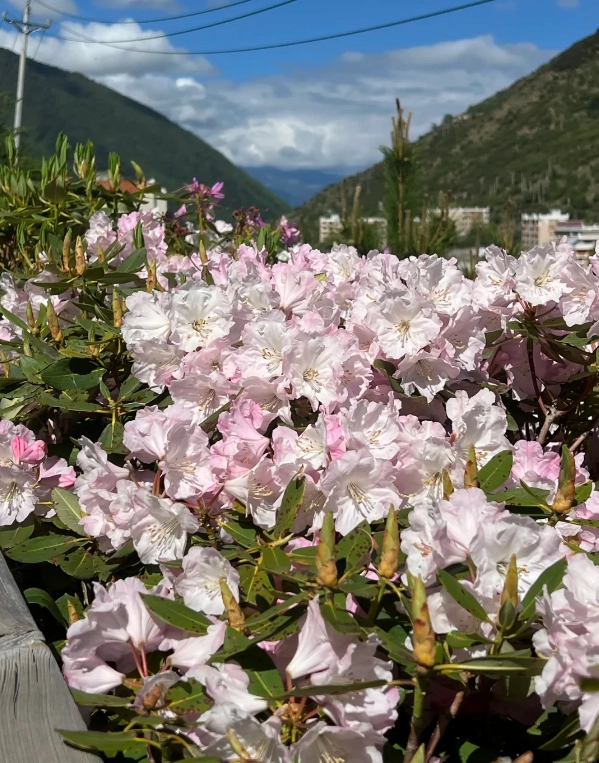
June
Early June is gorgeous—azaleas in full bloom, no rain yet (usually). Mid-June the monsoon begins. I recommend the first two weeks of June as a hidden gem. You'll have decent weather, green landscapes, and far fewer tourists than in July.
July – August
Peak monsoon. I've seen roads blocked for two days straight. The peaks are almost always hidden. Plus, it's summer vacation for Chinese schools—crowds are massive. Unless you have absolute flexibility, avoid these two months. If you must come, stay in Shuangqiao Valley (paved walkways, cable car) and skip the other valleys.
September
Monsoon tapers off by mid-September. September 20 onwards, the weather stabilizes. The larches start turning yellow by the end of the month. Crowds are moderate. Perfect window if you can't wait for October.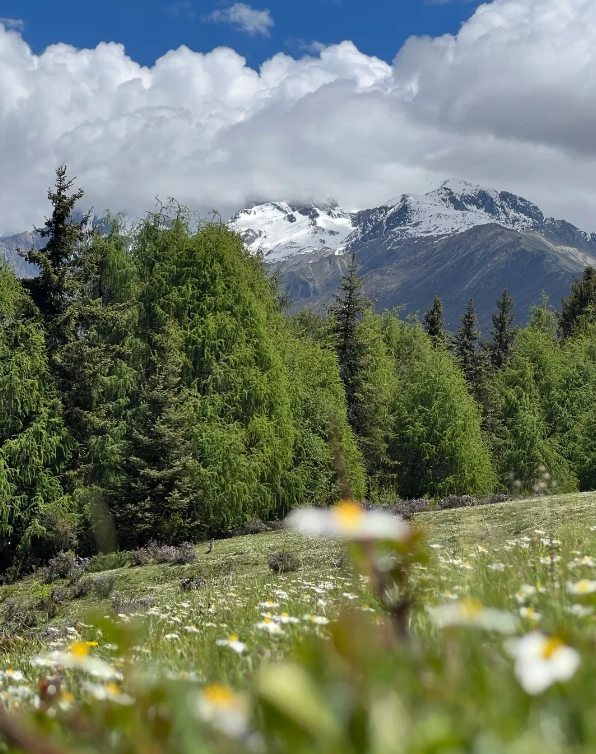
October
The absolute pinnacle. Golden larches, crystal-clear air, snow on the peaks. But October 1–7 is Chinese National Day—absolute chaos. I always tell my clients: avoid the first week of October. The second and third weeks are almost as good with 70% fewer people. By late October, the larches are past peak but still beautiful, and prices drop.
November
Early November still has decent weather. The larches are mostly bare, but the views are still clear. Snow arrives by late November, closing some trails. A solid month for budget travelers. Few crowds, lower prices.
December
Winter sets in. Only the cable car and lower Shuangqiao Valley are accessible. It's beautiful but very cold. I'd only recommend it if you're a snow enthusiast or want the place almost to yourself.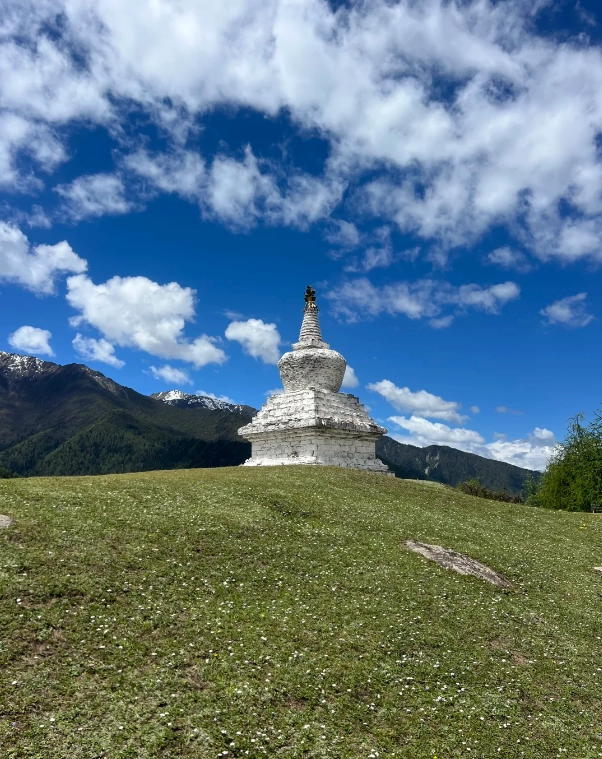
Best Time for Photography (Avoid the Midday Sun)
Here's a mistake I see all the time: tourists arriving at noon, pointing their cameras at the peaks, and getting overexposed, hazy shots. The best light for the four sisters is in the early morning (7–9 AM) or late afternoon (4–6 PM). In autumn, the golden hour lasts longer. In summer, the peaks are often clear just after dawn before clouds build up.
My favorite spot? The wooden viewing platform near the entrance of Changping Valley. At 7:30 AM in October, the sun hits the east face of the main peak—it's pure magic.
Best Time for Hiking (Trail Conditions & Permits)
If you want to hike to the base camp of the main peak (Dafeng, 5,025m) or do the longer Baohai Penglao trek, timing is critical. The trekking season runs from May to October, but the best months are June, September, and October.
- Shuangqiao Valley: Accessible year-round via shuttle bus and cable car. No special permit needed.
- Changping Valley: Open May–October. You can hike on horseback or foot. Permit required for overnight camping.
- Haizi Valley: Open June–October. More rugged, fewer tourists. Permit needed for overnight.
- Dafeng climb: Technical climb, requires guide and permit. Best in September or October.
Note on permits: All overnight trekking requires registration at the Mount Siguniang Scenic Area management office (at the entrance). You'll need a licensed guide. I've had clients show up expecting to go solo—denied.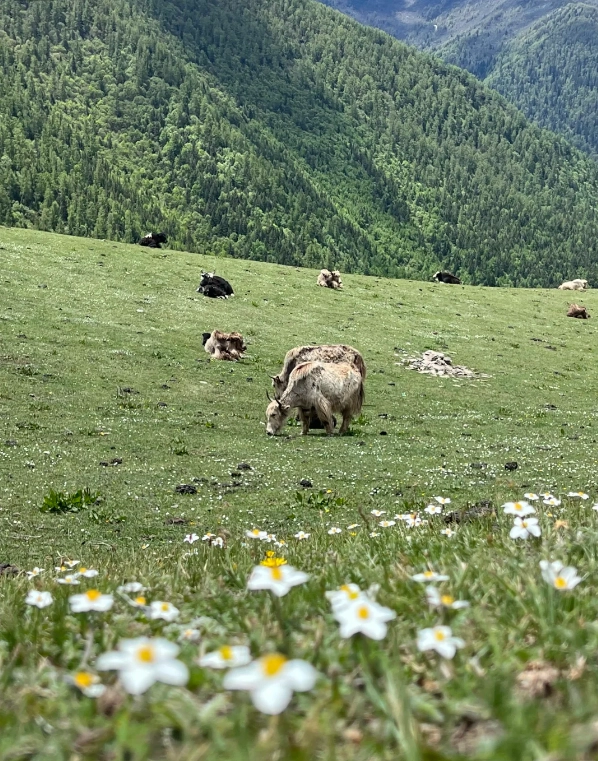
How to Dodge the Chinese Tourist Crowds
Chinese tourists flood these valleys during three periods: National Day (Oct 1–7), Labor Day (May 1–3), and the summer school break (July–August). Even within those windows, you can still escape by being smart.
- Enter early: The shuttle buses start at 7:30 AM. Be there at 7:00. By 9 AM, lines are huge.
- Skip Shuangqiao Valley in peak season: It's the most accessible, so it gets the most visitors. Go to Changping or Haizi instead.
- Stay overnight inside the park: A few guesthouses operate in Changping Valley during summer. You'll have the trails to yourself after 5 PM.
FAQ: Insider Answers to Your Burning Questions
Verified and fact-checked by the editorial team.





No comments yet.