 Fang Wang
What's inside this guide
- What Is the Best Order for the Shanghai Hangzhou Ningbo Route?
- How Do I Book Train Tickets for the Shanghai Hangzhou Ningbo Route?
- How to Plan the Shanghai Hangzhou Ningbo Route in 7 Days
- Getting Around: Navigation, Taxis and the Alipay Trap
- Payment, Safety and Common Mistakes
- Must-Eat Food on the Route
- Where to Stay Along the Route
- FAQ on the Shanghai Hangzhou Ningbo Route
I remember watching a couple at Shanghai Hongqiao Railway Station with two cardboard suitcases, frozen in front of a ticket machine. They had a Shanghai Hangzhou Ningbo route planned, but no idea their cards would be rejected and their e-ticket QR code was buried in last night's WeChat messages. That's exactly why I wrote this.
You don't need to memorize train numbers. You need the practical skeleton: which city to sleep in, which app to use before you fly, and how to stop a taxi driver who suddenly insists the highway is closed. I've guided this route dozens of times, and after a few bruises, these are the exact steps I now give every friend before they arrive.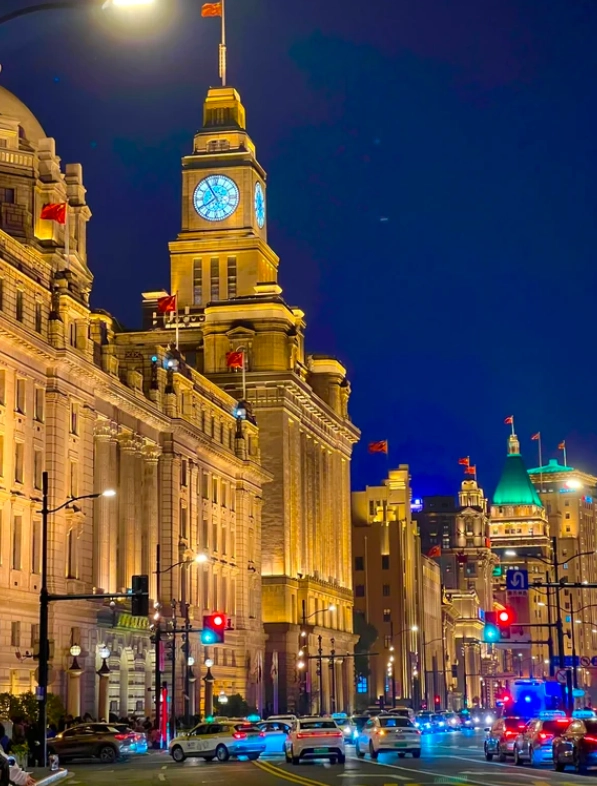
What Is the Best Order for the Shanghai Hangzhou Ningbo Route?
I always tell travelers to move in one line: Shanghai to Hangzhou to Ningbo. You start in the biggest city, then move to lake-and-tea country, and finish at the coast. The train link is a straight line, so you don't waste a morning backtracking to Shanghai to catch a flight.
Why I advise this order
- Shanghai is the arrival hub. Most international flights land at PVG. The maglev train gets you into the city in about 40 minutes, and almost every major airline also stops here.
- Hangzhou is the beauty stop. West Lake, tea fields, and the historic Hefang Street are best explored with lighter luggage.
- Ningbo is the slow end. A working port city with serious seafood, ancient libraries, and far fewer tourists. It also has an airport (NGB) if you need to fly out domestically.
| Segment | Train time | Why it works |
|---|---|---|
| Shanghai to Hangzhou | About 1 hour | Fast enough for a day trip, but I prefer an overnight. |
| Hangzhou to Ningbo | About 50-70 minutes | Quick, scenic in places, and leaves you with energy for Ningbo's night food market. |
| Ningbo back to Shanghai | About 1.5-2 hours | Direct trains exist, so you don't need to backtrack through Hangzhou. |
If you're short on time, you can do Shanghai and Hangzhou, and skip Ningbo. But you'll miss the least crowded and most authentic food city on the route. For a first visit, though, I'd say spend your last night in Ningbo and fly out from Shanghai if you must. The train ride itself is part of the experience.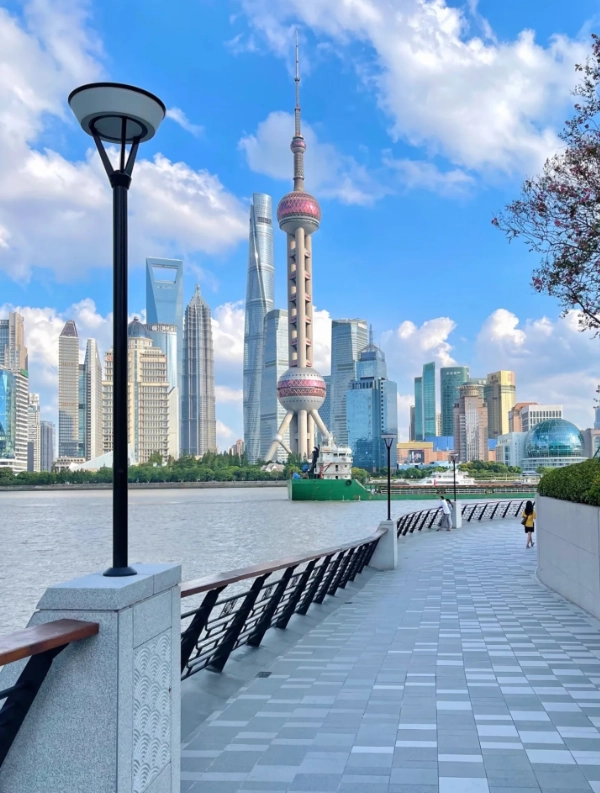
How Do I Book Train Tickets for the Shanghai Hangzhou Ningbo Route?
Your passport is your ticket. You cannot buy a high-speed rail ticket without your passport number, and the name must match exactly. When you enter the station, you use the same passport to scan at the automatic gate. If the name doesn't match, you will be sent back to the ticket office.
Passport rules first
Every seat on this route is assigned to a passenger. There are no group tickets or student discounts unless you have a Chinese student ID. Always have your physical passport with you, not a photo. The scanners at Shanghai Hongqiao, Hangzhou East, and Ningbo Railway Station all read the passport machine-readable zone.
Which booking app should you use?
| Booking method | English support | Best for | Fee |
|---|---|---|---|
| Official 12306 English site | Sometimes painful | Budget travelers who know the system | No service fee |
| Trip.com | Reliable English help | First-timers who want an e-ticket | Small service fee |
| Klook | Good English | Those who also want activity bundles | Markup on some trains |
| Station counter | Usually no English | Last-minute changes | No fee, but long queues |
I usually book through Trip.com's train page and save the PDF to my phone. It costs a bit more, but the English interface and customer service are worth it. If you already have Alipay set up, you can also try the official 12306 English site, but be prepared for a clunky experience.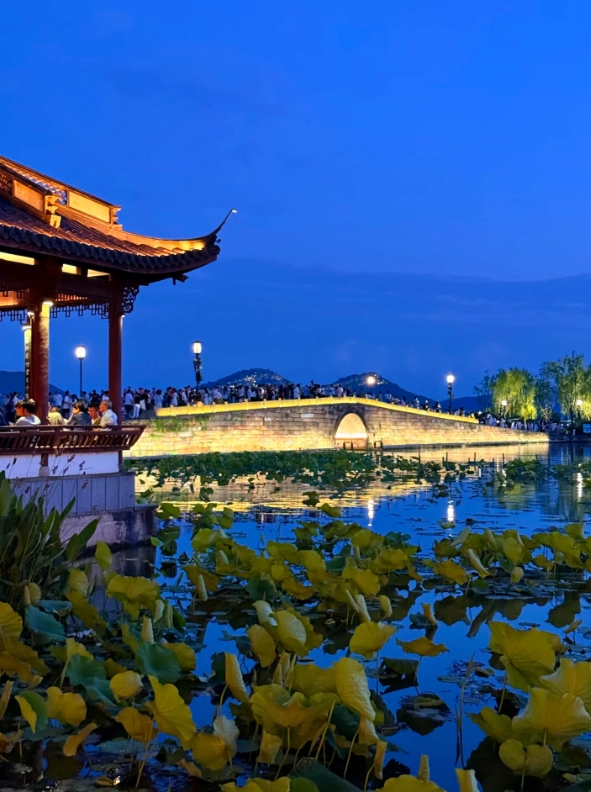
The Alipay catch
Most ticket machines and counters accept Alipay and WeChat Pay. They rarely accept foreign credit cards. Set up Alipay before you land, link your international Visa or Mastercard, and you'll be able to pay for tickets, taxis, and meals without cash. Do not assume your bank card will work directly.
How to Plan the Shanghai Hangzhou Ningbo Route in 7 Days
This 7-day plan is built around the trains, not the tourist posters. Each day has a morning anchor, an afternoon escape, and a night food plan. You can adjust the order, but these daily rhythms have saved my clients from the classic mistake of trying to do too much before noon.
Day 1: Arrive, walk the Bund, and eat soup dumplings
Land at PVG, take the maglev to Longyang Road, then transfer to Metro Line 2 to East Nanjing Road. The whole ride takes about an hour and costs far less than a taxi. If you have heavy bags, a taxi from PVG to the Bund area costs roughly ¥150-200 and takes 50-60 minutes.
Check in, drop your bags, and walk down East Nanjing Road. At dusk, turn onto the Bund. The lights of the Lujiazui skyline are best seen from the Broadway Mansions end, not the crowded south end. For dinner, go to Jia Jia Tang Bao at 90 Huanghe Road. Order the pork and crab roe soup dumplings. I always eat there at 4pm, after the lunch rush and before the 5pm dinner crowd.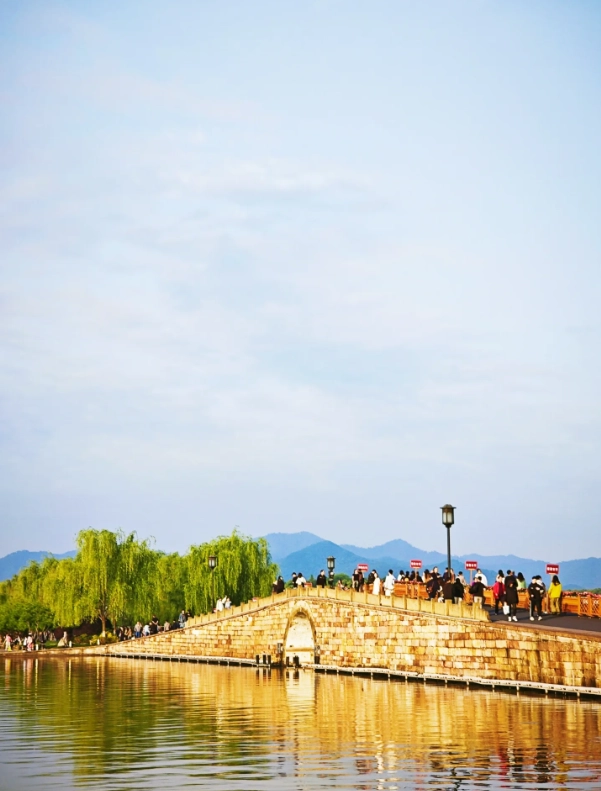
Day 2: French Concession and a hidden bookstore
Start at Wukang Road, near Shanghai Library Station on Metro Line 10. Walk south through the plane trees to Anfu Road, then turn toward Tianzi Fang. This area is full of tiny design shops and coffee places.
In the afternoon, check out the 1984 Bookstore on Hunan Road if it still exists. It's the kind of place that appears in every local list but is hard for foreigners to find because the sign is small. The actual address is 11 Hunan Road. If the store has moved, search for “1984 Bookstore” on AMap and the app will point you to the new spot. For lunch, look for a noodle shop on Wuyuan Road with a picture menu. Order the scallion oil noodles and a fried egg.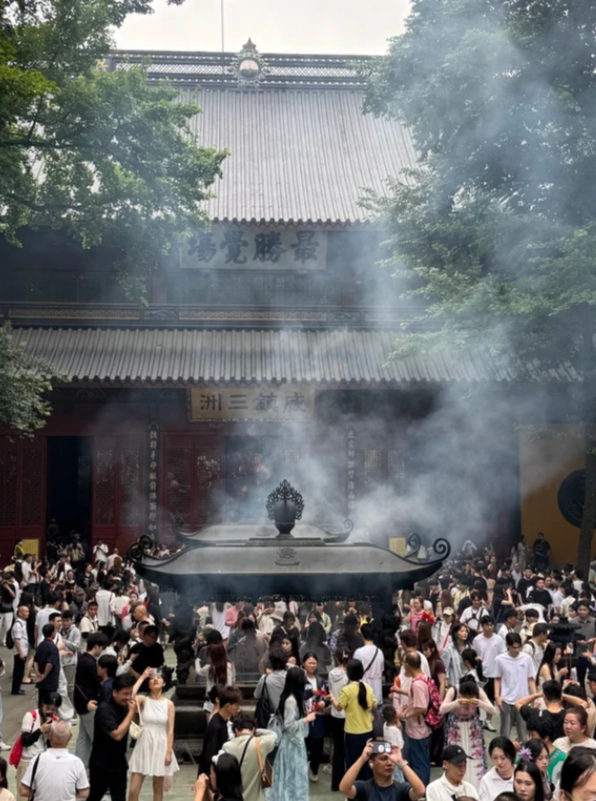
Day 3: Shanghai to Hangzhou by high-speed train
Take Metro Line 2 to Hongqiao Railway Station, and board a train to Hangzhou East. The ride is about an hour. Keep your passport in your hand because the security check and gate scan happen twice.
Once in Hangzhou, take a taxi to a hotel near West Lake. A taxi from Hangzhou East to the lake costs about ¥60-80 and takes 30 minutes. Drop your bags, then walk to the lake. Rent a public bike only if you already have a bike sharing app and a Chinese phone number. If not, just walk along the western side toward Quyuan Garden. That stretch gives you the classic willow-tree-and-mountain view without the crowds.
Day 4: Lingyin Temple and Longjing tea fields
Go to Lingyin Temple before 8am. The temple complex includes Feilai Feng, a hill covered with ancient stone carvings. The ticket is separate for the hill and the temple, and you need to scan your passport at the entrance. I've seen travelers spend an hour in line because they didn't realize there were two separate tickets.
After the temple, take a taxi to Longjing Village. Ask the driver to stop near the tea fields, not the main parking lot. Do not accept the first tea house that waves you in. Walk deeper into the village and look for a family house with a faded red sign. A cup of Longjing tea there should cost ¥30-50, and the owner may show you the roasting pan.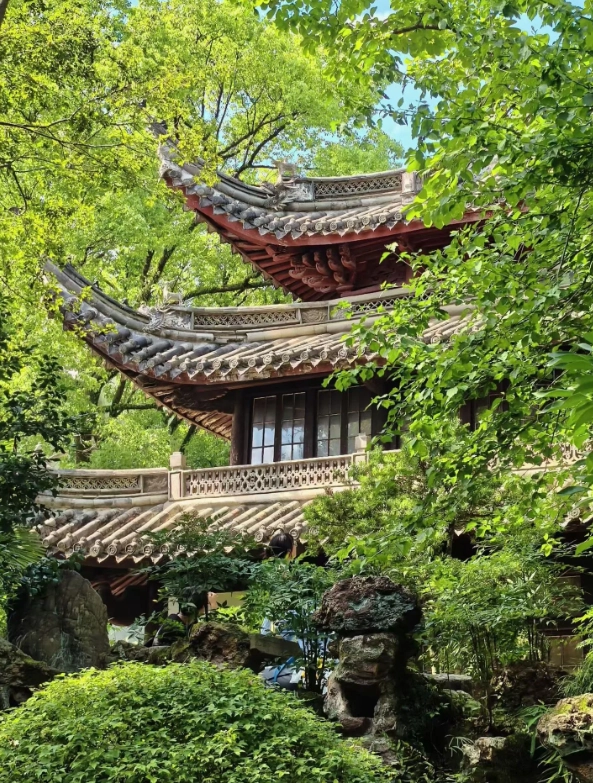
Day 5: Ningbo's old library and the Old Bund
Take a morning train from Hangzhou East to Ningbo Railway Station. The ride is about 50-70 minutes. Leave your luggage at the left-luggage counter or, better, drop it at your hotel first.
Visit Tianyi Pavilion, the oldest private library in China. It is on Tianyi Street in Haishu District. The garden is calm, but the real treasure is the ancient wooden bookcases inside. Book your ticket online through Trip.com to avoid the paper-ticket queue. Afterward, walk to the Old Bund, which is about 15 minutes away. The riverside promenade fills with locals at sunset, and the bars serve decent craft beer but overpriced snacks.
For dinner, pick a seafood restaurant on the southern end of the Old Bund. Ask the owner for the price per 500g before ordering, and point to the fish you want in the tank. This is normal practice in Ningbo.
Day 6: A slow morning, seafood, and rain plan B
Use the morning to wander around Ningbo's Drum Tower area and the small food streets. Try the fried rice cake with dried shrimp and the Ningbo-style tangyuan, which are small rice balls with black sesame filling. For a proper lunch, search for “宁海食府” on AMap. It is a local seafood chain with several branches, and the English name may be different at each location.
If it rains, go to Ningbo Museum instead. The building was designed by architect Wang Shu and looks like a rebuilt mountain town. The museum is a Plan B that your whole body will appreciate after two days of outdoor walking.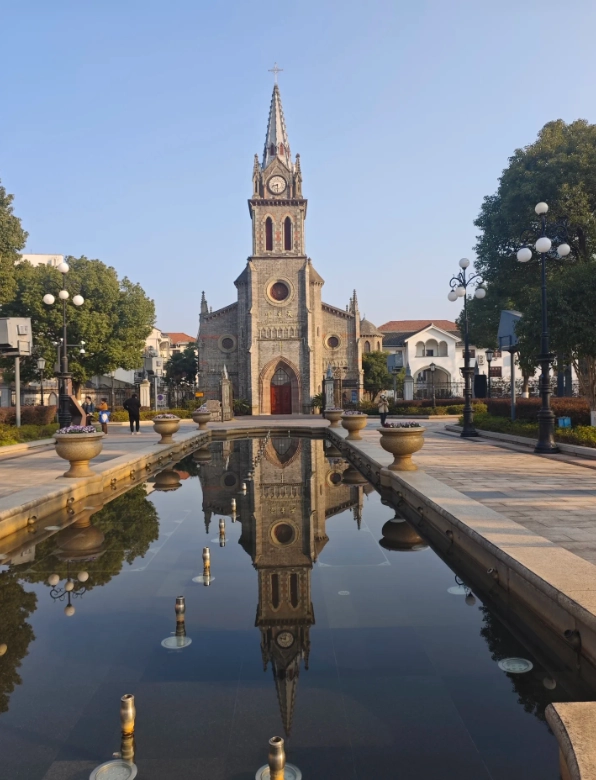
Day 7: Fly out from Ningbo or return to Shanghai
If your international flight is from Shanghai, take an early morning train from Ningbo to Shanghai Hongqiao. The ride takes about two hours. Allow at least four hours before your international departure. If you fly out from Ningbo's Lishe Airport, you only need to be at the airport 90 minutes before a domestic flight.
Of course, this day is also a good reminder: the Shanghai Hangzhou Ningbo route is not a race. On my last trip, I skipped the final morning sightseeing and just sat in a teahouse for two hours with a cup of ripe tea. That slow hour was the best part of the whole week.
Getting Around: Navigation, Taxis and the Alipay Trap
The biggest mistake I see is using Google Maps in China. It is slow, sometimes inaccurate, and often shows walking routes that lead to closed gates. I use Apple Maps as my default, with AMap Global as backup. Both work well on the Shanghai Hangzhou Ningbo route, but you need to type Chinese names for the best results.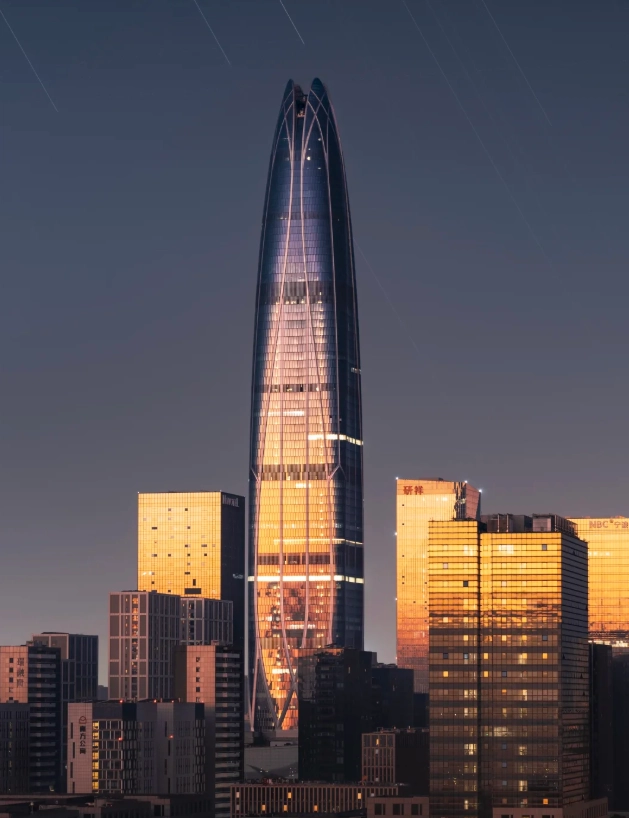
Navigation apps: do this before you arrive
- Apple Maps: Works in China with good English support. Use it for walking and public transit.
- AMap Global: Also known as Gaode. It is in Chinese, but the map tiles are extremely accurate for taxi routes.
- Baidu Maps: Similar to AMap, but I find its English UI even weaker.
Didi and taxis: the meter is not the enemy
Didi has an English interface and works with Alipay. You can order a car, see the estimated fare, and track it. At train stations, follow the Didi pickup signs to the designated waiting area. Don't fall for drivers asking for a fixed price is always higher than the meter.
If you do hail a street taxi, confirm the meter starts at 0 before you get in. Most taxis in Shanghai and Hangzhou use electronic metres, but from Ningbo Railway Station to the Old Bund, a few drivers prefer to negotiate. I always tell clients to smile and say “Da biao, please”, which means “use the meter”.
The cashless reality
Assume this route is cashless. Street food vendors, small souvenir shops, and even some public toilets with an attendant may only accept mobile payments. I have watched a traveler offer a ¥100 note for a ¥8 bottle of water and see the seller shake their head. Keep a small emergency cash stash of ¥100-200, but treat it as an emergency only. For everything else, use Alipay.
Payment, Safety and Common Mistakes
VPN: non-negotiable
Download a reliable VPN before you land. Without it, Google, Instagram, Facebook, and many English travel sites are either blocked or painfully slow. Install the VPN on your phone and laptop, and test it the day before you leave. I also recommend buying an eSIM from a global provider so you have data from the first second.
Passport photocopy and WeChat
Take a photocopy of your passport main page and keep it separate from the physical card. Hotels need to register your passport when you check in, and the receptionist will often need to scan it. Keep your passport in a front pocket, especially on Metro Line 2 in Shanghai, where pickpockets operate during rush hour.
Scams that actually target foreigners on this route
- Tea house scam near West Lake: A friendly stranger invites you for tea at a small place, then presents a ¥500 bill. Politely decline and walk into the nearest hotel lobby if you feel cornered.
- Taxi driver says your hotel is closed: Especially at night, a driver may tell you that your hotel is closed or has moved, and then offer to take you to another hotel. Ignore this and show your hotel address again.
- Fake police or inspectors: In crowded tourist areas, someone may flash a badge and ask to check your money. Real police never need to do this. Keep walking and look for the nearest uniformed official.
Must-Eat Food on the Route
Let me save you from the worst tourist meal in Hangzhou: the overpriced “famous” restaurant right next to the lake. The food is not bad, but you pay triple the price for the view. I always steer travelers to the local classics listed below.
Shanghai: soup dumplings without the queue
Jia Jia Tang Bao at 90 Huanghe Road is my go-to. The shop is small, with a laminated picture menu and a constant takeaway crowd. Order the pork and crab roe soup dumplings, and take a seat upstairs if you can. The crab roe version is heavier than the plain pork, so I usually order one order of each for two people. The price is about ¥40-50 per basket. This is a picture-menu place, so you can point at what you want, but there is no English menu. Alipay works; international cards do not.
Hangzhou: West Lake vinegar fish and the right tea
Lou Wai Lou on Gushan Road is the legendary rest stop for West Lake vinegar fish. The vinegar fish is sweet and sour with a delicate ginger flavor. The fried shrimp is also good. Portions are large, so order one per two people. The restaurant is expensive by local standards, but still far cheaper than a similar dish in Shanghai. Go at 11am to avoid the tour bus lunch.
For tea, I recommend buying loose-leaf Longjing at the Longjing village tea house you visited on Day 4, not at a tourist shop. The village tea house owner will usually let you taste before you buy. A 50-gram bag of decent Longjing costs ¥100-150. If the price is much higher, you are buying a brand, not better tea.
Ningbo: seafood and sesame tangyuan
Ningbo is the only city on this route where I will always order seafood without hesitation. The yellow croaker, the salt-and-pepper crab, and the boiled dried shrimp are all outstanding. Search for “宁海食府” on AMap. It is a local seafood chain, and the English name varies. At the Old Bund end, you will find smaller restaurants with live tanks. Ask for the price per kilogram before ordering, and you will be fine.
For dessert, find a small tangyuan shop in the Drum Tower area. Ningbo-style tangyuan are small, soft, and filled with black sesame mixed with lard. A bowl costs ¥10-15 and makes a perfect late-afternoon snack.
Where to Stay Along the Route
Pick your hotel based on the train station you will use, not the nicest photos. Here are the places I recommend to friends, with a range of budgets.
| Hotel | City | Price Range | Best For | Note |
|---|---|---|---|---|
| Fairmont Peace Hotel | Shanghai | $$$ | First-timers who want the Bund view | Landmark location, old Shanghai charm |
| Shanghai Yangtze Boutique Hotel | Shanghai | $$ | Design lovers | Art deco rooms near East Nanjing Road |
| Captain Hostel Shanghai | Shanghai | $ | Backpackers | Simple dorms, 24-hour reception |
| Four Seasons Hotel Hangzhou at West Lake | Hangzhou | $$$ | Couples | Lake views and quiet gardens |
| Hangzhou International Youth Hostel | Hangzhou | $ | Solo travelers | On Nanshan Road, steps from West Lake |
| JW Marriott Hotel Ningbo | Ningbo | $$ | Business and leisure | Modern rooms, rooftop bar |
| Tian Yi Hotel | Ningbo | $ | Budget travelers | Near Tianyi Square and the Old Bund |
I have personally stayed at the Shanghai Yangtze Boutique Hotel and the Four Seasons in Hangzhou. The lift at the Shanghai Yangtze is laughably small, but the location lets you walk to the Bund in ten minutes. In Ningbo, the JW Marriott is dependable, but if you want to feel the port atmosphere, choose a smaller hotel near the Old Bund and listen to the foghorns at night.
FAQ on the Shanghai Hangzhou Ningbo Route
Final Verdict: Why the Shanghai Hangzhou Ningbo Route Should Be on Your Yangtze Delta Itinerary
After a dozen trips, I still get a tiny thrill when the train pulls out of Hongqiao and the skyline disappears. The Shanghai Hangzhou Ningbo route is easy to overthink, but if you do three things — link Alipay before landing, download AMap Global, and book your trains in advance — the journey becomes a calm, delicious, light-filled week. The best part is not the ancient library or the famous soup dumplings. It's the feeling of moving through a region that is both ancient and hyper-modern, without ever feeling rushed.
Verified and fact-checked by the editorial team. Prices and opening hours change; always confirm on official platforms before you go.





No comments yet.