 Bo Wu
Bo Wu
Quick Navigation
Why Aba Should Be Your Next Destination
Let's be real—most travelers rushing through Sichuan only hit Chengdu and maybe a panda base. They miss the real magic. Aba (Aba Tibetan and Qiang Autonomous Prefecture) is where the province shows off its alpine soul: turquoise lakes, snow-capped peaks, and Tibetan villages that look straight out of a myth. I've led dozens of groups here, and every single time people tell me they wished they'd come sooner. This Aba Sichuan itinerary for first-timers is exactly what I use with my own guests—no fluff, just what works.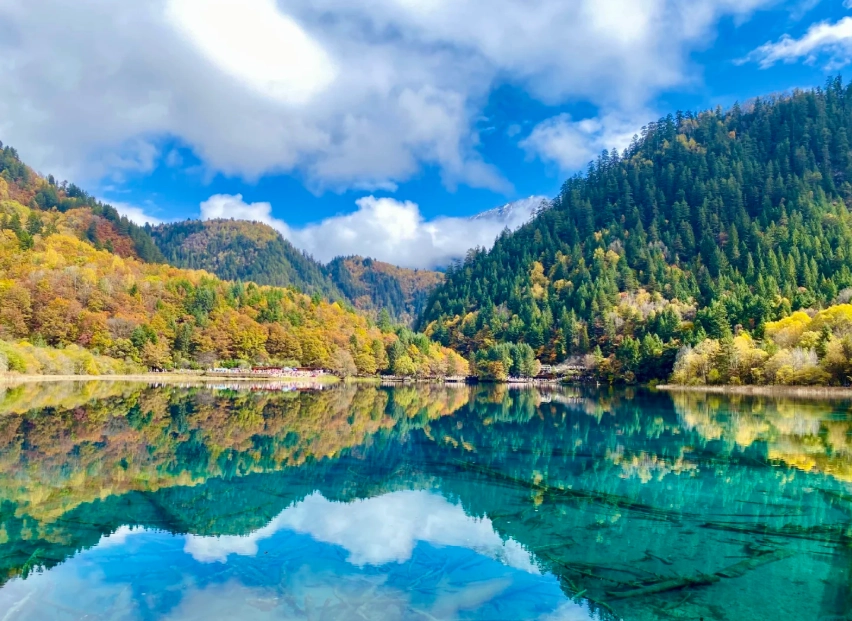
My quick take: Aba is not a weekend trip. You need at least 5–7 days to cover the highlights without feeling like you're in a race. This plan gives you breathing room and backup options in case weather or altitude hits you.
How to Get to Aba
Most people fly into Chengdu (CTU or TFU) and then either drive or take a bus. Here's the breakdown:
| Method | Time from Chengdu | Cost (Approx.) | Best For |
|---|---|---|---|
| Flight to Jiuzhai Huanglong Airport (JZH) | 1 hour flight + 2 hour bus to Jiuzhaigou | ¥500–1200 (one way) | Saving time; book early |
| Self-drive (rental car) | 6–8 hours to Jiuzhaigou via G213 | ¥400–600 fuel + tolls | Flexibility; scenic stops |
| Bus from Chengdu Chadianzi Station | 8–10 hours to Jiuzhaigou | ¥150–200 | Budget travelers |
| Private driver (hire with car) | 6–8 hours | ¥800–1200 | Groups of 3+ |
Pro tip: Flying into JZH saves you a day, but the airport sits at 3,400 meters. I tell my clients to take it easy the first afternoon—don't rush to Jiuzhaigou gate. Altitude hits hard if you sprint off the plane. If you drive, stop at Songpan Ancient Town for lunch and a short walk. It breaks the drive and helps you acclimate.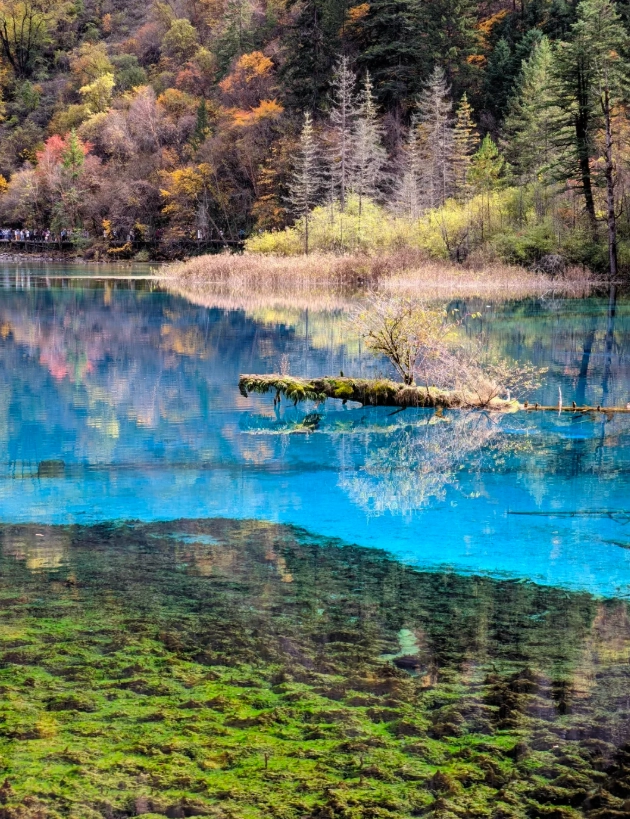
Best Time to Visit Aba
Honestly? Late September to mid-November is unbeatable. The autumn colors are insane—red, yellow, and orange reflected in the calcite pools. But every season has its charm:
- Spring (April–May): Low crowds, but some trails still icy. Blossoms in the valleys. Bring waterproof shoes.
- Summer (June–August): Green landscapes, occasional rain. Peak season at Jiuzhaigou—avoid if you hate queues.
- Autumn (September–November): Golden leaves, crisp air, stable weather. My personal favorite.
- Winter (December–March): Jiuzhaigou is quieter and snow-covered. Huanglong may be closed. Dagu Glacier is spectacular but bitter cold.
Weather gotcha: Even in July, evenings in Aba drop to 10°C. Pack layers, a fleece, and a waterproof jacket. I once saw a tourist in shorts shivering at a 3,500m pass—don't be that person.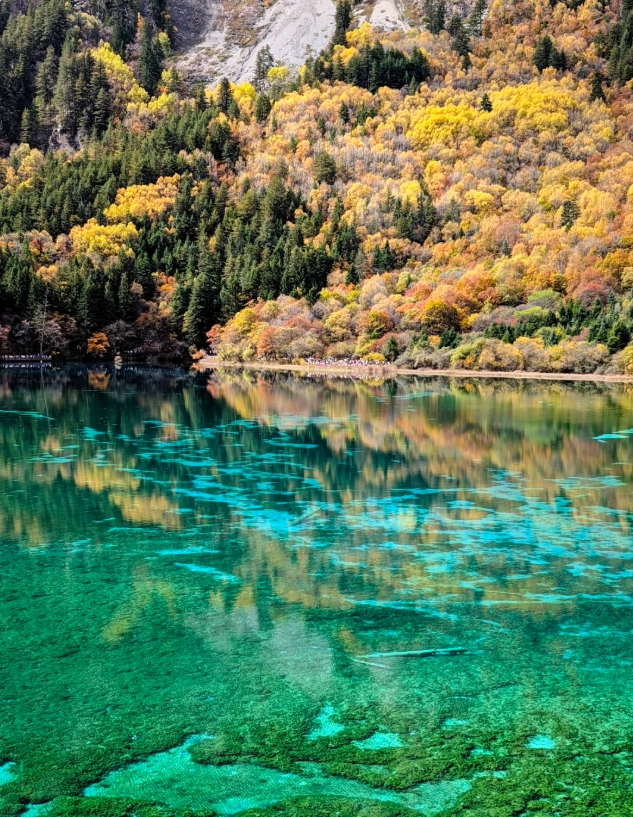
Must-Visit Attractions in Aba
4.1 Jiuzhaigou Valley
Address: Jiuzhaigou County, Aba
Opening hours: 8:00–17:00 (last entry at 14:00)
Ticket (as of now): ¥169 (peak season) + ¥90 for scenic bus. Discounts for students/seniors.
Reservation required: Yes, book at least a day ahead via the official WeChat mini-program (search "阿坝旅游网") or on Trip.com. Foreigners can book with passport number.
Jiuzhaigou is the crown jewel—emerald lakes, tiered waterfalls, and dense forest. The park is huge; you'll ride the shuttle bus between scenic stops. My must-see stops: Panda Lake, Five Flower Lake, Long Lake, and Nuorilang Falls. Go early (by 8:20) to catch the morning reflections before the crowds.
Time needed: Full day (8 hours minimum).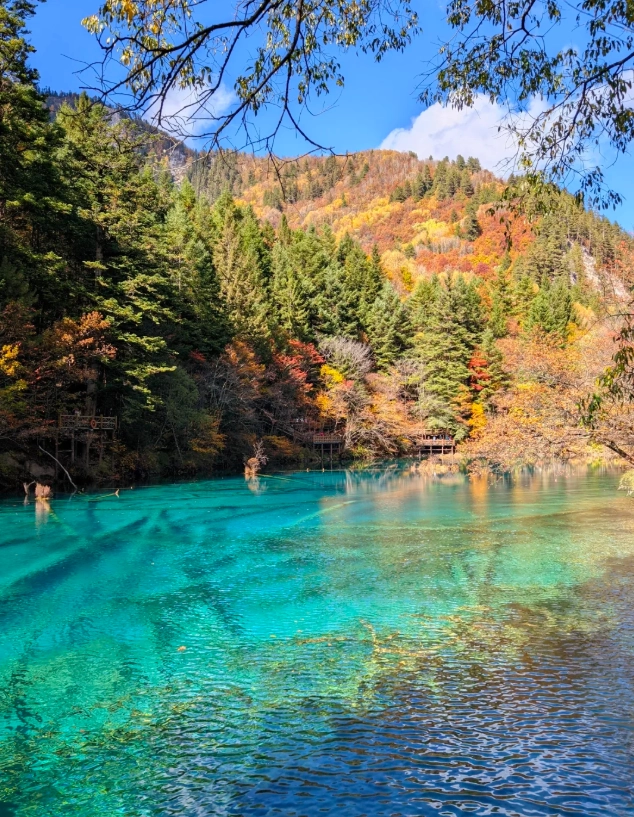
Tip: The bus drops you at the top of the Rize Valley first—do the opposite: get off at Mirror Lake early when it's still. Most groups go up first, so you'll have Mirror Lake to yourself for 20 minutes.
4.2 Huanglong Scenic Area
Address: Songpan County, Aba
Opening hours: 8:00–18:00 (last entry 16:00)
Ticket: ¥170 (peak season) + ¥80 cable car (optional but highly recommended)
Reservation: Same as Jiuzhaigou—book in advance.
Huanglong is famous for its golden travertine pools. It's at 3,100–3,500 meters, so altitude can creep up. I always tell my groups to take the cable car up and then walk down—it saves energy and gives you wonderful panoramic views. The five-colored pool at the top is stunning, but the empty pools lower down are where you get the best photos (and no elbows in your frame).
Time needed: 4–5 hours.
Warning: The boardwalk can be icy in spring and autumn. Wear grippy shoes.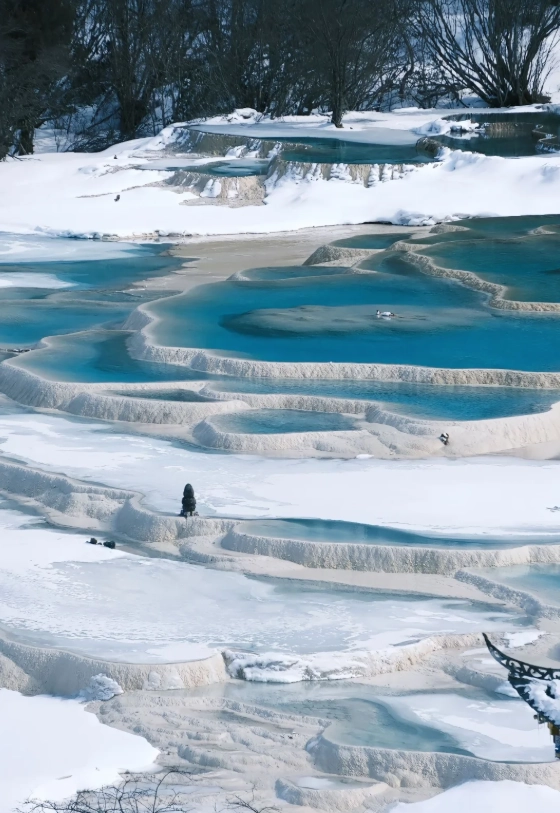
4.3 Dagu Glacier
Address: Heishui County, Aba
Opening hours: 8:30–17:00
Ticket: ¥120 + ¥90 sightseeing bus + ¥180 cable car (must take both)
Reservation: Walk-up OK, but book online for discount.
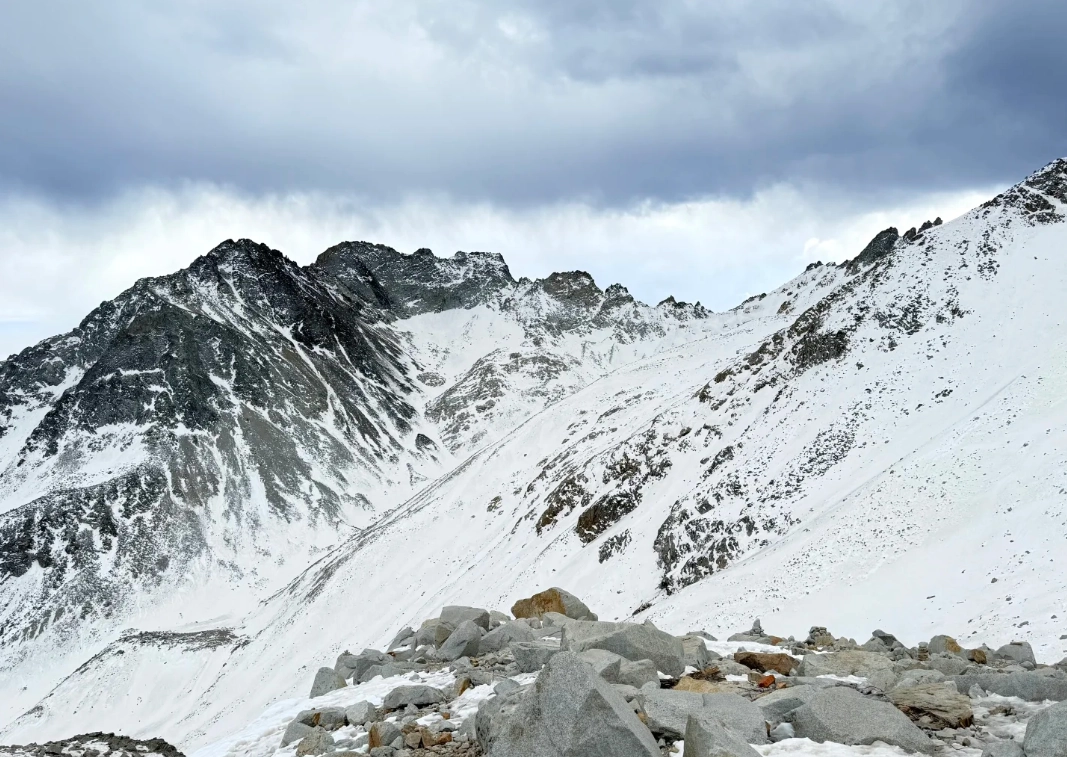
This is the world's lowest-altitude glacier you can actually reach by cable car. At 4,860 meters, the summit gives you a 360-degree view of snowy peaks. I bring oxygen cans (buy in Heishui town for ¥20 each) and tell everyone to move slowly. The café at the top sells hot soup—very welcome up there.
Time needed: 5–6 hours (including bus ride from entrance).
Insider note: The road from the main gate to the cable car station is 30 minutes on a winding mountain bus—if you get motion sickness, take a pill beforehand.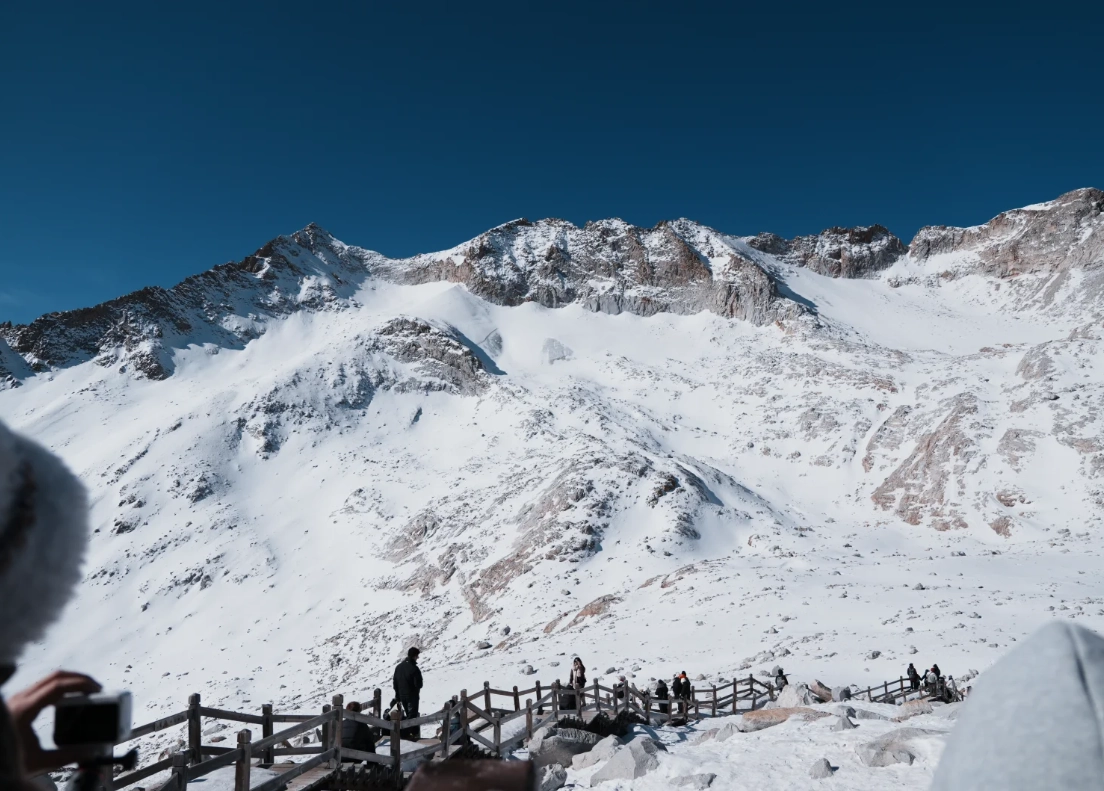
4.4 Bipenggou Valley
Address: Li County, Aba
Opening hours: 8:00–17:00
Ticket: ¥140 (includes scenic bus)
Reservation: Recommended online.
Bipenggou is closer to Chengdu (3.5 hours drive) and is a less crowded alternative to Jiuzhaigou. It offers lakes, waterfalls, and views of Siguniang Mountain. The best part? The walk is easier—mostly flat boardwalks. I often take families with kids here. The autumn foliage rivals any place in Sichuan.
Time needed: Half a day (4–5 hours).
Pro tip: The last bus down leaves at 17:00—don't miss it or you'll have a long walk back.
4.5 Siguniang Mountain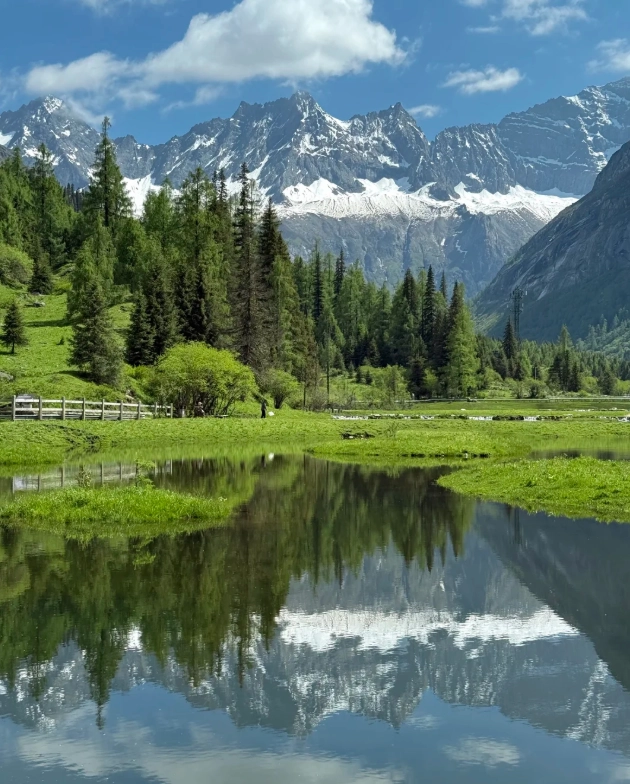
Address: Xiaojin County, Aba
Opening hours: 8:00–17:30
Ticket (Shuangqiao Valley): ¥80 + ¥70 sightseeing bus
Reservation: Bookable on Trip.com.
Siguniang (Four Girls Mountain) is a paradise for hikers. The easiest valley is Shuangqiao—you ride a bus through the valley with 6 stops, each offering different views. Changping Valley is for serious trekkers. If you only have one day, do Shuangqiao. The bus drivers are skilled but the road is bumpy; sit at the front if you get motion sickness.
Time needed: Full day (6–8 hours).
Cost tip: If you skip the bus and hike, you can save ¥70. But the valley is 35 km long—I don't recommend walking unless you're a marathoner.
Sample 7-Day Aba Itinerary for First-Timers
This itinerary works for most first-timers. It balances big sights with travel time, and includes backup ideas if you feel tired or the weather turns bad.
Day 1: Arrive in Chengdu → Drive to Aba (Night in Malkang)
Travel: 5 hours drive from Chengdu to Malkang (the prefecture capital). Altitude: 2,600m.
Plan: Leave Chengdu by 8am. Stop at Lixian for a Tibetan lunch (try yak meat dumplings). Arrive in Malkang by early afternoon. Walk around the old town and visit the Malkang Monastery.
Stay: A hotel with oxygen supply (e.g., Aba Hotel, about ¥300/night).
Dinner: At a local family restaurant—ask for "nourishing hotpot".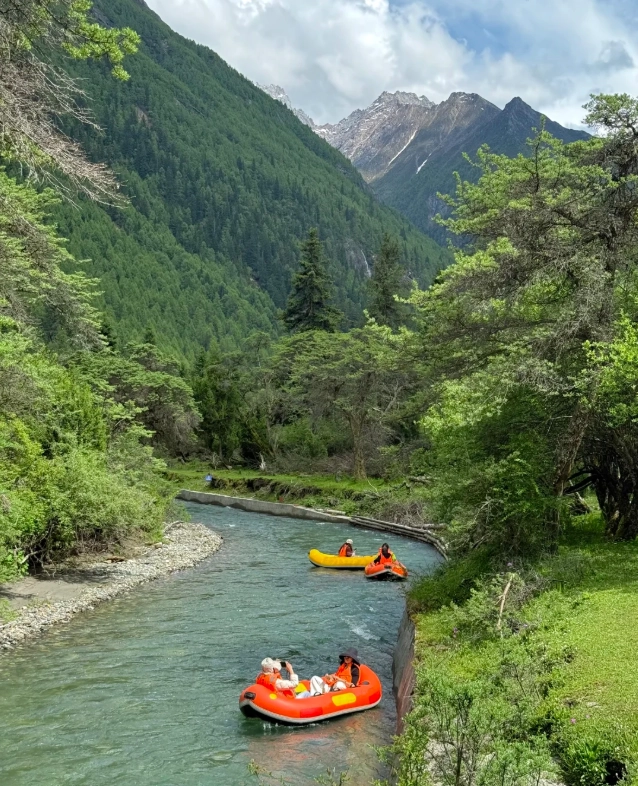
Day 2: Malkang → Jiuzhaigou
Travel: 4 hours drive (take G213, beautiful mountain views).
Plan: Arrive by noon. Check into your hotel near Jiuzhaigou entrance. Rest for an hour, then visit the Tibetan village of Shuzheng (free, just outside the gate).
Evening: Watch the cultural show "Tibetan Bonfire" (¥180, book via hotel concierge).
Day 3: Full Day Jiuzhaigou
Schedule: 8:00–17:00 inside the park. Follow my earlier tips. Have lunch at the Nurilang Rest Area (noodles ¥30, or bring your own snacks). After 15:00 the crowds thin out—hit the quieter upper valleys.
Backup Plan (if raining): The park is still beautiful in rain, but the paths get slippery. Focus on the covered boardwalks around the main lakes.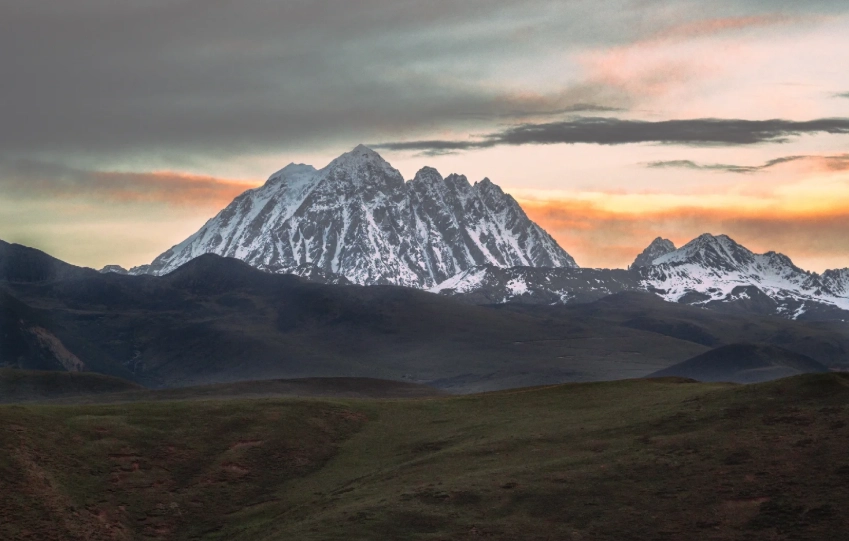
Day 4: Jiuzhaigou → Huanglong → (night in Songpan)
Travel: 2 hours to Huanglong. Spend 4 hours there. Then 1 hour to Songpan town.
Plan: Visit Huanglong in the morning (less crowded). Afternoon, drive to Songpan, walk the ancient city wall, and eat at Grandma's Kitchen (local noodles, ¥15).
Stay: Old Town Hostel (dorm ¥60, private ¥150). Or Songpan Hotel (¥250+).
Day 5: Songpan → Dagu Glacier (night in Heishui)
Travel: 3 hours to Heishui.
Plan: Start early (8am). Arrive at Dagu Glacier around 11. Take the full route (bus + cable car). Spend 2 hours at the top. Return to Heishui town by 6pm. Stay at Heishui Hotel (¥200, basic but clean).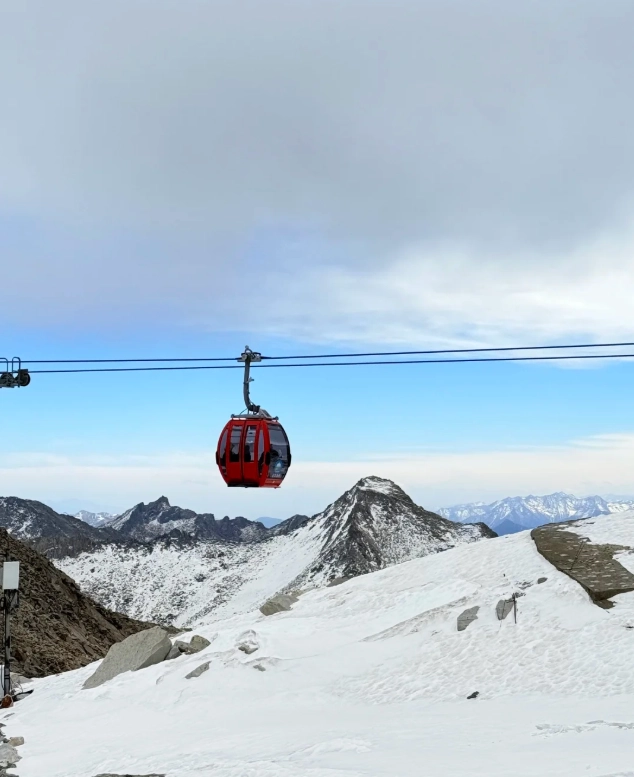
Day 6: Heishui → Bipenggou → (night near Siguniang)
Travel: 2.5 hours to Bipenggou, then 1 hour to Siguniang area.
Plan: Spend 4 hours at Bipenggou. Drive to Siguniang area (Rilong town) by evening. Check into a guesthouse with mountain views.
Day 7: Siguniang Shuangqiao Valley → Return to Chengdu
Plan: Enter Shuangqiao at 8am. Spend 4–5 hours. Leave by 1pm, drive 4 hours back to Chengdu (arrive by 6pm). If you have a late flight, drop off the car and head to the airport.
Flexibility note: You can reverse the route if you fly into Jiuzhaigou first. I often do: Day 1 fly to JZH, start at Jiuzhaigou, then work your way south. If you only have 5 days, skip Dagu Glacier and do Jiuzhaigou + Huanglong + Bipenggou.
Where to Stay in Aba
| Area | Recommendation | Price Range | Why I Recommend It |
|---|---|---|---|
| Jiuzhaigou Entrance | InterContinental Jiuzhai (luxury) or Zangxiang Inn (budget) | ¥400–1200 / ¥150–250 | Walking distance to gate; many restaurants |
| Songpan | Songpan Old Town Hostel | ¥60–200 | Best value; bakery with Western breakfast |
| Heishui | Heishui Hotel | ¥150–250 | Closest to Dagu Glacier; basic but clean |
| Rilong (Siguniang) | Mountain View Guesthouse | ¥100–300 | Homey, great local food, English-speaking owner |
| Malkang | Malkang International Hotel | ¥250–400 | Oxygen rooms; decent buffet |
What to Eat in Aba
Aba's food is a mix of Tibetan and Sichuan flavors. Don't miss these:
- Yak Butter Tea: Salty, creamy, addictive. Try it at a local teahouse (¥5). It helps with altitude too.
- Tsampa: Roasted barley flour mixed with butter tea. An acquired taste but an energy bomb.
- Yak Hotpot: Hearty and warming. I always take my groups to Mazi Hotpot in Jiuzhaigou town (avg ¥80/person).
Payment warning: Many small places accept only WeChat Pay or Alipay. Carry some cash (¥500–1000) for rural areas. International cards work at major hotels, but not at street stalls.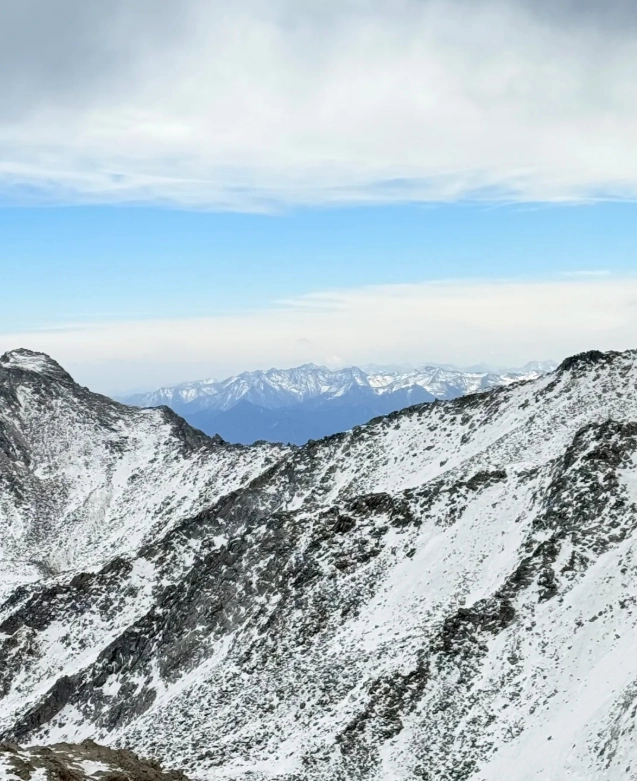
Practical Tips for First-Timers
- Altitude sickness: Diamox is available at pharmacies in Chengdu (buy before you go). Avoid alcohol and heavy exercise the first two days. I carry portable oxygen cans (¥25 in Aba) and use them liberally.
- Wi-Fi: Most hotels have decent Wi-Fi, but in the mountains it can be spotty. Download offline maps (Maps.me or Baidu) before you leave.
- Language: English is not widely spoken outside hotels. Use a translation app (Pleco) with voice input. Hotel front desks usually have a staff member with basic English.
- Driving: An international driving permit (IDP) is not recognized in China. You need a Chinese driver's license or hire a driver. I always recommend hiring a local driver for the first trip—they know the roads and can stop at scenic spots.
- Toilets: Public restrooms along the highway are squat toilets. Carry your own toilet paper and hand sanitizer. Some scenic area toilets are surprisingly clean—make use of them.
- Shopping: Tibetan silver and yak wool scarves are good souvenirs. Bargain hard in tourist markets; start at 30% of the asking price.
FAQ: Common Questions About Aba Itinerary for First-Timers
This article has been fact-checked based on my personal experience leading tours in Aba. Prices and policies may change, so double-check official sources before your trip. Have an amazing time—this region will steal your heart.





No comments yet.