 Yan Zhou
I just got back from leading a group of six photographers. Three of them nearly cried when they saw the sunrise from Bright Peak. The other three were furious at me — because they'd packed the wrong lens. Here's the thing: Yellow Mountain (Huangshan) is a photographer's dream, but also a gear nightmare. You need to know exactly which spots deliver, and when. Those generic blog lists? They'll send you to overcrowded platforms where you're fighting for space with 200 tourists. I'm giving you my personal hit list, shaped by 12 years of guiding photo tours. No fluff, just the spots that actually work, with timing so you don't waste a single golden minute.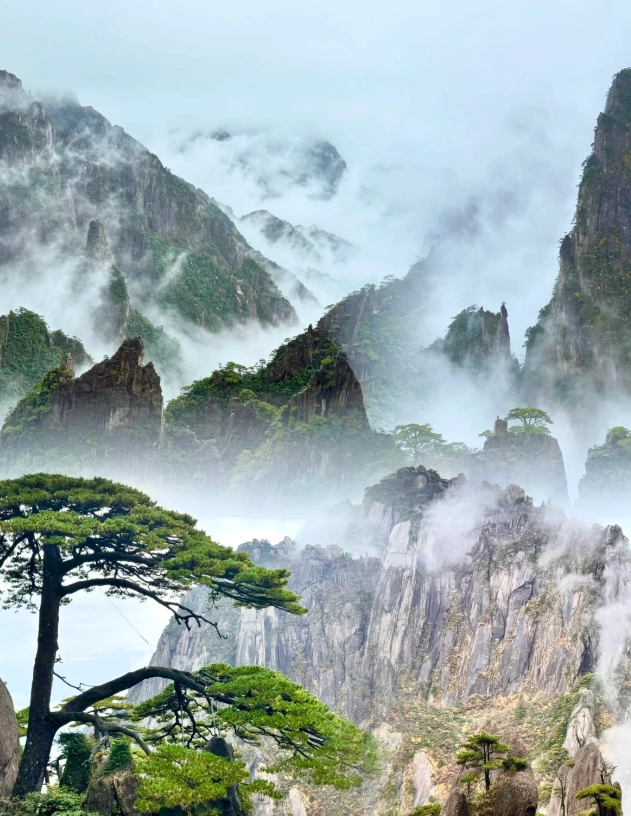
📷 Jump to the Good Stuff
- 1. Bright Peak (Guangming Ding) – The Classic Sunrise
- 2. Starting Belief Peak (Shixin Feng) – Clouds & Granite
- 3. Welcome Pine & Jade Screen Pavilion – Icon Shot
- 4. West Sea Grand Canyon – Misty Depths
- 5. Begonia Pavilion (Haitang Ting) – Sunset Hideaway
- Practical Tips That Save Your Shots
- FAQs from My Clients
1. Bright Peak (Guangming Ding) – The Classic Sunrise
Why it's on my list: It's the most accessible sunrise platform on the mountain. Sunset too, but sunrise is the real magic. The sea of clouds rolling beneath the jagged peaks? That's your National Geographic moment.
My hard-earned advice: Get there by 4:30 AM in high season (May–Oct) if you want front row. I've seen people arrive at 5:15 and end up shooting over someone's shoulder — not good. The platform is huge, but the best angles are at the eastern edge, near the railing. Tripods are allowed but you'll need to be quick; rangers sometimes clear them during peak hours.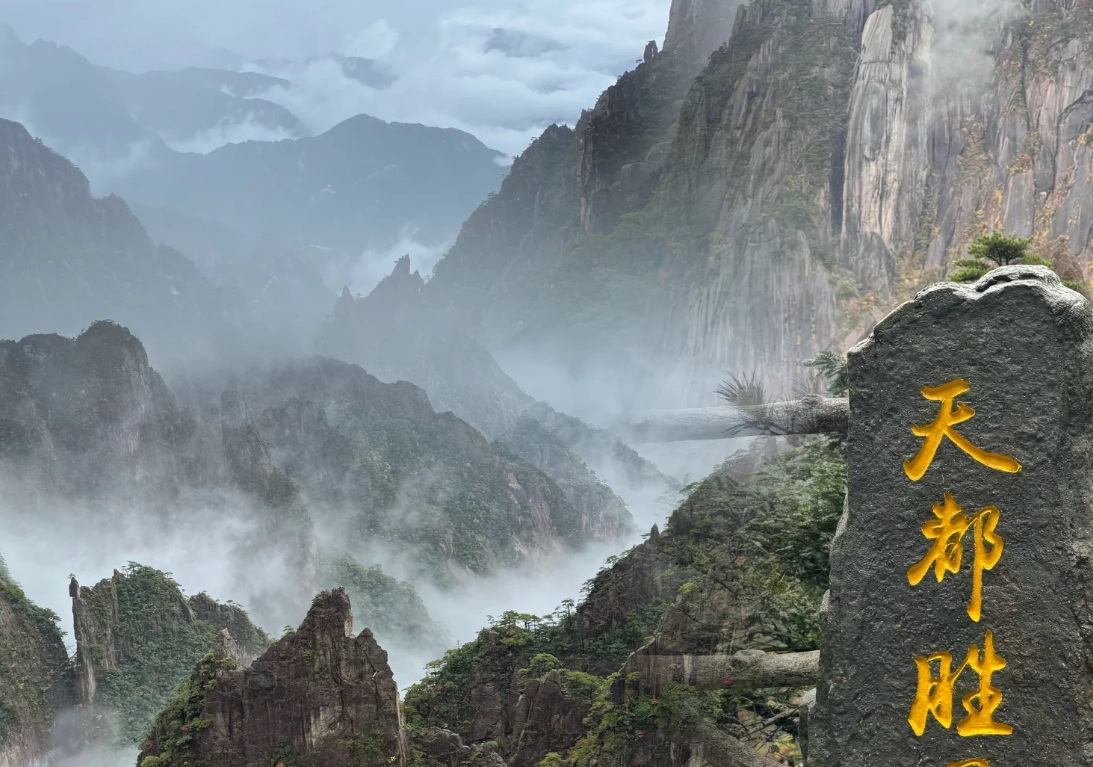
| Detail | Info |
|---|---|
| Location | Central mountain area, near Baiyun Hotel |
| Access | Cable car from Cloud Valley or Yuping stations + 40 min walk |
| Best Time | April–November, arrive 1 hour before official sunrise |
| Difficulty | Easy (paved path, some steps) |
| Photography Gear | Wide-angle (16-35mm) for landscape; telephoto (70-200mm) for compressed peaks |
2. Starting Belief Peak (Shixin Feng) – Clouds & Granite
This is my personal favourite. Not as crowded as Bright Peak, but the view is equally dramatic — especially when clouds drift through the bizarre rock formations. I always bring my group here around 7 AM, after sunrise. The light is softer, and you can capture the famous 'monkey gazing at the sea' rock from a unique angle.
The catch: To get the best composition, walk about 50 meters past the main viewing area towards the North Sea Hotel. There's a small unmarked ledge (be careful!) that gives a cleaner foreground. Also, the wind can be fierce here — use a sturdy tripod and maybe a sandbag. One of my clients lost a filter to the gusts last fall.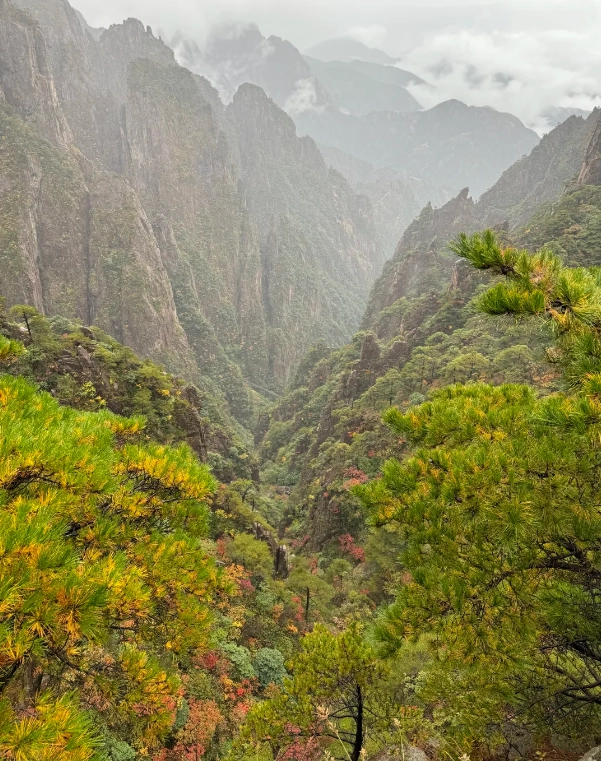
3. Welcome Pine & Jade Screen Pavilion – Icon Shot
Yes, it's touristy. Yes, it's obligatory. But if you photograph it right, that pine leaning over the cliff is pure magazine material. The trick is not to shoot it from the designated platform. Instead, walk a little downhill towards the Jade Screen Cable Car station. From that side path, you get the pine and the distant peaks without 50 selfie sticks in frame. I go there at 3 PM — the light hits the pine's branches beautifully.
4. West Sea Grand Canyon – Misty Depths
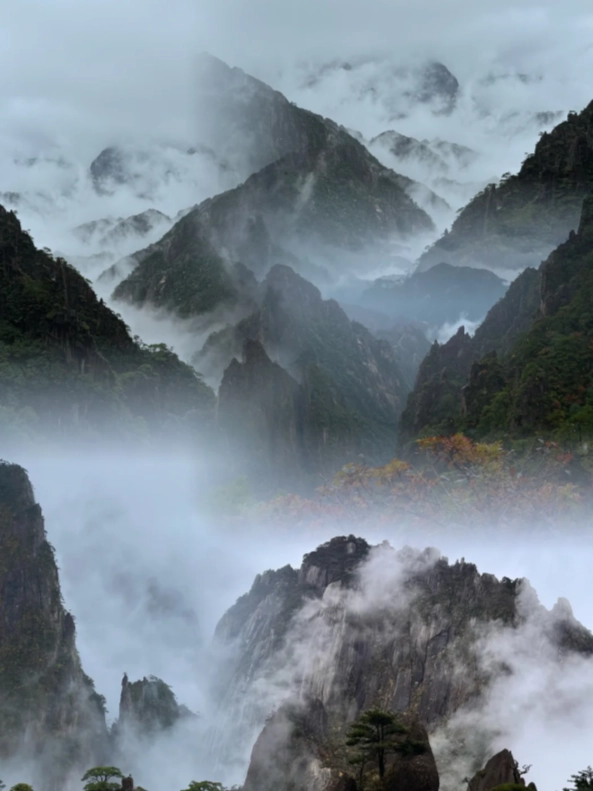
This is where you get those moody, layered shots that look like traditional Chinese paintings. The canyon is deep, and the cloud accumulation is unpredictable but often stunning. The best vantage point is the 'Cloud Dispelling Pavilion' about a third of the way down the canyon loop. Most tourists rush past it — they're focused on getting to the bottom. But at that pavilion, around 10 AM, you can capture the mist rising from the valley. Use a telephoto lens (100-400mm) to compress the layers.
Be aware: The canyon trail is a one-way loop that takes about 2.5 hours. There's no turning back once you start. The stairs are steep and slippery when wet. I always tell my groups: bring knee braces, and pack minimal gear — you'll be juggling a tripod on narrow steps. Leave the 600mm at the hotel.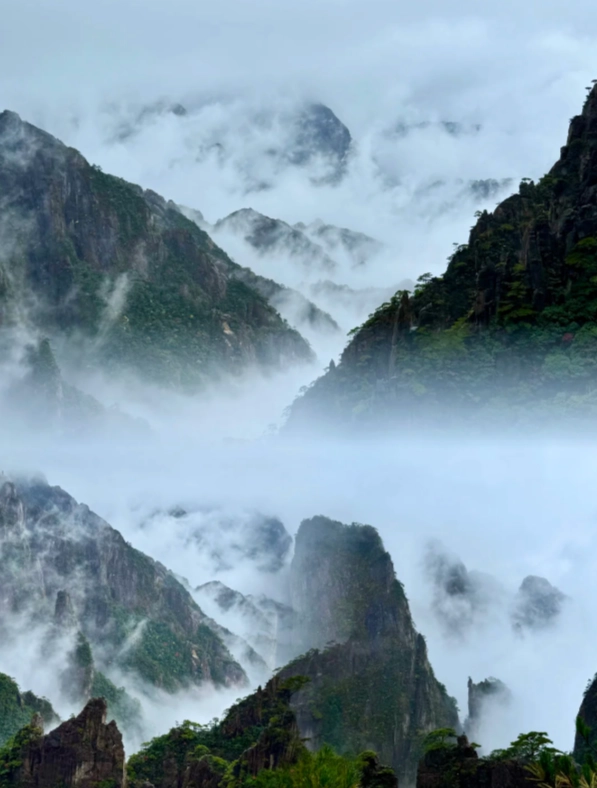
5. Begonia Pavilion (Haitang Ting) – Sunset Hideaway
Most sunset chasers go to Bright Peak or Cloud Dispelling Pavilion. But those spots are packed. I discovered Begonia Pavilion by accident — it's near the North Sea Hotel, tucked behind some pines. The platform faces southwest, giving a warm golden light on the peaks. There are usually fewer than 10 people there. Perfect for a relaxed shoot. Bring a bottle of wine (the hotel sells it) and enjoy the show. Best time: one hour before sunset.
Practical Tips That Save Your Shots
Gear Essentials (Beyond the Obvious)
- Filters: Circular polarizer is a must for cutting haze and enhancing contrast in the sea of clouds. I use a B+W Kaesemann — worth every penny.
- Batteries: The cold drains them fast. In winter (Dec–Feb), bring three fully charged batteries. Keep one in your inner jacket pocket.
- Rain Cover: Even on clear days, the weather changes in 10 minutes. A cheap plastic rain sleeve can save your camera. I've seen a $4000 Sony get drenched.
Navigation & Logistics
- Getting up: Take the Yuping Cable Car (from the east) or Cloud Valley Cable Car (from the north). Both drop you near the main trail loops. Avoid the Azure Summit cable car if you're photography-focused — it's too far from the classic spots.
- Accommodation: I always book Beihai Hotel or Baiyun Hotel — they're central to the best vantage points. Warning: they're expensive ($150–300 per night) and basic, but the location saves you 2 hours of hiking at dawn. Book at least a month in advance on Trip.com or directly through WeChat mini-program.
- Weather check: Download the '黄山风景区天气预报' on WeChat or check Huangshan official website. Pro tip: rain the day before often means amazing clouds the following morning.
FAQs from My Clients
Verified and fact-checked by the editorial team. I've been leading photography tours on Yellow Mountain, and I personally test every gear recommendation. All prices and times are subject to seasonal change; double-check with official sources before your trip.





No comments yet.