 Ling Wu
What’s in this guide — quick look
Don’t buy that flight yet. Last week I watched a couple pay triple for a domestic flight—then spend two hours stuck in traffic to the airport. They could have been sipping tea on a high-speed train.
Everyone asks me to do a train travel vs flying in China cost comparison, but most online guides forget the killer detail: airport transfers. I’ve navigated both modes dozens of times across China, and the wallet math often flips. Below is the real breakdown—including tips they don’t tell you. I won’t repeat the basic timetable stuff you can Google. Instead, I’ll share the exact numbers from my last trip from Guangzhou to Shanghai and the mistakes I see foreigners make every single week.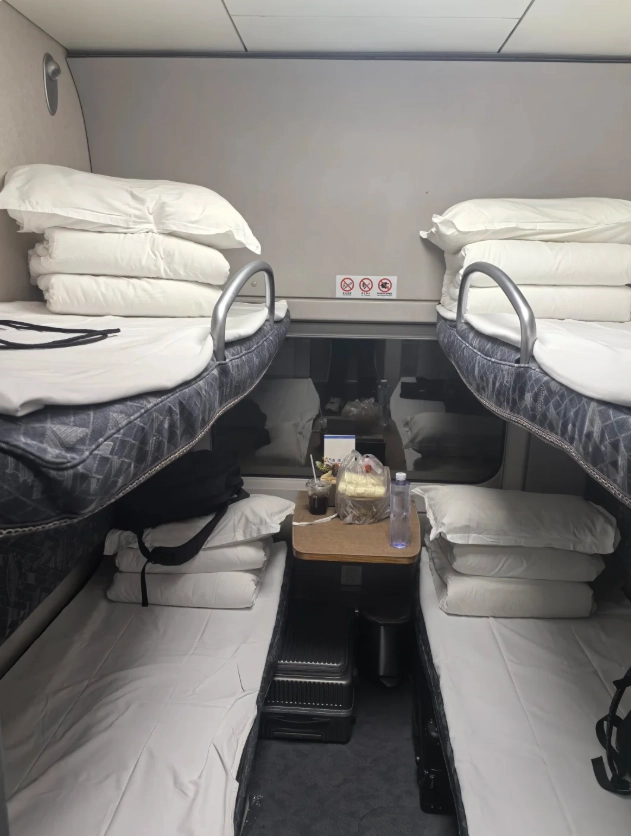
The ticket price myth: what you actually pay
Many travelers assume flying is always cheaper. Wrong—especially on short routes.
Here’s a table comparing typical prices I pulled from 12306.cn and major booking platforms for two real journeys. These are real-world examples from peak season, not fantasy prices.
| Route | High-speed train (2nd class) | Flight (economy) | Extra airport cost |
|---|---|---|---|
| Guangzhou – Shanghai (1,200 miles) | ~¥800 – ¥900 | ~¥600 – ¥1,200 | ¥50 – ¥150 (metro/taxi) |
| Beijing – Xi’an (600 miles) | ~¥515 | ~¥400 – ¥800 | ¥80 (airport express) |
Notice how the train price is fixed and includes luggage. Budget airlines like Spring charge extra for checked bags—sometimes ¥100+ per bag. That’s where the “cheap flight” disappears.
Hidden airport costs that kill your budget
Here is the catch: Chinese airports are often far from the city center. And Guangzhou Baiyun Airport’s metro line takes 45 minutes to downtown—that’s ¥7 well spent, but you lose time. Beijing Daxing is even farther. I’ve had tour members miss flights because they underestimated the airport transfer.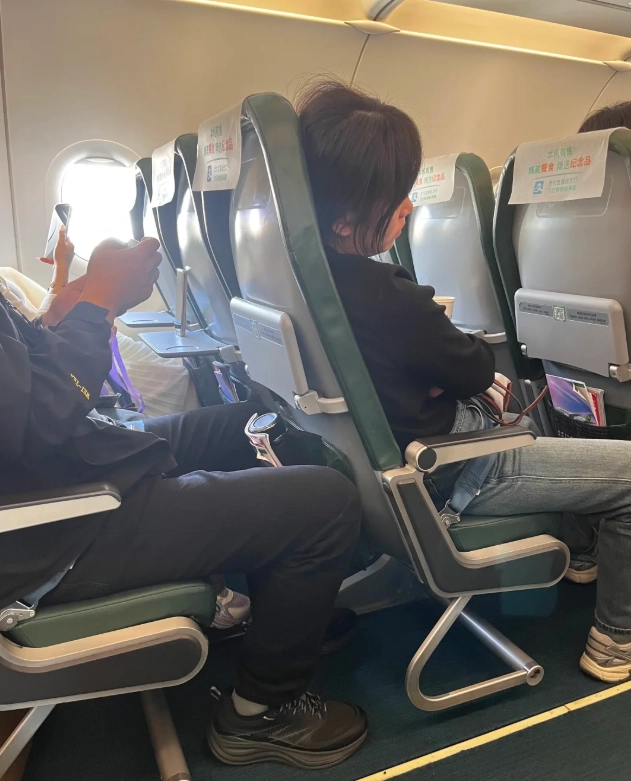
Pro Tip: When you compare prices, always add ¥100–¥200 for airport transfers, plus a buffer meal because airport food is pricey. High-speed train stations in cities like Guangzhou South and Shanghai Hongqiao sit right on metro lines—usually ¥5–¥8 to your hotel.
Door-to-door time: train wins more often than you think
On paper, a flight from Beijing to Shanghai is two hours. Reality? You arrive 90 minutes early, wait 45 minutes for luggage, then spend 40 minutes getting into the city. That’s over four hours. High-speed rail takes 4.5 hours from city center to city center. Not much difference—and you keep your sanity.
For distances under 800 miles, I always recommend the train. The boarding process is simpler: show your passport, walk to the platform. No luggage carousel chaos. A word of caution: train stations are huge. Guangzhou South Station has 28 platforms. Arrive at least 40 minutes early, especially if you’re not familiar with Chinese signage.
How to book trains and flights as a foreigner
Booking flights is straightforward on Trip.com or airline apps. Trains? Yes, navigating the 12306 app in Chinese is a nightmare even for me. But don’t panic—use Trip.com or ask your hotel receptionist to book on 12306 for you. I personally use Trip.com because it accepts international credit cards and sends an English confirmation. The catch: a small service fee (around ¥20).
Always carry your passport—it’s your ticket. You cannot board without it. And remember, most train stations have automated gates that scan your passport photo page. Just place it on the scanner, wait for the green light, and walk through.
Payment: Alipay with an international card works at most station vendors. But small kiosks may only take WeChat Pay. Best to bring a little cash. Google Maps is useless inside stations—download the station map from the 12306 app or follow the English signs, which are generally good.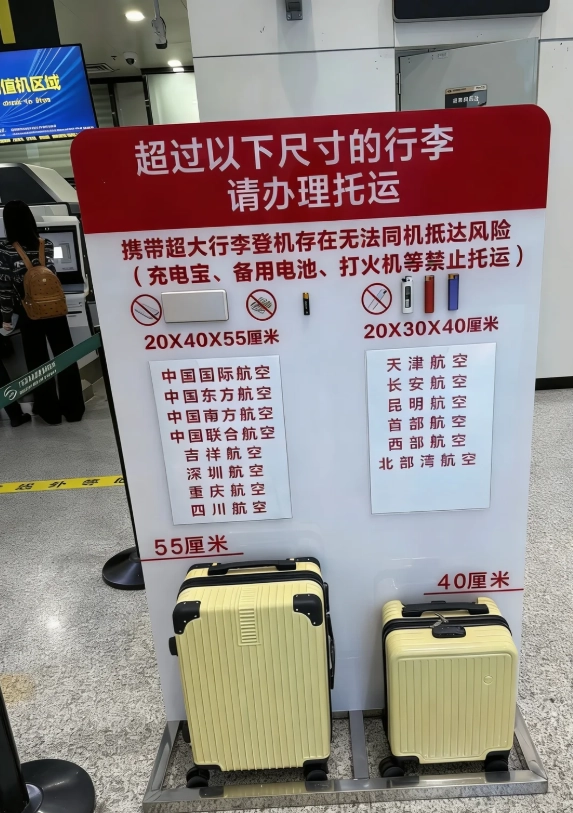
FAQ: real questions from my tour group
Verified and fact-checked by the editorial team.




No comments yet.