 Bo Wu
The smell hits you first. Bitter herbs, dried roots, something faintly smoky.
I still remember my first client's horrified face in a Beijing TCM hall—she thought she signed up for a spa day and walked into a pharmacy from the Qing Dynasty.
That gap between expectation and reality is exactly where most foreign visitors lose money and time.
I have booked the traditional Chinese medicine experience for dozens of travelers and watched the smart ones save hundreds of yuan by skipping the obvious traps. The biggest mistake? Treating it like a museum visit. You need to know which clinics accept foreign passports, which ones push overpriced herbal bundles, and how the pulse diagnosis actually works before you commit an afternoon.
Here is the short answer: the best value is a 90-minute consultation plus one simple treatment, and you should book through Trip.com or ask your hotel receptionist rather than navigating a WeChat mini-program in Chinese.
Now let me walk you through the real details.
Jump Straight to What You Need
What Exactly Is a Traditional Chinese Medicine Experience?
It is not a spa treatment, and it is not a medical procedure you can fully understand in one hour.
Most reputable clinics in Beijing, Shanghai, and Chengdu offer a structured session: a consultation with a TCM doctor, tongue and pulse reading, then a treatment such as acupuncture, cupping, or tuina massage.
The part that shocks my clients most is how little technology is involved. No blood test, no X-ray. Just a doctor looking at your tongue and pressing three points on each wrist. One client whispered, “That's it?”
Yes, that's it. And that is exactly why the experience is fascinating—if you approach it as cultural immersion, not as a cure for a chronic condition.
Pro Tip: Do not book a TCM session on your last day in China. If you try cupping or acupuncture, your skin may show marks for three to five days. I had a guest panic at the airport because her back looked like a crime scene. Choose your session at least 48 hours before flying out.
Where Should Foreigners Go for a TCM Experience?
The most reliable option for foreign visitors is a hospital-based international clinic or a well-known heritage pharmacy, not a random shop with a green cross sign.
I personally use and recommend the following types. Note that prices below are general ranges—always confirm on site or via the booking platform.
| Type of Venue | Example / Area | Est. Price Range (USD) | Best For |
|---|---|---|---|
| Hospital international clinic | Beijing Tongrentang or similar heritage brand | $40–$80 consultation | Travelers wanting English-speaking doctors and official receipts |
| Private TCM wellness center | Shanghai French Concession area | $60–$120 per session | Couples or small groups wanting a calm, spa-like setting |
| Cultural workshop / museum demo | TCM museum in Hangzhou or Chengdu | $15–$30 | Budget travelers and families with kids |
Here is the catch: many private centers advertise “authentic TCM” but are essentially massage parlors with a doctor on call. Ask one question before booking—“Is the consultation done by a licensed TCM physician with a hospital affiliation?” If they dodge the answer, walk away.
For a museum-style introduction, the Beijing Tongrentang Chinese Medicine Museum is a solid half-day option. Address: 20 Tongrentang Street, Dongcheng District, Beijing. Opening hours are typically 8:30 am to 5:00 pm, with last entry around 4:30 pm. Check ahead via China National Tourism Administration resources at Ministry of Culture and Tourism for any schedule changes.
Transport and practical notes
- Nearest subway: Line 5, Ciqikou Station, Exit A. Walk about 8 minutes; look for the large bronze statue of a pharmacist.
- Bring your passport—staff will scan it at reception. Most centers do not accept foreign credit cards directly; use Alipay or WeChat Pay linked to your international card.
- Google Maps is unreliable here. Use Apple Maps or download Amap Global. Show the English address to your Didi driver.
- Recommended visit time: 2 to 3 hours for a museum plus one demo session.
Why the Pulse Diagnosis Is the Part You Should Care About Most
The pulse reading is where a good TCM doctor earns your respect—and where a bad one reveals themselves.
A skilled physician spends at least three minutes on each wrist, pressing with different depths. If the doctor touches your wrist for ten seconds and starts writing a prescription, excuse yourself politely and leave. I have seen this happen to a traveler in a tourist-heavy shopping street near Wangfujing, and the “herbal package” cost him more than his hotel night.
When done properly, the experience feels strangely meditative. The doctor may ask about sleep, digestion, and temperature preferences. Answer honestly—this is not a trick.
What happens during a legitimate session
- Initial interview: 10–15 minutes covering your general health and travel fatigue.
- Tongue inspection: under natural light, not fluorescent. If the room is dark, ask to move to a window.
- Pulse diagnosis: three positions on each wrist, roughly 2–4 minutes total.
- Treatment: acupuncture (20–30 minutes), cupping (10–15 minutes), or tuina massage (30 minutes).
- Herbal recommendation: optional. You can decline without awkwardness.
Insider Advice: Most tourists visit TCM clinics between 10 am and 2 pm because that fits their sightseeing schedule. But the best doctors often hold senior consultation hours in the late afternoon. I always book the 4 pm slot—shorter queues, calmer atmosphere, and the physician is not rushing to lunch.
How to Handle Herbal Medicine Tasting Without Getting Ripped Off
You do not need to buy the dried seahorse or the five-year-aged tangerine peel, no matter how convincing the sales pitch sounds.
Herbal tasting is a fun add-on, but the pricing is wildly inconsistent. A small bag of common herbs like goji berries or chrysanthemum should cost less than $10. If someone quotes $80 for a “custom vitality blend,” you are in a tourist trap.
Payment matters here. Many small herbal shops operate on a cash-only or WeChat Pay basis. An international Visa card will likely be refused. Keep 100–200 yuan in cash for small purchases, or ensure your Alipay is set up before you arrive. The National Immigration Administration provides general guidance on entry and stay, but payment setup is best done at your hotel.
I usually steer my clients toward the packaged herbal tea sampler at the museum gift shop. It is clearly priced, comes with English instructions, and makes a lightweight souvenir that will not raise eyebrows at customs.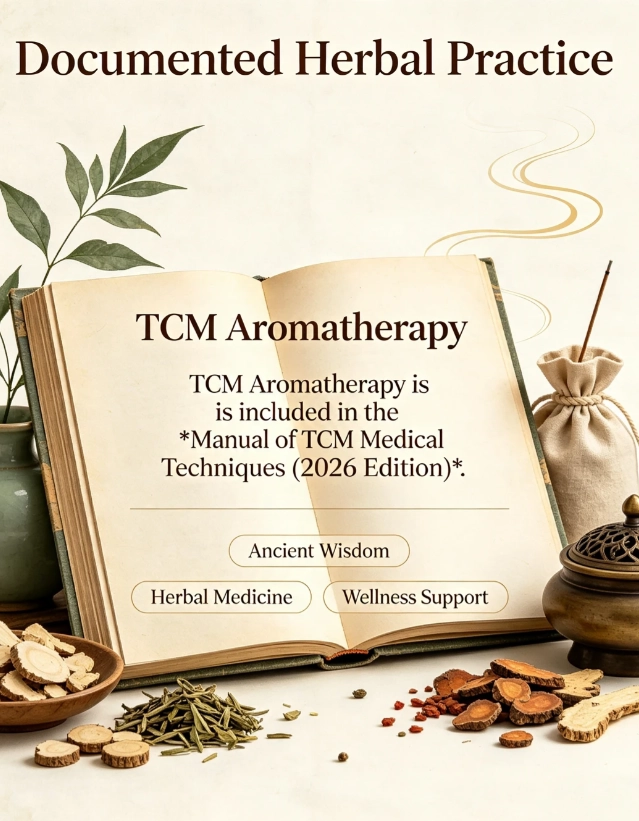
Real Questions Travelers Ask Me About TCM
Verified and fact-checked by the editorial team. This content has been fact-checked to ensure informational precision.



No comments yet.