 Ming Yang
What I'd Tell a Friend Before They Go
Two police checkpoints. One passport scan. And a ticket window that only takes cash. That was my first attempt at Jokhang Temple—and I was leading a group of six. I messed up the permit-to-ticket order. Here's the fix.
The Jokhang Temple Lhasa visitor guide you find online usually lists the address and says “go early.” Useless. I've taken clients through those gates more than thirty times. The real issues are the Tibet Travel Permit check, the passport-only ticket rule, and the afternoon light that makes half the interior photos look like muddy shadows. This guide gives you the order of operations so you don't get turned away at the first barrier.
Here's the one thing to remember: buy your ticket only after your permit is verified at the first checkpoint. Do not book through third-party sites that promise “skip-the-line” entry—they don't control the checkpoint. Now, let me walk you through the exact steps.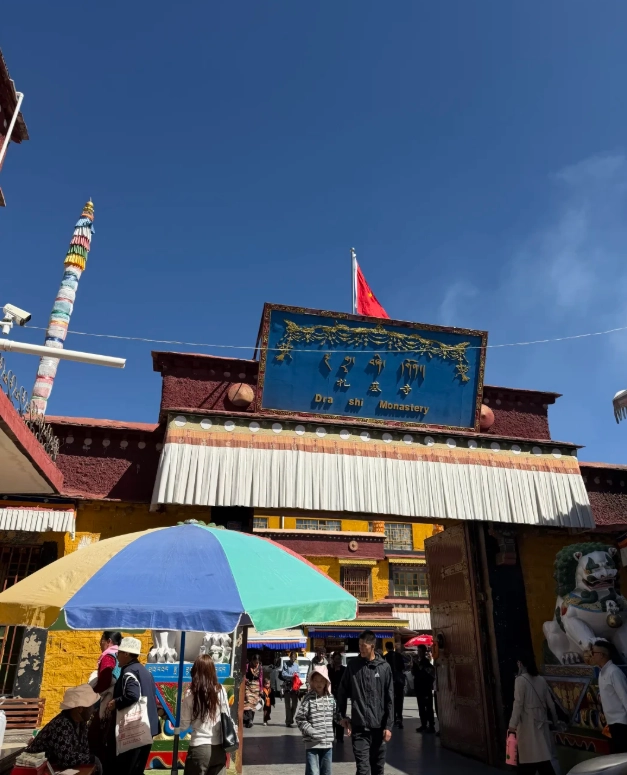
What Is Jokhang Temple—and Why Does It Matter?
Jokhang Temple is the spiritual heart of Lhasa. It's a seventh-century Buddhist temple—UNESCO World Heritage listed as part of the Historic Ensemble of the Potala Palace—and it draws pilgrims who prostrate for hours outside its doors. That's not a performance for tourists. It's living practice, and you're walking through their space.
I always tell my clients: treat the entrance like a church you're visiting during mass. Quiet voice. No flash. And don't stand directly in front of someone mid-prostration to take a photo. I've seen that argument end badly. The UNESCO World Heritage listing gives you the official history, but the etiquette comes from being there.
Tickets, Opening Hours & the Entry Rule Nobody Mentions
The ticket price is straightforward—roughly 85 yuan for adults, with discounts for children and seniors depending on current policy. But the passport rule is what trips people up. You must show your physical passport, and the name on your Tibet Travel Permit has to match exactly. A photocopy won't work. Neither will a photo on your phone.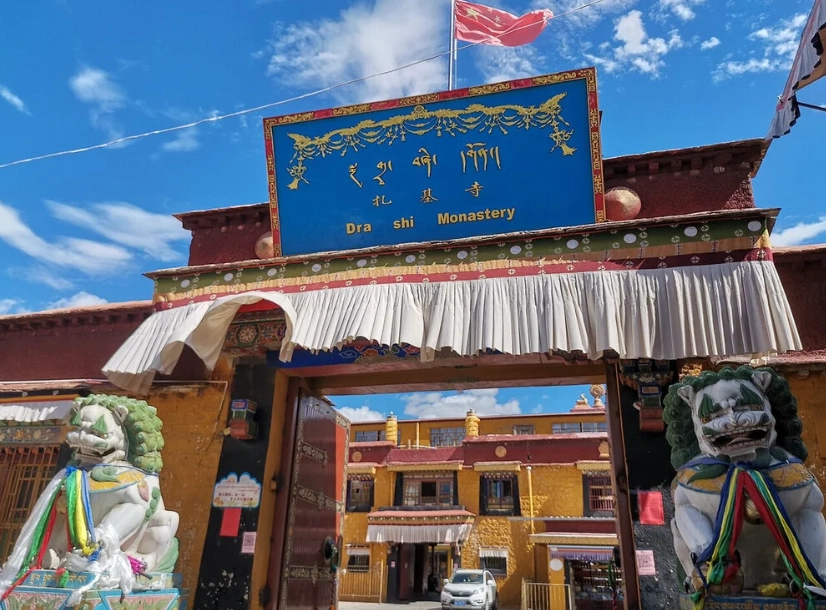
| Item | Detail | Notes |
|---|---|---|
| Adult ticket | Around 85 CNY | Cash is safest |
| Opening hours | Morning to late afternoon | Shortened during winter |
| Passport requirement | Physical passport only | Name must match permit |
| Advance booking | Not typical for foreigners | Arrive early, buy on-site |
| Payment method | Cash and WeChat Pay | International credit cards often fail |
Here's the catch: the ticket window is inside the first courtyard, past the initial permit check. You don't buy a ticket from the street. And the permit checkpoint—usually staffed by police—is not optional. If you don't have your Tibet Travel Permit and passport ready there, you will not reach the ticket window.
Pro Tip: Most visitors arrive around 10 a.m. and get stuck in a slow-moving passport line for twenty minutes. I aim for the first entry slot—staff are less rushed, and the courtyard light is soft for photos.
How to Get There Without Wasting a Morning
The temple sits on Barkhor Street in the old city. Google Maps will show you the right spot but cannot navigate the one-way alleys around Barkhor. Use Apple Maps or AMap Global—search “Jokhang Temple” and follow the walking route. If you take a taxi, show the driver this English address: Jokhang Temple, Barkhor Street, Chengguan District, Lhasa. Most drivers know it as “Dazhao Temple” in Chinese, so say “Dazhao Si” if you want to be understood.
From the Barkhor Street entrance, walk clockwise with the pilgrim flow—that's the local custom. The main entrance is roughly a five-minute walk from the south side of Barkhor. You'll pass vendors selling prayer flags and butter lamps. Keep following the crowd until you see the security gate. That's where the permit check begins.
If you're coming from the Potala Palace area, a taxi takes about fifteen minutes in normal traffic and costs around 15–20 yuan. During peak season, the roads near Barkhor get tight, so ask the driver to drop you at the nearest intersection rather than trying to get closer.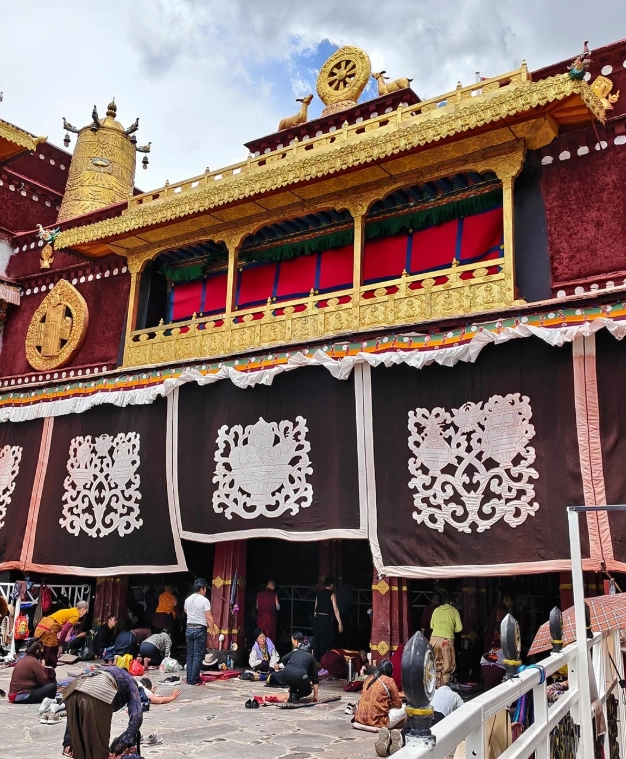
Best Time to Visit: When to Beat the Crowds
Here's a non-consensus take: skip the sunrise visit. Every guide pushes early morning, but that's when pilgrims flood in for morning prayers—you'll be shoulder-to-shoulder and shuffled along. The sweet spot is right after lunch, around 1:30 p.m. The pilgrim crowd thins, the temple staff are more relaxed, and the light on the golden roof hits from the west.
But if you want the best photo of the temple exterior without harsh shadows, arrive around 4 p.m. The afternoon sun warms the white walls and the butter-lamp glow inside is richer. I've taken award-winning shots there at that hour—no filter needed.
One more thing: the temple closes earlier in winter, and some sections may be off-limits during special religious events. Always check with your hotel reception or the official Tibet tourism website before you go. The National Immigration Administration also posts updates on Tibet travel permits, which are mandatory for foreign visitors.
What to See Inside (and What to Skip)
Most people rush straight to the central hall housing the Jowo Shakyamuni statue—the most sacred object in Tibetan Buddhism. It's worth your time, but the line moves slowly. I tell my clients to spend five minutes there, then wander the outer corridors.
- The golden roof terrace — climb up for a panoramic view of Barkhor Street and the Potala Palace in the distance. Best light is late afternoon.
- The butter-lamp chapel — quieter, with a scent that lingers. Great for a moment of stillness.
- Skip the crowded photo-op spots near the main entrance — they're packed and not particularly interesting.
Also, be aware: some side chapels are dimly lit and have low doorways. If you're tall, watch your head. I've seen more than one tourist bump their forehead. And the restrooms near the ticket area often have a long line—use the facilities at a nearby café on Barkhor before you enter.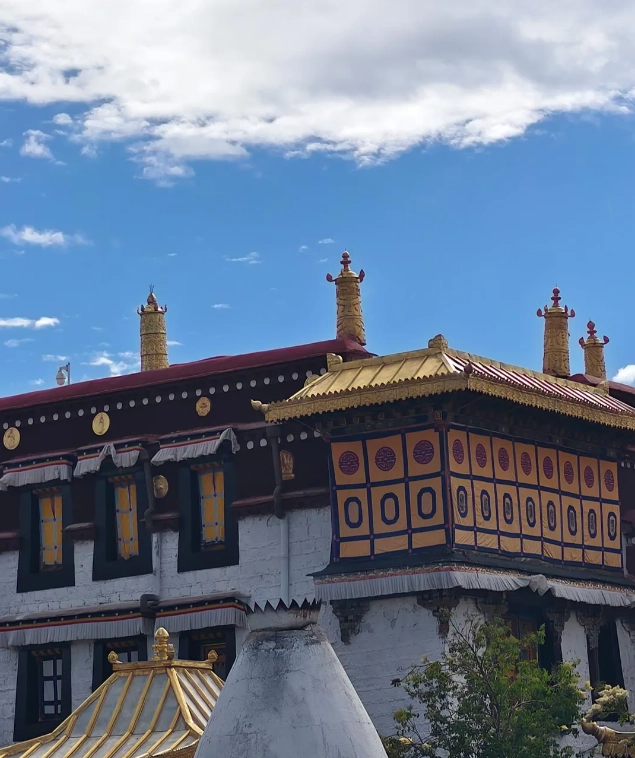
FAQ: Real Visitor Questions
Do I need a guide to enter Jokhang Temple?
Not officially. But the permit check can be confusing if you don't speak Chinese. Many travelers find it easier to join a small group tour through Trip.com or Klook—those bookings usually include permit assistance and a guide who handles the checkpoint. If you go solo, have your passport and Tibet Travel Permit clearly visible in a plastic sleeve.
Can I pay with a foreign credit card at the ticket window?
Rarely. The ticket counter primarily accepts cash and WeChat Pay. International Visa or Mastercard often fails. Bring enough Chinese yuan in cash. ATMs exist near Barkhor, but they can run out of cash on weekends.
What if I visit during a festival—is it worth it or should I avoid it?
During major Tibetan festivals like Saga Dawa, the temple is packed with pilgrims and the atmosphere is electric—but you'll have little space to move. If you're claustrophobic or travel with young children, avoid festival days. Otherwise, go early and embrace the chaos; it's a cultural experience you won't forget.
Is photography allowed inside the temple?
Yes, but with restrictions. No flash, no tripods, and no photos of the inner sanctum where the Jowo statue sits. Some chapels have signs in English. When in doubt, watch what locals do—if they're not taking photos, don't.
Verified and fact-checked by the editorial team to ensure informational precision. Entry policies and ticket prices are subject to change—confirm with your hotel or official Tibet tourism channels before visiting.
No comments yet.