 Fang Wang
Three cities. Four days. One train I nearly missed.
Shandong rewards travellers who plan the boring parts — tickets, seat reservations, passport numbers — and then improvise everything else. I have walked this loop more times than I can count, and the mistakes are almost always the same ones.
I have watched visitors build a 4 days in Shandong trip around Qingdao alone, then panic on day three when they realise Mount Tai and Qufu sit four hours away in the opposite direction. That is the biggest information gap out there. International cards fail at small ticket windows. Google Maps quietly gives up outside Jinan. And those pretty three-day itineraries floating around online were clearly written by people who never stood in a queue.
So here is the verdict up front: run the loop inland-to-coast — Jinan, Tai'an, Qufu, Qingdao — and lock your high-speed rail seats the moment your passport number is in hand, ideally five to ten days ahead. Weekend departures on this corridor sell out, and I mean properly sell out.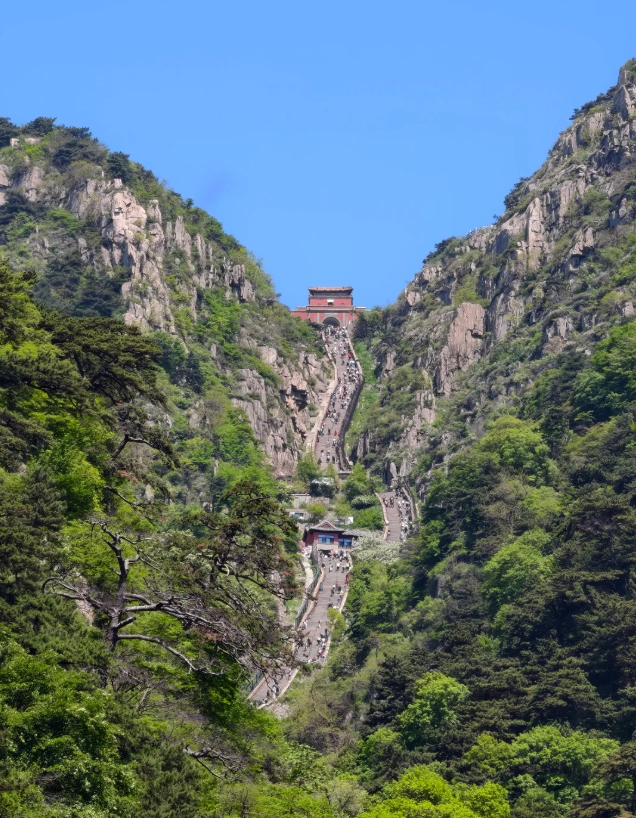
My Route Map — Tap To Jump
- What a Realistic 4 Days in Shandong Looks Like
- Day 1 — Jinan: Springs and Slow Streets
- Day 2 — Mount Tai Without Wrecked Knees
- Day 3 — Qufu: Confucius and Passport Rules
- Day 4 — Qingdao: Beer, Coast, Reality Check
- How Do You Move Between Shandong's Cities?
- Where Should You Sleep in Shandong?
- What Should You Sort Out Before Booking Anything?
- Straight Answers to the Questions I Get Weekly
What a Realistic 4 Days in Shandong Looks Like
Why I Never Start at the Coast
Starting in Qingdao and working backwards is the single most common planning error I see, and it costs people a full day. The rail spine of Shandong runs west to east — Jinan to Tai'an to Qufu to Qingdao — and the frequencies thin out dramatically in the reverse direction, especially on the Qufu leg.
There is a second reason that has nothing to do with timetables. Jinan and Qufu are intellectual cities. You walk, you read, you slow down. Qingdao is a beach city with a beer garden attached. Ending there means your last day feels like a reward rather than a warm-up. I have sent clients both ways, and the coast-first group always messages me on day three sounding tired.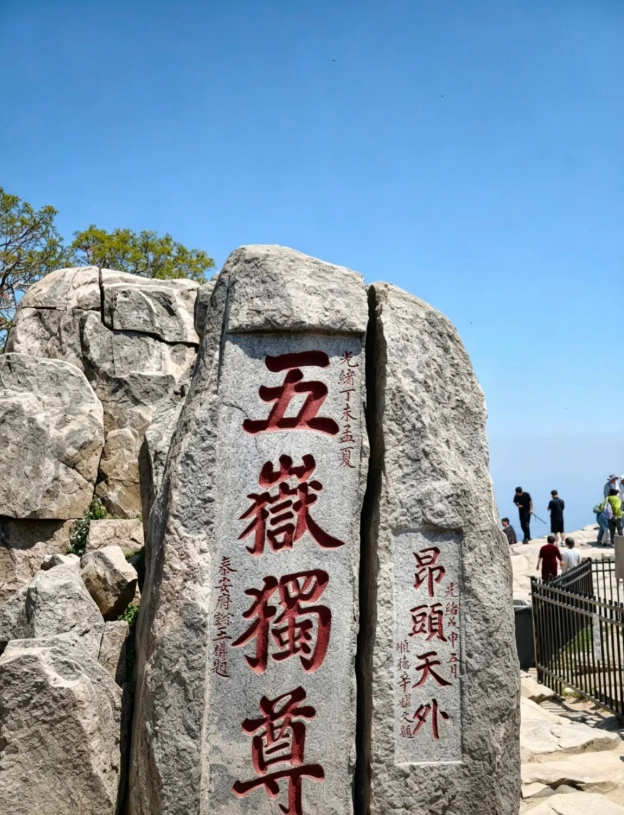
The Four-Day Skeleton I Actually Book
This is the shape I use. Treat the rail times as planning figures rather than gospel, because schedules shift seasonally — check live times on China Railway 12306 or through Trip.com, which handles foreign passports more gracefully.
| Day | Base City | Main Stops | Rail Time to Next Base | Best Departure Window |
|---|---|---|---|---|
| 1 | Jinan | Baotu Spring, Daming Lake, Kuanhou Lane | 20-25 min to Tai'an | Mid-morning arrival, full afternoon |
| 2 | Tai'an | Mount Tai summit, Dai Temple if energy allows | 35-45 min to Qufu East | Start the climb 6:30-7:30 |
| 3 | Qufu | Temple of Confucius, Kong Family Mansion, Cemetery | 2.5-3.5 h to Qingdao | Depart after an early lunch |
| 4 | Qingdao | Zhanqiao Pier, St. Michael's Cathedral, Beer Museum, Signal Hill | N/A | Full day, no rail needed |
Day 1 — Jinan: Springs and Slow Streets
Baotu Spring: What the Ticket Booth Won't Tell You
Arrive within the first hour of opening and you will photograph the springs with almost nobody in frame. By 10am the tour flags are out, and the famous viewing platform turns into a shoulder-to-shoulder scrum.
Admission sits in the region of ¥40 for adults, with roughly half price for students holding valid ID and free or reduced entry for children under the height threshold and for seniors with documentation. Rates shift between peak and low season, so confirm the current figure on the official channel rather than trusting a blog post. Tickets are passport-registered. If the WeChat mini-program in Chinese makes you want to throw your phone into the spring, Trip.com lists the same ticket in English and takes international cards.
Getting there: Metro Line 1 to Baotuquan Station, then follow the crowd — it is genuinely a three-minute walk. If you take a taxi, show the driver 趵突泉东门 — the east gate — because the west gate drops you at a longer, shadeless approach.
The light here is best before 9am. I know every guidebook says midday, and I have personally watched people squint into blown-out reflections at 1pm wondering why their photos look flat. Morning or nothing.
Furong Street — Eat Once, Then Leave
Furong Street is a snack street, and I want to be honest with you: it is fine, not great. Walk it once for the noise and the neon. Then eat somewhere else.
Head instead to the Kuanhou Lane area near Quancheng Road. It is cleaner, calmer, and the food is better. Things worth ordering in Jinan:
- Bazi rou — braised pork belly over rice, soy-heavy and savoury rather than sweet. Around ¥15-25 a portion.
- Tianmo — a thick, slightly peppery millet soup with peanuts and vermicelli. It sounds strange. It works.
- Yousuan — a flaky spiral pastry, best bought hot from the griddle.
Pro Tip: Almost every food stall in Jinan runs on QR payment only. Cash is technically legal tender but you will get a confused look. Load Alipay with an international card before you fly, and keep about ¥200 in small notes as a genuine backup for the rare stall that still takes it.
Evening: Daming Lake. No ticket needed for the main park area, and the lakeside walk at dusk is the best free hour in the city. There is a small boating fee if you want to go out on the water.
Day 2 — Mount Tai Without Wrecked Knees
Cable Car or Walking: The Honest Math
The full stair climb is over 6,000 steps and takes fit hikers four to six hours one way. Most visitors who attempt it are limping by day three. That is not a warning, it is a pattern I have seen repeat for years.
Entry to the scenic area runs roughly ¥115 in peak season and a little less off-peak, with discounts for students, children and seniors. The cable car and the shuttle bus are priced separately — budget around ¥100 each way for the cable car and a small fee for the bus.
The route I recommend to almost everyone: taxi or bus to Tianwai Village, shuttle bus up to the Midway Gate of Heaven, then either the cable car to the summit zone or, if your knees are good, the legendary Eighteen Bends stair section on foot. That last stretch is the one people actually come for. It takes about an hour at a steady pace and the reward-to-suffering ratio is excellent.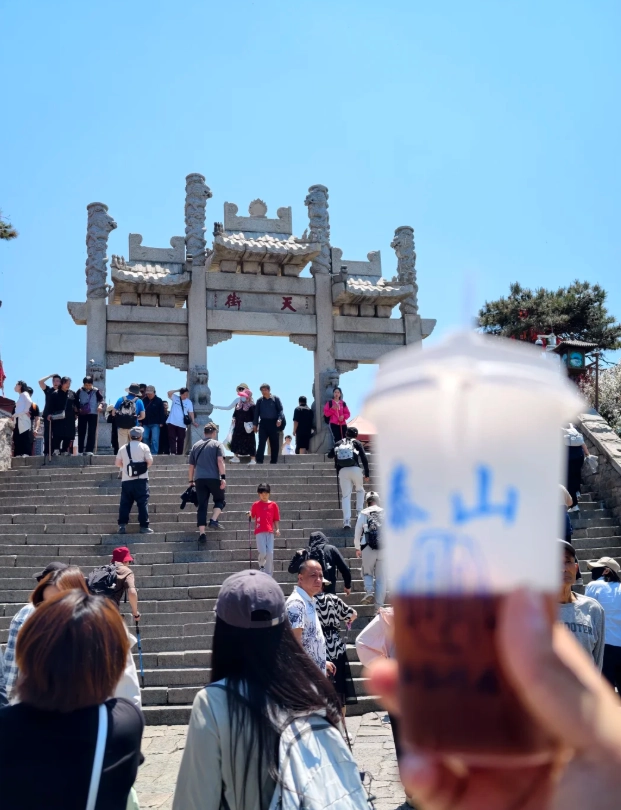
Insider Advice: The ticket office toilets at Tianwai Village have the longest queue on the mountain, and the line moves slowly because everyone is adjusting backpacks. Use the facilities at your Tai'an hotel before you leave. You will thank me at 1,000 metres.
Should You Sleep on the Summit for Sunrise?
Only if two things are true: the forecast is clear, and you have a spare recovery day. Sunrise from the summit is genuinely spectacular when the cloud sea forms. It is also frequently a grey wall of fog with 200 people shivering beside you.
My honest position: skip it on a four-day loop. You would arrive in Qufu the next day exhausted, and the Temple of Confucius deserves better than a sleepwalking visitor. If sunrise matters to you, add a fifth day.
Mount Tai holds a UNESCO World Heritage listing for both its natural and cultural value, and the stone inscriptions along the ascent are the part people rush past. Slow down on the lower sections before the stairs start. That is where the history actually sits.
Day 3 — Qufu: Confucius and Passport Rules
You cannot buy a Qufu ticket without your passport in hand, and photocopies are not accepted. I have watched a family lose an hour walking back to their hotel for a document they left in the room safe.
The three core sites — the Temple of Confucius, the Kong Family Mansion and the Cemetery of Confucius — sit within the UNESCO-listed Temple and Cemetery of Confucius and the Kong Family Mansion inscription. A combined ticket is the sensible purchase, generally in the region of ¥140, with student and senior reductions. The sites are spread out; the cemetery in particular is a long, tree-lined walk north of the old town and you will want the shuttle or a taxi for the return leg.
Official guides wait near the main entrance and typically charge a few hundred yuan for a couple of hours. Agree the price and the duration before you start walking. A good guide turns a courtyard of empty halls into a story. A bad one reads plaques at you. Ask one question before committing — if they answer with detail rather than a rehearsed paragraph, hire them.
Afternoon: catch a high-speed train east to Qingdao. This is the longest rail leg of the trip, and some departures require a change at Jinan. Check whether yours is direct before you book.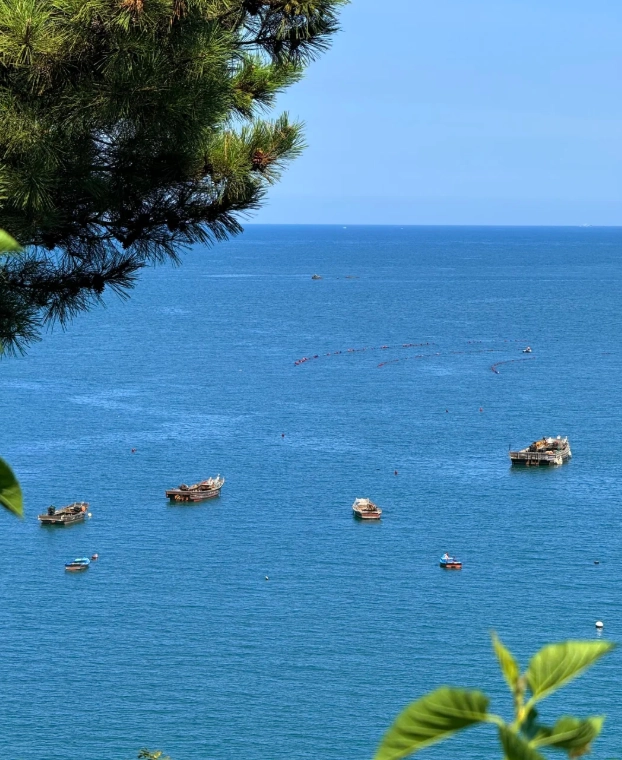
Day 4 — Qingdao: Beer, Coast, Reality Check
Qingdao's Old Town is built on hills, and the cobblestones are polished smooth. Flat shoes with actual grip are not optional. I have seen more rolled ankles here than on any mountain in the province.
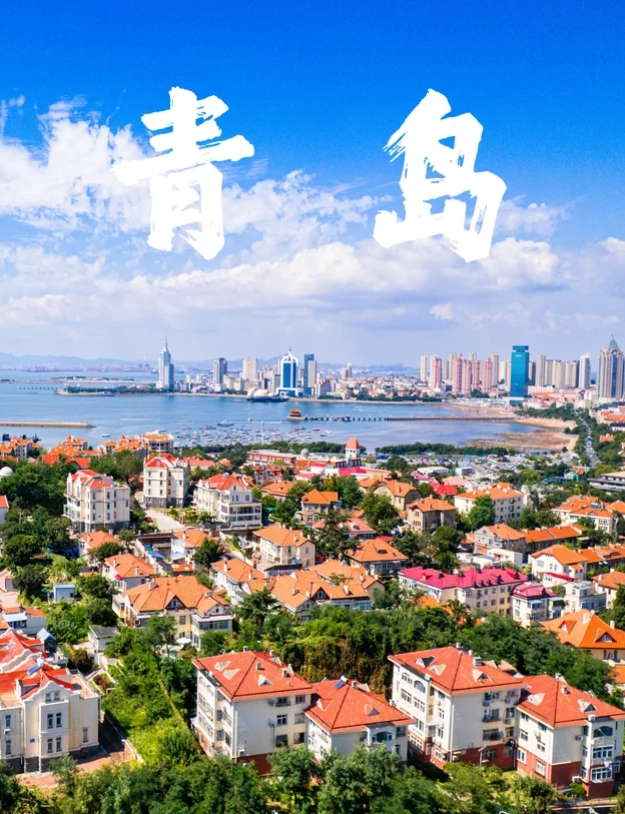
Start at Zhanqiao Pier early. The pier itself is a five-minute walk, but the view back toward the red-roofed town is the shot everyone wants, and it only works before the light goes harsh. St. Michael's Cathedral is a short uphill walk away and charges a small entry fee — modest, and worth it for the interior alone.
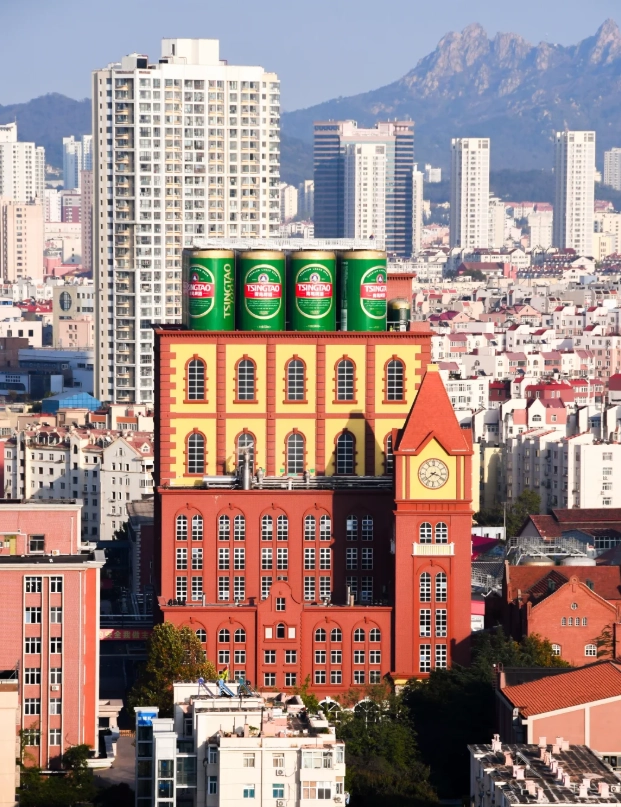
Then the Tsingtao Beer Museum. Tickets are generally around ¥60 and include a couple of tasters at the end. Book through Trip.com or the official mini-program if you want a specific slot; walk-up queues on weekends can run past an hour. The tasting room at the finish is where the tour groups bottleneck, so arriving right at opening genuinely helps.
Late afternoon: Signal Hill for sunset over the rooftops. It is a small park with a modest entrance fee and a short climb, and the view justifies the stairs. If you only do one paid viewpoint in Qingdao, make it this one rather than the pier tower.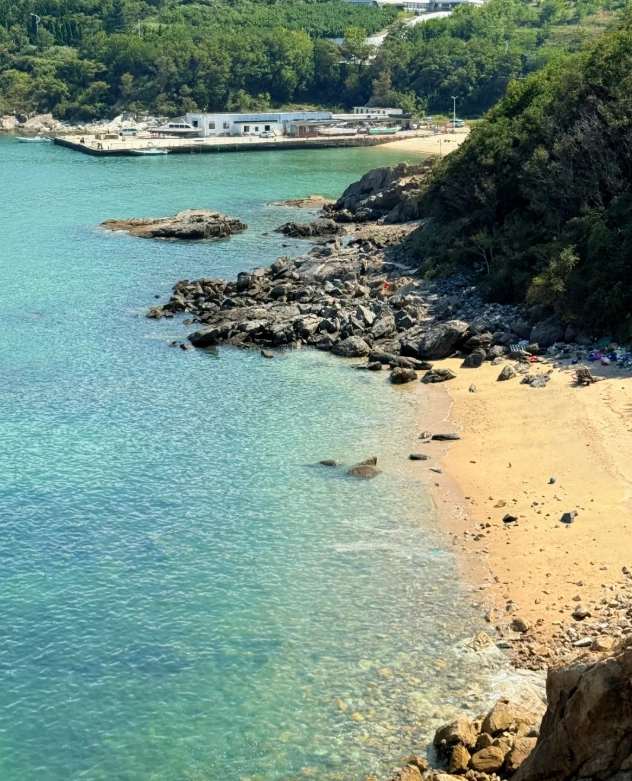
Where I eat in Qingdao: the seafood street near Taidong is loud and lively, but for something calmer I send people to the small restaurants tucked behind Zhongshan Road, where clams steamed in beer and grilled squid come out fast and cheap. Expect ¥60-120 per person for a full seafood meal. Point at what you want if there is no English menu — it works every time.
How Do You Move Between Shandong's Cities?
High-speed rail beats every other option on this route, and it is not close. Shandong's network is dense, the trains are punctual, and your passport doubles as your ticket at the gate — no printing required.
| Route | Best Option | Typical Time | Est. Second-Class Fare | Notes |
|---|---|---|---|---|
| Jinan to Tai'an | High-speed rail | 20-25 min | ¥30-40 | Departures every 20-40 min, very forgiving |
| Tai'an to Qufu East | High-speed rail | 35-45 min | ¥40-60 | Fewer evening departures, plan the last one |
| Qufu East to Qingdao | High-speed rail | 2.5-3.5 h | ¥150-200 | Some services require a change at Jinan |
| Qingdao city to Jiaodong Airport | Metro plus airport express | 60-80 min | ¥30-50 | Cheaper and more predictable than a taxi |
Fares are approximate and vary by train class and season. Within cities, DiDi — the local ride-hailing app — works in English and links to Alipay. It is almost always cheaper than a street taxi, and you never have to explain an address out loud.
One thing worth repeating: Google Maps is unreliable in mainland China. Use Apple Maps if you have an iPhone, or download Amap Global. Ask your hotel to write destination names in Chinese on a card, or keep them saved as screenshots. Showing a driver a phone screen works far better than pronouncing a street name.
Where Should You Sleep in Shandong?
Proximity to the rail station matters less than proximity to the thing you are actually doing that morning. Every accommodation mistake I see comes from someone booking next to a station and then spending ¥40 a day on taxis.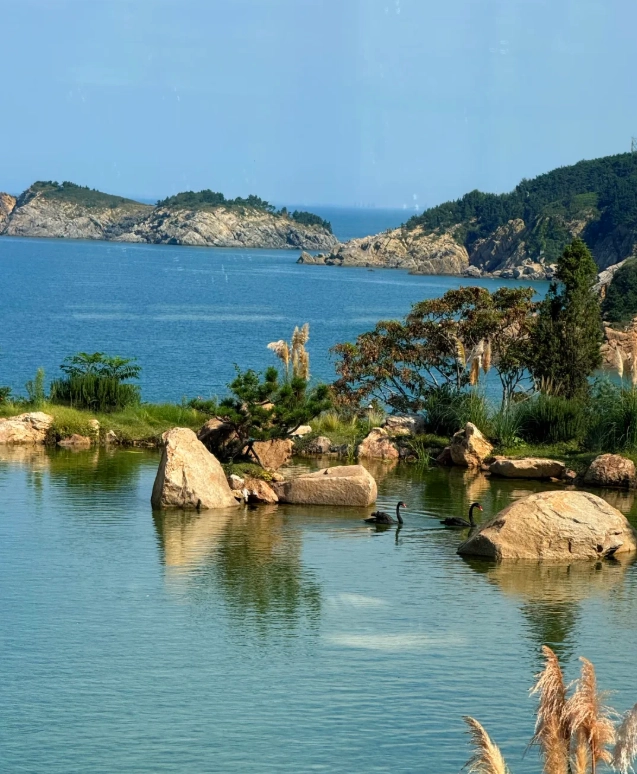
| Area | Best For | Est. Nightly Range | Convenience Notes |
|---|---|---|---|
| Jinan — Quancheng Road / Kuanhou Lane | First-timers, couples | ¥350-700 | 5-10 min walk to Baotu Spring; 24-hour convenience stores on most blocks; metro nearby |
| Tai'an — near Red Gate | Early summit starters, solo hikers | ¥200-450 | 3-8 min walk to the trailhead; taxi to Tianwai Village around ¥15 |
| Qufu — inside the Ming Old Town | Families, culture-focused travellers | ¥250-500 | Under 10 min walk to the Temple of Confucius; quiet at night |
| Qingdao — Old Town / Zhongshan Road | Photographers, solo travellers | ¥300-800 | 5-15 min walk to Zhanqiao Pier; steep streets, so check for a lift |
Two practical filters before you book anything. First, confirm the hotel has a lift — some Old Town guesthouses in Qingdao are converted buildings with four flights of narrow stairs. Second, message the property in advance and ask whether the front desk can help with Chinese-language mini-program bookings. The good ones say yes instantly. That single question has saved me more time than any translation app.
For luggage, most mid-range Chinese hotels will store bags after checkout at no charge. Independent guesthouses are hit and miss, so ask. You do not want to be dragging a suitcase up Signal Hill.
What Should You Sort Out Before Booking Anything?
Three things will make or break this trip, and none of them are about scenery.
- Payment: Set up Alipay or WeChat Pay with your international card before departure. Both accept most major cards now. Cash works but is awkward; physical foreign credit cards are refused at the vast majority of ticket windows and small restaurants.
- Connectivity: Install a VPN before you land, since most international services are blocked on local networks. Download an offline translation app — Apple Translate and Baidu Translate both handle Chinese reasonably well.
- Advance booking: Nearly every major attraction in Shandong now requires a timed reservation with passport registration. If the Chinese-language mini-program defeats you, Trip.com and Klook list most of these in English. Ask your hotel reception to complete any stubborn booking — this is a completely normal request and staff do it daily.
Entry rules and visa policy change, so verify your own situation against the National Immigration Administration before you commit to flights. Transit visa exemptions have expanded in recent years, but eligibility depends on your nationality and your onward routing, not on how confident a forum post sounds.
Straight Answers to the Questions I Get Weekly
Can I really do 4 days in Shandong without speaking any Mandarin?
Yes, but the friction is not where you expect it. Ordering food and buying train tickets are easy — machines and apps handle both. The hard moment is a small-town attraction where the only staff member speaks dialect and the signage is Chinese-only. The fix is boring and effective: screenshot your destination in Chinese characters and show it. Also save your hotel's Chinese name and address before you leave each morning. I have never once had a driver fail to understand a screenshot.
Is Mount Tai genuinely worth it on a tight four-day schedule?
Worth it, yes. But only if you use the shuttle bus and cable car rather than attempting the full stair climb. The people who regret Mount Tai are almost always the ones who tried to walk the whole thing, arrived at the summit wrecked, and then had a four-hour train the next morning. Take the shortcut, spend your energy on the Eighteen Bends section, and you will leave liking the mountain.
What happens if it rains on my Mount Tai day?
Cable cars suspend in high wind and heavy storms, and the summit can close without much warning. Have a Plan B ready. The Dai Temple at the foot of the mountain is the obvious substitute — it is historically significant, mostly indoors, and rarely crowded. In Qingdao, the Beer Museum and the German-era architecture around the Old Town both work fine in rain. Build flexibility into day two and day four rather than day three, since Qufu's sites are largely indoor or short outdoor walks.
Should I drop Qingdao and add a second day in Jinan?
No, and this is the advice I give most often. Jinan is pleasant but a second day there starts repeating itself. Qingdao delivers something the other three cities do not — coastline, a genuinely different architectural history, and a relaxed final evening. Keep Qingdao. If you want more depth, add a fifth day and put it on Mount Tai for sunrise instead.
What is the one thing you would cut from a 4 days in Shandong itinerary?
Furong Street in Jinan, and I say that with affection. It is a photo stop dressed up as a food destination, and the queues are worse than the food. Spend that hour in Kuanhou Lane instead, or on the Daming Lake boardwalk at dusk. It is the single easiest upgrade to this route and almost nobody mentions it.
Verified and fact-checked by the editorial team. This content has been fact-checked to ensure informational precision.





No comments yet.