 Fang Wang
Two tickets. One passport. Zero English signage at the counter.
I stood at Jinan West Railway Station at six in the morning and watched a German couple miss their train to Qufu by ninety seconds. The gate closed. No refund, no same-fare rebooking. That is Shandong — ruthlessly punctual once you learn the rhythm, and completely unforgiving when you don't.
Figuring out how to travel to Shandong is not about chasing pretty photos. It is about picking the right station, because Jinan alone has four and only two matter to you, and about knowing that many provincial ticket counters still choke on foreign credit cards.
Here is the shortcut I hand to every client: anchor yourself in Qingdao for the coastline, use high-speed rail for everything inland, and lock your seats five to seven days out through China Railway's official 12306 platform or Trip.com. Mount Tai runs on timed reservations, not walk-up queues. Nail those two things and the rest of the province opens up fast.
Let me walk you through the rest.
What's Inside This Shandong Playbook
Why Shandong Rewards Slow Travelers
Shandong is the one province where Chinese travelers themselves go to touch history, not just photograph it. That changes the whole vibe. You will see school groups in matching uniforms at the Confucius sites, retired couples hiking Mount Tai at dawn with thermos flasks, and Qingdao locals swimming in the sea in October like it is nothing.
Two UNESCO World Heritage listings sit inside the province — the Mount Tai cultural landscape and the Temple and Cemetery of Confucius in Qufu. Both are genuinely worth the detour, and both have reservation systems that trip up unprepared foreigners.
What most travel blogs won't tell you: Shandong is not a "greatest hits" province. It is a province you slow down in. Trying to cram Jinan, Tai'an, Qufu, and Qingdao into four days will leave you exhausted and remembering nothing but train seats.
Insider Advice: Skip Yantai and Weihai on a first trip. They are lovely, but the rail connections eat a full day each way and the payoff is small compared to Qingdao. Save them for trip number two.
How Do You Actually Get to Shandong?
The honest answer is high-speed rail, and it is not close. Shandong sits on the Beijing–Shanghai corridor, which means you can arrive from Beijing or Shanghai without ever touching an airport.
High-Speed Rail From Beijing and Shanghai
From Beijing South to Jinan West takes roughly 1.5 to 2 hours on a G-series train. From Shanghai Hongqiao to Jinan West runs about 3.5 to 4 hours. Both routes continue onward to Qingdao, so you can effectively ride a single corridor through the whole province.
Book on 12306 if you can handle the interface, but I'll be blunt: the English version of the app is serviceable and the passport verification step frustrates people. Trip.com charges a small booking fee and accepts international cards. For most foreign travelers, that fee is worth every yuan.
Flying In
Qingdao Jiaodong International Airport handles the bulk of international arrivals, with direct links from Seoul, Tokyo, and several Southeast Asian hubs. Jinan Yaoqiang Airport is smaller and mostly domestic. If you are coming from Europe or North America, expect at least one connection.
One detail people miss: Qingdao's new airport is far from the city center. The airport express metro line into downtown Qingdao takes around 50 minutes. A taxi can run 45 to 70 minutes depending on traffic and will cost meaningfully more.
Comparing Your Entry Options
| Route | Best For | Typical Duration | Booking Channel |
|---|---|---|---|
| Beijing South to Jinan West | Travelers already in Beijing | 1.5–2 hours | 12306 or Trip.com |
| Shanghai Hongqiao to Jinan West | East China loop itineraries | 3.5–4 hours | 12306 or Trip.com |
| Beijing to Qingdao direct G-train | Coast-first trips | 3–4.5 hours | 12306 or Trip.com |
| Flight into Qingdao Jiaodong | International arrivals | Varies by origin | Airline site or Trip.com |
| Overnight sleeper train | Budget travelers with time | 8–11 hours | 12306 only |
Note the pattern in that table: almost everything funnels through 12306 or Trip.com. There is no third magical option. Ticket scalping exists at station entrances and I have never once seen it end well for a foreigner.
Pro Tip: At Jinan West, the security line on the upper level moves faster than the ground floor. Take the escalator up before you queue. I have saved clients twenty minutes with that one move.
Which Shandong Itinerary Fits Your Trip?
Pick your itinerary based on how many full days you actually have on the ground, not how many days your flight ticket spans. Arrival and departure days are half-days. Be honest about that.
The 7-Day Coastal-to-Confucius Route
This is the one I recommend most often, and it moves in a straight line so you never backtrack.
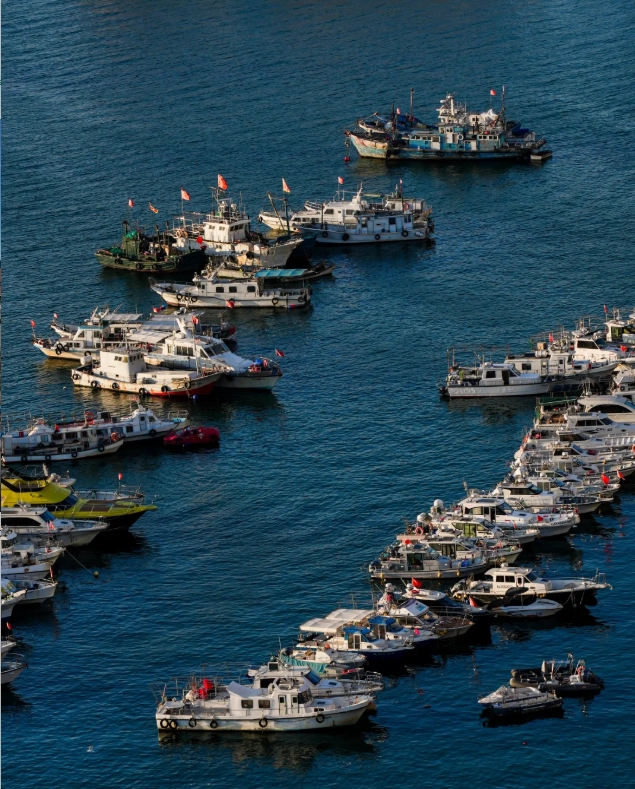
- Day 1–2, Qingdao: Land, recover, walk the Badaguan colonial architecture district in the late afternoon when the light goes gold. Zhanqiao Pier at sunrise, before the tour buses. Tsingtao Brewery Museum on day two.
- Day 3, Qingdao to Tai'an: Roughly 3 hours by high-speed rail. Arrive by early afternoon, sleep early.
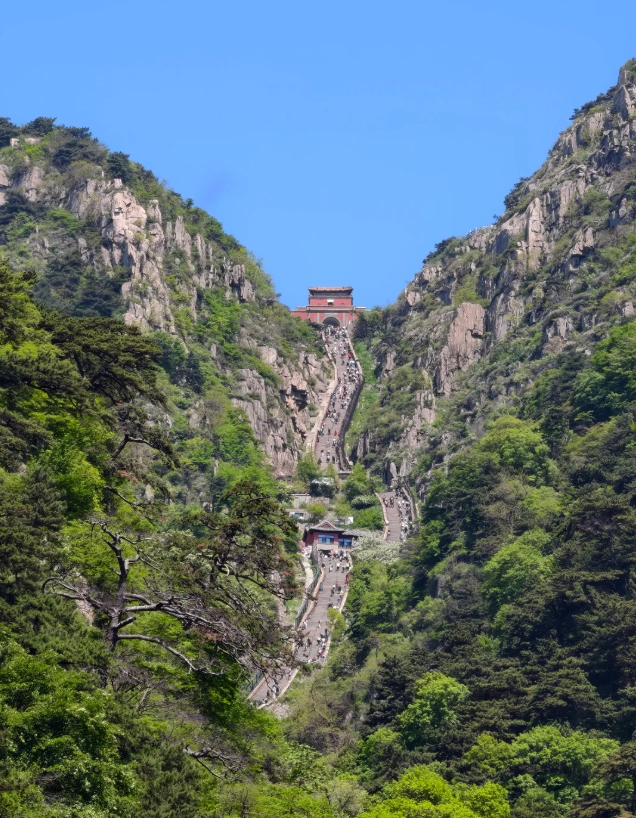
- Day 4, Mount Tai: Either the sunrise hike starting around 11 p.m. or the cable car up in the morning. Both are valid. The cable car is not cheating.
- Day 5, Tai'an to Qufu: About 40 minutes by rail. Afternoon at the Temple of Confucius.
- Day 6, Qufu: Cemetery of Confucius and the Confucius Family Mansion. Slow morning, gentle afternoon.
- Day 7, Qufu to Jinan: Around 1 hour by rail. Daming Lake and Baotu Spring before your onward train.
The 4-Day Qingdao Plus Mount Tai Express
For people tacking Shandong onto a longer China trip. Two days Qingdao, one travel day, one day on Mount Tai. It works, but you will be tired. Skip Qufu entirely rather than rushing it — the Confucius sites deserve a full unhurried day.
My 24-Hour Qingdao Sprint
I have run this exact plan for clients with a single layover day, and it holds up.
Start at Zhanqiao Pier at 6:30 a.m. — you will have the place nearly to yourself and the morning light on the pier pavilion is the shot everyone wants. Walk west into the old town for breakfast: a bowl of congee and a scallion pancake from any street stall with a queue of locals.
By 9 a.m., head to Badaguan. This is where I break from the standard advice. Every guide tells you to go at noon for the architecture photos. Do not. The trees throw hard shadows across the facades and the tour groups arrive in force. Late afternoon is dramatically better.
Lunch around 1 p.m. near Taidong — that is where Qingdao actually eats. Afternoon at the Tsingtao Brewery Museum. Evening at May Fourth Square for the skyline, then seafood on the Pingdu Road beer street area. If it rains, swap the square for the Qingdao Art Museum, which stays quiet even on weekends.
Pro Tip: Qingdao's sea fog rolls in fast between spring and early summer. If the visibility drops, the coastal walk turns grey and flat within twenty minutes. Have the brewery museum or a teahouse as your indoor Plan B rather than standing around waiting.
Navigating Shandong Without Google Maps
Google Maps does not work reliably in mainland China, and pretending otherwise will get you lost. This is the single biggest practical gap for foreign visitors.
- Use Apple Maps if you are on an iPhone. It is the most English-friendly option and it handles Shandong cities reasonably well.
- AMap Global is the English-facing version of Gaode, China's dominant map app, and it handles transit routing better than anything else.
- Download offline maps before you arrive. Provincial 4G is good, but tunnels and mountain roads are dead zones.
- Have every destination saved as a Chinese-character screenshot. When you show a taxi driver an English address, you will get a blank stare. Chinese characters on your screen solve it instantly.
- DiDi is the ride-hailing app to install. It has an English interface and accepts international cards through Alipay.
Metro systems in Qingdao and Jinan are clean, cheap, and signed in English. Jinan's metro is less useful for tourists because the main sights cluster closer to the old city center. Qingdao's metro, by contrast, is genuinely the best way to reach the coast without fighting traffic.
One thing that still catches me out: exit numbering. A metro exit can put you on the wrong side of a six-lane road with no crossing for 300 meters. Check the exit letter in AMap before you surface, not after.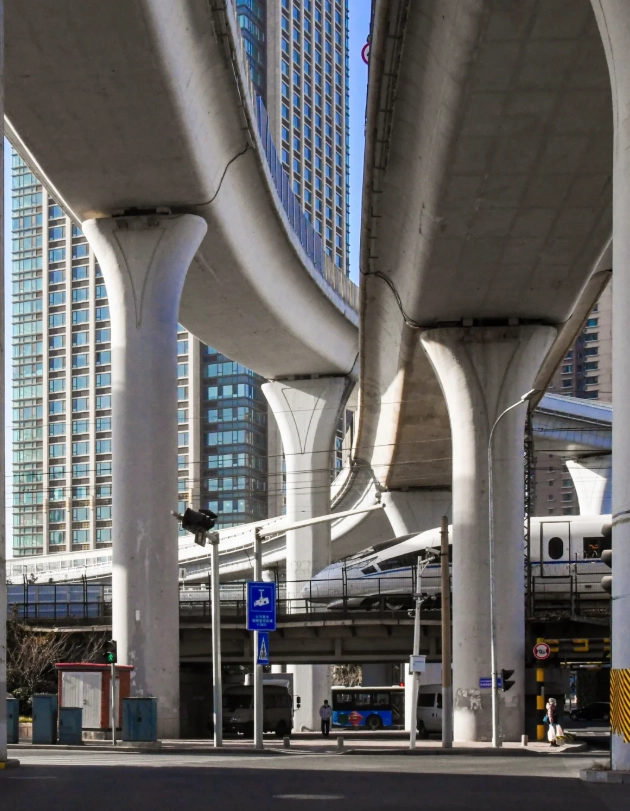
Tickets, Passports and Timing Rules
Almost every major attraction in Shandong now requires a timed reservation tied to your passport number, and walk-up tickets are often simply not available on peak days.
Mount Tai is the clearest example. You book a time slot through the official scenic area mini-program, and the interface is in Chinese. I'll admit it — even I fumble that mini-program sometimes. If it defeats you, hand your passport to your hotel receptionist and ask them to complete the booking. It takes them three minutes and it is completely normal to ask.
Foreign passport holders should carry the physical passport, not a photo. Ticket gates at major sites scan the document. Digital copies have been rejected at Qufu and at Mount Tai in my experience.
| Site | Reservation Needed | Passport Required | Best Booking Route |
|---|---|---|---|
| Mount Tai | Yes, timed slot | Yes | Official mini-program or Trip.com |
| Temple of Confucius, Qufu | Yes on holidays | Yes | Trip.com or on-site desk |
| Tsingtao Brewery Museum | Recommended | Yes | Trip.com |
| Baotu Spring, Jinan | Recommended in peak season | Yes | Official WeChat account |
| Daming Lake, Jinan | No for the park | No | Walk-up |
Prices shift with season and with policy adjustments, so treat any number you read online as a starting point and confirm on the official channel the week you travel. Student and senior discounts exist at most state-run sites, but they usually require a Chinese-issued ID, so do not count on them with a foreign passport.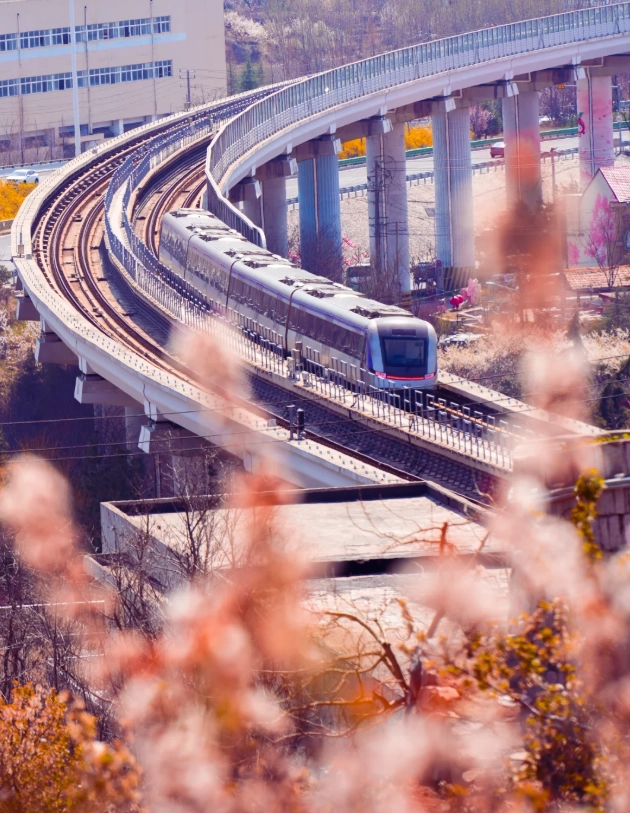
Pro Tip: Book Mount Tai for the earliest slot you can tolerate. By mid-morning the cable car queue can stretch well over an hour, and the summit gets crowded enough that the views stop being the point.
Where to Sleep in Shandong
Base yourself near a metro line or a rail station, never near a scenic area gate. Hotels beside major attractions charge a premium and put you in the middle of tour-bus chaos every morning.
| Area | Best For | Price Range per Night | Why It Works |
|---|---|---|---|
| Old Town, Qingdao | First-timers, photographers | Mid-range to upscale | Walkable to Zhanqiao and Badaguan |
| May Fourth Square, Qingdao | Business and comfort travelers | Upscale | Modern hotels, sea views, metro access |
| Tai'an Railway Station area | Mount Tai hikers | Budget to mid-range | Easy late-night start for the sunrise hike |
| Qufu Old Town | Culture-focused travelers | Budget to mid-range | Walking distance to the Confucius sites |
| Jinan city center | Short stopovers | Budget to mid-range | Near Baotu Spring and Daming Lake |
Three things I check before booking any hotel in the province: whether the front desk has at least one English speaker on every shift, whether the Wi-Fi actually holds a video call, and whether there is a real elevator. Old-town boutique properties in Qufu sometimes lack the last one, which matters more than you think after a hiking day.
Budget hostels around Mount Tai's base are plentiful and cheap, and they will store your luggage for free while you hike — genuinely useful, since you do not want a backpack on the summit stairs. Ask before booking. Most will confirm over chat.
What to Eat and Where
Shandong cuisine is one of China's eight great culinary traditions, and it is far more subtle than the spicy food people associate with Chinese cooking. Expect braised, savory, and salt-forward flavors rather than chili heat.
In Qingdao, the seafood is the reason to come. Clams stir-fried with scallion, grilled squid on skewers, and sea snails served cold with a vinegar dip. The beer street area near Taidong fills up after 7 p.m. and you will likely wait for a table on weekends. Go at 5:30 p.m. and walk straight in.
Jinan is the home of sweet-and-sour carp and of a dish called nine-turn intestine, which sounds alarming and tastes better than it reads. If offal is not your thing, order the braised pork and the scallion pancakes instead.
In Qufu, eat near the old town rather than inside the scenic zone. Restaurant prices inside the heritage area run noticeably higher for identical food. A bowl of Confucian-style braised dishes with steamed bread should stay comfortably in the low-budget range per person.
Insider Advice: Almost everywhere in Shandong runs on Alipay or WeChat Pay linked to an international card. Cash is still legally accepted and usually fine at larger restaurants, but small street stalls may genuinely not have change for a large note. Keep small bills.
Vegetarian travelers should know that Shandong cooking leans heavily on pork stock and lard. Say "no meat, no meat oil" in Chinese, written out on your phone, and expect to explain it twice. Buddhist restaurants near Mount Tai are the reliable exception.
Shandong Travel FAQ
Can I visit Shandong without a separate visa if I am transiting through China?
Depending on your nationality and route, transit-without-visa policies may cover you, but eligibility rules are narrow and change often. Check the National Immigration Administration before you build an itinerary around it. In practice, most travelers I guide through Shandong hold a standard tourist visa or a valid visa-free entry, because the transit policy requires you to arrive and depart through specific ports with a confirmed onward ticket.
How many days do I really need for Shandong?
Five full days is the honest minimum for Qingdao, Mount Tai, and Qufu without feeling rushed. Four days works if you cut Qufu. Anything under three days means you are choosing one city and should stop pretending otherwise. I have watched people try to do the whole province in 72 hours and they remember the trains more than the temples.
Do I need a VPN in Shandong, and will it work?
Install and test it before you fly, not after. VPN apps are frequently unavailable for download once you are inside mainland China, and hotel Wi-Fi is not always reliable for heavy use. Apple Translate and Baidu Translate both work without a VPN and handle menus and signs well enough. Download offline Chinese language packs in advance.
Is Mount Tai climbable for someone with average fitness?
The full stair route is roughly 6,000-plus steps and takes most people four to six hours up. That is a real hike, not a stroll. The cable car plus a shorter walking section is a completely legitimate way to do it, and I recommend it for anyone over sixty or traveling with young kids. There is no shame in the cable car.
Can I pay for everything with my international card in Shandong?
Rarely. Physical foreign cards are accepted at upscale hotels and some large department stores, and almost nowhere else. Set up Alipay with your international card before arrival and treat it as your primary wallet. Keep a few hundred yuan in cash for taxis, small stalls, and the occasional system outage.
What is the biggest mistake first-time visitors make in Shandong?
Booking the wrong Jinan station. Jinan West handles most high-speed services, while Jinan Station and Jinan East serve different lines, and the three are far apart. Check the exact station name on your ticket and match it to your hotel before you book the hotel. I have rerouted more clients over this than any other single issue.
Verified and fact-checked by the editorial team. This content has been fact-checked to ensure informational precision.






No comments yet.