 Yan Zhou
You’ve got 48 hours in Fujian and a budget of zero. Sound familiar? After leading tours here for over a decade, I’ve learned exactly where to take you — places that cost nothing but still make your trip unforgettable.
Free things to do in Fujian are everywhere, but the real problem is separating genuine gems from overhyped tourist spots. Most travellers waste hours queuing at paid attractions when the best of Fujian — ancient temples, windswept coastlines, and living heritage — is right there, free.
Here’s the secret: start in Quanzhou. This ancient port city, now a UNESCO World Heritage Site, is packed with free sights. That’s where I’d spend my first day if I were you.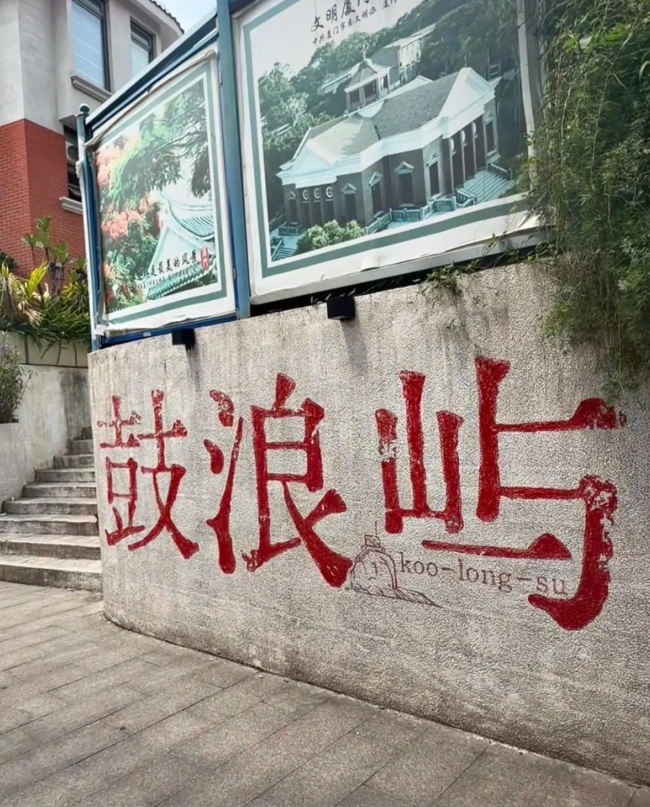
Why Fujian Is a Goldmine for Budget Travelers
Fujian is one of China’s most underrated provinces for budget travel. Not only are many top attractions completely free, but transport and street food are also cheap. As a long-time resident, I’ve seen travellers blow their entire budget in one day at overpriced scenic areas, then miss the real soul of the province.
Here’s the kicker: the best experiences — watching sunrise over the sea, wandering ancient alleys, chatting with locals in a temple courtyard — don’t cost a thing. The table below compares three major cities to help you choose your base.
| City | Free Attractions | Transport Convenience | Best For |
|---|---|---|---|
| Fuzhou | Sanfang Qixiang, West Lake Park, Drum Mountain | Metro Line 1 & 2 cover most sites | History buffs and local life |
| Xiamen | Nanputuo Temple, Huandao Road, Bailuzhou Park | Buses and taxis; cycling is great | Coastal scenery and relaxed vibe |
| Quanzhou | Kaiyuan Temple, Luoyang Bridge, West Street | Compact city; walkable and cheap di-di | UNESCO heritage lovers |
Top Free Things to Do in Fujian
After years of exploring, these are the six free spots I insist every traveller see. They’re all accessible by public transport and require no tickets — just your curiosity.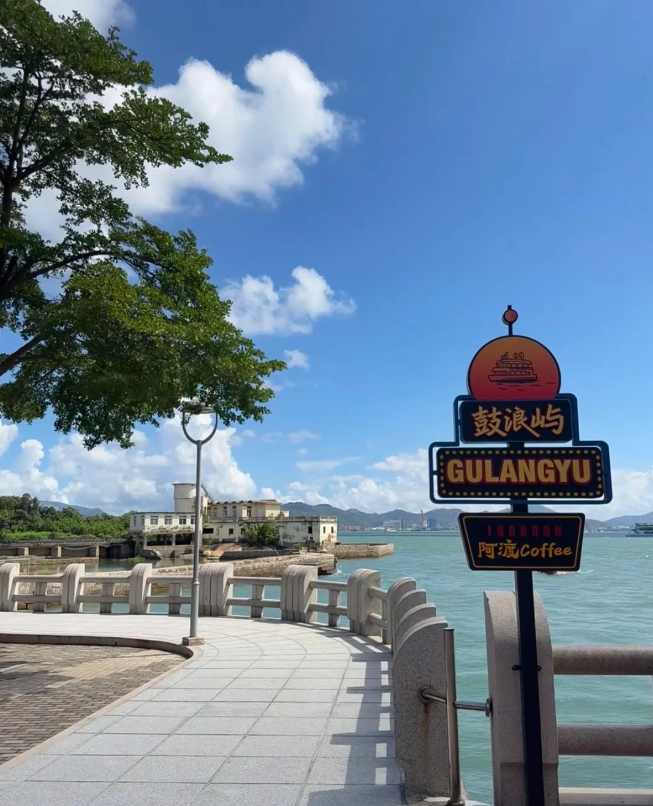
1. Sanfang Qixiang (Three Lanes and Seven Alleys), Fuzhou
This is the most authentic historic street in Fuzhou, with Ming and Qing architecture preserved in a maze of lanes. It’s completely free to wander, though some small museums inside may charge a modest fee — but you don’t need them to soak in the atmosphere.
Getting there: take Metro Line 1 to Nanmendou Station, exit at Exit B, and walk about 5 minutes. Look for the large memorial archway. The lanes are clearly marked in English.
Open daily, but I recommend coming before 10 am or after 4 pm to dodge the group tours. Bring your passport if you want to visit the paid mini-exhibitions — they require real-name registration. Pro tip: the alleys look best in late afternoon, when the low sun casts shadows across the grey bricks.
2. West Lake Park (Xihu Gongyuan), Fuzhou
A classical Chinese park with ancient pavilions and calm lake views — free and perfect for a relaxed stroll. It’s one of the oldest parks in Fujian, dating back to the tenth century, and locals love it for morning tai chi.
From Sanfang Qixiang, it’s a 10-minute bike ride. Or take bus 66 or 88 to the West Lake stop. The park is open until 10 pm, but the best light is at sunrise and golden hour. I once sat here for two hours just watching the reflection of the pavilions in the water — that’s the real Fujian.
Watch out for snack vendors inside — they’re tempting, but you’ll pay tourist prices. Better to grab a local breakfast nearby for a few yuan.
3. Nanputuo Temple, Xiamen
One of the most famous Buddhist temples in southern China, set right at the foot of Wulao Peak, and it’s absolutely free to enter. It’s active, so you’ll see monks and devotees, not just tourists. Don’t miss the vegetarian restaurant on site — it’s affordable and delicious.
Take Metro Line 2 to Zhenhai Road Station, then transfer to bus 87 to Nanputuo Temple stop. Or take a taxi from anywhere on the island for under 20 yuan. The temple opens at 8 am and closes at 6 pm, but it’s most peaceful right at opening time.
Insider advice: after visiting, take the path behind the temple up Wulao Peak. It’s a short climb — free, too — and offers superb views of the city and sea. I always tell my clients to go up at least as far as the first viewing platform; the crowds are thinner, and the breeze is a relief.
4. Huandao Road (Island Ring Road), Xiamen
A scenic coastal road that stretches over 30 km along Xiamen’s shoreline, perfect for cycling or walking — and completely free. It’s the best way to feel the island’s vibe. Rent a bike from a local shop near Xiamen University for about 10 yuan per hour, or use a shared bike like Mobike.
Start at Xiamen University’s eastern gate and head south. The road passes beaches, lookouts, and even a small island you can see from the shore. The sea breeze is fantastic at sunset — but bring a light jacket, it gets windier near the water.
There are public toilets along the route, but they close at 5 pm. Plan for refreshments at the many roadside stalls — cash or phone payment is accepted.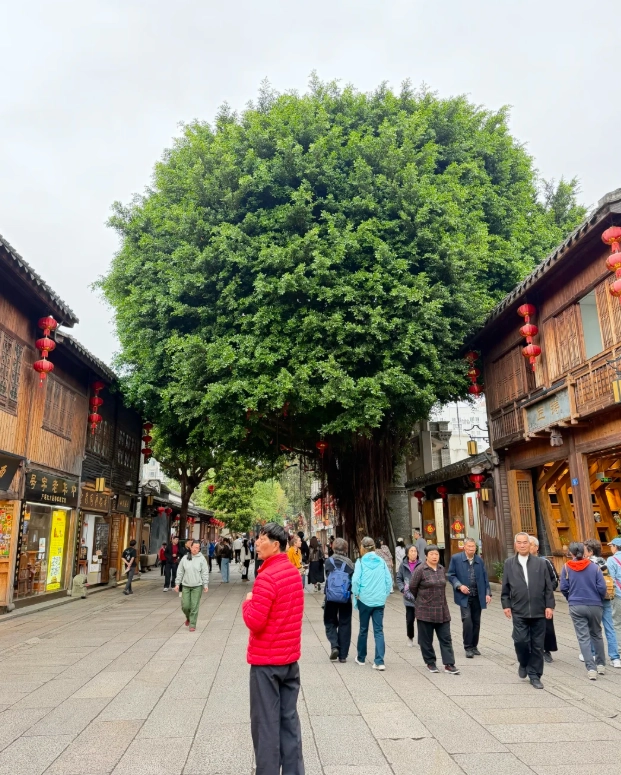
5. Kaiyuan Temple, Quanzhou
Founded in 686, this is the largest Buddhist temple in Fujian and a true survivor of centuries of change. The twin towers are iconic, but the peaceful courtyard is the real draw. Entry is free, and foreigners are welcome.
In Quanzhou’s central West Street, it’s a short walk from the bus stop. Take bus 2 or 12 to the Kaiyuan Temple stop. Open from 8:30 to 17:30, but try to visit at 8 am — that’s when the morning chants are happening, and you’ll have the place almost to yourself.
Donations are optional, and there’s no pressure. I always tell travellers to light a free incense stick — it’s a lovely local experience. After leaving, explore the nearby West Street for free to see the century-old arcades.
6. Luoyang Bridge (Luoyang Qiao), Quanzhou
This is China’s oldest existing cross-sea bridge, built in 1053, and it’s still walkable today — free, of course. It’s quieter than the city’s other sites, with a rustic charm that feels lost in time. The bridge spans over 800 meters, so allow 20 minutes to cross if you stop to read the inscriptions.
Reach it by bus 5, 10, or 15 from Quanzhou’s city center, or take a 15-minute taxi (around 25 yuan). There’s no entrance fee, and the bridge is open 24 hours — but visit during daylight to see the stone carvings clearly. I recommend combining it with a trip to Luoyang Fan Bay nearby for sunset.
How to Plan a Free Day Trip in Fujian
Here’s a simple itinerary for a zero-yuan day in Quanzhou, my favorite city for free sightseeing. It will take you through history, food, and local life without opening your wallet.
Start at 8:30 am at Kaiyuan Temple. Spend an hour in the courtyard, then walk east through West Street, stopping by the traditional red-brick houses. By 11 am, head to the Overseas Communication Museum — it’s free, and shows Quanzhou’s maritime history. For lunch, grab a bowl of mianxianhu (sweet potato noodles) at a local shop for under 15 yuan.
In the afternoon, take bus 5 to Luoyang Bridge. Walk across and back, then sit on the shore to watch fishermen. At sunset, return to the city and climb the small hill in East Lake Park (also free) for a panoramic view. Finish your day with strolling under the lights of West Street — the night market is cheap and fun.
If you have more energy, swap Luoyang Bridge for the Qingjing Mosque (free) — it’s the oldest in China and absolutely fascinating.
What Should You Know Before Visiting Free Attractions in Fujian?
Free doesn’t mean no preparation. These practical tips will save you from common hiccups.
- Payment: Even for free sites, you’ll want a phone with Alipay or WeChat Pay for snacks, transport, and possible tiny fees. Cash is rarely accepted at stalls; many still don’t take international credit cards. Set up Alipay with your foreign card before you go.
- Navigation: Google Maps doesn’t work accurately in China. Use Apple Maps (often reliable) or download AMap (an English-friendly navigation app). Always have the Chinese address written down to show taxi drivers.
- Booking: Some free attractions require a reservation on public holidays. To avoid disappointment, check if a site uses a WeChat mini-program for entry, or ask your hotel to book for you. For most daily visits, you can just walk in.
- Network & VPN: If you rely on Google, Facebook, or WhatsApp, bring a VPN — it’s essential for staying connected. Also download a translation app like Baidu Translate.
- Safety: Fujian is very safe, but keep your belongings close in crowded areas. Watch for pickpockets in busy markets — it’s rare, but happens.
Insider Advice: When visiting temples, dress modestly (cover shoulders and knees). The monks take it seriously, and it shows respect. Also, some temples offer free incense at the entrance — take one, but don’t light it until you’ve seen how locals do it.





No comments yet.