 Fang Wang
What's Inside This Guide
I still remember the first time I brought a group to Nanjing. A guy from Texas kept asking where the skyscrapers were. Then he saw the Ming Dynasty city wall — fourteen meters thick — and fell silent. That's Jiangsu for you: it doesn't flash; it accumulates.
You've probably read generic listicles like 'Top 10 Things in Jiangsu'. But I'm here to tell you where to actually point your camera, how to skip the ticket queues, and which food stall is worth the stomach space. If you're short on time, here's my blunt take: skip Shanghai's tourist traps and spend at least three days in Nanjing and Suzhou.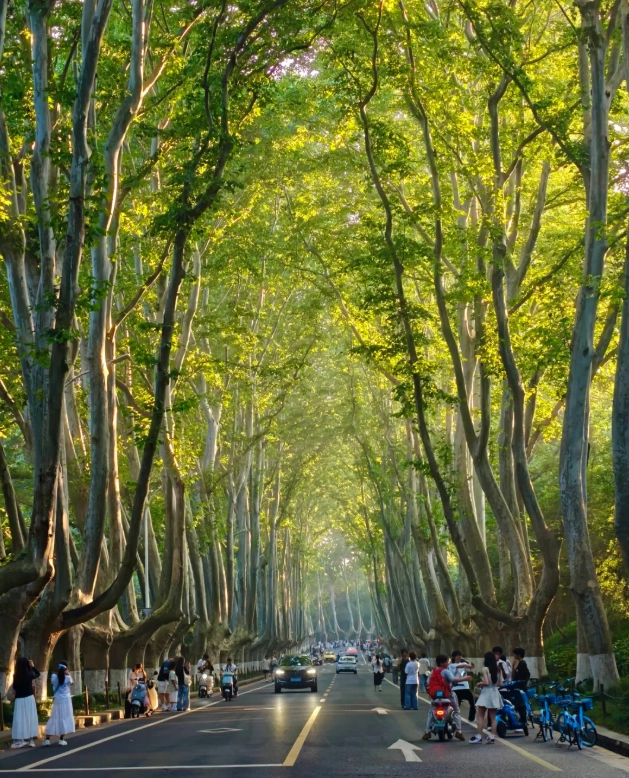
Why Jiangsu Is a Must-Visit in Eastern China
Jiangsu sits right in the heart of China's most prosperous region. It's home to two ancient capitals, classical gardens that made it to the UNESCO World Heritage list, and water towns straight out of a dream. But unlike nearby Shanghai, which feels like a futuristic film set, Jiangsu gives you the whole 'China experience' in layers — from the Ming ghosts of Nanjing to the silk-soaked lanes of Suzhou.
What many foreign first-timers miss is that Jiangsu is surprisingly compact. You can base yourself in Nanjing and do day trips to other cities. Or better yet, mix two base cities to break up the travel.
Best Places to Visit in Jiangsu: The Local-Favorite Rundown
These are the spots that keep my guests smiling long after they've flown home. I've ordered them by 'wow factor' and practicality.
Nanjing — A Walk Through History
Nanjing is where Chinese history feels physically heavy. The old city walls wrap around a modern metropolis, and the Memorial to the Nanjing Massacre is impossible to walk through without tears. But it's not only somber — the city is alive.
Don't miss the Sun Yat-sen Mausoleum (free entry, but you need to reserve a time slot with your passport — do it on Trip.com). Climb the 392 steps for a view that will make your legs scream in a good way. Also wander into Ming Xiaoling Mausoleum, the burial site of the founding Ming emperor. The 'Spirit Way' with its stone elephants is a photographer's dream.
Food alert: Nanjing's famous duck dishes are everywhere. My go-to is Jinling Duck Restaurant (address: 45 North Zhongshan Road), but if you see a local crowd at any small counter, just point and order. Avoid the ones on tourist streets — they're overpriced and bland.
Suzhou — Refined Gardens and Silk
Suzhou is the Chinese city that perfected understated beauty. Its classical gardens are UNESCO-listed, and for once, the hype is real. The Humble Administrator's Garden (Zhuozheng Yuan) is the biggest and most famous. Expect queues even on weekday mornings — book your timed entry online at least two days ahead. Tickets run around 70–80 RMB, but confirm the current price on the official WeChat mini-program or Trip.com.
Here's a local secret: instead of the Humble Administrator's Garden alone, pair it with the Master of the Nets Garden (Wangshi Yuan), which is smaller but more intimate. It's my top pick for sunset hours — the light turns the white walls gold.
Don't leave without a silk-worm experience. Head to the Suzhou Silk Museum — it's free and you'll see how the fabric is made, plus a gift shop that's actually decent.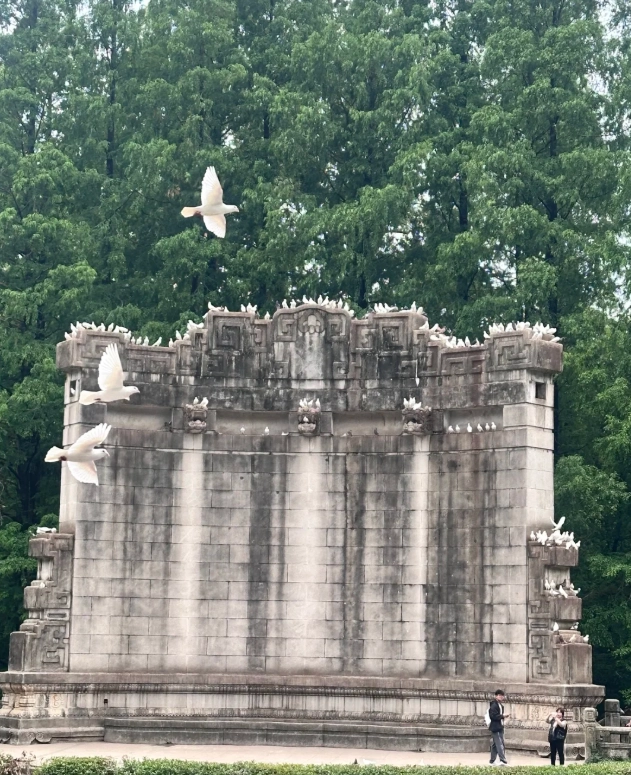
Wuxi — Big Buddha and Sweet Eats
Wuxi is the unsung hero. The Lingshan Grand Buddha is a colossal bronze statue that's part of a full 'Buddhist theme park'. It's controversial — some call it a money machine — but when the mist rolls in, the statue feels genuinely spiritual. Enter the nearest subway? Actually, take DiDi from downtown Wuxi (about 40 minutes, 60–80 RMB). Tickets are around 200 RMB, which is steep, but you'll spend a whole day there.
Eat Wuxi's sweet spare ribs and xiaolongbao. Wang Xing Ji is a local institution — address: 528 Renmin East Road. Order the 'sanxian' wontons and fried sticky rice.
Zhouzhuang — A Water Town That's Actually Lived-In
Zhouzhuang might be a postcard, but it's also a real town. Yes, it's touristy. Yes, the canals are pretty. But unlike some fake sets, grandmas still hang laundry by the water. The key is to arrive early (before 9 AM) to watch it wake up. After 10, the tour groups flood in and the charm drowns.
Entry is around 100 RMB (day pass), and you can board small boats for an extra 50–100 RMB. Skip the boat if you're in a rush — the footbridges are better for photos anyway.
Yangzhou — Where China Comes to Relax
Yangzhou is the 'slow city' that local Chinese love. It's famous for its gardens, historic alleyways, and the exquisite 'morning tea' culture. The He Garden (He Yuan) and Ge Garden (Ge Yuan) are both worth a visit — they're less crowded than Suzhou's.
Feeling brave? Try the Yangzhou Fried Rice — I know, you've had it at home, but the puffy, smoky version here is a different animal. Head to Fu Chun Teahouse (number 28, Guazhou Street) for dim sum that locals line up for at 6 AM. Go early or go home.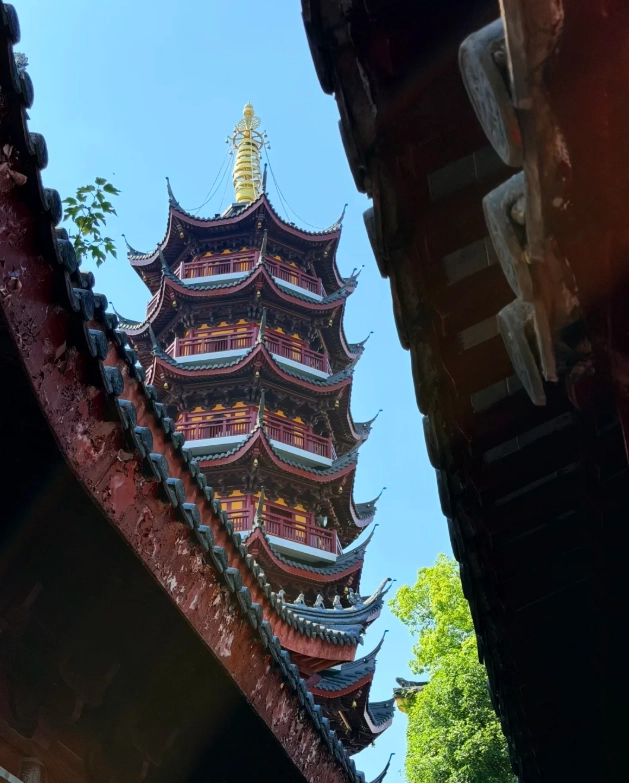
How to Travel Between These Best Places in Jiangsu
The easiest way is the bullet train. Stations are modern, signs are bilingual, and trains run every few minutes. You can book tickets on 12306 — you'll need your passport number. Or let Trip.com handle it for a small fee.
Here's a quick comparison of the main legs:
| Route | Speed Train Time | Approx. Price (Second Class) | Alternative |
|---|---|---|---|
| Nanjing → Suzhou | 1h 15m | 120 RMB | Bus (2.5h) |
| Suzhou → Wuxi | 20m | 40 RMB | Bus (1h) |
| Wuxi → Zhouzhuang | Not direct — first train to Suzhou, then bus or DiDi | N/A | DiDi from Wuxi (1h) |
| Nanjing → Yangzhou | 50m | 60 RMB | Bus (1.5h) |
One tip: always download the train schedule to your phone before boarding — the station Wifi can be glitchy and you'll need the platform number.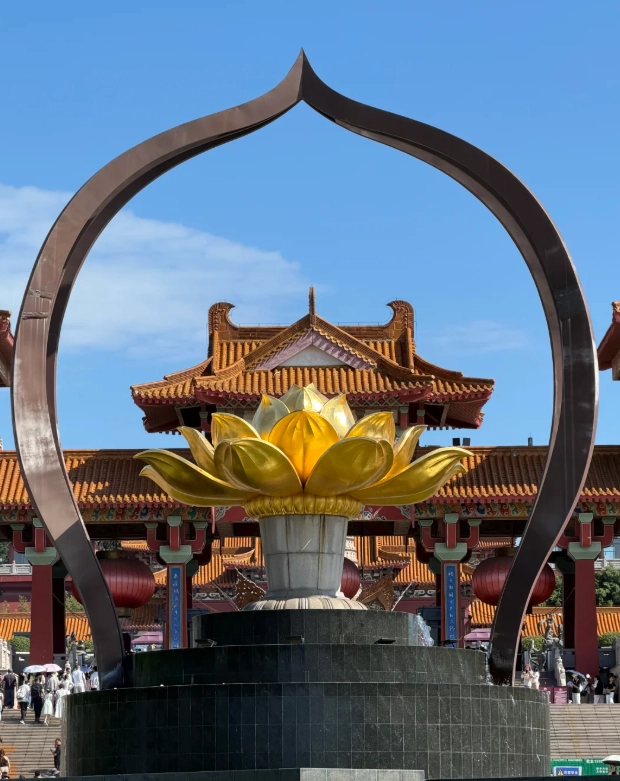
What Tourists Always Get Wrong About Jiangsu (and How to Avoid It)
Mistake #1: Relying on Google Maps. It's painfully unreliable in China. You'll see your destination floating in a lake. Use Apple Maps or AMap (it has an English version now). I always tell guests to screenshot the Chinese characters for your destination — drivers will understand instantly.
Mistake #2: Not booking tickets in advance. Even 'free' attractions like the Nanjing Massacre Memorial require a reservation. Most WeChat mini-programs are Chinese-only, but Trip.com has English versions for all major East China sites. Don't show up without a time slot.
Mistake #3: Forgetting that cash is king for small vendors. Yes, WeChat Pay and Alipay accept international cards now, but the grandma selling tea leaves on the side street might only accept cash. Carry a mix of small bills.
Mistake #4: Assuming everyone speaks English. In the tourist hubs, some staff do. But if you're lost, your best bet is the translation app. I recommend Microsoft Translator — it does offline packs that are life savers.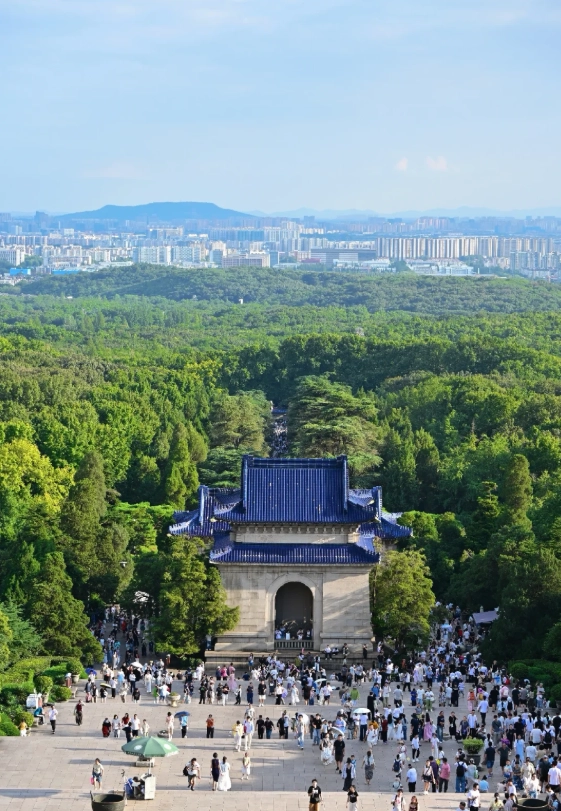
A Realistic Jiangsu Itinerary (3–5 Days)
Let's map out a 4-day plan that mixes history, gardens, and food without running you ragged.
Day 1: Nanjing Arrival + Old City Walk
Land at Nanjing Lukou Airport, take the S1 metro line to downtown (about 50 minutes). Check in near the Confucius Temple area. Morning: hike the Ming City Wall from Zhonghua Gate to Jiqing Gate (2 hours). Lunch at a local noodle joint. Afternoon: visit the Nanjing Museum (free but reserve in advance). Evening: stroll through the illuminated Confucius Temple area.
Day 2: Sun Yat-sen Mausoleum & Ming Xiaoling
Start at Sun Yat-sen (arrive before 9 AM to beat the toll of the sun). Then take a free shuttle to Ming Xiaoling Mausoleum. In the afternoon, head to the Presidential Palace. Dinner: try the famous 'Nanjing Salted Duck' at a restaurant near the palace.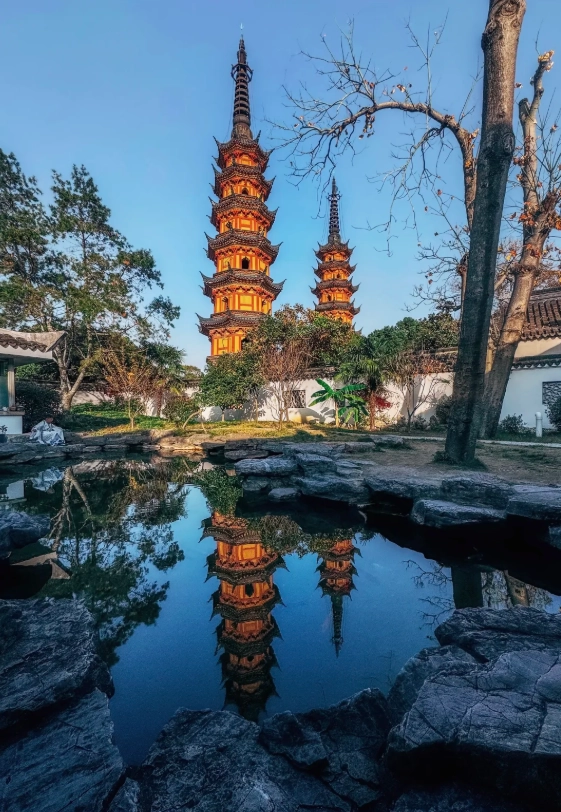
Day 3: Suzhou via Bullet Train
Take the 8:00 AM fast train from Nanjing to Suzhou (1h15m). Leave your luggage at the station's cloakroom. Morning: Humble Administrator's Garden. Lunch: local noodle soup in the Old Town. Afternoon: Master of the Nets Garden + Couple's Retreat Garden. Evening: night-time stroll along Shantang Street.
Day 4: Zhouzhuang or Yangzhou (Choose Your Sequel)
If you want water town vibes, take a DiDi to Zhouzhuang (1 hour from Suzhou) and spend the morning there. If you prefer tea culture, hop on a train to Yangzhou (55 minutes). Either way, you end up back in Suzhou in time for a sunset on Jinji Lake.
Flexible 5th Day
Add Wuxi if you're craving the Grand Buddha. Or stay in Suzhou and visit the Suzhou Museum — designed by I.M. Pei, and it's free.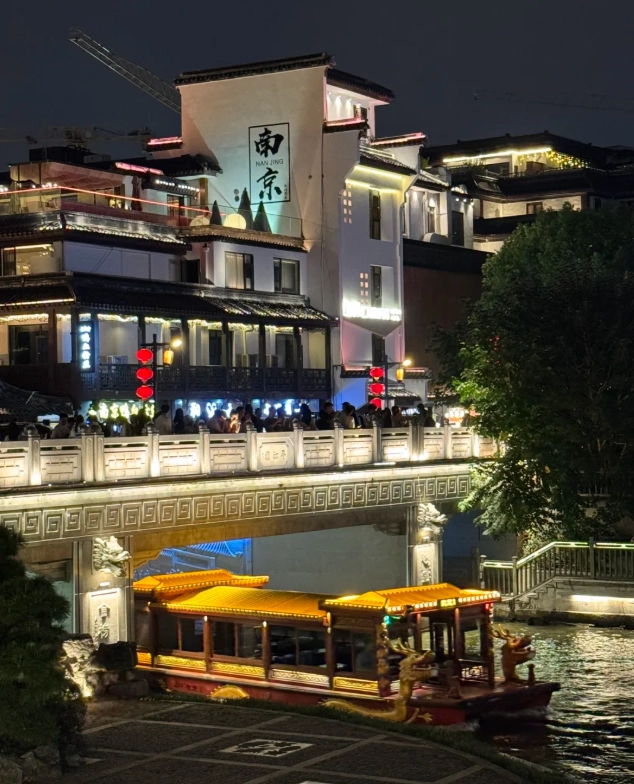





No comments yet.