 Hui Lin
In a hurry? Here's my fast track to Hebei's best places
You've done Beijing, Shanghai, maybe Xi'an. Now what? If you really want to see China beyond the postcard shots, Hebei is the underrated province that wraps around the capital — and it's home to some of the best places to visit in Hebei (and China, honestly). I've been guiding travelers here for over a decade, and I still get shivers when the Great Wall rolls into the sea at Shanhaiguan.
Most foreign tourists skip Hebei because they think it's just an industrial corridor. Big mistake. The high-speed rail links are lightning fast, the tickets are a fraction of Beijing's attractions, and the crowds are tolerable if you go early. But here's the catch: international credit cards often fail at the ticket booth, and you'll need a VPN for Google Maps to navigate at all. I'll show you exactly how to handle these hurdles.
Right up top: the two absolute must-sees are Chengde Mountain Resort (a UNESCO World Heritage site) and the Old Dragon's Head at Shanhaiguan, where the Great Wall meets the Bohai Sea. Both are reachable by high-speed train from Beijing in about an hour. But you must book train tickets at least a day ahead and carry your passport at all times. Now, let me walk you through the full list.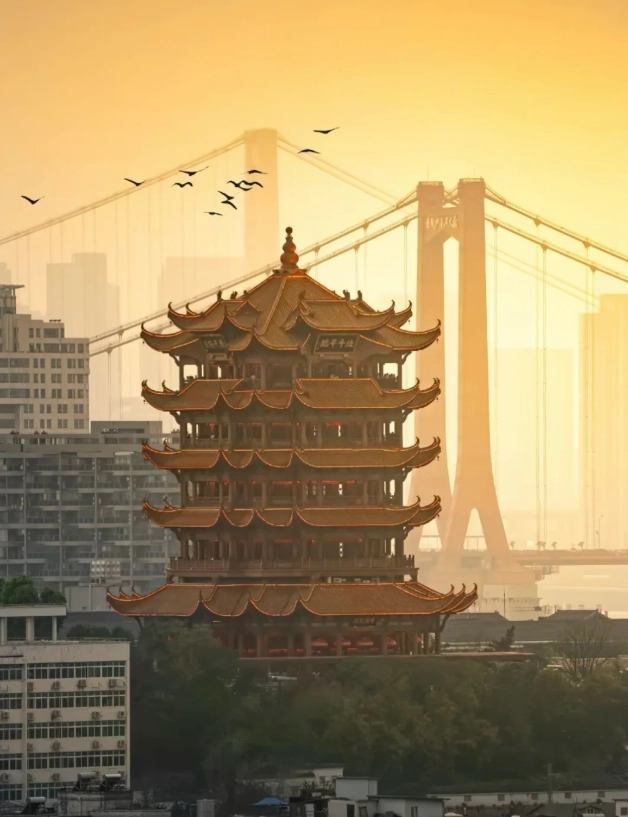
Why Should the Best Places to Visit in Hebei Be on Your Radar?
**You won't see a single tour bus from Western agencies here — that's exactly why you should come.** Most international tour groups stick to the Beijing-Shanghai-Xi'an triangle. Hebei is where Chinese families travel on weekends, and that means your visit feels more like an exchange with real life, not a staged cultural show. The province has four UNESCO World Heritage sites alone (Chengde Mountain Resort, the Great Wall at Shanhaiguan, the Eastern Qing Tombs, and the Xanadu), but you'd never know from the Western travel blogs. For a deep dive into the official list, check the UNESCO World Heritage Centre.
Here's something I tell every client: skip the Badaling section of the Great Wall near Beijing. It's a human zoo. Instead, take the 1-hour train to Shanhaiguan and walk the wall to the sea. You'll get epic views, fewer crowds, and you can even visit the nearby 'First Pass Under Heaven' — a gate complex that looks straight out of a wuxia film.
What Are the Best Places to Visit in Hebei? My 7 Favorites
I've narrowed down the province's highlights to seven spots that offer different flavors — history, nature, beach, and revolution. You won't need to see all of them in one trip (unless you're superhuman), but these are the ones I keep returning to with my groups.
1. Chengde Mountain Resort
Chengde Mountain Resort is the largest royal garden in China — so big that it would take you a full day to walk every corner. The Qing emperors built this as a summer escape from Beijing's heat, and it packs in lakes, grasslands, forests, and a 72-square-kilometer palace complex. It's a UNESCO site and the real deal.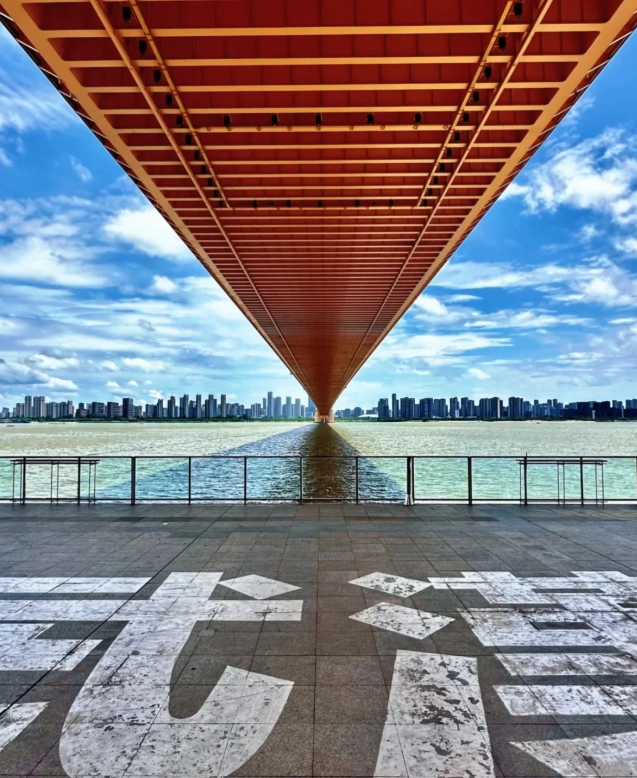
- Ticket price: around 90 RMB for adults in peak season, lower in winter; students get half off with a valid student ID.
- Address: 20 Lizhengmen Road, Shuangqiao District, Chengde.
- Opening hours: roughly 8:00–17:30, with ticket sales stopping at 17:00.
- Getting there: take the high-speed train from Beijing to Chengde South Station (about 1 hour), then a 15–20 minute taxi or bus to the resort. I always tell groups to use the south gate entrance — it connects directly to the lake area.
- Best time to visit: arrive at 8 a.m. when the gates open. The morning light is perfect for photos, and you'll dodge the tour groups that roll in around 10 a.m.
You can buy tickets at the gate, but I recommend booking via Trip.com a day before to skip the queue — just show your passport at the entrance. Insider advice: The resort's electric cart looks convenient, but at peak times you'll wait 40 minutes for a ride that takes the scenic route around the lake. Walking the traditional route takes about 3 hours and lets you see the water pavilions up close. And remember — you need your passport to buy the ticket, so don't leave it at the hotel.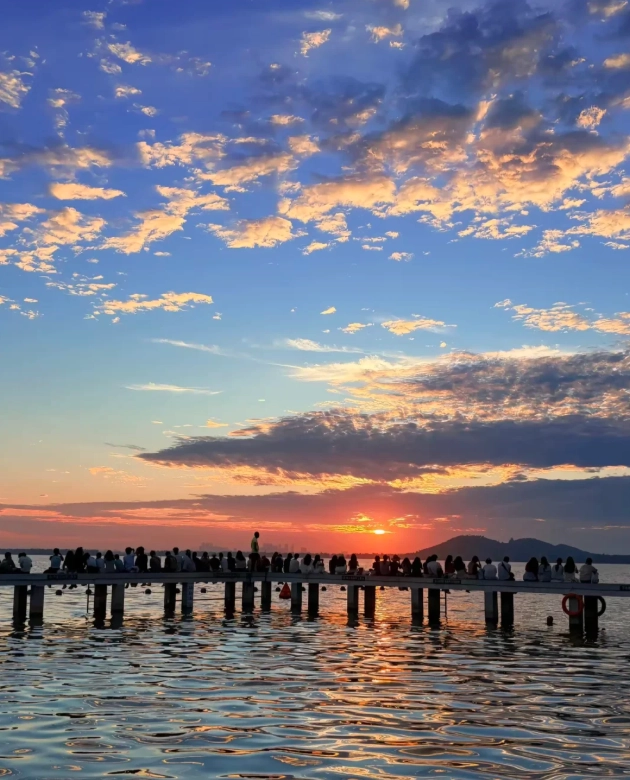
2. Putuo Zongcheng Temple (Little Potala Palace)
Putuo Zongcheng Temple is a 60-meter-high replica of the Potala Palace in Tibet, but you don't need to climb 3,000 meters to see it. Built in 1771 to celebrate the Qianlong Emperor's birthday, this is a masterclass in Qing-era religious architecture. It's a ten-minute drive from the Mountain Resort, so I always bundle the two together.
- Ticket: around 80 RMB, or get a combo ticket with the Mountain Resort for about 150 RMB.
- Address: Huancheng East Road, Shuangqiao District, Chengde.
- Opening hours: 8:30–17:00.
- Getting there: taxi from the resort costs about 10 RMB and takes 5–10 minutes; there's no direct bus that I'd recommend.
- Good to know: the temple is built on a slope, so wear comfortable shoes. The prayer halls have steep stairs, and you may need to take breaks if the weather is hot.
Pro tip: the best photo spot is at the entrance plaza, where the entire structure reflects on the small pond — go in the morning before the wind picks up, and you'll get a crisp mirror image.
3. Shanhaiguan Pass & Old Dragon's Head
Shanhaiguan is where the Great Wall meets the sea — the old 'First Pass Under Heaven' and a strategic stronghold for centuries. Old Dragon's Head is the name for the section of the wall that extends into the Bohai Sea. It's a dramatic sight on a clear day, and the museum inside the armor exhibition is surprisingly good.
- Tickets: the First Pass area is around 40 RMB; Old Dragon's Head is about 50 RMB, or a combined pass for about 80 RMB.
- Address: Shanhaiguan District, Qinhuangdao City.
- Opening hours: 8:00–17:30 (summer), shorter in winter.
- Getting there: from Beijing, take the high-speed train to Qinhuangdao (2 hours), then a taxi or local bus (about 30–40 minutes) to the ancient city. From the train station, the taxi is about 25 RMB.
- Best time: go in the late afternoon for golden hour light on the wall; the sea breeze makes early morning and evening colder than you'd expect.
I always tell my group to walk the wall from the First Pass toward Old Dragon's Head — it's about 2 kilometers of gentle uphill with the sea on one side. You'll pass the famous 'Tian Xia Di Yi Guan' gate, a must for your Instagram.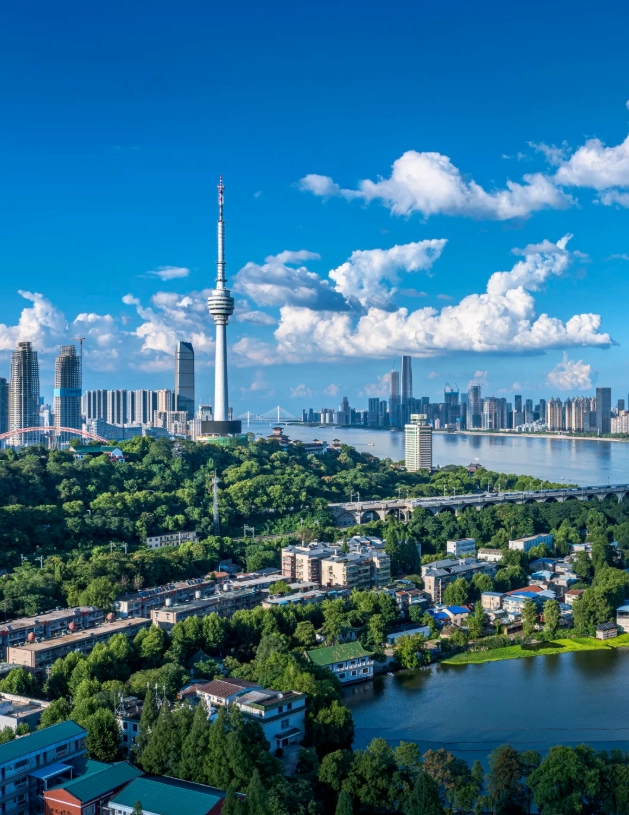
4. Beidaihe Beach
Beidaihe is the closest decent beach to Beijing, with 20 kilometers of flat sand and calm waters. It's not Hawaii, but it's perfect for a lazy afternoon after all the history. The beach is public and free, but chairs and umbrellas cost extra.
- Tickets: free access to the beach; some attractions nearby (like Tiger Stone Park) charge around 10 RMB.
- Address: Beidaihe District, Qinhuangdao City.
- Getting there: take the train to Beidaihe Station (about 2.5 hours from Beijing), then a 10-minute taxi to the beachfront.
- Best time: June to September, but July and August are packed with Chinese tourists. Go in early June for comfortable water and fewer crowds.
Here's a tip most don't know: the western end of the beach, past the Luotuo Stone, is quieter because tourists don't usually walk that far. It's also where you'll find small seafood shacks — but check the prices before you order. They're not scammers, but seasonal prices can be high.
5. Baiyangdian Lake
Baiyangdian is northern China's largest freshwater lake, famous for its maze of reeds and lotus flowers in summer. You'll ride a wooden boat through channels that make the lake look like a green labyrinth. It's also a communist revolutionary base, so history buffs get a bonus.
- Tickets: entrance is about 40 RMB; boat rental is extra and typically ranges from 50–100 RMB per hour depending on the size of the boat. Full-day tours with a rower are about 200 RMB.
- Address: Anxin County, Baoding City.
- Getting there: from Baoding East Railway Station, take a taxi or bus for about an hour to the lake; organized tours from Beijing are also available.
- Best time: July and August are the blooming season for lotus roots, but the reeds are beautiful all summer.
Do not pay the first boat skipper who spots you at the entrance — walk 50 meters farther and the same trip will cost 30% less. Also, the on-board barbecue fish is a must-try, but tell them not to over-salt it.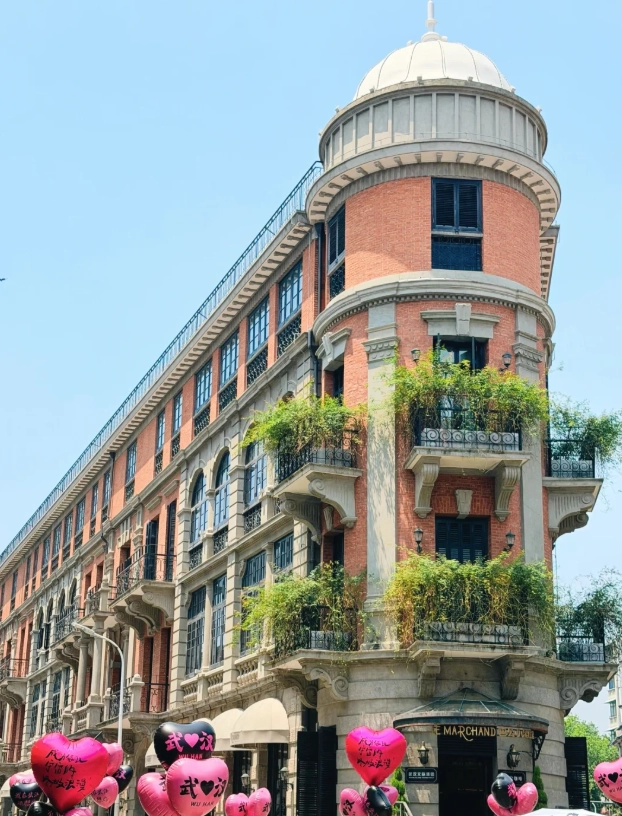
6. Xibaipo
Xibaipo is a sacred site for modern Chinese history — the last village where Mao Zedong commanded the Chinese Civil War's final campaigns. The site now has a grand memorial hall and a collection of old cottages used by the leaders. It's a deep dive for anyone curious about China's road to 1949.
- Tickets: free, but you need to reserve a time slot with your passport. You can book via the official 'Xibaipo' WeChat account or ask your hotel to help.
- Address: Xibaipo Township, Pingshan County, Shijiazhuang.
- Getting there: from Shijiazhuang, it's about 1.5 hours by taxi, or take a tourist direct bus from the city's People's Square (about 40 RMB).
- Best time: any time of year, but spring and autumn have the most comfortable weather.
Most visitors spend only 2 hours here. I suggest you stay for 3, because the small museum has English captions, which is rare in China, and it helps to actually read the stories.
7. Yesanpo
Yesanpo is a rugged natural area with karst peaks, waterfalls, and a nerve-testing glass bridge. It's the adventure counterweight to all the history on this list. The views are spectacular, but the hiking trail can be steep.
- Tickets: the main canyon entrance is around 70 RMB; the glass bridge is paid separately — around 60 RMB if you dare.
- Address: Laishui County, Baoding City.
- Getting there: take a high-speed train to Laishui East Station, then a taxi (about 30 minutes) to the scenic area. Another option is a direct tourist bus from Beijing's Liuliqiao station.
- Best time: May to October; the waterfalls are strongest in early summer.
The glass bridge is fun, but beware: at peak times they limit the number of people on it, so the queue can be 45 minutes. Instead, hike up to the 'Guanyin Peak' viewpoint — you'll see the bridge from above, which is honestly a cooler photo.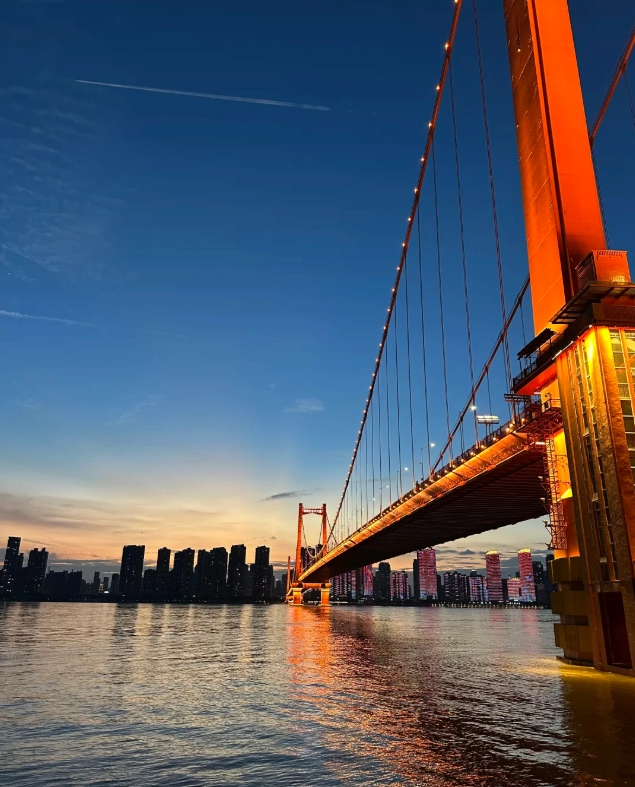
Here's a quick comparison table to help you decide what to include in your itinerary:
| Place | Approx. Ticket Price | Best Time to Visit | Suggested Duration |
|---|---|---|---|
| Chengde Mountain Resort | ~90 RMB | Early morning | Half day |
| Putuo Zongcheng Temple | ~80 RMB (combo available) | Morning | 2 hours |
| Shanhaiguan & Old Dragon's Head | ~40–50 RMB each | Late afternoon | Half day |
| Beidaihe Beach | Free (extras apply) | June or September | 3–4 hours |
| Baiyangdian Lake | ~40 RMB + boat | July–August | Half day |
| Xibaipo | Free (reserve) | Spring/Autumn | 3 hours |
| Yesanpo | ~70–130 RMB | May–June | Full day |
How to Plan a Trip to the Best Places in Hebei (Transport & Routing)
The fastest way to reach most of these destinations is by high-speed train. The Beijing–Chengde, Beijing–Qinhuangdao, and Beijing–Shijiazhuang lines are all bullet-fast. For trains, you must use the official China Railway system — 12306.cn — or an international reseller like Trip.com. Set up your passport details in advance.
If you're planning to see both Chengde and Qinhuangdao, don't try to do it in a day. I've seen tourists attempt it and collapse. Here's a realistic 3-day route:
- Day 1: Take the early train to Chengde. Spend the morning at the Mountain Resort, afternoon at Putuo Zongcheng. Overnight in Chengde.
- Day 2: Morning train back to Beijing, then an afternoon train to Qinhuangdao. Visit the old city of Shanhaiguan and watch sunset at Old Dragon's Head. Overnight near Beidaihe.
- Day 3: Morning on the beach, afternoon train back to Beijing.
For Baiyangdian, Xibaipo, and Yesanpo, they're scattered around Baoding and Shijiazhuang. The most efficient way is to base yourself in Shijiazhuang and take day trips. But be realistic — you won't see all seven in one vacation unless you have a couple of weeks.
Do not rely on Google Maps — it's unreliable in China. I use Apple Maps for walking directions and AMap (Gaode) for public transport, though it's only in Chinese. For a plug-and-play solution, download an English-friendly app like 'Maps.me' or just ask your hotel to write the Chinese address for taxis.
For payments, set up Alipay with your international credit card before you leave home. Most ticket booths and restaurants in Hebei only take digital payments; cash is accepted but you'll often need exact change. Your physical credit card will rarely be useful — I always tell my guests to bring a backup of 500–1000 RMB in cash just in case.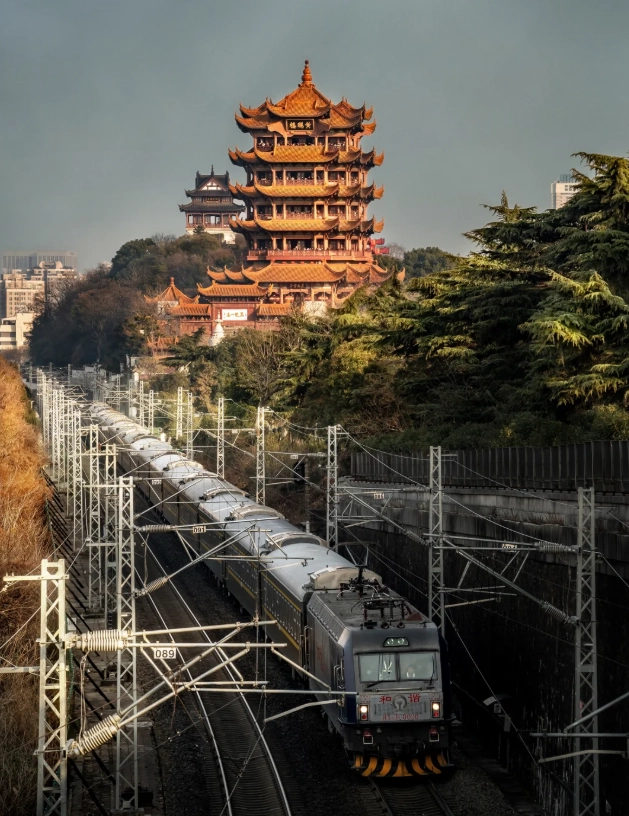
Essential Tips for Visiting the Best Places in Hebei
First, make sure your visa is sorted — check the National Immigration Administration website for the latest rules. Then, read these tips I've gathered from years of guiding:
- Passport, always: Every major site requires your passport ID for ticket purchase, so carry it in a passport pouch. A photocopy won't work.
- VPN is non-negotiable: Download a reliable VPN before landing in China, because Google, WhatsApp, and many other apps will be blocked. This is your lifeline for navigation and communication.
- Translation apps: WeChat's built-in translator works in chat, but for street signs, use the camera feature in apps like Google Translate (with the VPN) or the free Baidu Translate app.
- Beware of ticket resellers: Around major attractions, touts may offer to 'skip the line' for double the price. They usually just take you to the same ticket window. Politely walk on.
- Wear sun protection: Hebei is much more continental than Beijing — summer sun is intense, and there's little shade between monuments.
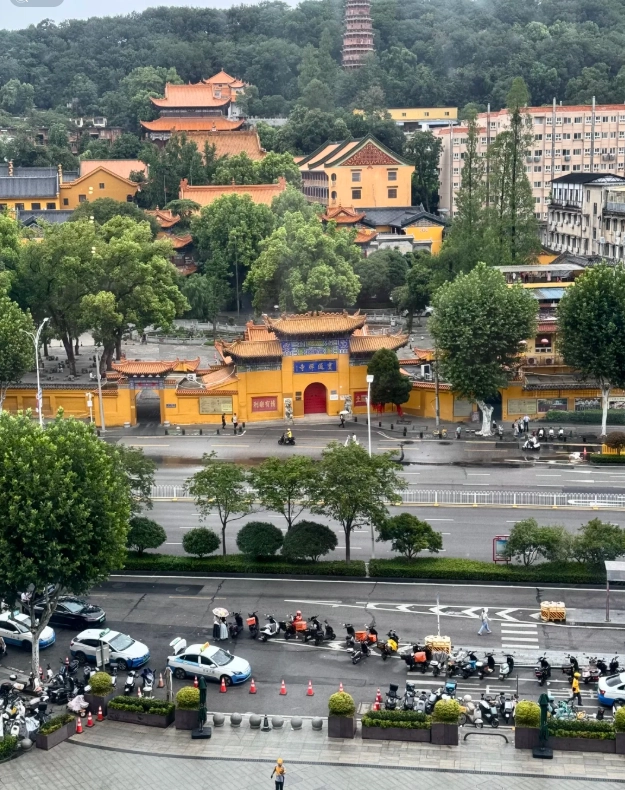
My fail-safe move: when you arrive at any station, take a photo of the station building and the Chinese name of your destination. You'll be grateful when your taxi driver doesn't speak a word of English.
FAQ: Visiting the Best Places in Hebei
This content has been fact-checked to ensure informational precision.





No comments yet.