 Tao Xu
I've spent a decade guiding travelers through Guangdong's chaos and beauty. Most itineraries online? They'll wear you out and leave you disappointed. Here's the real deal: the top things to do in Guangdong aren't a checklist. They're a series of strategies to outsmart crowds and soak up the province's authentic pulse. Take Canton Tower—I always bring groups at 5 pm, not 7 pm. You get the sunset, the river breeze, and you skip the two-hour queue for the observation deck. That's the kind of insider math this guide offers for every single stop.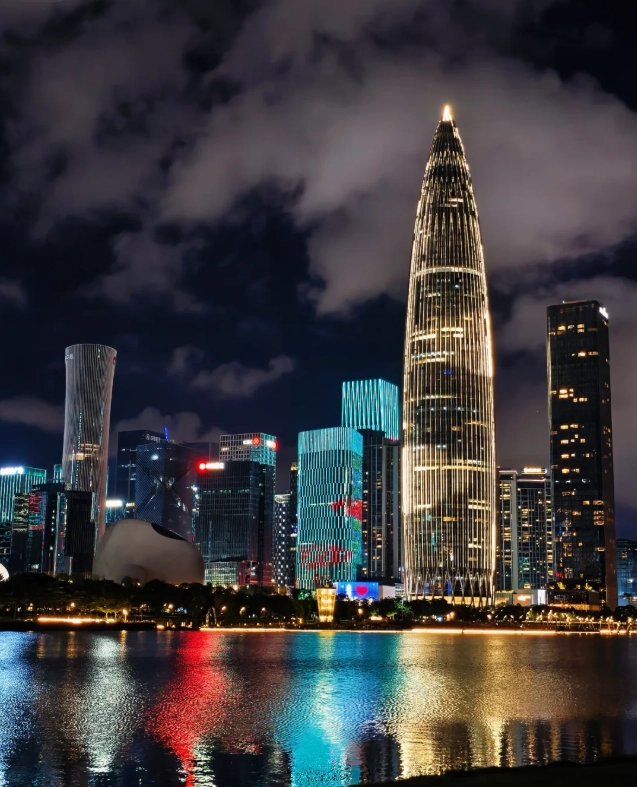
Why Trust This Guide
I'm not a travel blogger. I'm a local guide who has personally escorted hundreds of foreign visitors through Guangdong since 2012. I've seen the same mistakes happen again and again—people showing up at ticketed attractions without their passport, getting ripped off by black cabs at the train station, or spending half their trip stuck in traffic. This guide exists to filter out those problems. Every tip here is tested with real travelers, not copied from outdated travel posts.
Best Time for Top Things in Guangdong
Guangdong has a subtropical climate: hot and humid from May to October, with typhoons occasionally disrupting plans. The sweet spot is November through April, especially March and April, when temperatures hover around 20°C and rain is rare. Avoid Chinese public holidays at all costs—especially the Chinese New Year rush (usually late January or February) and the National Day Golden Week (first week of October). During those weeks, the Canton Tower can have waiting times over two hours, and hotel prices triple. If you must come during a holiday, book everything at least a month in advance.
Even on a good day, mornings are your friend. Start sightseeing by 9 am to beat tour groups, and save the indoor breaks for the midday heat. For sunset shots, aim to be at a west-facing spot like Canton Tower or Haixin Bridge by 5 pm.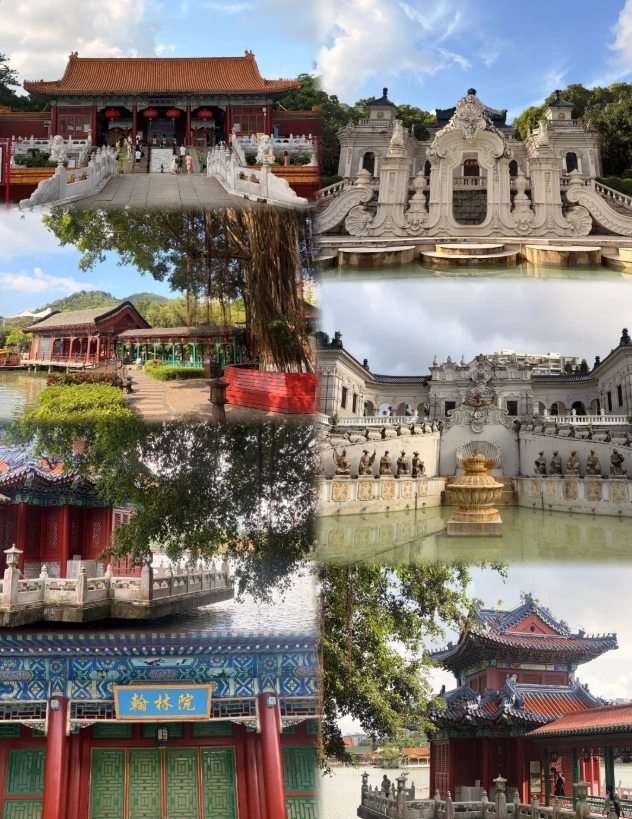
How to Get Around
Guangdong is a large province, but its core cities are well connected by a modern high-speed rail network and extensive metro systems. For long distances, China Railway's official ticket platform 12306 is the only legit source for train tickets. You'll need your passport to buy tickets and board. Book only through 12306 or an English-friendly agent like Trip.com if you don't want to wrestle with the interface.
Within Guangzhou and Shenzhen, the metro is cheap, fast, and English-friendly. Buy a one-day pass for unlimited rides. For navigating, Apple Maps works surprisingly well in Guangdong, while Google Maps is often inaccurate because it uses outdated data. I always tell my clients to download AMap (also branded as 'AMap Global') and use its English mode. When hailing a taxi, don't wave down one on the street—use Didi (the Chinese Uber), which has an English interface and lets you pay with Alipay.
12 Must-See Things to Do in Guangdong
1. Canton Tower (Guangzhou)
Every first-time visitor goes for the observation deck, but the real excitement starts at dusk. The tower is a 600-meter needle that lights up the Pearl River skyline. Tickets cost around ¥150 for the indoor observation deck, and ¥225 for the sky drop and glass walkway. Book in advance on Trip.com or show your passport at the ticket office—there's no significant discount for children under 1.2 meters. The nearest metro is Canton Tower Station on the APM line, about a 10-minute walk. Arrive by 5 pm so you can watch the lights come on while you're still upstairs. Avoid the 8-10 pm window if you can, when tour groups dominate.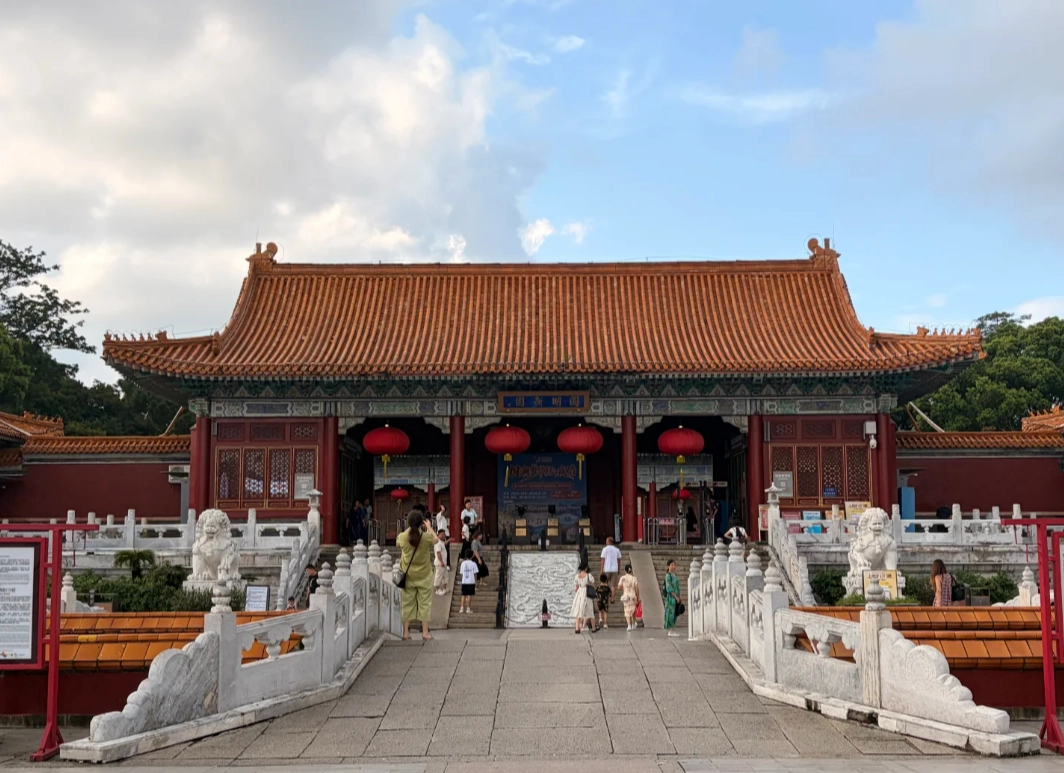
2. Pearl River Night Cruise
A cruise along the Pearl River is a different way to see the city's skyline and the historic military remnants along the banks. Boats depart from multiple piers, with the most tourist-friendly at Tianzi Wharf (near Canton Tower). Cruises last 60–90 minutes and cost ¥100–¥150 per person, depending on the boat and whether you book a window seat. I prefer the 7:30 pm departure, as the sky is still purple-tinged. Always carry your passport—it's checked at boarding for foreign tourists.
3. Chen Clan Ancestral Hall
A peaceful courtyard complex that hides colonial-era stone carvings and a spectacular roof of miniscule ceramic figures. This is a must for architecture lovers. Entrance is about ¥10, a bargain for the detail. The hall is open daily from 9 am to 5:30 pm, but last entry is at 5 pm. Take metro Line 1 to Gongyuanqian Station (Exit D), then walk about 8 minutes. Arrive early to avoid the tour groups that usually come at 10 am. There's no English audio guide, but the QR codes at each exhibit connect to a translation app—download one beforehand.
4. Shamian Island
A tree-lined island of colonial buildings that feels like a walk through a French Concession movie set. It's a favorite for wedding photography, so expect brides and mirrors everywhere. There's no entrance fee, and you can wander freely. The island is a short taxi ride from Dongshan metro station, or walk from Huangsha Station (Line 6). Bring a hat—the wide avenues lack shade. I suggest coming on a weekday before 10 am to have the place almost to yourself.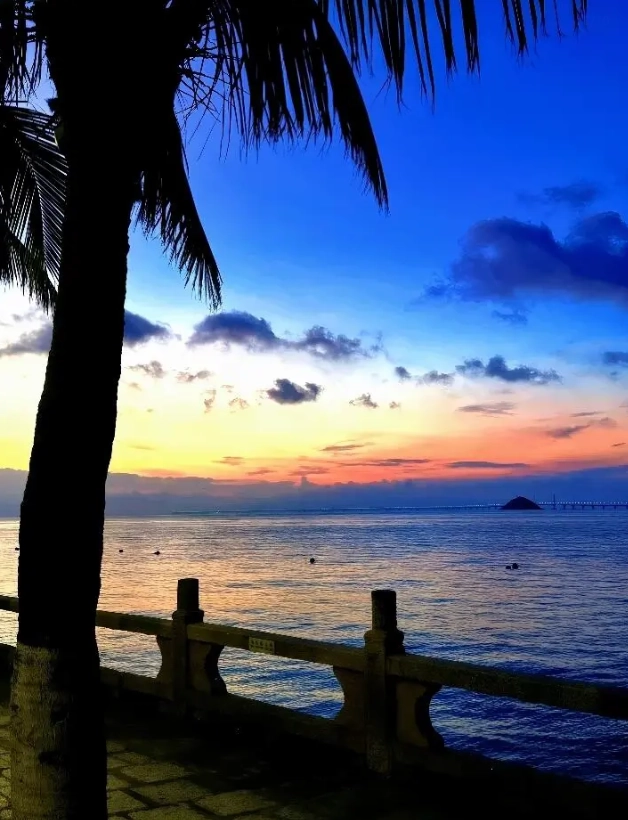
5. Baiyun Mountain
For a break from the city's concrete jungle, Baiyun Mountain offers hiking trails and cable cars with panoramic views. The park is huge; I recommend the North Gate entrance for foreign visitors because it's easier to navigate and less crowded than the main south gate. Entrance fee is about ¥5, and the cable car costs an extra ¥50 one-way. The trails are well-marked, but the altitude gains are steep. Wear good shoes, carry water, and avoid weekends when families surge. The summit (Moxingling) is best reached by sunrise, but if you can't, aim for late afternoon when the heat drops.
6. Chimelong Tourist Resort
If you're traveling with kids, Chimelong is the undisputed king of theme parks in Guangdong. There are several sections: the Safari Park, the Birds Park, and the Water Park. The safest bet is the Safari Park, where you can see pandas and giraffes from your own car. Entrance is around ¥250 for adults and ¥200 for children. Buy tickets online via Trip.com or the official WeChat mini-program—the website is in Chinese. The resort is in Panyu district, a 40-minute taxi from downtown Guangzhou. Go straight to the north entrance to beat the main gate crowd.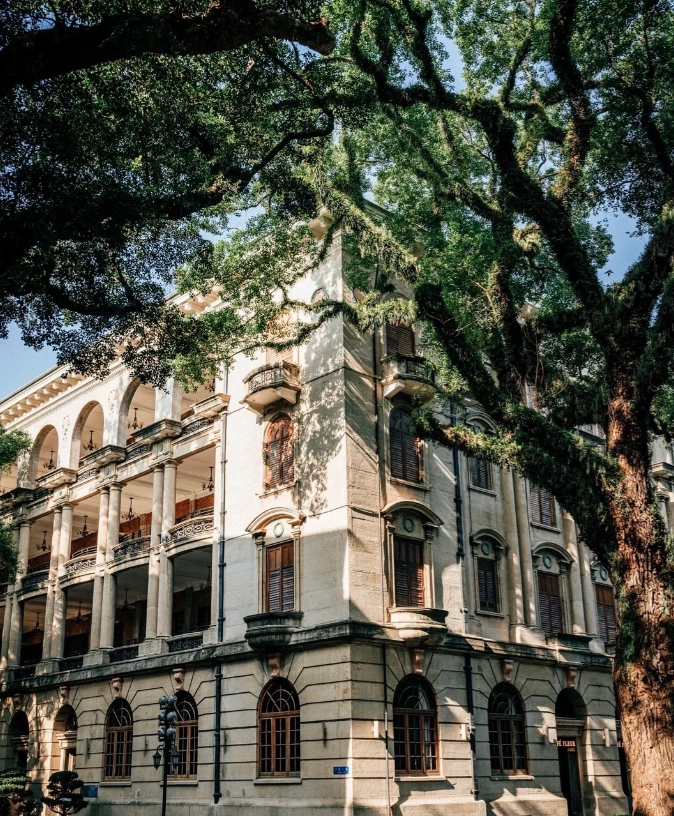
7. Kaiping Diaolou
These fortified watchtowers are a UNESCO World Heritage site and the single most impressive example of Southern Chinese rural architecture. Located about 100 kilometers from Guangzhou, you can reach Kaiping by high-speed train from Guangzhou South to Kaiping South (30 minutes), then take a taxi to the villages. The entry fee for the most famous cluster, Zili Village, is around ¥100. UNESCO's official description calls them 'multi-storey defensive village houses' that show a unique blend of Eastern and Western architecture. I always recommend hiring a local guide at the ticket office—it adds ¥50 but makes the history come alive. Arrive early; the crowds thin after 3 pm.
8. Danxia Mountain
For landscape lovers, Danxia Mountain in northern Guangdong features surreal red sandstone cliffs shaped like phallic pillars—hence its nickname, 'the Yangtze of the sky.' It's a long day trip from Guangzhou (around 3 hours by high-speed rail to Shaoguan, then 1 hour by bus). Entrance fee is about ¥100, with an optional shuttle bus costing ¥20. The hiking trails range from easy valleys to tiring climbs. Bring bug repellent; the mosquitoes come in swarms at dawn and dusk. If you photograph the famous Yangyuanshi Stone, position yourself on the west side of the lake for the best angle.
9. Chaoshan Food Tour
Chaozhou and Shantou form the culinary heart of Guangdong, where seafood, braised beef, and tea culture dominate. Unlike the more refined Cantonese cuisine of Guangzhou, Chaoshan food is bolder, heavily influenced by the sea. I recommend taking a central-route food walk through Shantou's Old Street, starting at the Daming An Market. Try a bowl of beef hotpot at the famous 杏花吴记 (address: 351 Chunguang Road, Shantou) —yes, the queue is long, but worth it. If you don't read Chinese, point at what other locals are eating. Prices here are low: a filling meal for two costs about ¥100. No high-speed rail station right at Shantou? Actually, Shantou is connected by high-speed rail from Guangzhou East (T2108) to Shantou, taking about 3 hours.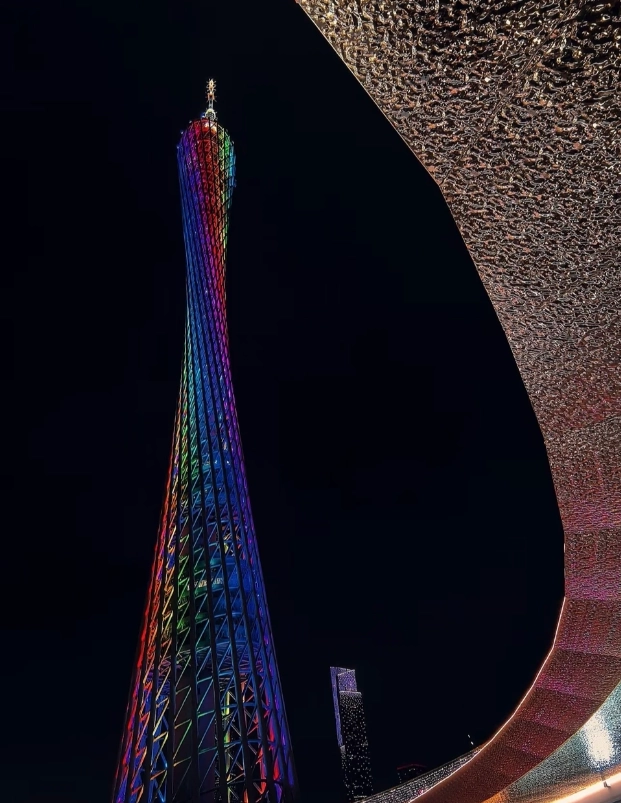
10. Dim Sum Morning Tea
The Cantonese morning tea ritual is an essential cultural experience, and there's no better place to do it than in Guangzhou. You don't need to book a fancy restaurant—the locals queue for a stool at a traditional tea house like Ying Yuan Lou (address: 5 Yongqing Road, Yuexiu District). Arrive before 9 am to avoid the crowds, bring your phone to translate the menu, and remember that tea houses serve food until about noon. Dim sum dishes range from ¥15 to ¥40 each. Most places accept WeChat Pay and Alipay but not foreign credit cards, so have a payment method ready.
11. Shenzhen's Design and Tech Scene
Shenzhen isn't just a shopping stop—it's a living lab of China's startup and design world. Visit OCT-LOFT, a creative arts district converted from old industrial warehouses, and nearby the Shenzhen Design Society (Futian district). World of Windows is a classic, but if you're short on time, walk through the modern civic center and the Ping An Finance Centre's observation deck for a sky-high view. Metro Line 1 connects Huochexiang Station to the main attractions. No special booking required for most areas; the Ping An deck charges ¥100.
12. Zhuhai's Lover's Road and Ocean World
If you're seeking a relaxed coastal vibe, Zhuhai—nicknamed the 'Riviera of the East'—offers a romantic seaside promenade and the massive Chimelong Ocean Kingdom theme park. Lover's Road is best walked at sunset, when the sea turns golden. The ocean park actually sits in Hengqin Island, connected by high-speed ferry from Zhuhai Jiuzhou Port. Entrance is around ¥260, but you can save money by booking a combo ticket with the Zhuhai city ferry. Public buses run from the city center to the park in about 45 minutes.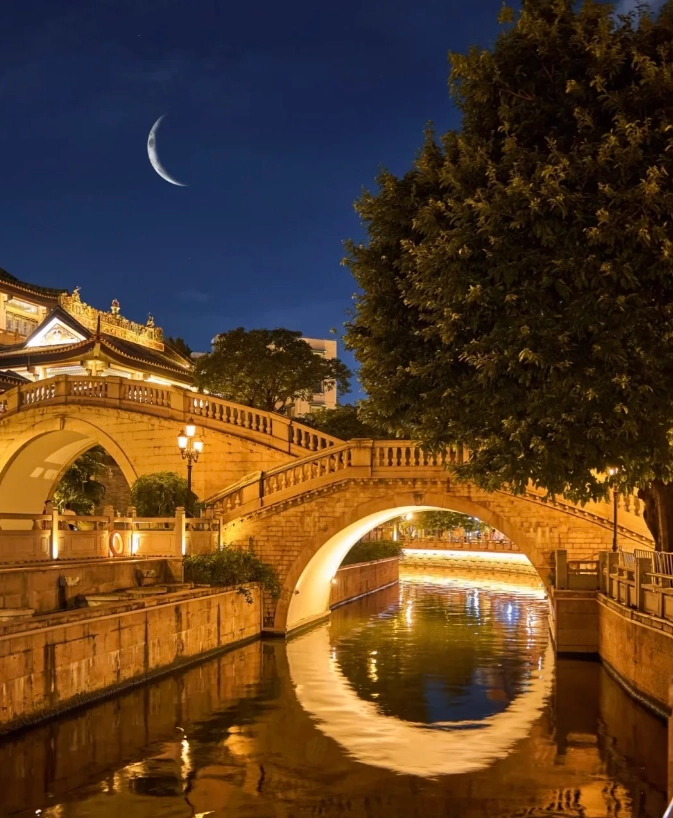
Where to Eat After Your Top Things to Do in Guangdong
After all that exploring, you'll need refueling. Here's where I send my groups:
- For Cantonese seafood: Head to the Binjiang Road area in Guangzhou, where bai wei (white-cut) fish and salted egg yolk sand are worth the trip. Don't miss the Shiwei Seafood Restaurant (10 Binjiang East Road) —I've brought guests here dozens of times.
- For street food: Wander through Xiaodaihe in Guangzhou for classic street noodles and stuffed tofu. Go with an empty stomach and a bottle of water.
- For a budget dining experience: The food courts in Shenzhen's Huaqiangbei are a madhouse but excellent. Try the grilled skewers and claypot rice for under ¥30.
And a crucial tip: foreign credit cards rarely work at small restaurants. Always have Alipay or WeChat Pay linked to an international card, or bring cash as backup. Most places now accept cash too, but they'll give you change in coins—another reason to modernize your wallet.
Where to Stay Near Guangdong's Best Attractions
Choosing where to stay in Guangdong is about matching your itinerary to the district. Here's a comparison of the main bases:
| Area | Best For | Est. Price (Night) | Proximity to Top Sights |
|---|---|---|---|
| Zhujiang New Town (Guangzhou) | Business travelers, luxury | ¥600–1,500 | Walk to Canton Tower, metro to most sites |
| Yuexiu District (Guangzhou) | Budget travelers, history lovers | ¥300–800 | Near Chen Clan Hall, Shamian Island |
| Futian (Shenzhen) | Modern architecture, transit | ¥500–1,200 | Metro to Ping An Centre and OCT-LOFT |
| Hengqin (Zhuhai) | Families visiting Ocean World | ¥400–1,000 | Shuttle to Chimelong Ocean Kingdom |
I usually advise focusing on one city for a short trip. For a 5-day Guangdong sampler, spend the first three days in Guangzhou, then take the train to Shenzhen or Zhuhai for the final two. This keeps packing and transit stress low.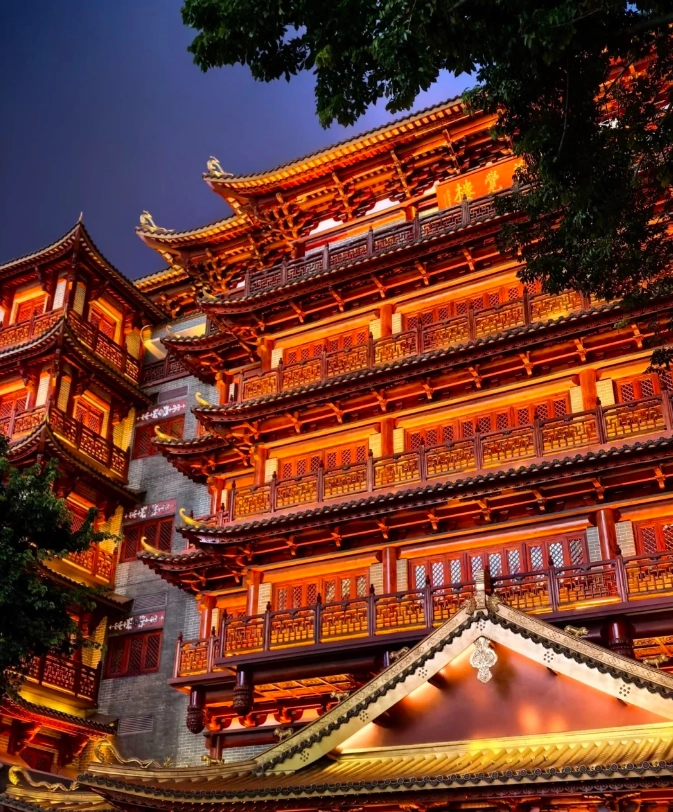
Mistakes That Ruin Your Guangdong Trip
Here are the pitfalls I see every year:
- Assuming you can pay with plastic everywhere. Many small shops, museums, and street stalls are cash-only or mobile-pay only. Always carry a mix of cash and a linked mobile wallet.
- Relying on Google Maps. Google's map data for China is notoriously inaccurate. Use Apple Maps or download AMap and set it in English before you land.
- Forgetting your passport at the hotel. Almost every ticketed attraction requires a passport number to book and physical passport to enter. Store a photocopy, but also carry the real one for checks.
- Trying to squeeze in Hong Kong or Macau in the same day. While close, the border crossing and different legal requirements (separate visa, currency) eat up at least half a day. Dedicate full days to those if you plan to visit.
One more insider note: some taxi drivers around Canton Tower might try to take you on a long route. Always use Didi or ask the driver to switch on the meter—it's small but saves you frustration.
FAQ: Your Guangdong Things-to-Do Questions, Answered
Verified and fact-checked by the editorial team.







No comments yet.