 Ting Chen
Inside This Guide
- What Makes Sichuan a Must-Visit
- Chengdu: Pandas and Teahouses
- Jiuzhaigou: How to Beat the Crowds
- Leshan Giant Buddha: Practical Guide
- Mount Emei: Sunrise and Monkeys
- Daocheng Yading: The Last Shangri-La
- A Realistic 5-Day Sichuan Itinerary
- How to Get Around Sichuan
- What to Eat in Sichuan
- Practical Tips: Payments, VPNs, and Apps
- FAQ: Your Sichuan Questions Answered
Loud. Spicy. Crowded. That's Sichuan hitting you right in the face — in the best possible way. I've spent years dragging suitcases and curious travelers through this province, and the biggest mistake I see? People trying to follow generic online itineraries that were clearly written by bots. So forget those. Here's my personal, on-the-ground list of the best places to visit in Sichuan — with the exact shortcuts and traps you won't find anywhere else.
Now, let's get one thing straight: Sichuan is huge. You can't “do” it all in a week. But you can hit the highlights without turning into a zombie. Here's my starter pack.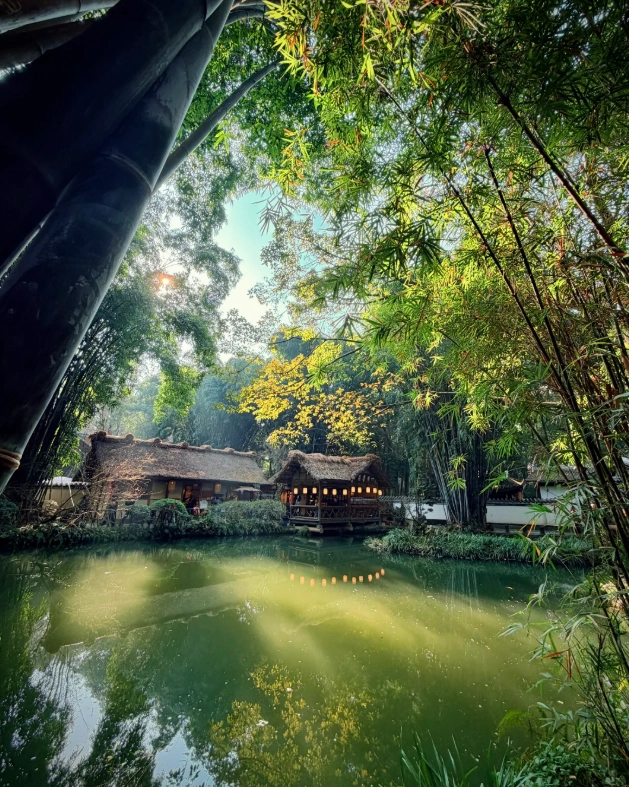
What Makes Sichuan a Must-Visit
Sichuan is like the wild child of China. It's got towering snow mountains, turquoise lakes, pandas, and a food culture that's basically a contact sport. But what makes the best places to visit in Sichuan actually special isn't just the attractions — it's the contrast. You can sip tea in a Chengdu park at 10 AM, then be 3,000 meters above sea level by nightfall.
I'll be honest: some spots are hyped beyond belief. Others feel like a secret handshake only locals know. My job is to tell you which ones deserve your time and which ones you can skip if you're short on energy.
Chengdu: Pandas and Teahouses
Let's start at the obvious gateway: Chengdu. This city is one of the best places to visit in Sichuan for a reason — it's got the pandas, but it also has a slower pace that's rare in Chinese megacities.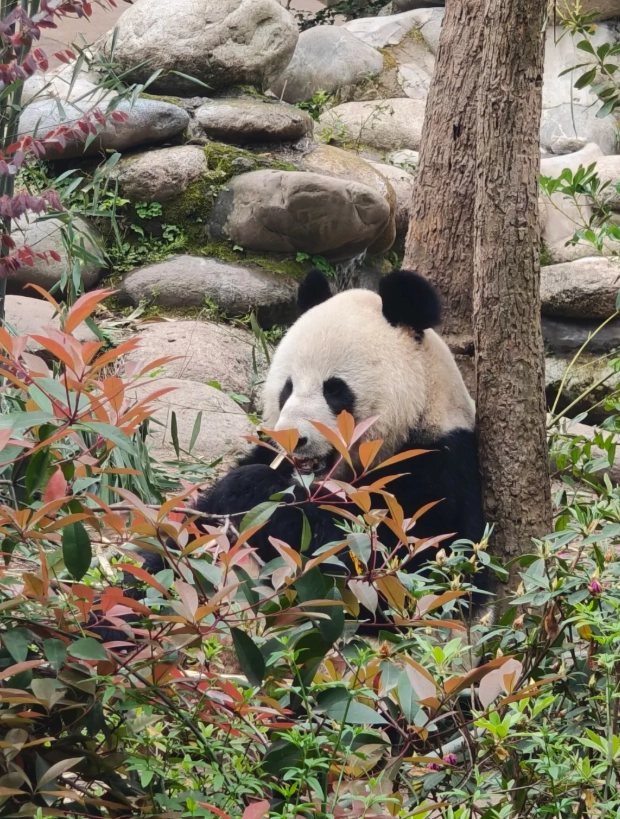
Panda Base: Go Before the Gates Open
The Chengdu Research Base of Giant Panda Breeding is the must-do. Adult tickets are about ¥55, but you almost always need to book the day before via their official WeChat account or an English-friendly platform like Trip.com. Bring your passport — it's mandatory for the pickup. The base is on Xiongmao Avenue in the Chenghua District, about 10 km north of downtown. From the center, take Metro Line 3 to “Panda Avenue” Station, then a 10-minute taxi or bus ride. I know that sounds easy, but here's the catch: most visitors enter through the east gate, so there's a bottleneck. If you can, tell your driver to take you to the west gate — it's quieter and the pandas are just as cute.
Pro Tip: Get there at 7:30 AM, about 30 minutes before the official opening. The pandas eat breakfast in the morning, and you'll see way more activity than the sleepy afternoon crowd.
People's Park and Teahouses
After the pandas, head to People's Park (Renmin Park) for a proper Chengdu afternoon. Grab a cup of gaiwan tea at the famous Heming Teahouse (it's been around for decades), and just watch the locals play mahjong and stroll by. A cup costs about ¥20, and they'll keep refilling your hot water all afternoon.
Kuanzhai Alley: A Tourist Trap with Great Snacks
Kuanzhai Alley is touristy — no doubt. But the food stalls are legit. Try the “liangpi” (cold wheat noodles) with a heavy hand of chili oil. Expect to pay ¥15–30 per snack. Just remember: many stores only take Alipay or WeChat, so set those up before you leave home.
Jiuzhaigou: How to Beat the Crowds
Jiuzhaigou is listed as a UNESCO World Heritage site — and it's one of the most stunning valleys you'll ever see. But it's also one of the most visited. The good news is that the park caps daily visitors, so if you book ahead, you're in. The tricky part is the booking system.
Adult tickets cost around ¥169 in peak season, plus a mandatory eco-bus ticket (~¥90). You can't walk the whole valley — it's over 50 km long. Book both tickets together through the official WeChat account (in Chinese) or via a reliable English platform like Trip.com. I've seen too many travelers show up without a booking and get turned away. Don't be one of them.
Once inside, here's my strategy: grab the first shuttle to the farthest stop, “Primeval Forest” (原始森林), then walk your way down. That way you're ahead of the crowds that start from the entrance and go to the popular spots first. Also, eat a big breakfast — the food inside is mediocre and expensive.
Bring a light jacket even in summer; the valley sits at 2,000–3,000 meters. And if you're prone to altitude sickness, take it easy.
The lakes — like Five Flower Lake and Panda Lake — are impossibly blue. You'll see why the local Tibetan people call this place “the fairyland on earth.”
Leshan Giant Buddha: A Practical Guide
The Leshan Giant Buddha is the largest stone Buddha in the world. It's a day trip from Chengdu — a quick high-speed rail ride (30–50 minutes) and then a taxi ride to the park. From the train station, the attraction is about a 15-minute drive. The ticket costs about ¥80, and you'll need your passport to buy it.
Here's what nobody tells you: the “walking tour” is a long, slow queue down a narrow staircase carved into the cliff. It can take over an hour just to descend and return. I suggest arriving at the park right when it opens at 8:00 AM and heading straight down before the second wave of buses arrives. If you're not in the mood to queue, you can also view the Buddha from a boat on the river (additional cost, usually ¥70). The boat gives you the iconic full-body view, but it's quick — you'll be back in about 20 minutes.
Whichever you choose, remember to bring water and a hat — there's almost no shade on the cliff path.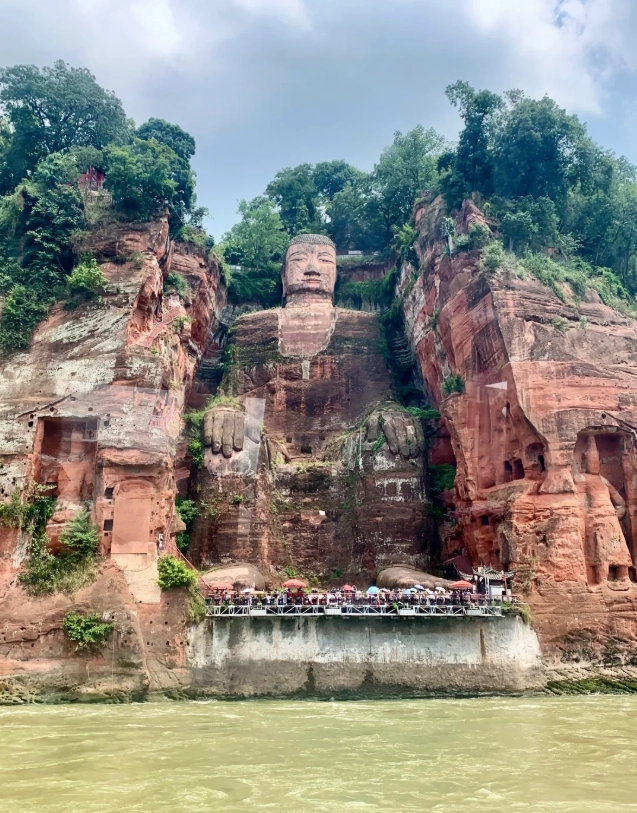
Mount Emei: Sunrise and Monkeys
Mount Emei, one of China's four sacred Buddhist mountains, is a two-day adventure that rewards you with an unbelievable sunrise over the clouds. To see it, you'll need to stay overnight at the summit or catch the first cable car up.
Most travelers start from the Baoguo Temple entrance. After buying your entrance ticket (around ¥160), you can take a shuttle bus up to the “Leidongping” station near the top, then hike the final 30–45 minutes to the cable car. The cable car itself costs about ¥120 one-way. If you're not acclimatized to altitude, you'll notice the thin air at 3,000 meters.
Insider warning: The monkeys are not cute zoo animals. They'll grab your food, your sunglasses, your phone. Don't carry plastic bags or hold anything shiny. I once saw a monkey steal a woman's entire purse and run up a tree. Keep your bag zipped and on your front.
For the sunrise, the best spot is the Golden Summit (Jinding). Book a hotel near the top in advance — they fill up quickly. And bring warm clothes; it can drop to 5°C in the summer mornings.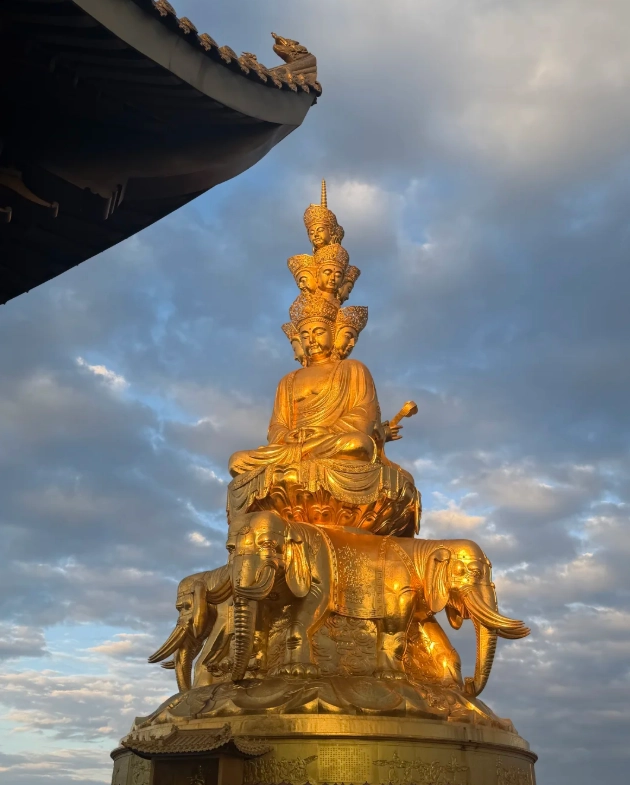
Daocheng Yading: The Last Shangri-La
If you want to see the most otherworldly scenery in western Sichuan, head to Daocheng Yading. This is the place you see in Chinese travel posters — snow-capped peaks, crystal alpine lakes, and yellow meadows in autumn. It's remote, high (around 4,000 meters), and best reached by a short flight from Chengdu to Daocheng Yading Airport. The airport is the world's highest civilian airport at 4,441 meters, so altitude sickness is a major concern. I recommend spending a night in the town of Daocheng (at about 3,700 meters) to adapt before entering the park.
The park entrance fee is about ¥150, plus the eco-bus (approximately ¥120) that takes you to the inner temples. From there, you can hike (or rent a horse) to the famous Milk Lake and Five Colored Lake. The hike is tough — expect exposed trails with steep climbs. Bring your own oxygen cans or buy them in town for about ¥30 each.
It's not easy to get to, and it's not cheap (flights often cost ¥600–1000), but for me, it's the purest version of the high-altitude Sichuan you dream about.
A Realistic 5-Day Sichuan Itinerary
Here's the thing: trying to see everything in five days is madness. But this plan hits the highlights without a death march.
Day 1: Chengdu Orientation
Arrive, drop your bags at a hotel near Chunxi Road (central). Walk to People's Park for an afternoon tea, then plunge into hotpot for dinner. Book your panda tickets for tomorrow — you can do it on Trip.com.
Day 2: Pandas and a Night in Jiuzhaigou
Early morning at the Panda Base. Then, take a late-afternoon flight or long bus ride to Jiuzhaigou. Yes, it's a travel day, but you'll gain a whole day for the valley. Stay at a hotel near the entrance.
Day 3: Jiuzhaigou Valley
Spend the full day inside the park. Use my strategy: shuttle to the deepest point first, then gradually work your way out. Take the last shuttle back and rest.
Day 4: Back to Chengdu and Leshan
Fly or take a morning bus back to Chengdu. In the afternoon, take the 1-hour bullet train to Leshan and see the Buddha. Return to Chengdu by evening.
Day 5: Culture and Food in Chengdu
Slow start. Visit Wenshu Monastery for a quiet temple experience, then hit the streets for a Sichuan cooking class or a food tour. If you are up for it, you can also squeeze in a Jinsha Site Museum.
This itinerary is fast, so if you prefer a more relaxed pace, cut Daocheng (which is a whole different trip) and give yourself one full day in Jiuzhaigou without the flight back-and-forth.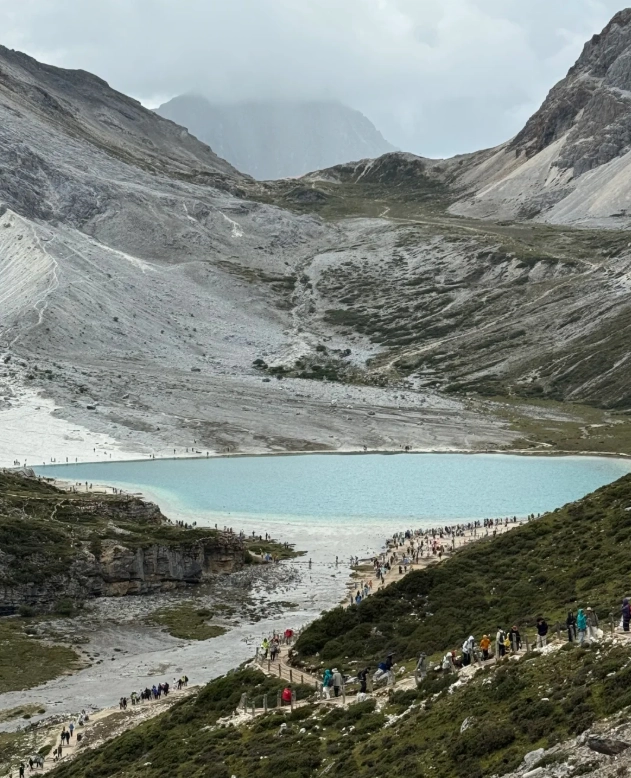
How to Get Around Sichuan
Sichuan is enormous — roughly the size of France. You'll need to mix planes, trains, and road trips. Here's a comparison of the main ways to move between the biggest spots:
| Transport | Best For | Time (approx) | Cost (approx) | Insider Note |
|---|---|---|---|---|
| Flight | Chengdu to Daocheng | 1 hour | ¥600–1200 | Book early on Trip.com — weather can cause delays. |
| High-speed rail | Chengdu to Leshan | 30–50 min | ¥54 | Buy tickets on the official China Railway system with your passport. |
| Tourist bus | Chengdu to Jiuzhaigou | 8–10 hours | ¥150–200 | Comfortable but slow. Bring snacks. |
| Private driver | Multi-day custom trips | Flexible | ¥800–1500/day | Easier for groups; can be organized by your hotel. |
For intra-city transport, skip taxis in peak hours and use DiDi (the Chinese Uber). The app has an English interface. And please, don't rely on Google Maps — it doesn't work properly in China. Use Apple Maps (which uses AMap here) or download AMap directly. I always have my clients show the Chinese address to the driver — it saves so many headaches.
What to Eat in Sichuan
Sichuan food is a science of mala — the numbing-and-spicy sensation that comes from Sichuan peppercorns. It's not for the faint of heart, but even if you can't handle the heat, there are treasures.
Hotpot: That's the big one. The broth is bubbling with chili oil and peppercorns. You cook your own meats and veggies. It's a social ritual. For a beginner-friendly spot, ask your hotel for a “yuanyang” (half-half) pot — one side plain, one side spicy. Expect to pay around ¥100–150 per person.
Mapo Tofu: The real version is covered in red oil and minced pork, and it's much spicier than the American take. Get it at a local restaurant, not a tourist spot.
Dan Dan Noodles: A bowl of noodles with a spicy, nutty sauce. Often vegetarian-adaptable. Perfect for a quick lunch.
Where to go: For street food, stroll through the alleys near Wenshu Monastery. For a sit-down meal, try a local chain like “Chen Mapo Tofu” (formerly at Fuqin Street). Remember that most small eateries don't accept cash; your phone is your wallet.
Practical Tips: Payments, VPNs, and Apps
Before you jump into your Sichuan adventure, get three things sorted: Alipay, WeChat Pay, and a VPN.
Payments: Even at attractions, many ticket counters no longer accept cash or foreign credit cards. Your best bet is to link your Visa/Mastercard to Alipay before you land. If that doesn't work, bring a backup of cash — but know that small shops may not have change for a ¥100 note.
VPN: Sorry, but Google, Instagram, Facebook, and WhatsApp are blocked in China. Install a reliable VPN on your phone and laptop before you travel. Something like Surfshark or ExpressVPN usually works.
Translation: English is rare outside tourist zones. Use Apple's Translate app or Baidu Translate for real-time help. Have key phrases written down in Chinese — just showing “xièxiè” (thank you) gets you instant smiles.
Maps: Already mentioned, but repeat: use AMap. It's in English if you set it to English, and it integrates with DiDi.
FAQ: Your Sichuan Questions Answered
Verified and fact-checked by the editorial team to ensure informational precision.








No comments yet.