 Chen Liu
Inside This Guide
After leading countless trips around southern China, I have come to love Guangdong for a reason most visitors miss: it is chaotic in a friendly, delicious way. But the same chaos also confuses travelers who do not know where to eat or which ferry to catch. So I have filtered out the noise and handpicked eleven honest experiences that answer the classic what to do in Guangdong question — without the tourist traps.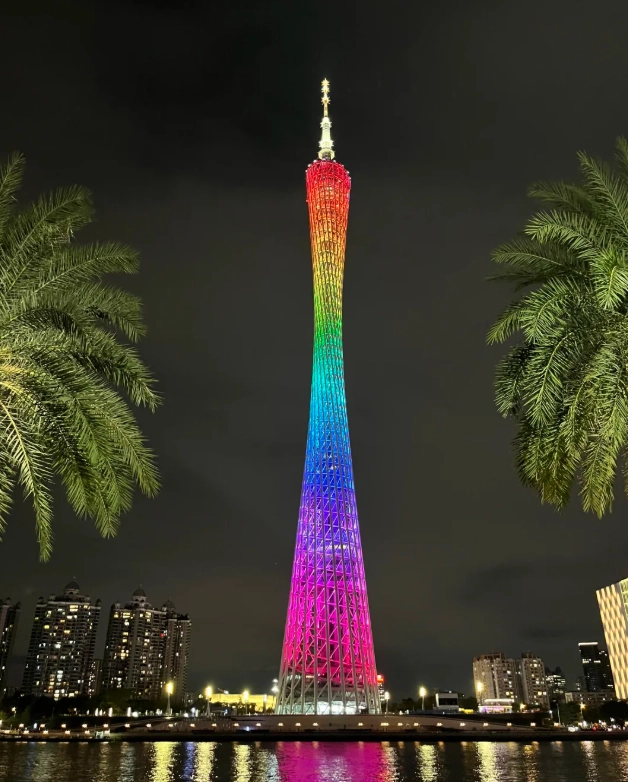
What to Do in Guangdong: 11 Unmissable Experiences
These are the experiences I personally guide my clients to again and again. Some are world-famous, some are local haunts, but all of them deliver a genuine slice of Guangdong.
1. Walking the Canton Tower's Horizon Deck at Sunset
Canton Tower is the undisputed king of Guangzhou skyline, but the trick is to go at sunset, not after dark. The tower itself is free to admire from outside; the observation deck costs around 150 to 200 RMB depending on how high you climb. Take Metro Line 3 or APM to Canton Tower Station (Exit B), then walk 5 minutes east. I always suggest arriving by 6:30 p.m. – you will catch the city lights switch on gradually while the sky turns violet. Insider move: skip the overpriced Ferris wheel at the top and instead walk south to Haixinsha Park for the classic shot of the tower reflecting on the water. Bring a hands-free phone strap; the local pickpockets love distracted tourists near the bridge.
2. Discovering Ancient Artistry at Chen Clan Ancestral Hall
This 19th-century temple complex is a silent oasis hidden inside Guangzhou's chaotic Liwan district. Located at 34 Enlong Li, Zhongshan 7th Road, it is a short walk from Exit D of Chen Clan Academy Station on Metro Line 1. The entrance fee is about 10 RMB – one of the best bargains in town. The carvings on the roof ridges are so intricate that you will spot new details every time you look. I always tell guests to bring a telephoto lens and visit before 10 a.m. to beat the tour groups. The courtyard's echo can be weirdly spiritual, but the real magic is the shadow play on the stone windows during late afternoon. Allow 1.5 hours.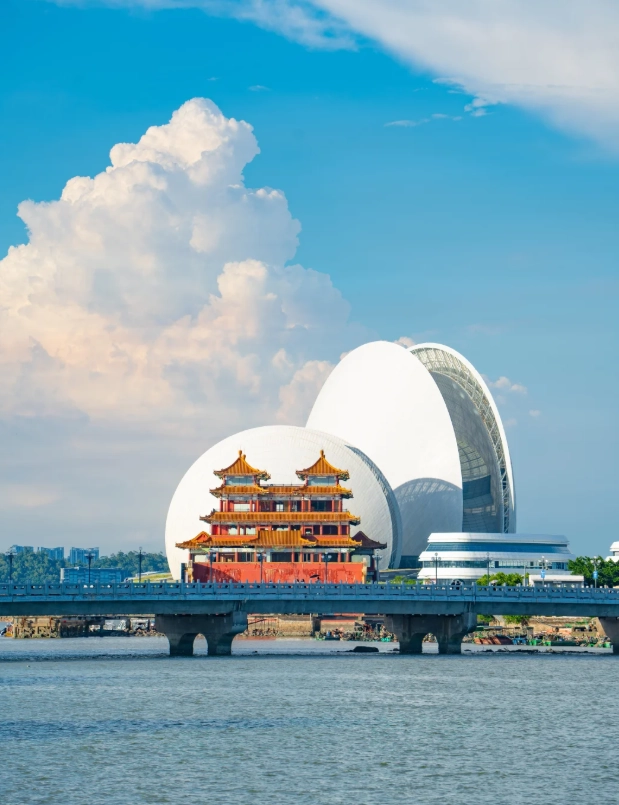
3. Eating Dim Sum Like a Local at a Teahouse
Dim sum is not just breakfast in Guangdong; it is a social ritual that moves to the rhythm of clinking carts and hot towels. My go-to for first-timers is Panxi Restaurant (泮溪酒家) at 151 Longjin West Road, Liwan District. It is decades old and designed like a Lingnan garden. You will pay around 60 to 100 RMB per person for a filling feast. Get there by 9 a.m. or you will wait 40 minutes for a table. Order shrimp dumplings (har gow), beef rice rolls, and tomato-and-egg soup which sounds odd but is a local masterpiece. Sit in the waterside hall if possible. Remember: the tea refill is free, but you are expected to pay a small per-person tea fee – that is normal. And do not worry about language; just point at the steamed bamboo baskets rolling by.
4. Cruising the Pearl River at Night
A Pearl River dinner cruise is the cliché tourist thing to do – and honestly, it is a cliché for a reason. The boats are huge, and the skyline views are postcard-perfect. Head to Tianzi Pier (天字码头) on Yanjiang West Road, about 10 minutes by taxi from Guangzhou's Shamian Island. Buy tickets online via Trip.com or through your hotel front desk. You will pay roughly 150 to 300 RMB depending on whether dinner is included. Cruises depart every hour starting at 6:30 p.m. The 20:30 departure is best because the city lights are fully on but the crowds have thinned.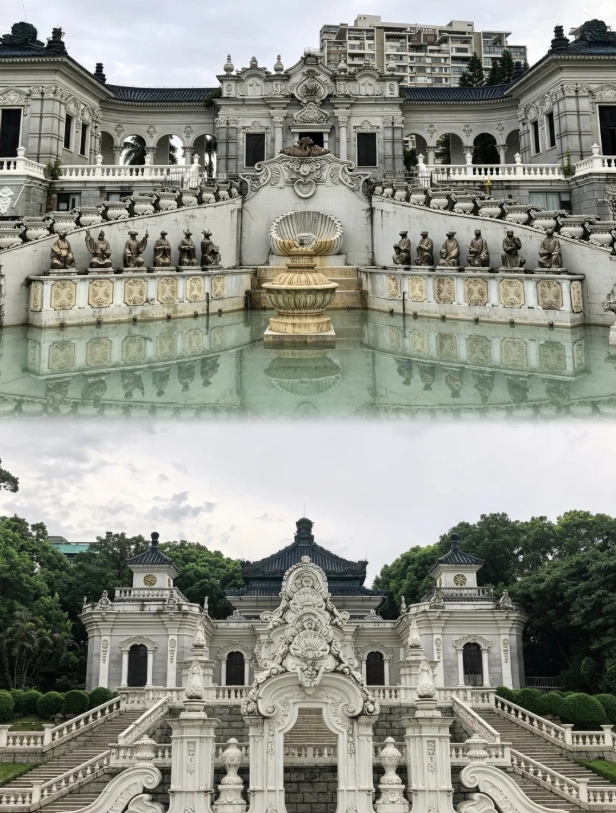
Pro Tip: choose a seat on the left side of the boat for the widest angle of Canton Tower. And if you are on a budget, take the public ferry from the same pier for just 2 RMB – it runs the same route but without the buffet and commentary.
5. Day-Tripping to the Kaiping Diaolou
The Kaiping Diaolou are UNESCO-listed fortified watchtowers that look like a mix of Roman castles and Chinese village homes – and they are hidden in the rural west of Guangdong. Book a high-speed train from Guangzhou South to Kaiping South (about 40 minutes) and then take a taxi to Zili Village (自力村). The ticket is about 78 RMB, and it is worth every yuan. These villas were built by overseas Chinese in the early 20th century, who returned with foreign architectural ideas and blended them with local defensive needs. Walk through the rice paddies and climb the ramparts. The best light comes at around 4 p.m., when the sun turns the yellow walls honey-colored. I always check the UNESCO World Heritage Centre (whc.unesco.org) before bringing guests here – their descriptions help me explain why these towers are globally recognized.
Insider Advice: skip the tacky folk village performances and instead spend your budget on the guide map – it helps you speedily locate the three most impressive towers.
6. Roaming Beijing Road's Ancient Street for Snacks and Souvenirs
Beijing Road is not just another shopping street – it is an archaeological site with a museum feeling, nestled under your feet. A glass floor covers sections of ancient brick roads from the Song Dynasty. The street is free to walk and always buzzing. To get there, take Metro Line 6 to Beijing Road Station, Exit A, or Line 1 to Gongyuanqian and walk south for 8 minutes. Enter through the north gate nearest to the ancient ruins (you cannot miss the big stone sign). Grab a bowl of suan ni dou hua (garlic tofu pudding) and the classic creamy double-skin milk at any of the local snack shops. I usually steer guests away from the extortionate souvenir stalls that sell generic Chinese trinkets – instead, walk one block west to Gaodi Street to see artisan workshops that still stitch lion heads and gold embroidery.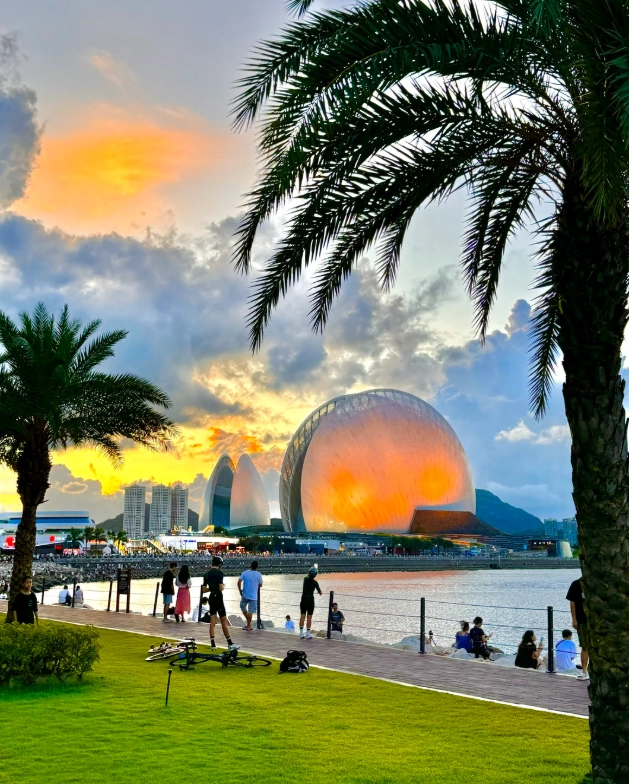
7. Conquering Danxia Mountain's Red Cliffs
Danxia Mountain is nature's red velvet cake – a UNESCO-listed landscape of crimson sandstone peaks that dominate the northern edge of Guangdong. You will need a full day. Take the high-speed train from Guangzhou South to Shaoguan East (around 1 hour), then catch a bus or taxi to the park entrance (30 minutes). Admission is about 100 RMB, and there is a shuttle that saves you the steep walk up. I have hiked to the Yangyuan Stone (also known as the drumstick due to its shape) and I am telling you – the view from the top is worth every sweat drop. Best photo spot: Yin Yuan Stone, opposite the Yangyuan Stone, which is famous for its... let us just say shape. Start climbing by 7 a.m. to avoid crowds and heat. Bring 1.5 liters of water per person; there are no vending machines up there.
8. Strolling Along Zhuhai's Lover's Road and Fisherman Statue
Zhuhai's coastline is one of the most laid-back city promenades in China, and it will not cost you a penny to enjoy. The famous Fisherman Statue stands on a rock near Xianglu Bay, but the real charm is walking the Sycamore-lined Lover's Road for about 3 kilometers along the sea. Start at the Zhuhai Fisherman Statue bus stop (bus routes 4, 12, 25) and walk south toward the Seaside Park. The sea breeze is strong, so skip the umbrella and bring a windbreaker. The best time is sunset, around 5:30 p.m. in autumn. There are local couples taking wedding photos everywhere – that is how you know it is a local favorite. Pack light; you will want your hands free for ice cream from the street carts.
9. Hanging Out at OCT Loft in Shenzhen
OCT Loft is Shenzhen's hipster district – a former industrial complex turned into a sprawling creative park filled with galleries, indie bookshops, and specialty coffee roasters. It is located in Nanshan District, near Metro Line 1's Qiaocheng East Station (Exit B). Wandering the red-brick courtyards feels like stepping into Berlin. For a real treat, visit the art bookshop Hobbyhouse – it has rare photography books you will not see anywhere else. The whole place is free. I always suggest going in the late afternoon, when the heat eases and the lighting creates sharp shadows on the old factory walls. If you are into electronic music, check if there is an event at B10 Live – this venue hosts local and international acts. Even if you are not, the people-watching is top-tier.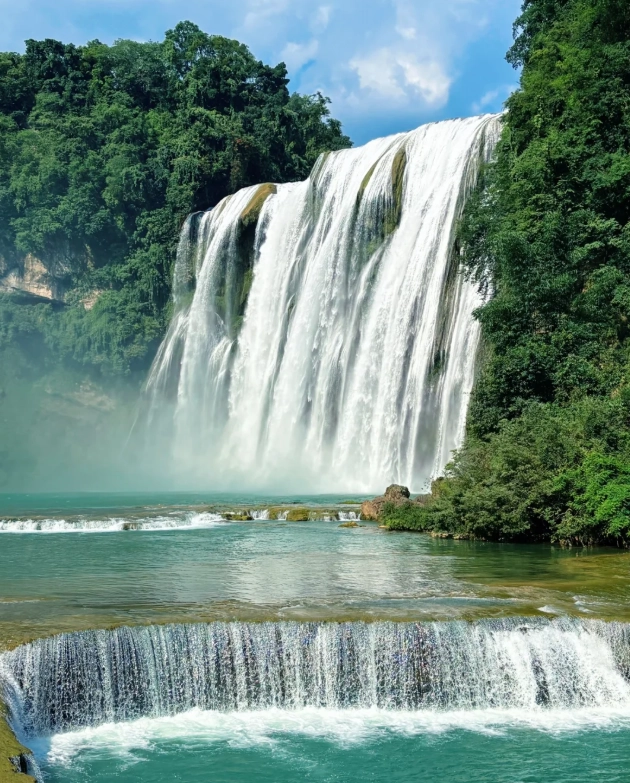
10. Sunbathing at Hailing Island's Sandy Beaches
Hailing Island in Yangjiang is where Guangdong locals flock for a weekend beach escape, and it is still off the radar for most foreign tourists. The main public beach, Dajiao Bay (大角湾), has an entrance fee of around 40 to 50 RMB during peak season. If you want it free, just continue north to Shili Silver Beach (十里银滩) – it is open to the public at no cost. Take the high-speed train from Guangzhou South to Yangjiang East (about 1.5 hours), then hop on a local bus or taxi to the island (40 minutes). The water can be blue-green in summer, though not tropical-clear. The real highlight is the seafood night market on the island's south shore – try the garlic steamed oysters and grilled squid. Beware of sunburn; the subtropical sun is brutal even on cloudy days.
11. Catching a Cantonese Opera Performance
Cantonese opera is a feast of color and sound, and experiencing it live gives you a glimpse into Guangdong's soul. The easiest place is the Cantonese Opera Art Museum in Guangzhou's En'ning Road (恩宁路), which houses a small theater inside. Entry is free, but performances happen on certain evenings – check the schedule at the entrance or ask the local tourist office. If you do catch one, you will see singers wearing elaborate headdresses and painted masks; the music mixes strings and eerie high-pitched songs. Even if you do not understand a word, the spectacle is worth it. I recommend pairing this with a walk through the nearby Yongqing Fang (永庆坊) – a restored historic lane that is now packed with craft stalls and cafes.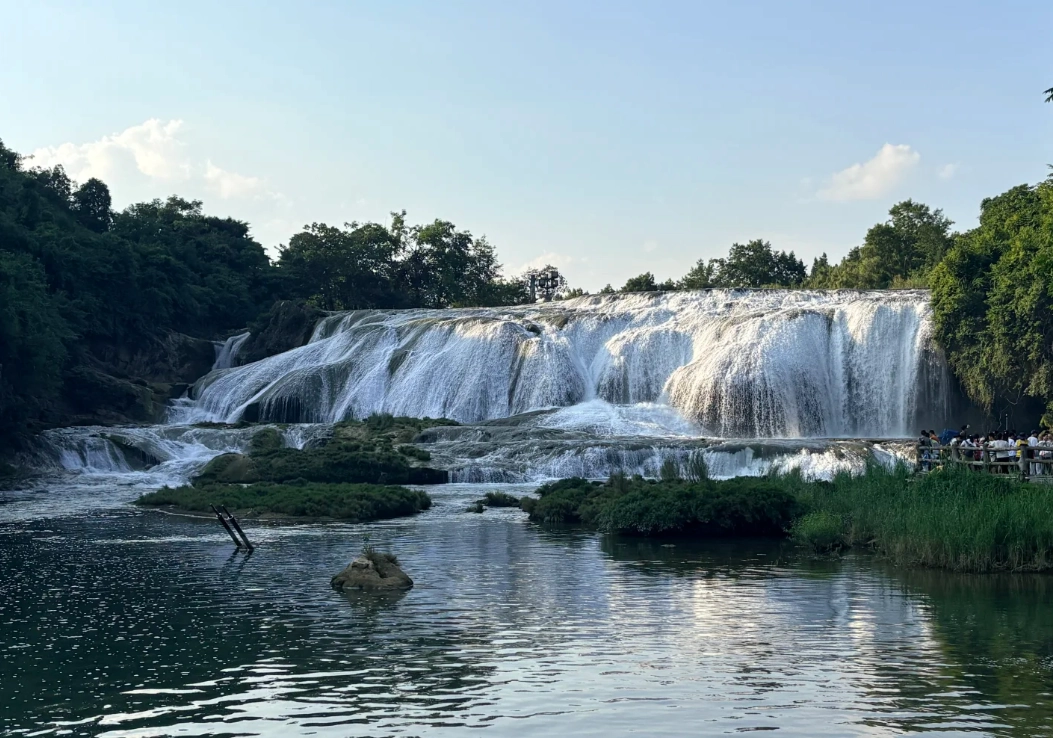
How to Connect Your Guangdong Highlights?
Guangdong's major cities are surprisingly well-connected by high-speed rail and ferry, which makes multi-day trips easier. Here is a realistic road map for a 3-day trip that covers Guangzhou, Shenzhen, and Zhuhai, based on how I actually guide clients.
| Route | Time | Approx. Cost | Best For |
|---|---|---|---|
| Guangzhou to Shenzhen (train) | 30–40 min | 80–120 RMB | Tech parks, OCT Loft |
| Guangzhou to Zhuhai (train) | 60 min | 70–100 RMB | Seaside walks, islands |
| Shenzhen to Zhuhai (ferry) | 60 min | 130–170 RMB | Coastal views, East Sands |
For train bookings, always check the official China Railway website at www.12306.cn or use Trip.com for an English interface. For the Shenzhen–Zhuhai ferry, head to Shekou Pier in Shenzhen and it will dock at Jiuzhou Port in Zhuhai. Tickets are available at the pier or on travel apps.
Here is my 3-day sampler rhythm:
Day 1: Start with a late dim sum breakfast at Panxi, then spend 2 hours at Chen Clan Ancestral Hall. Head to Haixinsha Park early to watch the sunset at Canton Tower.
Day 2: Morning train to Shenzhen (30 minutes). Explore OCT Loft until 2 p.m., grab lunch there, then take the 4 p.m. ferry to Zhuhai (60–70 minutes). Check in near Lover's Road and enjoy the evening sea breeze.
Day 3: Wake up early and walk the entire Lover's Road. Take the afternoon train back to Guangzhou South (1 hour) and finish with a sunset cruise on the Pearl River.
If you want to add Kaiping Diaolou, replace Day 3 with a 3-hour train ride to Kaiping, but you will need to base yourself in Guangzhou for another night. For Danxia Mountain, add two full days – it is further north.
What to Eat in Guangdong? Beyond Dim Sum
While dim sum is the global ambassador, Guangdong's true food culture goes way beyond bamboo steamers. You should also try char siu (barbecue pork), wonton noodles, white-scalded shrimp, clay-pot rice, and the killer combo of ginger milk curd. For breakfast, skip the hotel buffet and walk to a street stall selling congee with preserved egg and pork. Do not worry about finding one – follow the sound of sizzling woks and the line of office workers. If you need a quick guide, just remember the phrase 'lu wei' (卤味) for braised meats, and 'lao huo tang' (老火汤) for slow-cooked herbal soup. These are the flavors locals crave when they are abroad.
For a foodie walk, I recommend the Xiguan area in Liwan District – it is packed with old-school Cantonese restaurants and street snacks. In Shenzhen, head to the Yuexiu area? No, Shenzhen has its own food scene, but for local Cantonese, Guangzhou is better. If you are in Zhuhai, try the seafood along the coast – the oysters are especially good.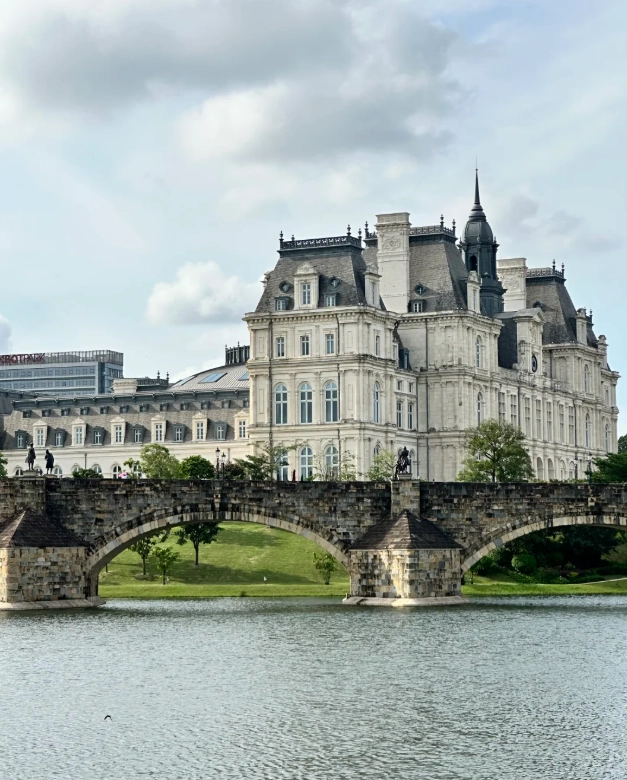
How to Get Around Guangdong?
Google Maps does not work well in China – it is often inaccurate and may show you confusing labels. I use Apple Maps for walking directions (it works surprisingly well) but for checking transit, the AMap app (高德地图) has an English-friendly mode that I have seen on expat forums. Even simpler: show the driver the Chinese address on your phone.
Payment is another hurdle. Most places in Guangdong are cashless. If you have a foreign credit card, you can link it to Alipay (via the Tour Pass feature) or WeChat Pay. As a backup, carry 200 to 300 RMB in cash for rare occasions like small street vendors. Taxis usually accept WeChat or Alipay, but do not expect them to have card readers.
For intercity travel, the high-speed rail network is your best friend. Book tickets through Trip.com (English interface) or directly on the official China Railway website at www.12306.cn. You will need to enter your passport number. At stations, use the foreign passport machines or the manual counter; allow 40 minutes before departure for the extra identity check.
For taxis and ride-hailing, forget hailing non-metered taxis on the street – you will overpay. Instead, use the Didi app (DiDi Chuxing), which now supports English. The app works like Uber and automatically deducts from Alipay or WeChat. In tight situations, you can also ask your hotel to write the destination in Chinese characters on a card – that is my old-school trick.
What You Need to Know Before Visiting Guangdong?
Visa rules change, so always check the latest requirements from your nearest Chinese embassy or the official National Immigration Administration website at www.nia.gov.cn. Do not rely on outdated blog posts. Most foreign visitors need a tourist visa (L visa).
Network and VPN: Google, Facebook, and Instagram are blocked. To stay connected, download a reliable VPN before you land – it is your lifeline for everything from Google Maps to social media. For offline communication, WeChat is a must-have. It also serves as your payment method if you connect a card.
Language: English is not widely spoken outside hotels and airports. Prepare a translation app like Apple Translate or Baidu Translate. For food, I strongly suggest saving a photo of the dish you want – pointing at a picture is a universal language that I have mastered after hundreds of meals.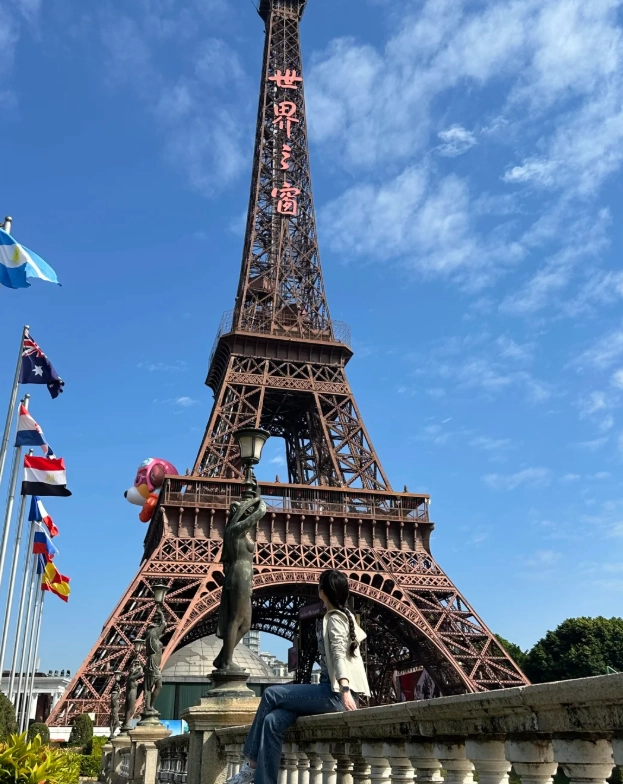
FAQs About Visiting Guangdong
How many days should I spend in Guangdong?
A minimum of 3 days is enough for a whirlwind tour of Guangzhou and Shenzhen, but I would say 5 days lets you experience both the metropolitan side and the coastal or rural side. For example, you can spend 2 days in Guangzhou, 1 in Shenzhen, 1 in Zhuhai, and still have a buffer for travel. If you want to include Danxia Mountain or Kaiping Diaolou, add at least one more day.
Is Guangdong safe for tourists?
Generally, yes. Violent crime against foreigners is extremely rare. The biggest concerns are pickpocketing in crowded tourist areas like Beijing Road and traffic. Keep your phone in your front pocket and be hyper-alert when crossing streets – drivers often ignore pedestrian crossings. Also, avoid illegal taxi touts at railway stations.
What is the best time to visit Guangdong?
Spring (March to May) and autumn (October to December) are the sweet spots. Summer is scorching hot and humid, and it is also typhoon season. Winter is mild but can be damp. If you are going for the beaches, late April to June is good. For photography, avoid the rainy season (May to June) if you are set on mountain views.
Do I need to speak Mandarin to enjoy Guangdong?
Surprisingly, Cantonese is the regional dialect, but everyone understands Mandarin. English is limited. That said, you do not need to speak any Chinese if you are prepared. Use translation apps, show addresses in Chinese, and use apps like Trip.com. The biggest hurdle is the digital ecosystem – but once you set up WeChat and Alipay, you will get around fine.







No comments yet.