 Peng Gao
Inside This Guide
Let me paint you a picture. You've just landed in Lanzhou. Your phone buzzes with an Alipay alert. You're wondering if you booked the Mogao Caves ticket. Sound familiar?
Planning a trip to Gansu isn't like buying a train ticket on 12306 — you can't just wing it. As a China travel guide who has led dozens of foreigners through this province, I've seen people miss out because they ignored the top things to do in Gansu and underestimated the travel logistics.
Here's the bottom line: if you only have one day, base yourself in Dunhuang and hit the Mogao Caves plus the Singing Sand Dunes. If you have a week, loop in Zhangye's rainbow mountains and Jiayuguan's fortress. And whatever you do, avoid August unless you enjoy human-shaped bottlenecks.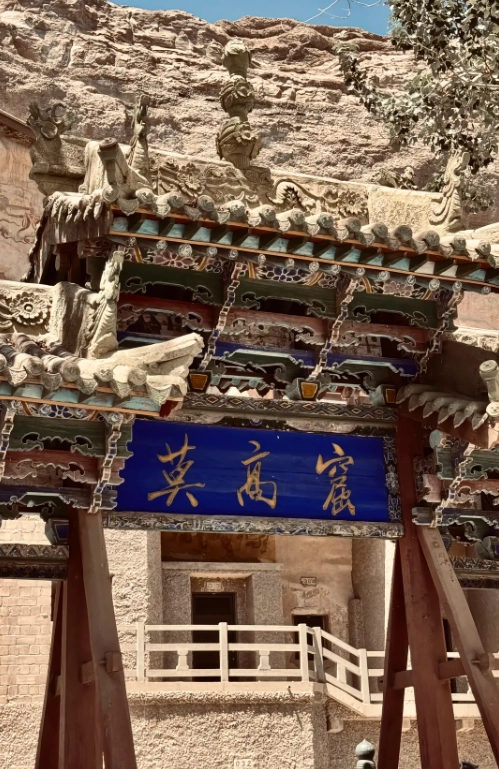
Why Gansu Deserves a Spot on Your China Itinerary
Gansu is a narrow corridor stretching from the Yellow River to the edge of the Gobi Desert. It was the lifeline of the Silk Road, connecting Xi'an to Central Asia and beyond. Today, it's home to some of China's most astonishing landscapes and best-preserved Buddhist art. But honestly, many travelers skip it because they think it's remote and hard to navigate. That's a mistake — and I'm here to change your mind.
Gansu Travel Survival Guide: What Do You Need Before You Go?
Visa and Entry
Everyone needs a visa to enter mainland China, and Gansu is no exception. Apply at your nearest Chinese embassy or visa center at least a month before your trip. For the latest rules, check the National Immigration Administration website. If you're transiting via Beijing or Shanghai, you might qualify for the 24-hour or 144-hour visa-free transit, but that doesn't get you to Gansu — you'll need a full tourist visa (L visa).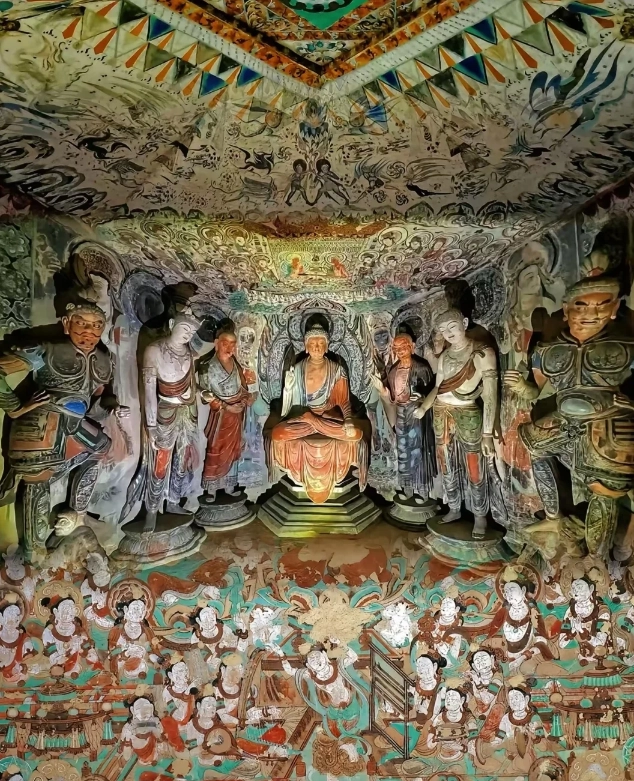
Money and Payments
China has moved toward a cashless society. Most places accept Alipay and WeChat Pay, and as a visitor, you can link your international credit card to these apps. In Gansu, even street food vendors use a QR code. Cash is still technically accepted, but you'll get annoyed by the change and the stares. I always tell my clients: set up Alipay before you fly, because you'll need it for train tickets and even admission fees.
Navigation and Apps
Google Maps is unreliable in China. Download Apple Maps (which uses Chinese mapping data) or the English version of AMap (Gaode). For train bookings, use the official China Railway 12306 website or app. Also, download a good VPN before you arrive — you'll need it for Instagram, WhatsApp, and whatever else you can't live without.
Language and Internet
English is barely spoken outside of hotel front desks and major tourist sites. Prepare a translation app like Apple Translate or say "I don't speak Chinese" in Mandarin. Also, many attraction booking mini-programs are in Chinese only. That's where a professional travel agent or your hotel concierge becomes your best friend.
Top Things to Do in Gansu: 7 Unmissable Experiences
Now, the main event. I've broken these down into a quick-reference table first, so you can plan your logistics. Then we'll dive into the nitty-gritty details that no guidebook tells you.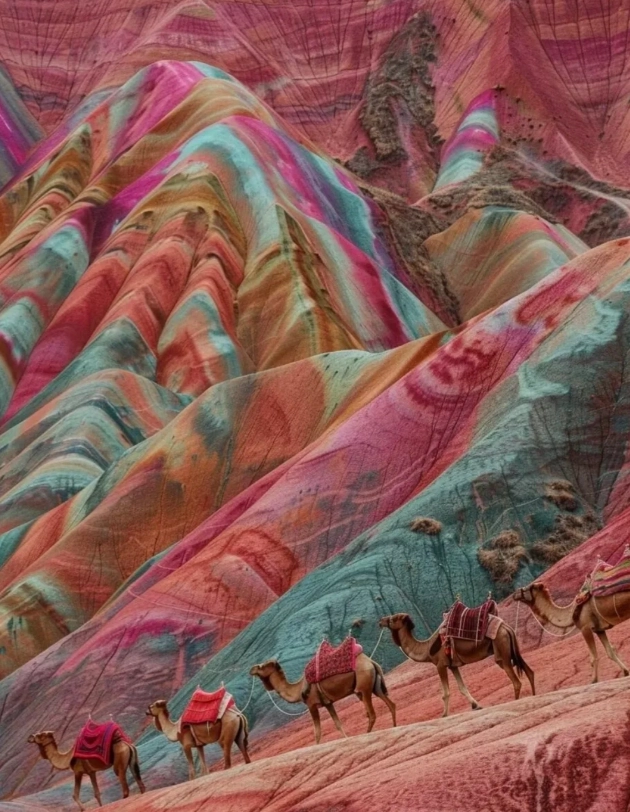
| Attraction | Ticket Price (approx.) | Opening Hours | Location |
|---|---|---|---|
| Mogao Caves | 238 RMB | 7:30-18:00 (Apr-Nov) | Dunhuang |
| Singing Sand Dunes | 120 RMB | 5:00-21:30 | Dunhuang |
| Zhangye Danxia | 74 RMB incl. bus | 6:00-18:00 | Zhangye |
| Jiayuguan Fortress | 110 RMB | 8:30-18:00 | Jiayuguan |
| Yellow River Scenic Area | Free | Open all day | Lanzhou |
| Yumen Pass | 40 RMB | 8:00-18:00 | Dunhuang area |
| Bingling Temple | 50 RMB + ferry | 8:00-17:00 | Yongjing, near Lanzhou |
1. The Mogao Caves: Buddhist Art That Will Make You Cry
The Mogao Caves are the crown jewel of Gansu and a UNESCO World Heritage site. You can't wander in alone; you must join a guided tour. The ticket includes access to the Digital Center (where you watch two documentaries) and a shuttle bus to the caves. I've taken clients who booked last minute and got turned away — the cap is around 6,000 visitors per day, which sells out fast this season. The caves are listed on the UNESCO World Heritage Centre for their extraordinary universal value.
Pro Tip: Book at least a week ahead on the official WeChat mini-program or use an English-friendly platform like Trip.com. You'll need your passport number. Show up 20 minutes early to the Digital Center, not the caves — that's a mistake I see all the time.
Once inside, the 492 decorated caves are a silent scream of human creativity. The sheer number of Buddhas, fragile murals, and the famous "flying apsaras" will leave you speechless. Photographs aren't allowed, and honestly, your phone couldn't capture the darkness and the flashlight anyway. Spend at least two hours here, then walk through the nearby Shazhou Night Market for some grilled lamb skewers.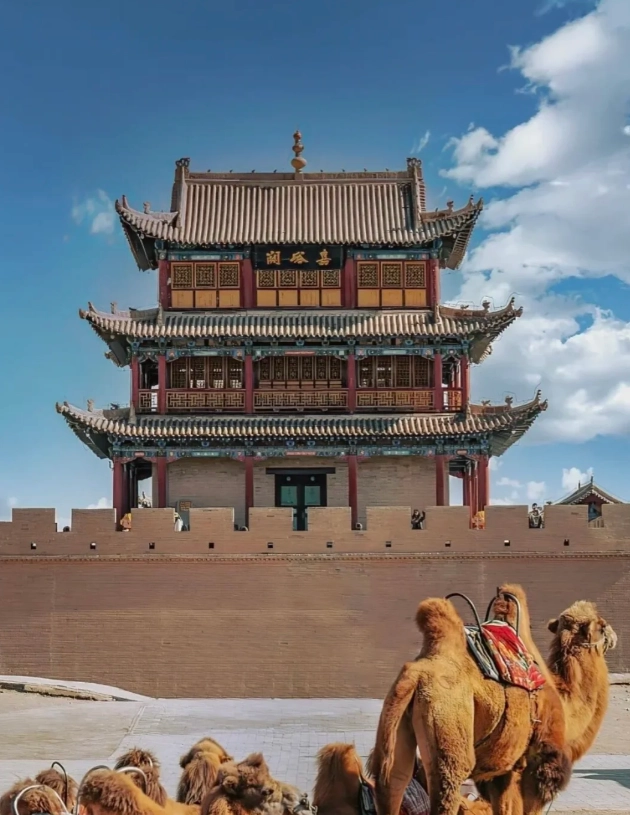
2. Singing Sand Dunes and Crescent Lake: Camel Rides Done Right
If you've never been on a camel, this is the place to change that. The dunes are massive, but the real star is the crescent-shaped lake that has survived for centuries. A camel ride is the classic way to approach it — it costs about 100 RMB for a 30-minute loop, and honestly, it's a little touristy, but the feeling of swaying on a hot camel with the desert stretching forever is unforgettable.
Here's the catch: the sand gets scalding by noon. I always tell my groups to go after 4 PM, when the light turns golden and the shadows make the ridges pop. You can also watch the sunset from the sand dune summit — it's a 20-minute hike, and your calves will complain, but the view is worth it. Fill your water bottle before you start; there's no water on the dunes.
Open until 21:30 in summer, so you can stay for the star show. Just remember to bring a scarf to cover your face when the wind whips up — sand in your teeth is not a pleasant souvenir.
3. Zhangye Danxia: Earth's Own Rainbow
Zhangye's Danxia Landform is the most colorful mountain range on earth. The rainbow stripes are caused by layers of red sandstone and mineral deposits, and they look like a palette thrown at the landscape. This is one of the top things to do in Gansu if you're a photographer — but don't come at noon. The colors are washed out under harsh sunlight. Instead, aim for sunrise or sunset.
The site is large; you'll ride a shuttle bus to five viewing platforms. I recommend skipping the first one and spending time at platform four — it has the classic view of the folded ridges. The ticket is 74 RMB including the bus, which is a steal. The nearest town is Zhangye, about 40 minutes away by taxi. Most visitors arrive on the high-speed train from Lanzhou, which takes about 3 hours.
One warning: the viewing platforms have no shade. I've seen tourists with heatstroke. Wear a hat, bring lots of water, and apply sunscreen from your head down to your ankles.
4. Jiayuguan Fortress: The Last Pass of the Great Wall
Jiayuguan Fortress is the most imposing Great Wall pass you'll ever see. It was the westernmost end of the Great Wall during the Ming Dynasty. It's a massive fortress that looks like a real-life Game of Thrones set. Standing on the ramparts, you can see the Gobi Desert swallow the horizon. The complex includes the fortress, the Overhanging Great Wall, and the Wei-Jin tomb murals, but if you're short on time, just visit the fortress.
The ticket is 110 RMB, which includes all three sites. Give yourself half a day. You can climb the ramparts and explore the museums inside. The Overhanging Wall is a short taxi ride away (about 10 RMB), and it offers a dramatic walk along a cliff. I always say, missing Jiayuguan is like reading a thriller and skipping the last chapter.
5. Lanzhou's Yellow River: The City's Living Room
In Lanzhou, the Yellow River is the city's living room. You'll likely start or end your Gansu trip here. The river cuts right through town, and the riverside promenade is where locals gather to dance, exercise, and eat ice cream. The Zhongshan Bridge, a steel bridge from 1909, is the main landmark. It's free to walk across, and it's most beautiful at dusk when the lights come on.
Don't miss the Waterwheel Garden and the statues of the Yellow River Mother. This isn't a top tourist-heavy sight, but it's a delightful way to decompress after days of deserts and ancient caves. I recommend renting a bike or just strolling for an hour. The riverfront is also where you'll find the famous Lanzhou beef noodle shops — go to Mazili's for the ultimate bowl.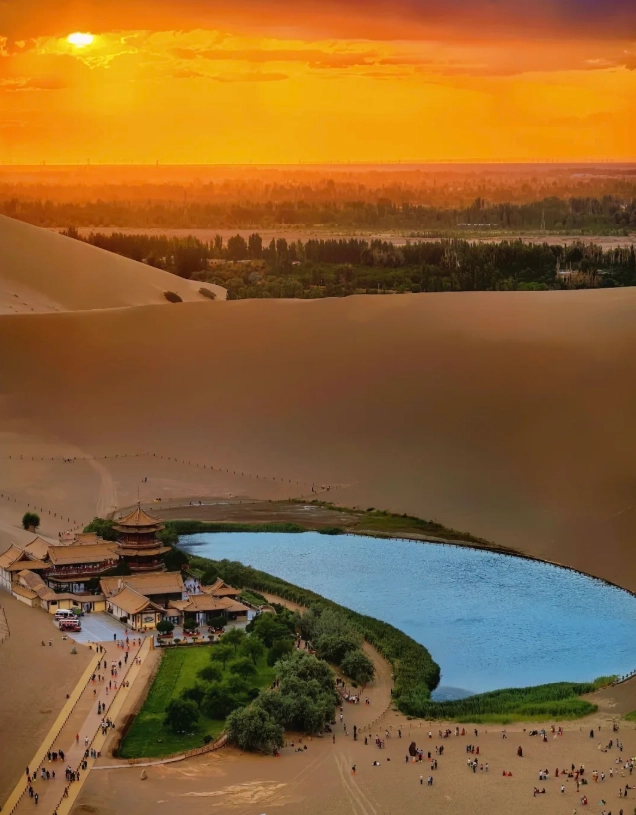
6. Yumen Pass: The Gate to the Western Regions
Yumen Pass is the kind of place that makes you feel the weight of history. Located about 90 km northwest of Dunhuang, it's a crumbling rammed-earth gate that once marked the boundary between China and the "barbarian" lands beyond. It's not as grand as Jiayuguan, but its solitude is breathtaking. The drive takes 1.5 hours through the Gobi, and along the way you might see mirages.
The ticket is 40 RMB, and there's a small museum. Bring your own water and snacks — there's almost nothing nearby. The winds are relentless, so bring a windbreaker. This is a top thing to do in Gansu if you want to channel your inner Marco Polo and escape the human herds.
7. Bingling Temple Grottoes: Hidden on a Waterfront Cliff
Bingling Temple is a hidden gem that most tour groups skip. Often skipped by packaged tours, this is a series of ancient Buddhist grottoes carved into a cliff face that rises directly from the Liujiaxia Reservoir. It's not easy to reach — you must drive to Liujiaxia Dam (about 80 km from Lanzhou) and then take a 1-hour boat ride across the turquoise water. The combination of boat trip and ancient art is magical.
The admission is 50 RMB, and the ferry costs about 55 RMB round-trip. Boats leave when full, so go early (before 9 AM) to avoid waiting. The highlight is the 27-meter-tall Maitreya Buddha, flanked by thousand Buddha niches. Since it's less famous, you'll have more space to breathe. I've seen travelers tear up here — it's that raw.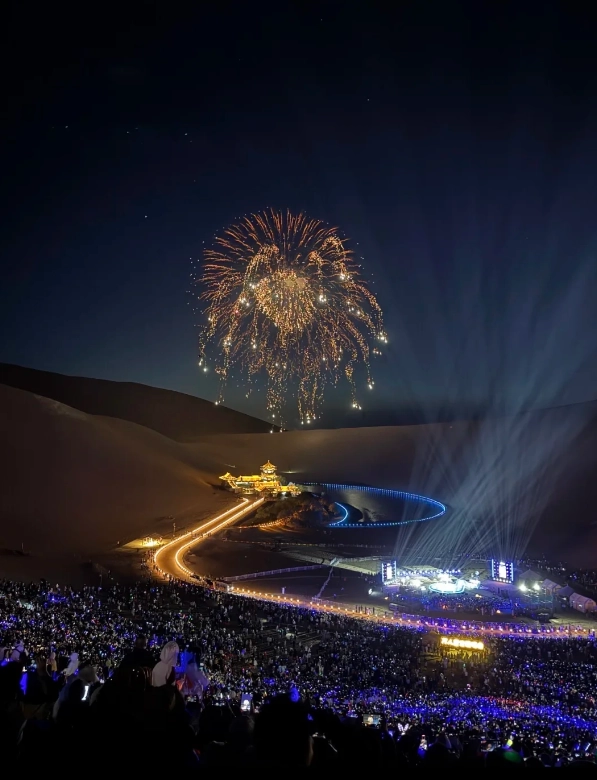
How to Plan a Gansu Itinerary
Gansu is long and skinny, so your itinerary depends on how much time you have and your tolerance for long train rides. Here are three realistic plans that I've designed based on my own guiding experience.
One Day in Gansu (Dunhuang Focus)
Land in Dunhuang early, drop your bags, and head straight to the Mogao Caves (book ahead!). After lunch, visit the Singing Sand Dunes and watch the sunset. Dinner at Shazhou Night Market. This is an intensive day, but you'll hit the two greatest hits.
Three Days (Dunhuang + Zhangye)
Day 1: Mogao Caves + Singing Sand Dunes. Day 2: Fly or take the overnight train to Zhangye, explore the Danxia at sunset. Day 3: Morning at the Giant Buddha Temple in Zhangye, then take a mid-afternoon train to Lanzhou or onward. This gives you a taste of both culture and natural wonders.
Five Days (The Full Corridor)
Day 1: Lanzhou, walk the Yellow River and eat beef noodles. Day 2: Day excursion to Bingling Temple (morning boat) then return to Lanzhou. Day 3: High-speed train to Zhangye (3 hrs) and visit Danxia at sunset. Day 4: Morning in Zhangye, then train to Jiayuguan (2 hrs) and visit fortress. Day 5: Fly from Jiayuguan to Dunhuang or take a long-distance bus, then spend the day at Mogao Caves. This is ambitious but covers everything.
Note: Distances aren't measured in miles but in train hours. Use the China Railway app to check timings, and always book tickets ahead for peak season (July-August).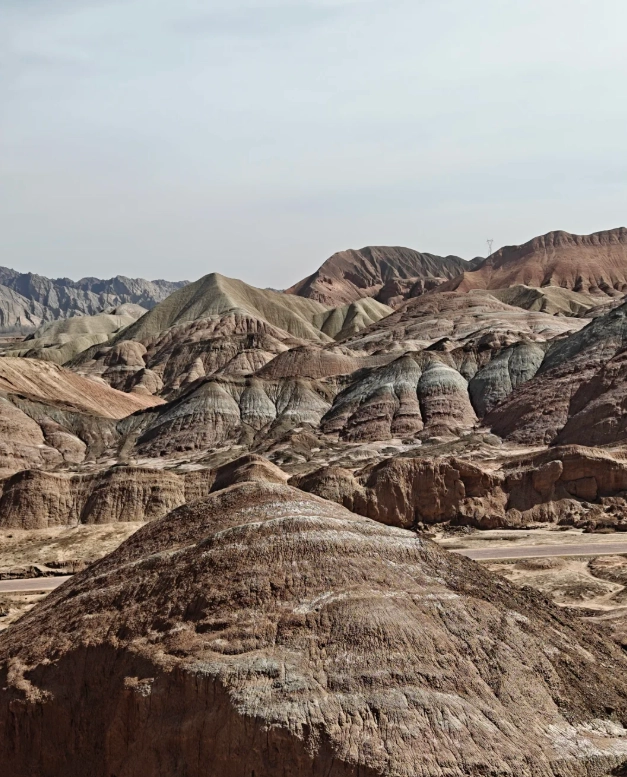
Frequently Asked Questions About Visiting Gansu
Insider Tips to Save Money and Time
- Use 12306 app for train tickets — it's cheaper than third-party sites and allows passport booking.
- Hire a licensed guide at the Mogao Caves — it's included in your ticket, and they bring the murals to life.
- Stay in Dunhuang's Shazhou Night Market area for easy access to food and the bus station.
- Bring a refillable water bottle — hotel water is drinkable after boiling, but bottled water is cheap.
- Always carry your passport. Police checkpoints in remote areas may ask for it, and every attraction needs it for ticket verification.
- Learn to say "bu yao la" (not want spicy) if you can't handle chili.
Verified and fact-checked by the editorial team.





No comments yet.