 Ming Yang
My first tour group nearly mutinied after a 7-hour bus ride from Chengdu to Jiuzhaigou. Then they saw the turquoise lake and went dead silent. That’s Sichuan in a nutshell — brutal logistics, magical payoff.
Planning a visit to Sichuan tourist attractions isn’t like hopping around a European city. The pandas, the glacier lakes, the cliff-carved Buddha — they’re scattered across a province larger than Germany. And the real killer? Online ticket systems that simply reject your international credit card unless you know exactly which hidden toggle to click.
Here’s the absolute truth: if you only have time for one thing, make it Jiuzhaigou. But you must book your entry ticket at least five days in advance and arrive before 8am. Otherwise, you’ll spend your time watching tour-bus groups take selfie sticks instead of soaking in the most beautiful water I’ve ever seen.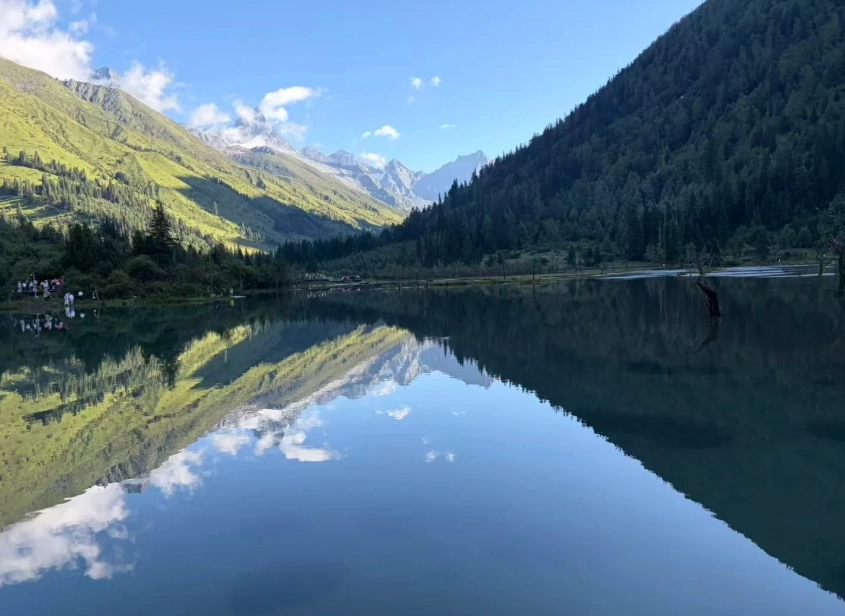
What You Need to Know Before Visiting Sichuan Attractions
Digital payment and navigation are the two biggest hurdles for foreign travelers in Sichuan. Almost no ticket office accepts cash or foreign credit cards now. You’ll need Alipay or WeChat Pay linked to an international card. And forget Google Maps — it’s unreliable in China. Download AMap Global (it offers an English interface) before you arrive.
Here’s a few things I always tell my clients before they fly in:
- Bring your passport to every attraction. You’ll need it for real-name booking and entry.
- Get a VPN installed on your phone before you reach China. Otherwise your email, WhatsApp, and Google Docs will stop working.
- Book tickets for major Sichuan tourist attractions through Trip.com or Klook. They handle the passport registration for you, and their customer service actually replies in English.
- Cash is dying here. Even the street noodle shop flips a QR code at you. Yes, it’s that digital.
Before you fly, check the latest visa and entry rules on the official National Immigration Administration website.
Top 5 Sichuan Tourist Attractions I Recommend
I’ve spent years dragging groups through this province. These are the spots that consistently blow travelers away — if you handle the logistics right.
Jiuzhaigou Valley – Worth the Long Ride?
Jiuzhaigou is the crown jewel of Sichuan tourist attractions, but it’s also the most logistically demanding. The valley sits at 2,000–3,000 meters above sea level in northern Sichuan. You’ll either fly from Chengdu to Jiuzhaigou Huanglong Airport (check weather — it closes in heavy snow) or take a 7-8 hour bus ride through mountain roads. I’ve done the bus too many times; bring sea-sickness pills and motion-sickness wristbands.
Ticket info: During peak season (April 1 – November 15), the entrance fee is 190 RMB and the mandatory eco-bus (which takes you between scenic spots) is 90 RMB. That’s 280 RMB total. Off-season drops to about 80 + 80 RMB, but some trails may be closed. Prices do change occasionally, so verify on the official WeChat account or through Trip.com. You must book at least a day ahead — the daily cap of 41,000 visitors actually gets reached by 10am in October.
Arrival strategy that works: Buy your tickets for the absolute earliest entry time (around 7:00–7:30am). The first shuttle bus takes you to the farthest point – Rize Valley – then you work your way back. Avoid the massive crowds at the main entrance by getting in that first wave. Lunch is chaotic; pack a sandwich and avoid the overpriced snack stations inside.
Pro Tip: Take the first shuttle and head directly to the 'Five Flower Lake.' The light conditions at 8:30am make the water look radioactive — you’ll have the boardwalk almost to yourself before tour groups arrive.
One honest warning: the park is incredibly clean and well-run, but the restroom situation near the entrance is a bottleneck. Use the toilets on the shuttle before you get to the first stop — they’re rarely busy.
Mount Emei – A 2-Day Hike With a Golden Sunrise
Mount Emei is one of the four sacred Buddhist mountains in China and a UNESCO World Heritage site. According to the UNESCO World Heritage Centre, Mount Emei and the surrounding Leshan area are recognized as a combined heritage listing. The summit (the Golden Summit) sits at 3,079 meters, and on a clear day you can see the distant snow peaks of Tibet. The hiking trail is long – 50+ kilometers from the base – so I recommend the standard 2-day format: take the tourist bus up to Wanniansi (around 1,000 meters) and hike the rest, or skip the hike entirely and take the cable car up directly.
Costs and opening hours: The entrance ticket is 160 RMB (peak season) and the bus from the base to Wanniansi costs about 90 RMB each way. The cable car from Leidongping to the Golden Summit is 65 RMB up and 55 RMB down. Open daily from 6am to 6:30pm (summer) and 7am to 5pm (winter). These rates are standard, but always double-check when you book.
My insider play: Start the hike early so you reach the summit by 4pm. Stay overnight at one of the guesthouses near Jinding (the summit village). Wake at 5am and watch the sea of clouds – the sunrise is worth every penny. The guesthouses are modest, but they provide electric blankets and hot water. Book ahead through Trip.com, because the good ones fill up.
Leshan Giant Buddha – Be There Before 9am
The Leshan Giant Buddha is a 71-meter-tall stone carving that’s been watching the river since the 8th century. It’s truly one of those 'okay, this is why we travel' moments. The catch: the queue to walk down the Nine-Turn Stairway along the side of the Buddha can be brutal — easily 2 hours in peak season. If you arrive after 10am, you’re already in a line that moves slower than a snail in honey.
Ticket and location: Entrance is 80 RMB. The site is a 2-hour drive from Chengdu, or you can take a high-speed train to Leshan (about 1 hour) then a 20-minute taxi ride. Opening hours are 7:30am to 6:30pm in summer and 8am to 5:30pm in winter. Arrive at the actual gate before 8:30am and head directly to the Buddha viewing platform. You’ll get your photos without 500 strangers in the background.
Another tip: the boat ride from the river (120 RMB) gives you the full profile view and skips the stairway queue. It’s a worthwhile extra if you have time.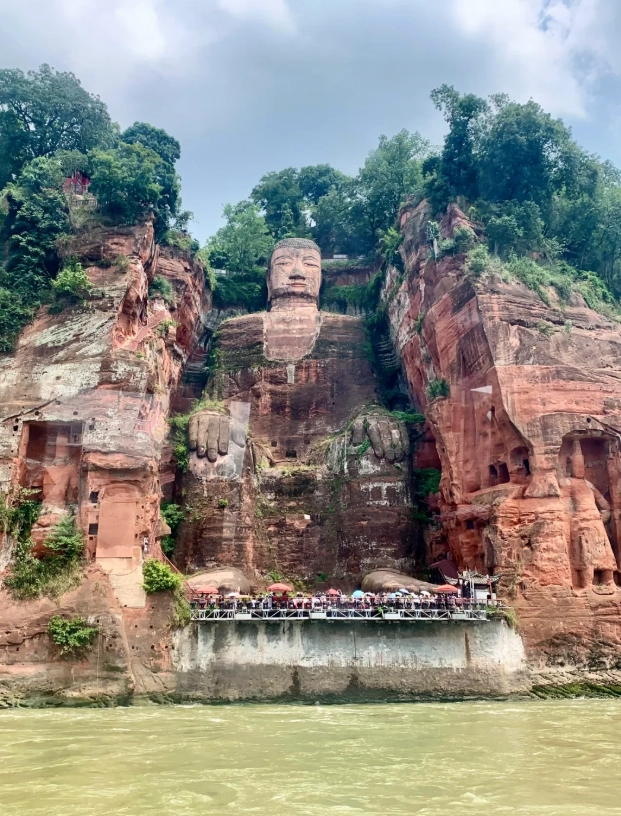
Chengdu Panda Base – Morning Is Everything
The giant panda breeding center is the one Sichuan tourist attraction you absolutely can’t miss, but only in the morning. Pandas are most active between 8am and 10am, right after feeding. By noon, they’re napping in their crates and all you’ll see are fluffy black-and-white balls of boredom.
Practical details: The base is in the northern suburbs of Chengdu, about a 30-minute taxi from the city center (around 30-40 RMB). Entrance fee is ~55 RMB (it may increase slightly; check the official WeChat). Opening hours are 7:30am to 6pm (last entry 4:30pm). The ideal visit is 3-4 hours. Go straight to the Moon Nursery first — that’s where the baby pandas are. Then walk to the Sun Nursery and the adult enclosures.
A heads-up: the park is huge, and the shuttle train from the entrance can have a long queue. I usually walk the first 15 minutes to see the red panda habitat, then catch the shuttle for the upper areas. And bring your passport for booking – many tourists get caught out.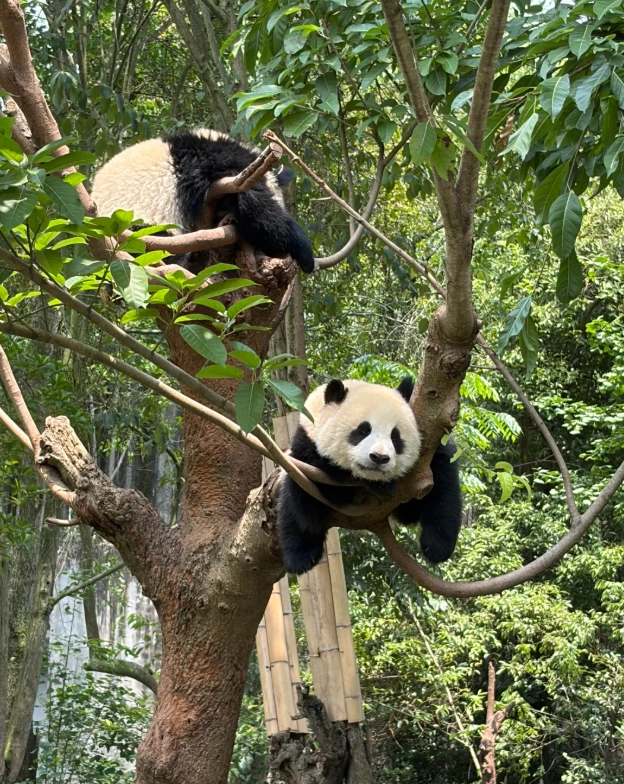
Dujiangyan – A Refreshing Side Trip
Dujiangyan is an ancient irrigation system that still functions today, and it’s barely known to foreign tourists. It’s a 60-minute drive from Chengdu, and the entrance fee is 80 RMB. The architecture of the 'Fish Mouth' water divider and the Flying Sand Weir is genuinely fascinating, and the surrounding park is lush and walkable.
Why I include it: Most first-timers spend all their energy on Chengdu and the big mountains. But Dujiangyan offers a calm, plan B for a day when you’re exhausted. Walk the bridge over the Min River, explore the narrow pathways, and grab some dan dan noodles on the way out. The best time to go is mid-afternoon, after the morning bus tours have left.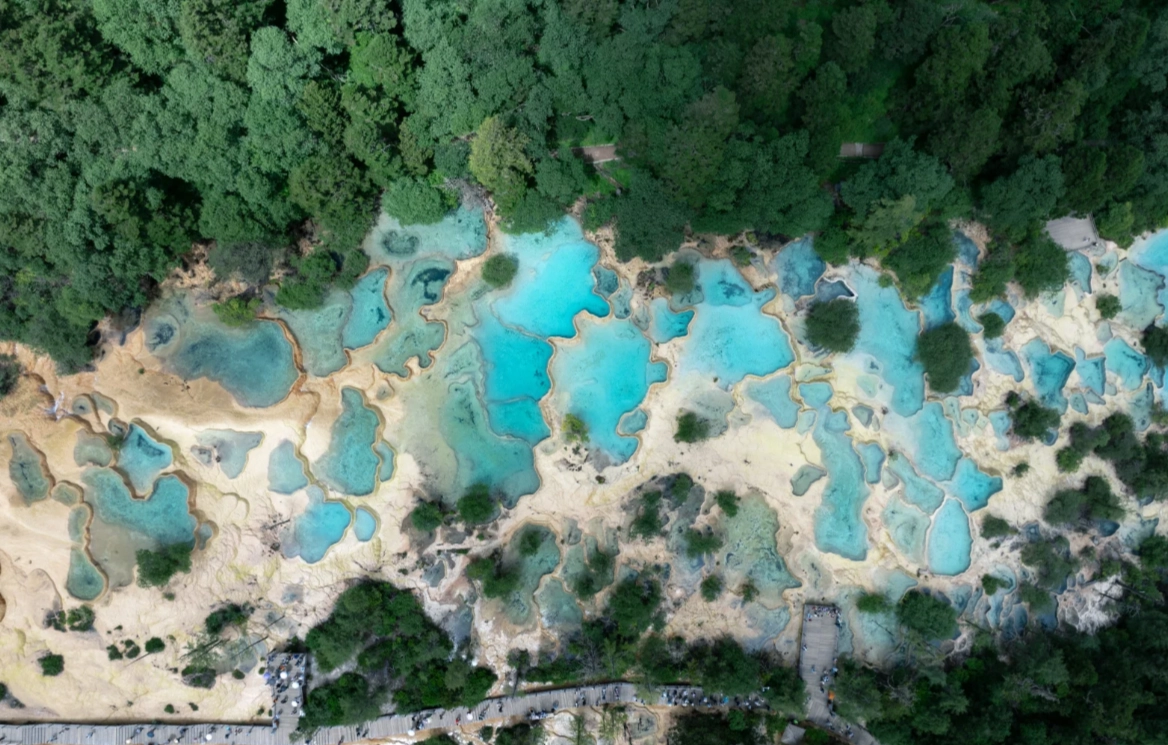
How to Move Between Sichuan Tourist Attractions
The distances between major points are huge, and your transport choice will make or break your trip. Here’s a quick comparison of the main routes.
| Route | Travel Time | Best Option | Cost (RMB) |
|---|---|---|---|
| Chengdu → Jiuzhaigou | Flight: 1 hr; Bus: 8 hrs | Fly if weather allows | Flight ~600-900; Bus ~160 |
| Chengdu → Leshan | Train: 1 hr; Car: 2 hrs | High-speed train | Train ~54; Taxi ~300 |
| Leshan → Mount Emei | Bus: 1 hr; Car: 1 hr | Bus or taxi | Bus ~30; Taxi ~120 |
| Chengdu → Dujiangyan | Train: 30 min | Train | Train ~10 |
For train tickets, use the official 12306 website — it has an English version now. Book at least 3 days ahead during Chinese holidays. For flights, I use Trip.com; it handles the passport requirements smoothly.
One thing many guides don’t mention: the bus from Chengdu to Jiuzhaigou often has no working Wi-Fi and makes non-identical stops. Bring your own phone charger and download music or podcasts before you depart.
A 24-Hour Itinerary Around Chengdu’s Big Two
If you’re connecting through Chengdu and only have 24 hours, here’s the no-nonsense plan. This assumes you arrive the evening before and have one full day.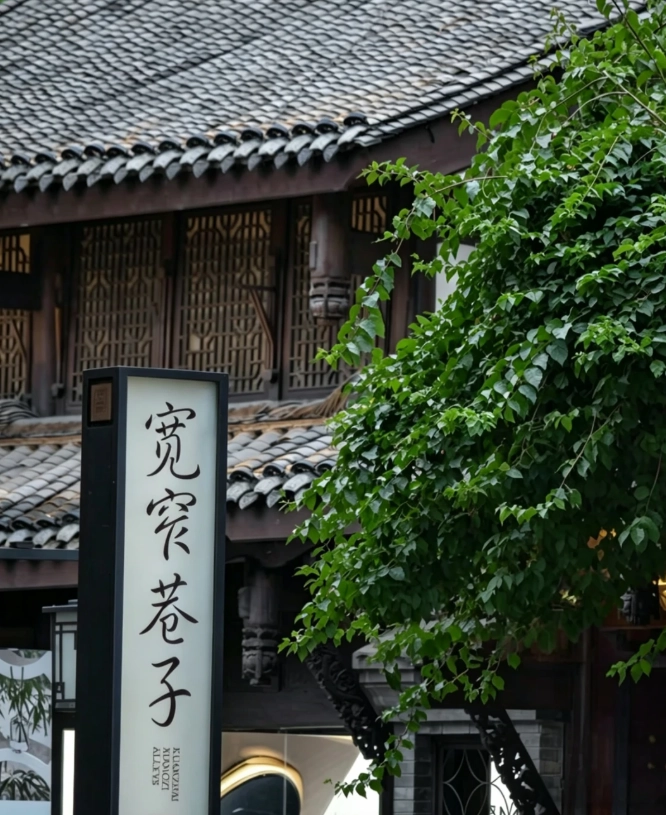
8:00am – Panda Base
Take a taxi from your hotel at 7:15am to reach the panda base by 8:00. Do the Moon Nursery first. Leave by 10:00am.
10:30am – Jinsha Site Museum (backup)
If you have extra energy, Jinsha is a 20-minute drive from the panda base and covers ancient Shu culture. It costs 70 RMB and is less crowded than other museums.
12:30pm – Lunch in the Wuhou District
Try 'Longchao Shou' for spicy hotpot. Expect a wait of about 30 minutes. Use Alipay to pay.
2:00pm – Jinli Ancient Street
Wander Jinli for 90 minutes. It’s touristy but perfect for souvenirs. Try a 'San Da Pao' tea ceremony.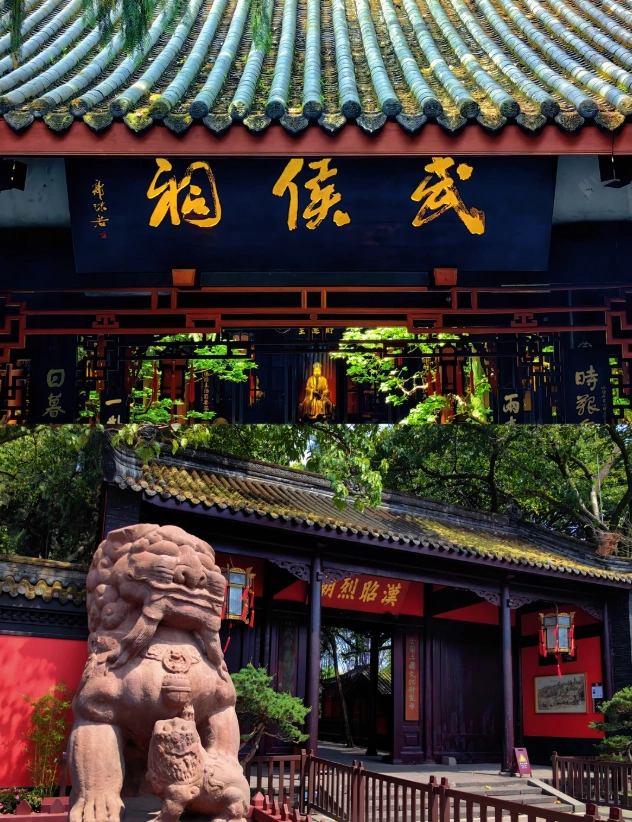
4:30pm – Wuhou Shrine
Visit the nearby Wuhou Shrine for some quiet history. Tickets are 50 RMB.
6:30pm – Sichuan Opera Face-Changing Show
Book a seat at the Shufeng Yayun teahouse. It starts at 8pm and costs about 120 RMB.
If it’s raining or absolutely scorching, swap the open-air spots with the Sichuan Museum (free) or a long coffee at a panda-themed café.
FAQ: Common Sichuan Travel Troubles (Solved)
Verified and fact-checked by the editorial team. This content has been fact-checked to ensure informational precision.






No comments yet.