 Fang Wang
What You'll Learn Here
I'll never forget the first time I tried to flag down a cab in Shanghai. Arm up, waving frantically—and the driver just zoomed past. Turns out, I was standing in the wrong spot. That's the kind of stupid mistake that costs you time and patience. Hailing a cab in China isn't hard once you know the unwritten rules. But if you follow the generic advice online ("just use an app"), you'll still get stuck. Let me save you the frustration.
Why Hailing a Cab in China Is Different
First thing: forget what you know about taxis in the West. In China, cash is almost useless—drivers don't carry change. And waving your hand? It works, but only if you're at a designated taxi stand or a spot where drivers can pull over safely. The real game-changer is payment. Almost every transaction is digital. If you haven't set up Alipay or WeChat Pay with an international card yet, stop reading and do that now. Otherwise you'll be stuck in an awkward standoff with the driver.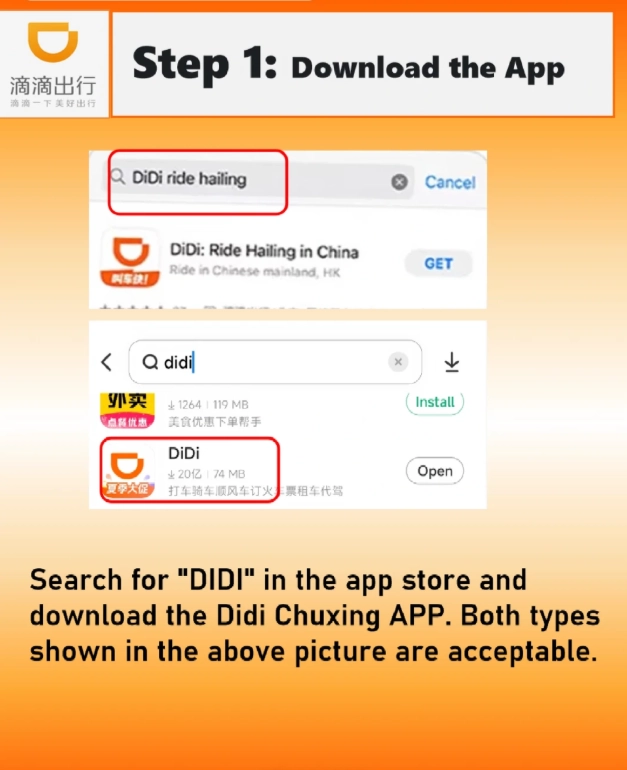
The Digital Payment Wall
Most taxis in China don't accept foreign credit cards. I've seen tourists try to hand over a Visa—driver shakes head, points to a QR code. You need a Chinese payment method. But here's the good news: you can link your foreign card to Alipay or WeChat Pay. It takes 10 minutes. Do it before you land. I always tell my clients: set up Alipay and bind your card. It's the single most important step. Without it, you're basically hitchhiking.
How to Use Ride-Hailing Apps (The Real Way)
Every local knows that street hailing is for amateurs. The pro move is using Didi Chuxing (China's Uber). The app is in Chinese, but there's an English version. Download it, register with your foreign number, and link Alipay as payment. Don't bother with the mini-program in WeChat—it's all in Chinese. The standalone Didi app has an English toggle.
Setting Up Didi (or Alipay's Ride-Hailing)
Install Didi, create an account. You'll get a SMS verification code—make sure your phone works in China (get a local SIM or eSIM). Once logged in, set your pickup location by dropping a pin (Google Maps won't work, but Apple Maps or Amap will show the right coordinates). Type your destination in English—it'll translate automatically. Hit confirm, and a driver accepts. Pro tip: always check the license plate number before getting in. I once got into the wrong car because I was distracted. Don't be me.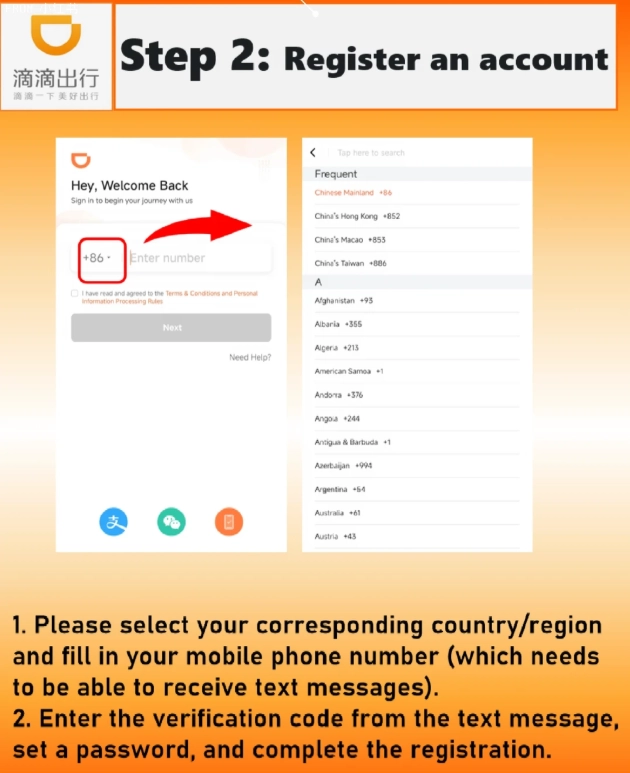
Hailing a Cab in Person (And Not Getting Ignored)
If you're without a smartphone or battery dies, street hailing is still possible. Look for a taxi with a green light on the dashboard (means empty). Stand at a spot where the driver can safely stop—not in the middle of the road. Stick out your arm, palm down, waving slightly. Don't jump. If the driver stops, get in quickly. Say the address in Chinese or show it on your phone. I always carry a card with my hotel's address in Chinese—saves so much hassle.
How to Pay for a Taxi (Without Cash or Credit Cards)
Here's the deal: after the ride, the driver will show you a QR code on a sticker or screen. Open Alipay or WeChat Pay, scan it, enter the amount (or it's pre-filled), and confirm. Done. Never hand over cash unless you have exact change. Drivers rarely have change for large bills. If you must use cash, carry small denominations (20 RMB or less). But honestly, just use the app. It's faster for both of you.
I always double-check the meter. In most cities, the meter starts at around 10-14 RMB. If the driver says a flat price without turning on the meter, you're being scammed. Politely insist on the meter or get out.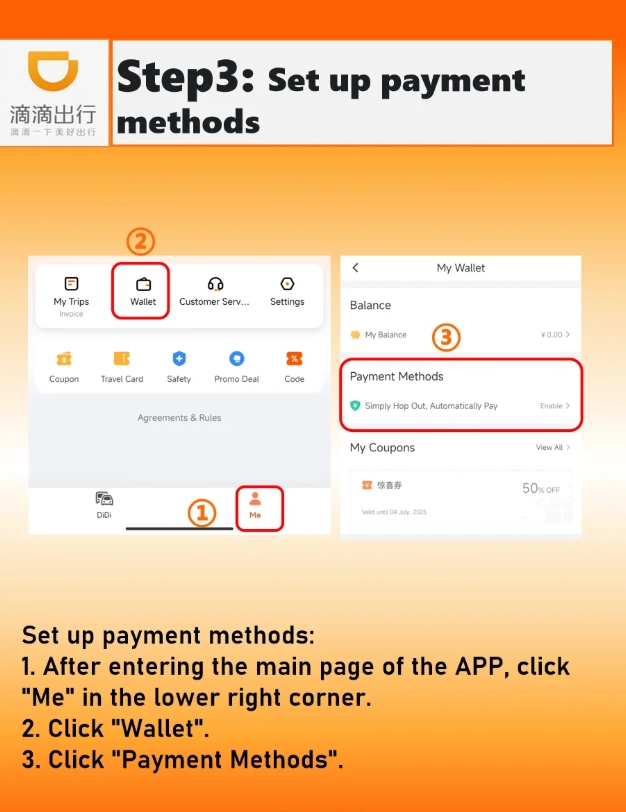
Common Taxi Scams and How to Avoid Them
Look, I love China, but taxi scams exist. Here are the ones I've encountered and how to dodge them:
- The "meter broken" trick. Driver says meter is broken and demands a high fixed price. Refuse. Most meters work fine. If he insists, get out and flag another cab.
- Overcharging at airports/train stations. Some drivers target tourists with luggage. Always use the official taxi queue—don't accept offers from touts inside the terminal. The official queue gives you a metered ride.
- Fake QR code scam. A driver might show a personal QR code that isn't linked to the taxi company. Scan only the official payment QR displayed on the screen (usually by the meter). If in doubt, ask for the printed sticker.
If you feel unsafe, take a picture of the driver's license displayed on the dashboard. This usually scares off scammers.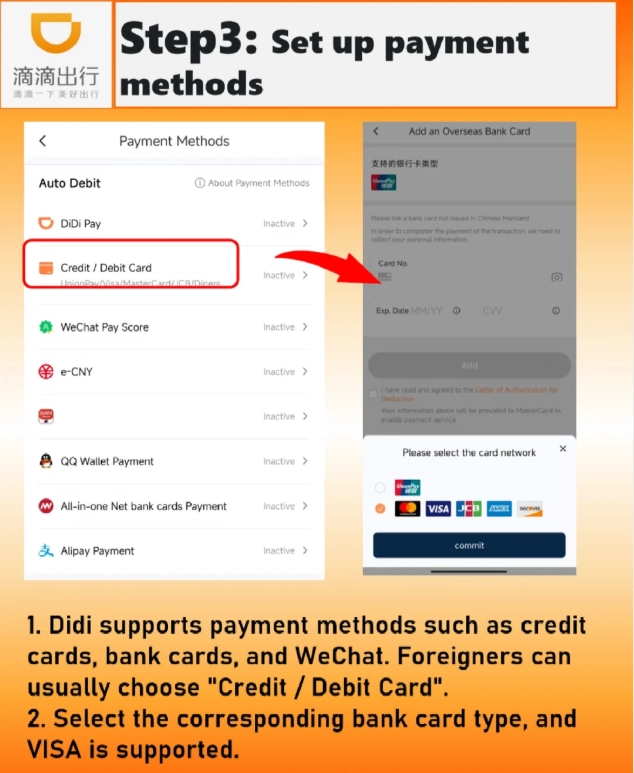
What About Google Maps?
Google Maps is blocked in China. It loads slowly and shows incorrect locations. Do not rely on it for navigation. Use Apple Maps (which works decently for English speakers) or download Amap (高德地图) and use its English interface. When hailing a cab, show the driver the Chinese address from Amap—they'll know exactly where to go. I keep both Amap and Didi on my phone. They integrate well.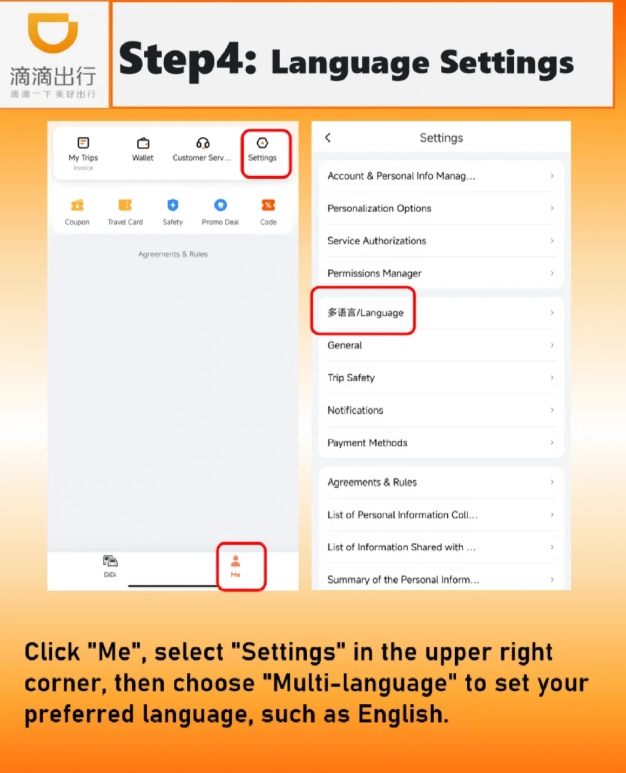
FAQ: Your Top Questions Answered
Verified and fact-checked by the editorial team.








No comments yet.