 Hong Ma
You’ve packed your bags. Ready for China. But wait — have you checked what’s not allowed? I’ve seen too many travelers cry at customs over a bag of nuts. Let’s fix that.
I’ve guided dozens of groups through Beijing, Shanghai, and Guangzhou customs. The rules are not always obvious. One tourist had her expensive drone confiscated because she didn’t declare it. Another lost a suitcase full of dried meat — thought it was fine. Here’s the truth: Chinese customs is strict, but if you know the china customs restricted items list, you’ll walk through smoothly.
Bottom line: Most personal travel items are fine. But five categories will get you into trouble: weapons, certain medicines, plants, excessive cash, and electronics that look “dangerous.” I’ll walk you through each, plus the exact steps to declare.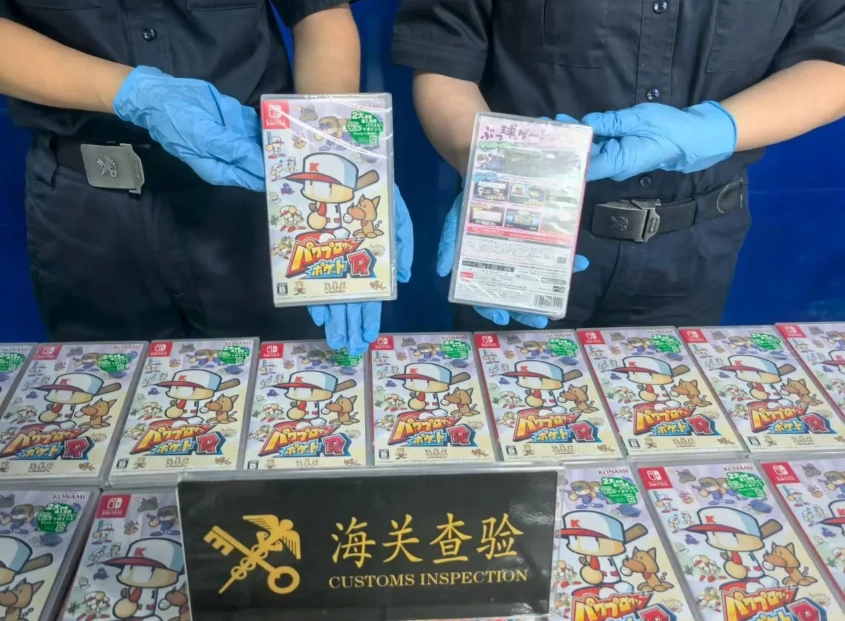
What Are China Customs Restricted Items?
Restricted items are goods that you can bring into China but only under specific conditions — like a permit or a limited quantity. Prohibited items are outright banned. The Chinese General Administration of Customs (GAC) classifies them into categories. I’ll break down the ones that trip up foreign tourists most.
Prohibited Items You Must Never Pack
These are no-go. If found, confiscation and possible fines. I’ve seen it happen.
Weapons and Explosives
Guns, knives (switchblades, throwing stars), pepper spray, even realistic toy guns. A client once thought a souvenir samurai sword was okay in checked luggage — it was not. Customs held it until his departure.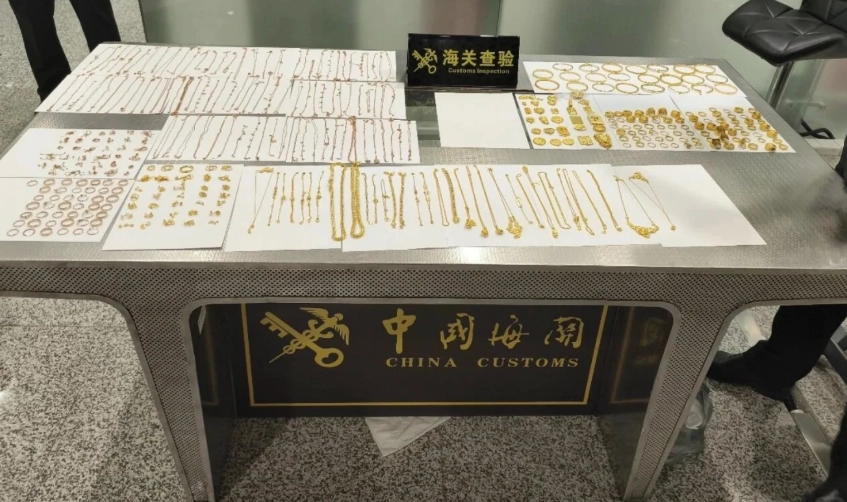
Illegal Drugs and Drug Paraphernalia
Obvious, but also CBD oil, poppy seeds, and some Chinese herbal medicines containing narcotics. I tell everyone: if it’s a “supplement” you bought online, check the ingredients. One guest had gummies with hemp extract — she spent two hours in an interrogation room.
Contaminated Food, Meat, and Dairy
Banned: fresh fruit, vegetables, meat, eggs, milk products. You can bring sealed, commercially packaged snacks (like cookies or chocolate) in reasonable amounts. Dried meat? No. Even jerky from the US? I’ve seen it taken away.
Endangered Species Products
Ivory, rhino horn, tortoiseshell, certain traditional Chinese medicines containing tiger bone or bear bile. If you buy antiques, make sure they come with an export permit. Otherwise, they’re seized.
Restricted Items That Need Permits
These items are allowed but with paperwork. If you don’t have the right documents, they’re treated as prohibited.
| Item | Condition | Document Needed |
|---|---|---|
| Medications (prescription) | For personal use only; bring doctor’s note | Prescription + letter (English + Chinese translation) |
| Drones | Must declare; some models require registration | Customs declaration form; may need flight permit for use |
| Cash (RMB or foreign currency > 5,000 USD equivalent) | Must declare to avoid money laundering suspicion | Customs declaration form |
| Radio transmitters / walkie-talkies | Require approval from China’s radio regulator | Import license |
| Plants, seeds, soil | Need quarantine certificate | Phytosanitary certificate from origin |
| Pet animals (cats and dogs) | Limited to one per person; must have rabies vaccination >30 days old | Vaccination record, health certificate, quarantine approval |
Pro tip: For medication, keep it in original bottles with labels. I once helped a traveler who had a 3-month supply of blood pressure pills. The customs officer was suspicious until we showed the doctor’s note. Always get it translated into Chinese — even a short note from your hotel concierge can save you.
How to Declare at Chinese Customs (Don’t Wing It)
You land in Beijing, Shanghai, Guangzhou, or any international airport. Before baggage claim, there’s a customs declaration area. You’ll see two channels: Green Channel (nothing to declare) and Red Channel (items to declare). If you have any restricted item — even if you’re not sure — go to Red Channel.
Step-by-Step
- Fill out the Customs Declaration Form — you’ll get it on the plane or at the airport. It’s bilingual (English and Chinese). List your restricted items. Don’t lie; they can scan your bags.
- Present your passport and form to the officer
- Show the items if asked. For medication, have the doctor’s note ready
- Pay any duties — some restricted items like alcohol or tobacco over the duty-free limit incur tax. For example, 1.5L of spirits is duty-free; beyond that, 50% tax.
Payment: Customs duties are usually paid by WeChat Pay, Alipay, or China UnionPay. They rarely accept foreign credit cards. So before leaving baggage claim, ensure your Alipay is linked to your international card. Or carry enough RMB cash to pay duties (yes, cash is accepted in the customs office).
Navigation tip: Google Maps is blocked. Use Apple Maps or Baidu Maps (turn on English mode). The customs halls are well signposted in English, but if you’re lost, ask any airport staff — they all have basic English at major airports.
Common Mistakes Foreign Travelers Make
I’ve seen these over and over. Avoid them.
1. Bringing Too Much of “Personal Use” Items
Customs decides what “personal use” means. If you have 10 new iPhones in your bags, they’ll assume commercial. Same with 50 bottles of vitamins. Stick to reasonable quantities: 2-3 electronic devices, one month supply of vitamins.
2. Thinking “Checked Luggage Is Safe”
All bags go through X-ray. Items are screened before you pick them up. If something is flagged, you’ll be called to a secondary inspection. I had a tourist who packed a Swiss army knife in checked luggage — still taken.
3. Forgetting to Declare Cash
If you carry more than 20,000 RMB or 5,000 USD (or equivalent in other currencies), declare on the form. Failure can result in confiscation and a fine of up to 20% of the excess.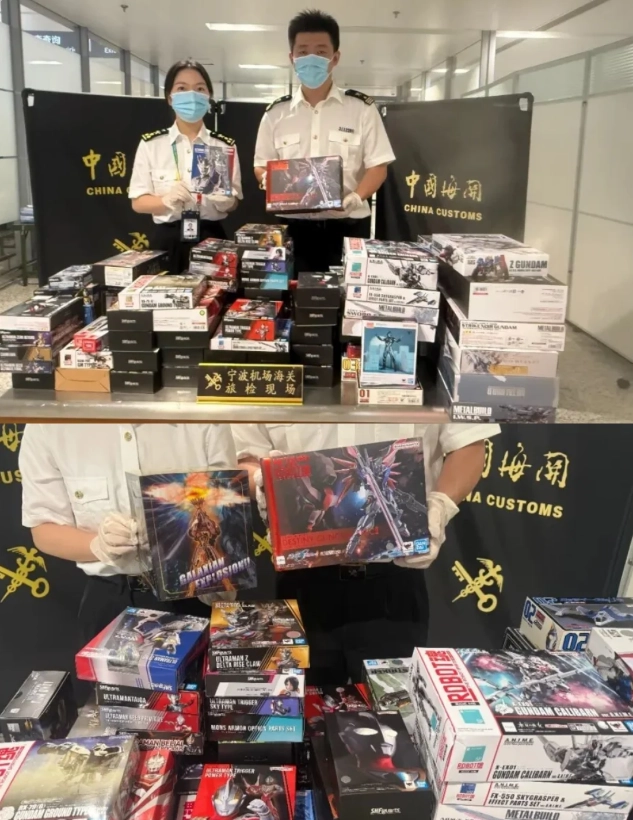
4. Not Having a VPN
You need a VPN before you arrive. Many travelers realize after landing that Google, WhatsApp, Instagram are blocked. Download a reliable VPN (I use ExpressVPN or Astrill) on your phone before departure. Set it up while still abroad.
5. Ignoring the “Prohibited Traditional Medicine” Rule
Some Chinese medicines you buy locally contain endangered species (like bear bile pills). Even if you bought them legally inside China, taking them out needs a permit. Better to avoid buying such items unless you have an export license.







No comments yet.