 Hua Sun
My Pocket Route Notes — Tap To Jump
- Why the Famous Loop Is Only Half the Story
- What Are the Heilongjiang Hidden Gems Most Tourists Never Reach?
- How to Get Around Heilongjiang Without Losing a Day to Transfers
- The 7-Day Route I Actually Book for Clients
- Where to Sleep in Heilongjiang's Small Towns
- What to Eat in Heilongjiang's Hidden Towns
- 24 Hours in Heilongjiang With No Harbin Stop
- Payment, Navigation and Booking: The Boring Stuff That Sinks Trips
- Questions I Get Asked Before Every Heilongjiang Trip
Minus thirty-two. My eyelashes froze shut while I stood at a bus stop in the middle of nowhere. That was Wudalianchi — a volcanic field in northern Heilongjiang with five crater lakes, black lava underfoot and exactly four other visitors that day. Two hours before that I had watched a tour group pile off a Harbin coach, photograph the ice sculptures, and pile straight back on.
If you booked Heilongjiang around the Ice Festival and nothing else, you are doing the expensive version of a cheap trip. Heilongjiang is larger than Germany. The famous Harbin–Yabuli corridor covers maybe five percent of it, and the January crowds there are genuinely rough — I once stood in a taxi queue outside Harbin West Railway Station for fifty minutes at -25°C, and I refuse to put clients through it again.
So here is the conclusion up front. The two bases that unlock almost every Heilongjiang hidden gem are Mudanjiang in the southeast and Qiqihar in the west. Both sit under two hours from Harbin by high-speed rail. Both have chain hotels whose front desks manage basic English. Both put you within a morning's drive of scenery that never shows up in a packaged itinerary. Everything below is what I hand clients before they fly.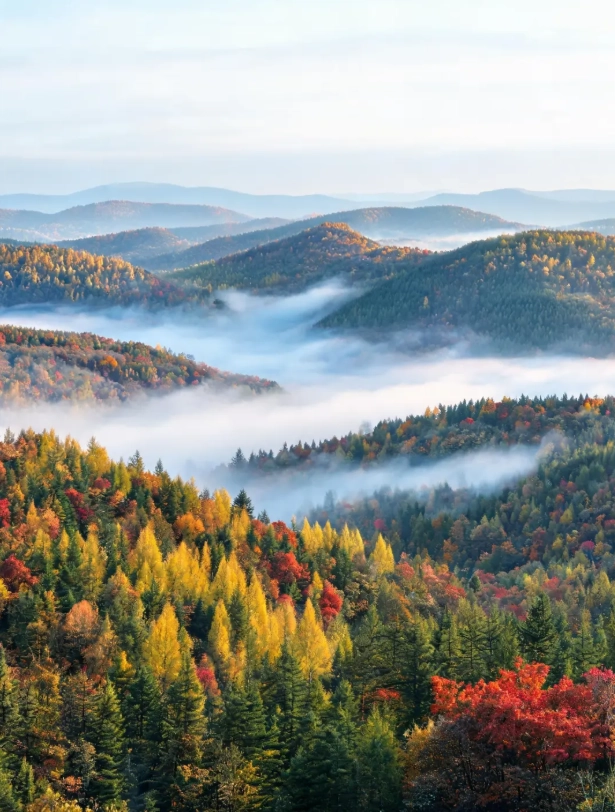
Why the Famous Loop Is Only Half the Story
Harbin in January is a great show and a mediocre trip. City-centre hotel rates roughly double during the Ice Festival window, the queues at the famous guobaorou restaurants stretch past forty minutes, and every taxi in the city seems to be heading the same direction at the same time.
Once you leave that corridor, the province changes fast. Volcanic fields in the north. A lava-dammed lake and a crater forest in the southeast. Cranes on a reed marsh outside Qiqihar. Forestry towns where the birch turns gold in the last week of September and nobody is selling tickets to see it.
Here is the part most itineraries get wrong. Winter is not automatically the best season for the hidden gems. January gives you frozen waterfalls and mineral springs steaming at -30°C, which is spectacular. But late September through mid-October gives you the same places with no tour buses, better light, and daylight until nearly six in the evening instead of four.
Pro Tip: In December and January, sunset in Heilongjiang lands between 15:45 and 16:15. Rural roads outside the cities have no lighting, and drivers will not take you on a two-hour run in the dark for any amount of money. Build your day so you are back at your hotel by 16:30, not still on a mountain.
One more thing worth knowing: Heilongjiang still has no UNESCO World Heritage listing to its name. Scan the UNESCO World Heritage Centre entries for China and you will see the gap. That is exactly why these places feel unpolished and uncrowded — and why you should see them before the next round of nominations changes that.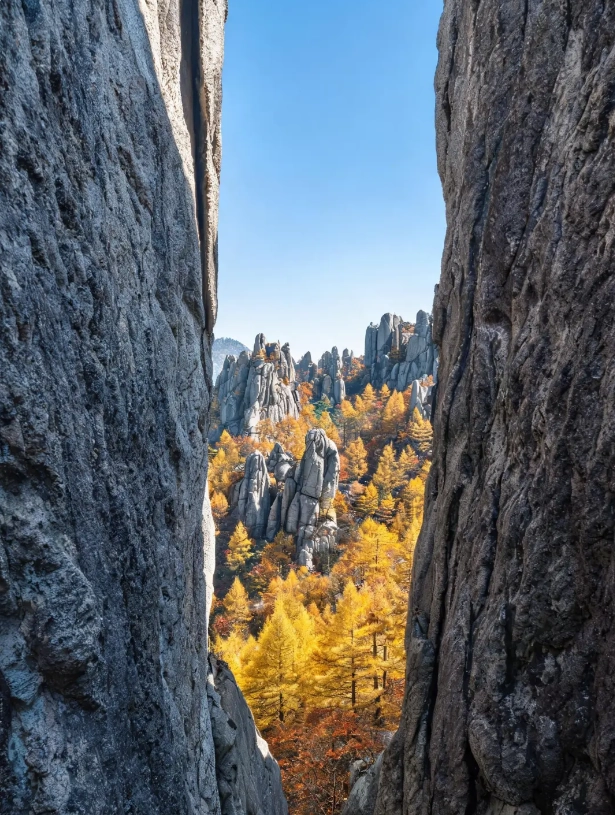
What Are the Heilongjiang Hidden Gems Most Tourists Never Reach?
Five places come up over and over when I plan routes for travelers who have already done Harbin. None of them need a special permit. All of them need a bit of planning.
Wudalianchi: Five Volcanic Lakes and Nobody Around
Wudalianchi is the single best "I cannot believe this is not famous" stop in the province — a lava flow roughly three centuries old that dammed a river into five connected lakes.
The crater walk up Laoheishan takes about ninety minutes return and the surface underfoot is genuinely brutal: sharp, loose, black volcanic rock that eats soft sneakers. Bring shoes with a real tread. At the base, the Wenbo section stays partly liquid even in deep winter, and the mineral springs taste faintly of iron. Locals drink it. I managed two sips.
Zones are ticketed separately or as a combo depending on the season. Budget somewhere in the CNY 100–150 range for a two-zone day and confirm the current bundle at the gate or on Trip.com before you commit.
Getting there is the real work. The train from Harbin to Bei'an runs around four hours, then it is roughly an hour by taxi or shuttle to the scenic zone. Schedules shift with the season, so check the official China Railway 12306 site rather than trusting a screenshot from a blog.
Insider Advice: Every photo you have seen of the crater rim was shot in late afternoon. At midday the black rock goes flat and grey and the light is unforgiving. Aim to be at the top between 15:00 and 16:00 in autumn, or 14:00 and 15:00 in winter.
Jingpo Lake and the Underground Forest
Jingpo Lake is China's largest lava-dammed lake, and the Underground Forest beside it is a crater floor you descend into by wooden staircase — two completely different landscapes in a single day.
The high-speed rail from Harbin to Mudanjiang takes about one hour forty minutes. From Mudanjiang, the lake is another ninety minutes to two hours by car. The Diaoshuilou waterfall has a cliff-diving performance in summer and freezes into a blue-white wall in winter. The Underground Forest is roughly three kilometres of stairs and boardwalk, takes about two hours at a relaxed pace, and runs five to eight degrees colder than the lakeside. Pack a layer even in September.
Here is where I disagree with nearly every guide online: do not arrive at Jingpo Lake around 10:00. The lake faces east, and by late morning the water turns into flat grey glare that no camera handles well. Be at the dock by 07:30 or 08:00, and you get mist, mirror water, and a shuttle boat with empty seats.
Yichun and the Tangwanghe Stone Forest
Yichun is a forestry town that foreign travelers skip entirely, which is precisely why the boardwalks through Wuying and Tangwanghe feel like private property.
This is the stop where autumn colours peak in the final week of September and blueberries ripen in August. The granite pillars at Tangwanghe are the headline, but the quiet forest boardwalks at Wuying are what clients remember.
Access is the catch. Overnight trains from Harbin take around eight hours; flights take about an hour but run a thin schedule. Buses between the parks are sparse and stop early, so hiring a driver for a full day is the practical choice. Agree the price and the route the night before — most drivers will wait at each trailhead without charging extra waiting time.
Zhalong Wetland: Cranes Outside Qiqihar
Zhalong Nature Reserve is the reason to put Qiqihar on your map — a reed marsh where red-crowned cranes are released twice daily.
High-speed rail gets you from Harbin to Qiqihar in about one hour forty minutes, then it is roughly forty minutes by car to the reserve. There are two scheduled release sessions, one mid-morning and one mid-afternoon, and the exact times move with the season. Ask at the gate when you buy your ticket instead of trusting an old forum post. Tickets generally fall in the CNY 50–65 band.
Bring binoculars. And in July and August, bring serious mosquito repellent — the marsh is beautiful and the insects know it.
Heihe and Suifenhe: Border Towns With Russian Bones
Both are ordinary Chinese cities, no special permit required, but the architecture, the dark bread and the bilingual shop signs will make you check your map twice.
Heihe sits across the Amur from Blagoveshchensk. Suifenhe carries a Russian-era railway heritage that still shapes its street grid. Carry your passport at all times — riverside zones have restricted sections, and you do not want to be the traveler who left it in the hotel safe.
How to Get Around Heilongjiang Without Losing a Day to Transfers
Distances look small on a map and feel enormous on the ground. This is the comparison I use when clients ask whether to rent a car, which I generally advise against in winter.
| Route | Best Option | Travel Time | Cost Band, CNY | Local Note |
|---|---|---|---|---|
| Harbin to Mudanjiang | High-speed rail | About 1h 40m | 120–180 | Passport scan at the gate, no paper ticket needed |
| Mudanjiang to Jingpo Lake | Hired car or shuttle bus | 1.5–2h | 60–200 | Shuttles leave from the north bus station; last return is early afternoon |
| Harbin to Bei'an, for Wudalianchi | Day train, then taxi | About 4h plus 1h | 60–120 plus 150–250 | Agree the taxi fare before leaving the station |
| Harbin to Qiqihar | High-speed rail | About 1h 40m | 100–160 | Then 40 minutes by car to Zhalong |
| Harbin to Yichun | Overnight train or flight | 8h or 1h | 150–400 | Park-to-park transport needs a hired driver |
| Harbin to Heihe | Overnight train | About 10h | 150–300 | Carry your passport; border zones are patrolled |
Prices above are bands, not quotes. Second-class seats are the cheapest and perfectly comfortable; first class buys you maybe fifteen extra centimetres of legroom, which on a ninety-minute run is not worth the money.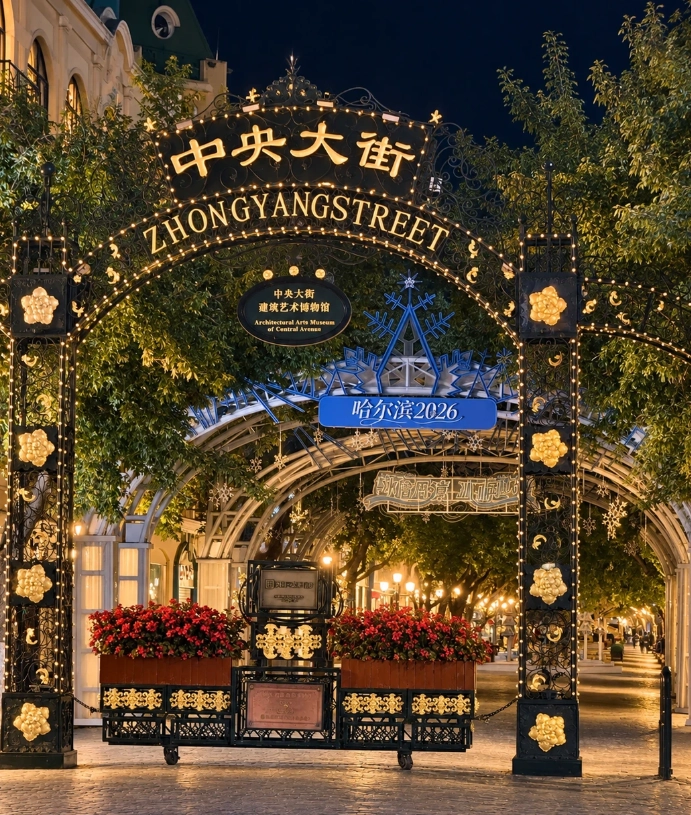
Pro Tip: Save your destination in Chinese characters on your phone before you leave the hotel. DiDi drivers call you the moment they accept the order, and if you cannot say the address out loud, you will lose five minutes per ride. Hand the phone through the window instead.
The 7-Day Route I Actually Book for Clients
This skips Harbin's headline sights almost entirely. If you want the Ice Festival too, add two days at the front and accept that your hotel will cost double.
- Day 1 — Land in Harbin, clear the airport, take the evening high-speed train to Mudanjiang. Sleep near the railway station so the morning is painless.
- Day 2 — Jingpo Lake. Leave the hotel at 07:00, reach the dock before 09:00, do the waterfall and the lakeside walk, eat fish stew in a village restaurant, return by 17:00.
- Day 3 — Underground Forest in the morning, Mudanjiang city centre in the afternoon, then the 18:00 train back to Harbin.
- Day 4 — Harbin morning on Central Street, afternoon train to Qiqihar. Two nights there.
- Day 5 — Zhalong at the morning crane release, then a slow afternoon. Qiqihar barbecue for dinner.
- Day 6 — Train or hired car toward Bei'an, then on to Wudalianchi. Crater walk in the afternoon light.
- Day 7 — Wenbo mineral springs in the morning, back toward Harbin by evening.
Do not compress this. I have watched people try to fit Jingpo Lake and the Underground Forest into a single half-day and end up jogging through both with no memory of either.
Bad-weather Plan B: Heavy snow closes rural roads in Heilongjiang with little warning. If your driver calls and says the road is shut, do not argue. Swap in the Heilongjiang Provincial Museum in Harbin or the Mudanjiang museum complex, and hold a spare day in your itinerary if you possibly can. Two buffer days turn a stressful trip into a relaxed one.
Where to Sleep in Heilongjiang's Small Towns
You will not find international brands outside Harbin, and honestly you do not need them. Chinese chain hotels are clean, cheap and predictable.
| Option | Area | Price Band, CNY per Night | Best For |
|---|---|---|---|
| Atour Hotel or JI Hotel | Mudanjiang city centre | 300–550 | Couples and solo travelers who want stable Wi-Fi and a front desk with basic English |
| Hanting or Home Inn | Qiqihar, near the railway station | 150–280 | Backpackers catching early trains; rooms are small and functional |
| Forest-view guesthouses | Yichun and Wuying | 200–450 | Families and photographers who want to walk out the door into the trees |
| Hot-spring resort hotels | Wudalianchi | 400–800 | Anyone who wants a mineral soak after the lava walk |
| Minsu homestays | Jingpo Lake village | 180–400 | Groups; ask about luggage storage before you book, not after |
Three things I always check for clients: whether the room has a window that actually opens, whether the hotel has a lift, and whether they will store bags after checkout. In older Mudanjiang buildings, the answer to the lift question is sometimes no, and hauling a suitcase up four flights at -20°C is a bad way to start a holiday.
Soundproofing in budget chains is thin. If you are a light sleeper, ask for a room away from the lift shaft and the main road. Front desk English ranges from decent to nonexistent, so keep your booking confirmation in Chinese characters on your phone.
What to Eat in Heilongjiang's Hidden Towns
Heilongjiang food is heavy, sour, fermented and built for cold weather — and the best versions of it are nowhere near Harbin's tourist streets.
Guobaorou, the sweet-and-sour pork dish that every visitor orders, originated in Harbin but the Mudanjiang versions are less sugary and more vinegar-forward. In Mudanjiang you should also eat Korean-Chinese cold noodles: an ice-cold broth with mustard and vinegar, served with a boiled egg and sliced pear. It sounds wrong in winter. It is perfect.
Qiqihar does barbecue better than almost anywhere in China — thin-sliced beef, cumin, charcoal, eaten with a sesame dip. Expect roughly CNY 60–90 per person with beer. Around Wudalianchi, order the mineral-water fish stew, cooked in water straight from the springs. In Yichun, look for wild mushroom hotpot in autumn and blueberry jam sold in jars at roadside stalls.
Insider Advice: In small-town restaurants, the menu is usually a wall of Chinese text with no photos. Open your translation app, switch to camera mode, and photograph the wall. Ordering by pointing at the screen works fine and nobody minds.
24 Hours in Heilongjiang With No Harbin Stop
Suppose your flight lands in Harbin and you have exactly one free day before a business meeting. Here is how I would spend it.
- 07:00 — High-speed rail from Harbin to Mudanjiang, arriving around 08:45.
- 09:00 — Drop your bag at a hotel near the station. Most will hold it even if you are not staying the night, but ask politely.
- 09:30 — Hired car to Jingpo Lake, about ninety minutes.
- 11:00 — Waterfall, lakeside boardwalk, shuttle boat if the ice allows.
- 13:00 — Fish stew lunch in a lake village, roughly CNY 60–90 per person.
- 14:30 — Underground Forest. Two hours at a walk, longer if you photograph everything.
- 17:00 — Drive back to Mudanjiang.
- 19:00 — Cold noodles and grilled skewers downtown.
- 20:30 — Riverside park walk, then the late train back to Harbin.
It is a long day. It is also the most scenery you will see in Heilongjiang in twenty-four hours without booking a single tour.
Payment, Navigation and Booking: The Boring Stuff That Sinks Trips
Payment in Small Towns
Assume card terminals do not exist outside Harbin's big hotels, and set up Alipay or WeChat Pay with your international card before you fly.
Mobile payment works in almost every shop, including tiny noodle joints, but small vendors will not accept a physical foreign credit card. Carry around CNY 500 in cash as a backup — ticket offices at remote scenic areas sometimes have a card reader that mysteriously stops working. Cash is always accepted, and nobody will look at you strangely for using it.
Navigation: Why Google Maps Will Get You Lost
Google Maps is unreliable in mainland China and will regularly place you on the wrong side of a river. Use Apple Maps if you have an iPhone, or download Amap Global, which has an English interface and accurate rural road data. Addresses are best shown in Chinese characters to drivers.
Tickets, Passports and Booking Channels
Most scenic areas in Heilongjiang require advance registration with your passport number. If the WeChat mini-program defeats you — and it defeats plenty of people, including me on a bad day — ask your hotel receptionist to complete the booking, or use Trip.com, which accepts foreign cards and issues confirmations in English.
Visa and entry rules change more often than most travel blogs admit. The National Immigration Administration publishes the current policy, including visa-free transit windows, and that is the version worth trusting over a forum thread.
Finally, install a VPN before you land and download an offline translation pack. Neither is optional if you plan to move outside Harbin.
Questions I Get Asked Before Every Heilongjiang Trip
Is it worth skipping Harbin's Ice Festival for the smaller towns?
Skip it only if you have already seen large-scale ice art somewhere else, or if you genuinely hate crowds. The festival itself is impressive. What makes people regret it is the cost and the logistics — double-priced hotels, packed restaurants, and taxi queues in extreme cold. My usual compromise is two nights in Harbin midweek, then straight out to Mudanjiang or Qiqihar. You get the spectacle without building your whole trip around it.
Can I use an international credit card in Wudalianchi or Yichun?
Practically no. Set up Alipay or WeChat Pay with your foreign card before departure, because those two apps cover roughly ninety-five percent of your spending. The remaining gap is cash: small guesthouses, roadside stalls and some scenic-area ticket windows. Withdraw a few hundred yuan in Harbin and top up as needed. Do not count on finding an ATM in a forestry town.
How do I book Jingpo Lake or Zhalong tickets without a Chinese phone number?
Two reliable routes. Trip.com handles most major Heilongjiang attractions with foreign cards and English confirmations. The other option is your hotel front desk — walk down with your passport and let them book it. Both require your passport number at the time of booking, and you will show the same passport at the gate. Screenshots of a booking made under someone else's name will not get you in.
Is winter travel to Heilongjiang's hidden gems safe for a solo traveler?
Personal safety is not the issue — violent crime against tourists here is rare and the towns are calm. The real risks are environmental and logistical. Phone batteries die within twenty minutes outdoors, rural roads close without warning, and daylight ends before four in the afternoon. Carry a power bank inside your jacket, keep a printed hotel card in Chinese, and tell your hotel where you are going each morning. That covers almost every scenario that actually happens.
Do I need a special permit for border towns like Heihe or Suifenhe?
No separate permit is needed for foreign visitors in ordinary Chinese border towns. Carry your passport at all times, because some riverside zones have restricted sections and patrols do check. If you plan to cross into Russia, that is an entirely different process and needs a visa arranged well in advance. Check the National Immigration Administration site for current entry rules rather than relying on outdated blog posts.
Verified and fact-checked by the editorial team. This content has been fact-checked to ensure informational precision.





No comments yet.