 Yan Zhou
Fast Track to Jiangsu
- Top 1: Sun Yat-sen Mausoleum
- Top 2: Humble Administrator's Garden
- Top 3: Is the Night Cruise on the Qinhuai River Worth the Tourist Trap?
- Top 4: Slender West Lake
- Top 5: Tongli Water Town
- Top 6: Nanjing City Wall Cycling
- Top 7: Is Turtle Head Isle Worth the Crowds?
- Top 8: Pingjiang Road
- Top 9: Dongguan Street Food Tour
- Top 10: Nanjing Museum
- FAQ: Your Jiangsu Questions Answered
You've booked the flight to Shanghai, and Jiangsu is just next door. But here's the thing: most travelers cram Jiangsu into two rushed days, then leave exhausted and confused.
I've been guiding visitors through this province for years, and the top things to do in Jiangsu are not just about ticking off attractions — it's about knowing exactly where to stand at sunset, which door to enter through to skip the crowd, and why your credit card won't work at the street-food stall.
Here's my honest take: Jiangsu is best explored as a string of 2-3 day stops between Suzhou and Nanjing. This guide lists the 10 absolute must-dos, ranked in an order that respects your time and energy.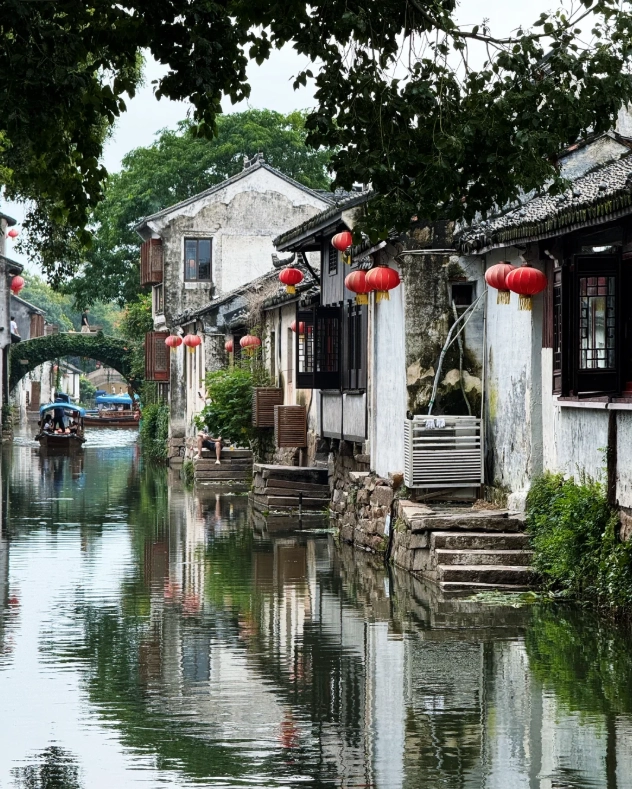
Top 1: Sun Yat-sen Mausoleum — a Classic but Often Misjudged
I always bring clients here first because the sheer scale of the 392 steps helps reset their understanding of "a big sight" in China.
The trick is to go at opening time (8:30) or later than 15:30 when the tour buses have left. Midday sun turns the white marble staircase into a glare-marble oven. Also, the mausoleum is free to visit, but you must book a ticket in advance with your passport. Most foreigners struggle with the WeChat booking mini-program written entirely in Chinese — don't panic. Ask your hotel's receptionist to help you reserve, or simply use a third-party platform like Trip.com. It's the same QR code at the entrance.
Get there via Metro Line 2 to Xiamafang Station, Exit 2. Follow the stream of people for about 700 meters, or take the scenic shuttle (about 20 RMB) if you're not up for the uphill walk.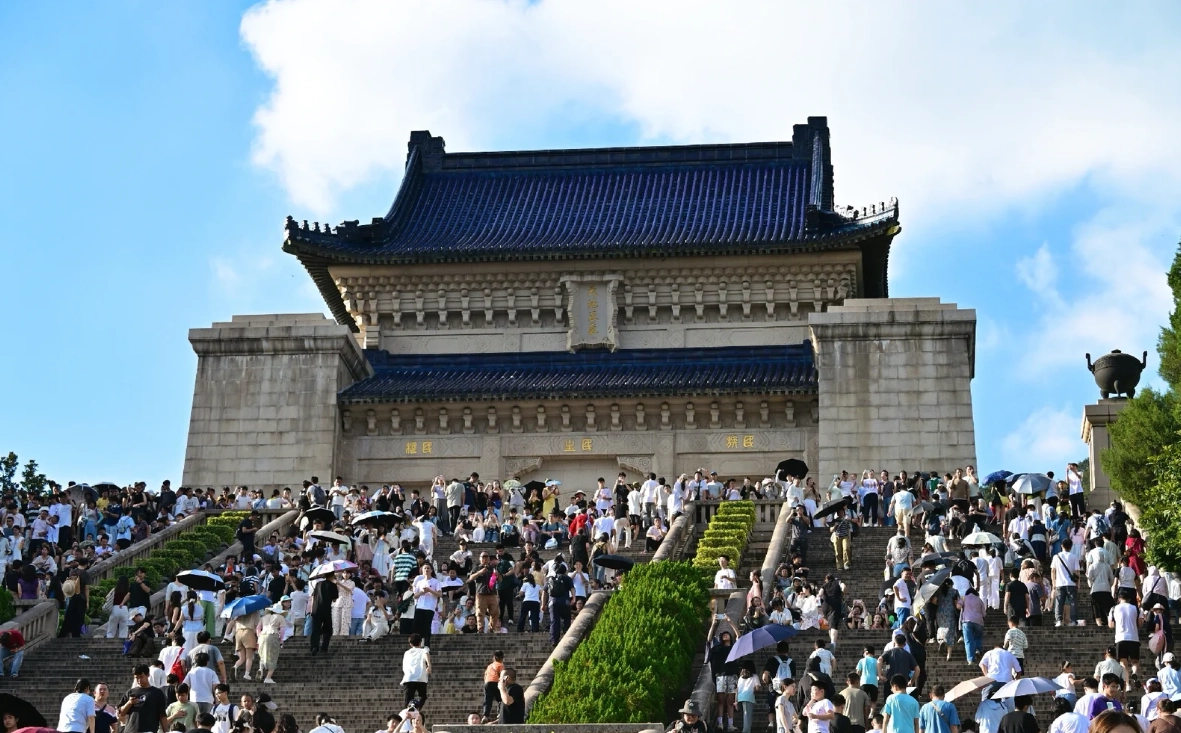
Insider advice: the second-floor vestibule often has fewer tourists than the main hall. Pay your respects there and then find the side corridor to escape the crowd.
Top 2: Humble Administrator's Garden — the Masterpiece of Suzhou
If you only see one classical garden in Suzhou, let it be this one.
The garden is a UNESCO World Heritage Site, and it's far larger than you expect. Most visitors make a beeline for the central pond and stop there — missing the quiet northern courtyards where I love to stop for a moment of stillness.
Ticket prices hover around 80–100 RMB, depending on peak season. Get here when the gates open at 7:30; by 10:00 the pathways are packed with groups. From the metro, exit at Line 4 Beisita Station and walk about 1 km along Northeast Street — you'll see the gates on your left.
Don't bother with the audio guide (it's dry and outdated); instead, follow the flow of local photographers — they know the angles that work.
For a deeper dive, the UNESCO World Heritage listing for the Classical Gardens of Suzhou explains why these gardens are more than just pretty landscaping.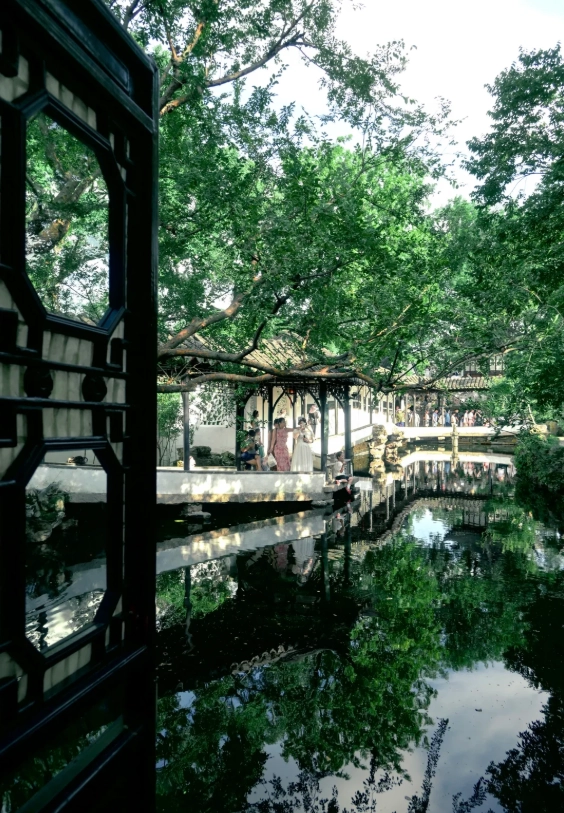
Top 3: Is the Night Cruise on the Qinhuai River Worth the Tourist Trap?
The Confucius Temple area is chaotic, crowded, and almost aggressively commercial. But honestly, the night cruise along the Qinhuai River is still one of the most magical experiences in Jiangsu.
Book your cruise ticket (around 100 RMB) in advance in the evening peak; the queue at the dock can be 45 minutes long. The best departure time is 30 minutes before sunset — you get both daylight and the illuminated lanterns.
To skip the worst of the chaos, approach from the east side (near the historic street of Laomen Dong) — the views are the same but the crowds feel much lighter.
Meet at the dock at the south side of the Confucius Temple. Any taxi driver knows "夫子庙游船" — just show them the Chinese characters.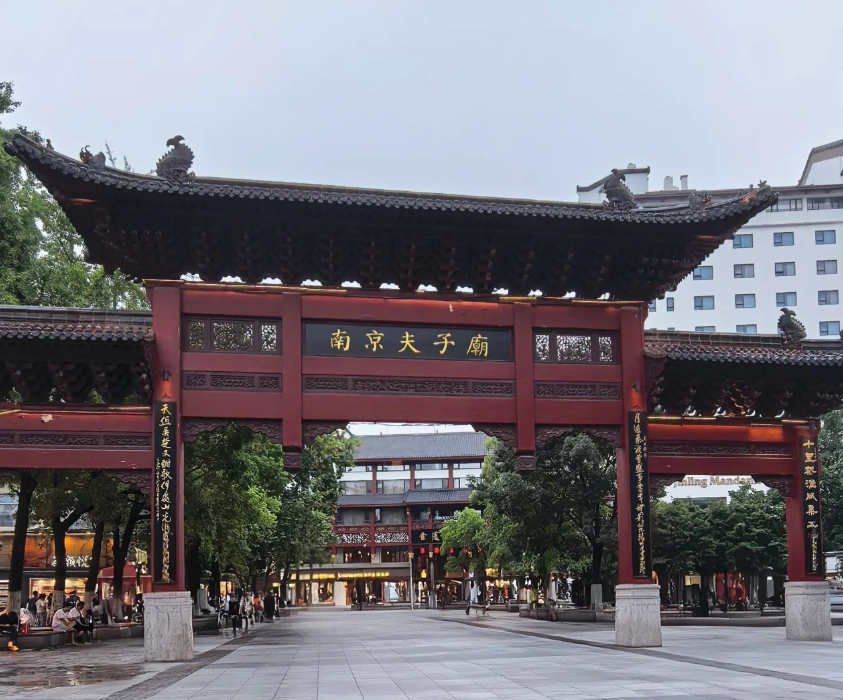
Top 4: Slender West Lake — Yangzhou's Secret Is Timing
Yangzhou may not top most first-time itineraries, and that's exactly why I love it.
The lake's famous willow-lined shore is gorgeous in spring but equally stunning in autumn when the leaves turn red. I always tell clients to allocate at least 3 hours because you'll want to stop constantly for photos.
Entrance is around 100 RMB. Unlike other sites, this one rarely hits extreme crowds outside of Golden Week, but the narrow paths can still bottleneck near the Five Pavilion Bridge. Get there at 8:00 AM if you want spotless pictures.
The lake is walkable, but renting a small electric boat (around 80 RMB/hour) gives you a completely different perspective. Bring snacks — the concession stands are overpriced.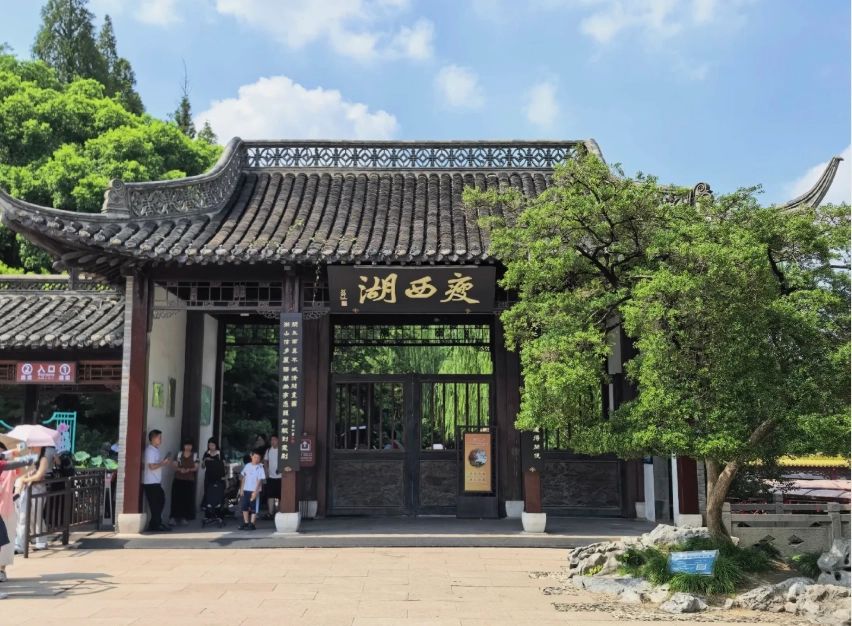
Top 5: Tongli Water Town — a Better Alternative to Zhouzhuang
If you want to see the classic canals-and-bridges scene without the overwhelming push of Zhouzhuang, Tongli is my go-to pick.
Tongli is only a 30-minute metro ride from downtown Suzhou, yet it retains a quieter, more residential atmosphere. The old town is free to walk around, but the specific historic houses and former gardens charge a combined ticket (about 80 RMB). Pay for it once — some of the tiny museums are worth it, like the Couple's Retreat Garden.
Get here on Metro Line 4 to Tongli Station, Exit 2, then a 5-minute bus or taxi to the entrance. Don't bother staying overnight unless you crave morning fog over the canals; otherwise, it's a perfect day trip.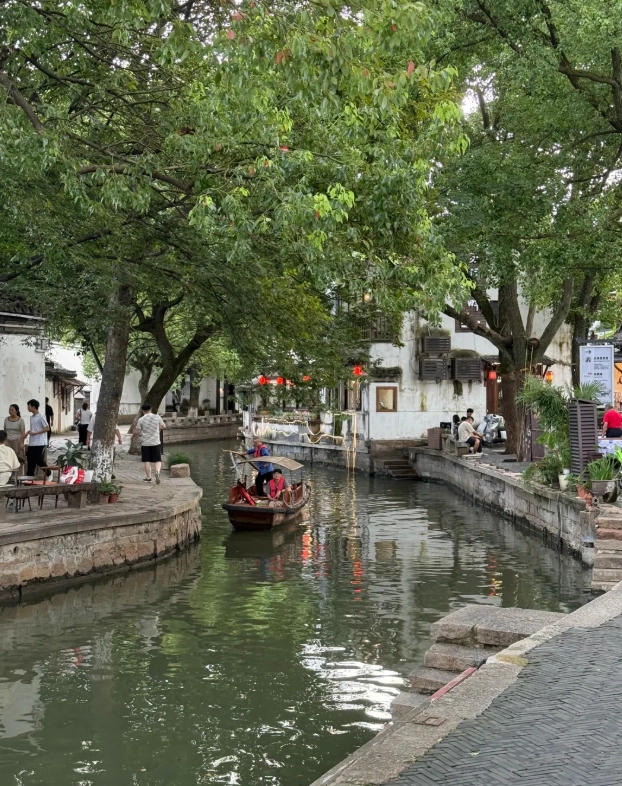
Top 6: Cycle the Nanjing City Wall — the Best Free Activity in the City
Most tourists just photograph the gate towers, but not me. I rent a bike and ride along the top.
From the Zhongshan Gate (Chunmen) to the Seamark West Gate, this stretch of the Ming Dynasty wall offers sweeping views of the city and the Purple Mountain. The wall path is about 5 km and takes a leisurely hour and a half. You can rent a city bike right at the wall's base for a few yuan, but note that the surface is uneven — road bikes aren't ideal.
The best segment for photography is the Taicheng section, right next to Xuanwu Lake. Come at 4 PM for soft golden light; you'll have the path almost entirely to yourself after 6 PM.
Entry to the wall is free, though some restored gates charge a tiny restoration fee (10–20 RMB). I'll be honest: pay it once at Jasmine Gate to support the upkeep — it's worth it.
Top 7: Is Turtle Head Isle Worth the Crowds?
Taihu Lake is the third-largest freshwater lake in China, and Turtle Head Isle is the postcard spot to watch the sunset over it.
Sailing across to the isle on the ferry, with seagulls swirling around the boat, is genuinely thrilling. Yet the entrance fee is steep — around 105 RMB, including the boat. And in spring (the cherry blossom season), the crowds can be the worst I've ever navigated in China.
Go outside of the flower blossom window if you can. October is lovely. And always buy the ticket online in advance — the ticket booth sells out mid-morning.
From Wuxi's train station, grab the Tourist Bus 1 directly to the park. It takes about an hour, so pack patience.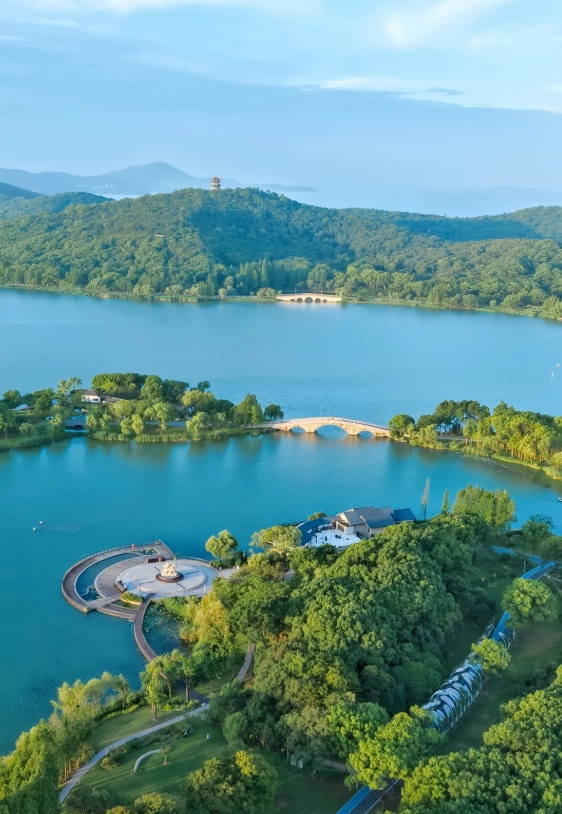
Top 8: Pingjiang Road — Suzhou's Historic Backstreet That Avoids the Souvenir Trap
Pingjiang Road is a long, narrow alley alongside a network of canals, packed with old-town atmosphere and local tea houses.
Unlike nearby Shantang Street, Pingjiang Road is less overrun with identical tourist shops. The northern end near the metro station is busy, but if you head south past the Bai Luo Dai bridge, the crowd thins dramatically and you can actually hear the gondolier's opera singing.
There's no entrance fee — just wander. The best time to go is early morning (around 7 AM) when the shopkeepers are opening their wooden shutters. Grab a cup of the local Biluochun green tea and watch the city wake up.
Avoid eating at the large restaurants on the main road; the small alley stalls serve better soup dumplings (shengjianbao) for half the price.
Top 9: Dongguan Street — Yangzhou's Eat-Street for Serious Foodies
Yangzhou is famous for its morning tea (zaocha) and its savory Huaiyang cuisine. Dongguan Street is where you'll find both.
Go hungry; the food stalls here are incredibly good value with most snacks under 15 RMB. Don't miss the crab soup dumplings (xiefen tangbao) — they're slippery, hot, and worth the burn.
Cashless payment is the norm — make sure your mobile Alipay is linked to an international card before you arrive. That said, keep a few 10 and 20 RMB notes handy because some of the tiniest stalls may not have a working QR code.
The street is free to enter and open late, making it a perfect evening stop after visiting nearby Ge Garden (a quieter cousin of Suzhou's gardens).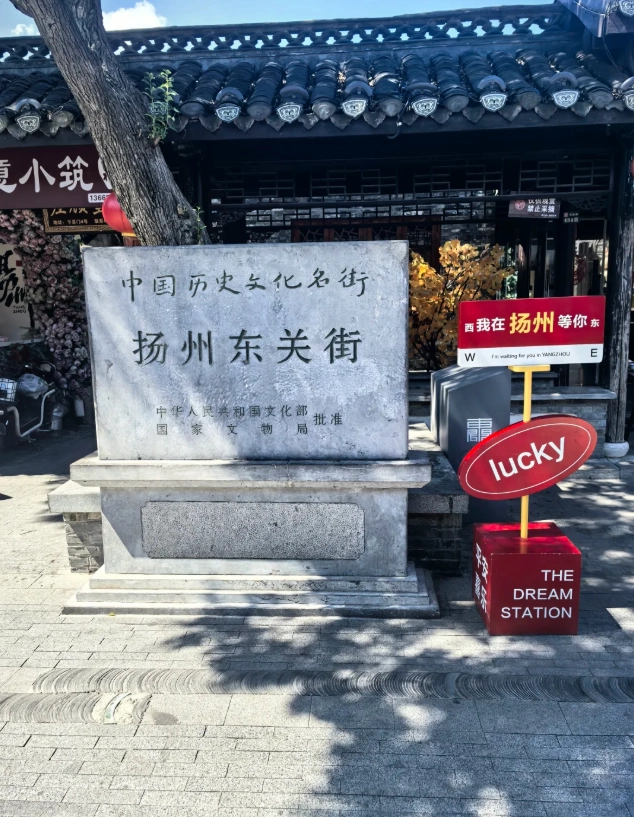
Top 10: Nanjing Museum — a Rainy-Day Fallback with World-Class Exhibits
You'll get caught in rain somewhere in Jiangsu, trust me.
Nanjing Museum is the second-largest museum in China, and the bronze collection alone rivals many European capitals. Best of all, admission is free with your passport, and it's easier to reserve than some other sites.
Set aside half a day; the place is enormous. Highlights include the magnificent bronze vessels from the Shang dynasty and an excellent permanent exhibition on Ming and Qing-era urban life.
It's located at No. 321 Zhongshan East Road, and the metro station Nanjing Museum (Line 2) is just a two-minute walk.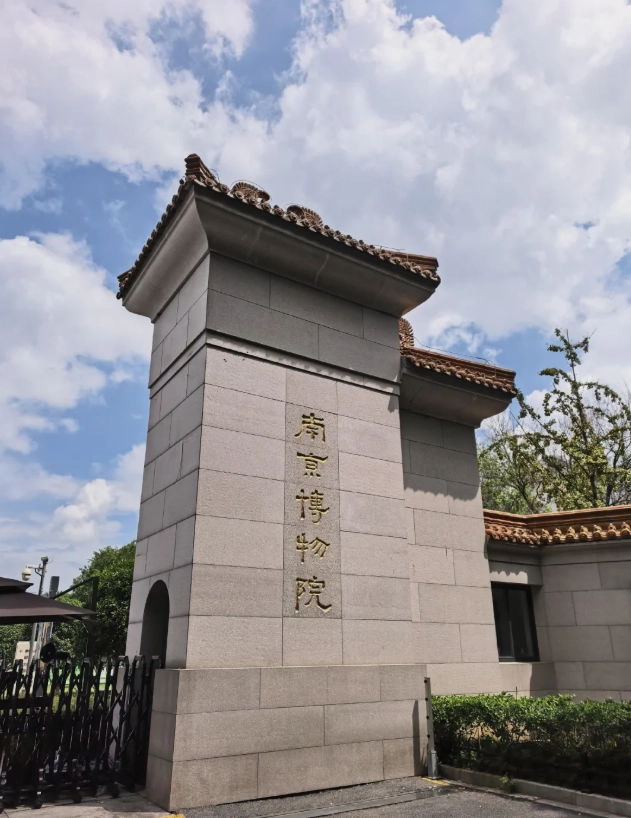
How Do You Get Around Jiangsu's Major Cities?
High-speed trains are your best friend here — they connect all major cities in under an hour. But for the last mile, you'll need taxis or ride-hailing. Use the table to compare your options:
| Route | Recommended Option | Approx. Time | Approx. Cost |
|---|---|---|---|
| Suzhou to Nanjing | High-speed train (G/D) | ~1.5 hours | ~100 RMB (second class) |
| Suzhou to Yangzhou | Bus or bullet train via Zhenjiang | ~2.5 hours | ~80-120 RMB |
| Nanjing to Wuxi | High-speed train | ~1 hour | ~80 RMB |
For train tickets, book through 12306.cn (official China Railway website) or the same platform's English app, which works for foreign passports.
FAQ: Your Jiangsu Questions Answered
Verified and fact-checked by the editorial team.





No comments yet.