 Ting Chen
What You'll Learn Here
So you've booked a trip to Yunnan? Smart move. But let me tell you from years of guiding on-the-ground — Yunnan tourist attractions are stunning, but they can also be overwhelming if you don't know the logistics.
I've watched travelers struggle with overpriced taxis, sold-out cable cars, and a 30-minute WeChat login loop. That's exactly why I'm pouring everything into this guide. The number one mistake? Trying to see every attraction in 5 days. Slow down. Quality over quantity.
Here's the deal: stick to three bases — Lijiang, Dali, and Shangri-La. That's how you'll experience Yunnan's best without burning out.
Why Yunnan Should Be on Your China Itinerary
Yunnan is China's most diverse province. Snow-capped mountains, tropical rainforests, ancient towns, and 25 ethnic minorities. For many visitors, it's the highlight of their entire China trip. But the distances are huge. Lijiang to Shangri-La is a 3-hour bus ride. Dali to Lijiang is about 2 hours by train. Plan carefully.
Top 10 Yunnan Tourist Attractions You Can't Miss
I've selected these based on my own experience leading tours. The list balances iconic landmarks with hidden gems. Below is a quick reference table, then I'll go into detail for each.
| Attraction | Entrance Fee (Approx.) | Best Visiting Time | Time Needed |
|---|---|---|---|
| Lijiang Old Town | Free | Morning or late afternoon | Half day |
| Jade Dragon Snow Mountain | ¥100 + cable car ¥120 | Early morning | Full day |
| Tiger Leaping Gorge | ¥65 | October-November | 2 days (trek) |
| Dali Old Town & Erhai Lake | Free | Spring/Autumn | 1-2 days |
| Songzanlin Monastery | ¥90 | Morning | 2-3 hours |
| Potatso National Park | ¥100 | June-August | Half day |
| Lugu Lake | ¥70 | March-October | 2 days |
| Stone Forest | ¥130 | Any season | Half day |
| Yuanyang Rice Terraces | ¥100 | January-February | 1-2 days |
| Meili Snow Mountain | Free (viewing points) | October-December | 1-2 days |
Note: Prices fluctuate and foreign tourists often need to reserve via official channels. Always double-check with your hotel or on official websites.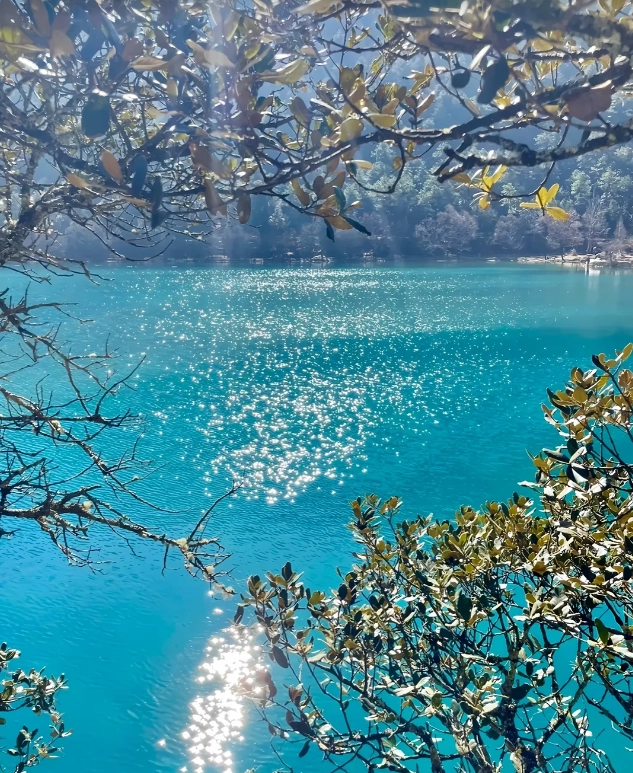
1. Lijiang Old Town
Lijiang Old Town is a UNESCO World Heritage site — and for good reason. Wandering its cobblestone alleys feels like stepping back in time. The best part? It's free to enter. But here's the catch: the old town is a maze, and it's easy to get lost. I always tell my clients to follow the water. The streams all lead to the central square.
For the best photos, arrive before 8:00 AM. The crowds flood in from 10 AM, especially around the Black Dragon Pool area. If you want a quiet spot, head to the Lion Hill viewpoint — climb the 200 steps for a panoramic view. Also, the maintenance fee concept can be confusing. As of my last check, no fee is charged to just walk the streets, but some sub-attractions like the Mufu Palace charge about ¥50.
Pro Tip: The wooden shops near the entrance sell overpriced trinkets. Walk 10 minutes deeper and prices drop by half. And don't eat on the main bar street — the local restaurants are 5 minutes' walk away, and the food is far more authentic.
2. Jade Dragon Snow Mountain
Jade Dragon Snow Mountain is the region's most iconic peak, standing at 5,596 meters. But you don't need mountaineering skills — just book a cable car ticket. The big cable car goes to 4,506 meters. You'll need oxygen (available at the base for around ¥50).
The number one mistake I see: arriving at noon. The line for the cable car can reach 2 hours. Go early — the first cable car departs around 7:30 AM. Also, booking is mandatory. You can't just show up. Use an English-friendly site like Trip.com or ask your hotel to book for you. Bring your passport — it's required for the ticket entry.
The Blue Moon Valley at the foot of the mountain is gorgeous and often overlooked. The electric bus there costs ¥20, and it's worth it. Wear layers — it's freezing at the top, even in summer.
3. Tiger Leaping Gorge
This is one of the best treks in China, and it's mostly uncrowded. The gorge is carved by the Jinsha River, with views that'll make your jaw drop. The classic trek takes 2 days, but you can do the scenic viewpoint in a few hours.
Entry is about ¥65, but the real experience involves staying at a guesthouse along the trail. I recommend walking from Qiaotou to Tea Horse Guesthouse on day one — it takes 3-4 hours. The climb from the start is steep, but the scenery is worth it. The walking surface is dusty and uneven, so hiking shoes are mandatory.
Here's something most guides won't tell you: the 'Tiger Leaping Stone' viewpoint at the bottom requires descending 700 steps — and you have to climb back up. If you have weak knees, skip it. Instead, enjoy the view from the middle trail. Also, start before 9 AM to avoid midday heat.
4. Dali Old Town & Erhai Lake
Dali is the laid-back cousin of Lijiang. The old town is free, with wide streets and a stunning view of the Cangshan Mountains. The real highlight is cycling around Erhai Lake — a 120 km loop that's best done in segments. I usually recommend renting an e-bike for the south shore from the old town; it takes about 3 hours to reach the famous Shuanglang village.
The lake can be windy, so bring a jacket. Also, the rice fields near Haidong are photogenic in autumn. If you're short on time, just drive the east coast road and stop at the best viewpoints. Parking is easy.
One thing that disappoints many tourists: the 'flower fairy' photo spots require paying photographers. You can take your own snaps from the road — just be careful of traffic.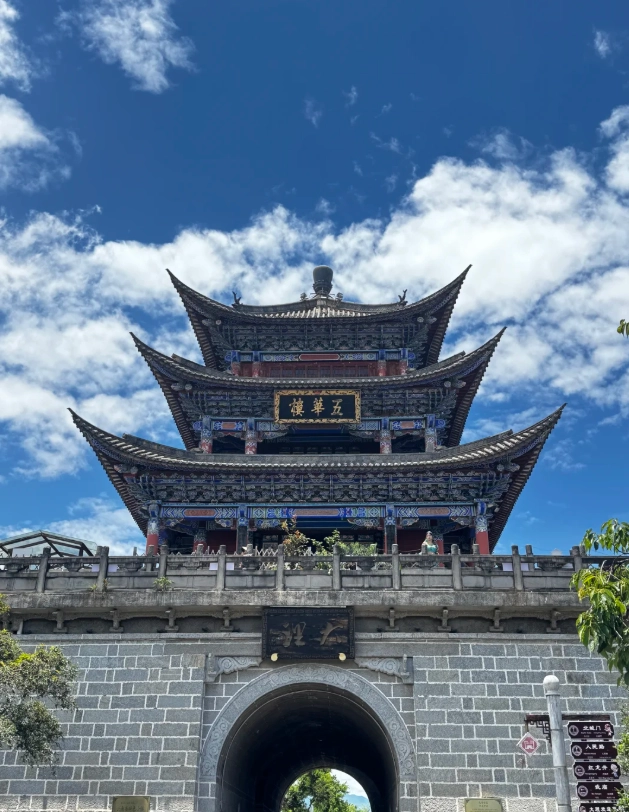
5. Songzanlin Monastery
Known as the 'Little Potala Palace', Songzanlin is the largest Tibetan monastery in Yunnan. It sits at 3,380 meters, so expect some breathlessness. Ticket is around ¥90, which includes a guided tour in Chinese. English audio guides are available but often sell out — bring your own earphones.
The monastery is still active. You'll see monks chanting and butter lamps flickering. Please respect the rules: no photography inside the temple halls, and walk around the prayer wheels in a clockwise direction. I always remind my group to dress modestly.
Getting there from Shangri-La old town is a 20-minute taxi ride. Take the bus from the east gate if you're on a budget. Tip: go in the morning when the light is golden — the white walls glow beautifully.
6. Potatso National Park
Potatso is Yunnan's first national park, covering pristine alpine lakes, meadows, and forests. It's a peaceful escape from Shangri-La town. The entrance fee is around ¥100, and you must take the park shuttle to the main sites — you can't walk freely.
The two main lakes, Shudu Lake and Bita Lake, are honestly quite similar. If you're tight on time, I recommend skipping one. The boardwalks are easy, and the altitude can make you dizzy. Stroll slowly and drink water.
Pro tip: the park closes early (before 4 PM in some seasons). Go right at opening time to catch the mist over the lake. It's magical.
7. Lugu Lake
Lugu Lake sits on the border of Yunnan and Sichuan, known for the matriarchal Mosuo culture. It's a big lake surrounded by mountains, with traditional wooden houses on stilts. The entrance fee is about ¥70. I love the sunset here — it paints the sky pink and purple.
Getting here is not easy. From Lijiang, it's a 4-hour drive with hairpin turns. Many visitors stay overnight in a guesthouse called a 'flower house'. If you're prone to motion sickness, take medication before the journey.
Don't expect luxury. The local food is simple, and facilities are basic. But for a truly authentic experience, it's unmatched. Rent a bike and cycle part of the lake — but the full loop is 60 km, so pick a section.
8. Stone Forest (Shilin)
The Stone Forest is a karst landscape of limestone pillars reaching up to 30 meters. It looks like a forest made of stone — surreal and photogenic. The entrance fee is around ¥130, which includes the shuttle bus. Note that this is a day trip from Kunming — about 1.5 hours by train and then 30 minutes by bus.
The park is huge. The Outer Stone Forest is crowded, but the Inner Stone Forest is quieter and more scenic. Follow the marked paths — it's easy to get turned around. Also, there are lots of sharp rocks and stairs. Wear sturdy shoes.
You'll see local Yi women in traditional clothing. Some may offer to take a photo with you — you'll be asked to pay. It's your choice, but be prepared to negotiate a fair price beforehand.
9. Yuanyang Rice Terraces
If you're a photographer, these terraces are a dream come true. Carved by the Hani people over 1,300 years, they glow with colors during sunrise. The entrance fee is around ¥100 per view station. The best time is from January to February when the rice paddies are flooded with water.
You'll need to wake up early. The famous sunrise spot, Duoyishu, gets packed by 6 AM. Go one day earlier and scout the path. Also, the terraces are remote — from Kunming it takes 4-5 hours by bus. Many travelers combine it with a homestay in a local village, which is a great experience and helps the local economy.
Caution: the paths between terraces are narrow and slippery after rain. Walk slowly and use a walking pole if needed.
10. Meili Snow Mountain
Meili is considered the most beautiful snow mountain in Yunnan, and it's also a sacred peak in Tibetan Buddhism. You don't climb it — you admire it from viewing platforms. The best view is in Feilaisi village, where you can watch the sunrise turn the peaks gold. That moment, known as 'Sonan Zhanying', is truly unforgettable.
Access: From Shangri-La, drive to Deqin County (about 5 hours). Stay overnight at Feilaisi to catch the sunrise. The good news is that it's free to view from the public terraces. But the highlight is the weather — it's often clouded. I've had groups who waited three days for a clear sky. Be patient and check weather forecasts.
If you're short on time, you can take a day trip from Shangri-La, but it's a brutal 10-hour round trip. Better to spend one night.
How Do You Get Around Yunnan?
The quickest way to move between cities is by high-speed train — but not all towns are connected. Kunming is the railway hub. From there, trains go to Dali (3 hours), Lijiang (3.5 hours), and Xiangyun. Shangri-La has a new railway opening, but as of this writing, most visitors take a bus or private transfer. Check schedules on 12306 (China's official rail booking site, which has an English version now).
Within regions, you'll rely on buses and taxis. Didi (the Chinese Uber) is convenient and cheap. Tip: avoid taxis waiting outside tourist attractions — they'll overcharge. Instead, walk to a main road and use the Didi app. Also, many drivers don't speak English, so have your destination written in Chinese. You can show the Chinese address from Google Maps or Apple Maps — note that Google Maps is often inaccurate in China. I prefer Apple Maps or the local Amap (but Amap is in Chinese). Better yet, use a translation app to show written directions.
What Are the Hidden Costs of Visiting Yunnan?
Entrance ticket is only the beginning. There are shuttle buses, electric carts, cable cars, and mandatory 'eco-tour' buses at many sites. For example, at Potatso National Park, you must pay a shuttle fee on top of the entrance. These add up to 30-50% of your planned budget. I always tell my clients to bring at least ¥400 extra per day for these surcharges.
And then there's the issue of payment. Many ticket offices only accept mobile payments like WeChat Pay or Alipay. International credit cards are rarely accepted. You'll need to link your foreign card to Alipay — do this before you travel. Or carry enough cash (though some places don't accept cash either). It's frustrating, but manageable.
Also, watch out for 'private guides' near attractions who promise to fast-track you. They're often overpriced and unlicensed. Stick to official counters.
FAQs About Yunnan Tourist Attractions
Verified and fact-checked by the editorial team.





No comments yet.