 Ling Wu
Quick Guide
A family from Texas stood in front of Canton Tower, defeated. Their "skip-the-line" QR codes wouldn't scan. It was 3 p.m., sun blazing. That's when I knew: visiting Guangdong's attractions is not just about picking spots — it's about surviving the logistics. So let me share my personal must see in Guangdong guide, built from years of leading trips.
You'll face payment apps that reject foreign cards, GPS that goes haywire, and queues that look endless. But the good news? With the right plan, you can skip most of that. I've fine-tuned a route that balances the iconic with the unexpected.
Bottom line: the absolute best time to visit the Canton Tower is not sunset, but 6:30 p.m. for the city lights — and you should buy tickets on Trip.com, not the WeChat mini-program. I'll show you how to do it all below.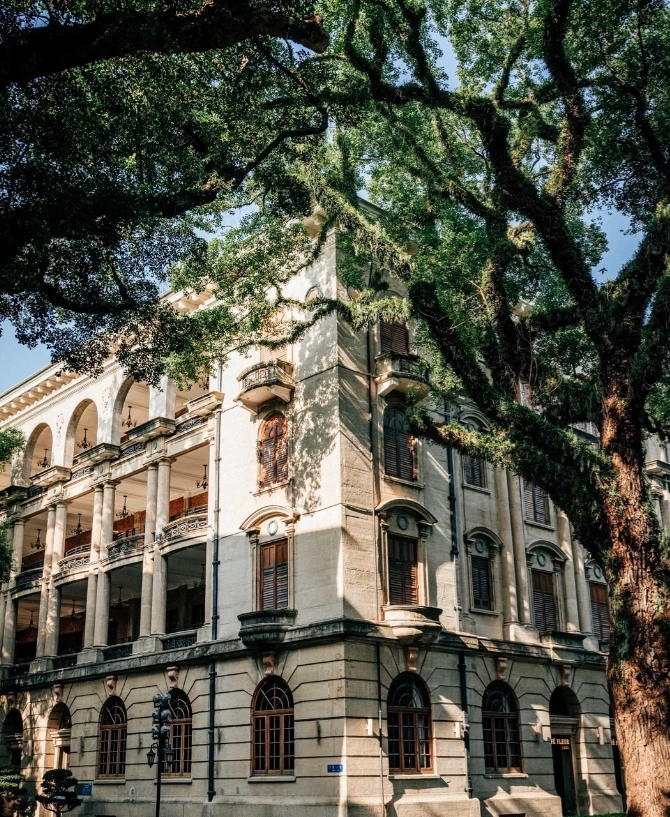
What Should Be on Your Guangdong Must-See List?
Guangdong is massive. Most tourists stick to the Pearl River Delta — Guangzhou, Shenzhen, Zhuhai — and make a dash to Kaiping for the UNESCO towers. But I've divided my list into three buckets: cultural heritage, natural drama, and modern marvels. That way, you can mix and match based on your interests and time.
5 Cultural Attractions That Define Guangdong
Chen Clan Ancestral Hall, Guangzhou
This is the first place I bring anyone who wants to understand Cantonese artistry. The hall is a living museum of wood carvings, pottery, and embroidery. I always tell my clients to arrive at opening time — 8:30 a.m. — because by 10 a.m. it's packed with school groups. Bring your passport; you'll need it for the ticket counter. It's about 10 RMB, but foreigners often get a discount — just ask. The nearest metro is Chen Clan Academy Station (Line 1), Exit D, and it's a 2-minute walk to the main entrance.
One insider tip: the courtyard on the right side has the best light for photos until 11 a.m. After that, the shadows get harsh. Also, the gift shop at the exit sells unique Canton enamel pieces, not the generic junk you see at tourist traps.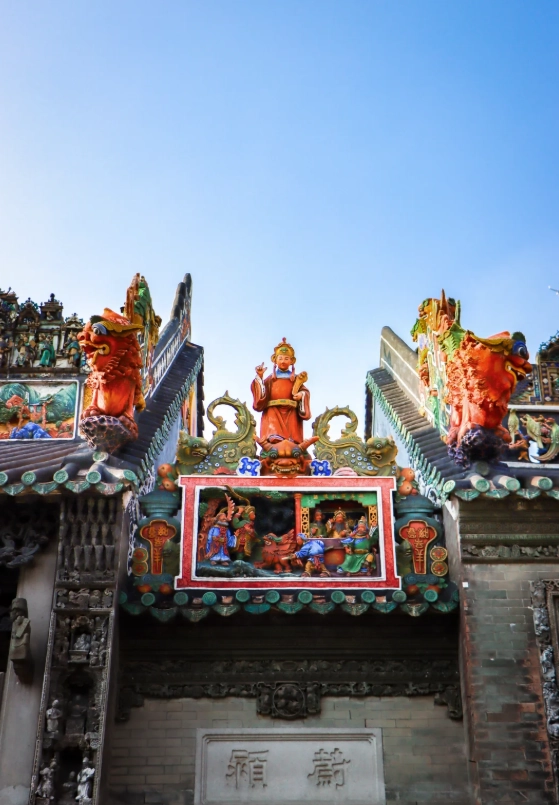
Kaiping Diaolou, Kaiping
These multi-storey watchtowers are a UNESCO World Heritage site — no wonder they're a must see in Guangdong. I'm always amazed by the blend of Chinese and Western architecture. If you're planning a day trip from Guangzhou, catch the high-speed train from Guangzhou South to Kaiping South (about 1 hour). From there, taxi to the Zili Village (自力村) — about 30 minutes and 40 RMB. The entrance fee is around 100 RMB for the main cluster, but you can buy combo tickets through Trip.com for slightly less. Go early — the tour groups arrive after 10:30 a.m. And don't miss the Rui Shi Tower, which you can climb for a panorama.
My honest complaint: the signage is bilingual, but some paths are uneven — wear sturdy shoes if you plan to explore the surrounding rice fields. For a quick meal, the local tofu pudding (豆腐花) from a stall near the entrance is surprisingly good and only 5 RMB.
Sun Yat-sen Memorial Hall, Guangzhou
This octagonal building is a tribute to China's founding father, Sun Yat-sen, and it's free to enter the front plaza. The main hall requires a ticket, but it's less than 10 RMB. I always tell clients to visit on a weekday to avoid wedding photoshoots hogging the best angles. The hall is right next to Yangji Station (Line 1). Inside, you'll find a small museum covering Sun Yat-sen's life — the displays are in Chinese and English, but don't expect interactive exhibits. Cool fact: the design ensures that every seat in the auditorium has a clear view of the stage — a feat of 1930s engineering.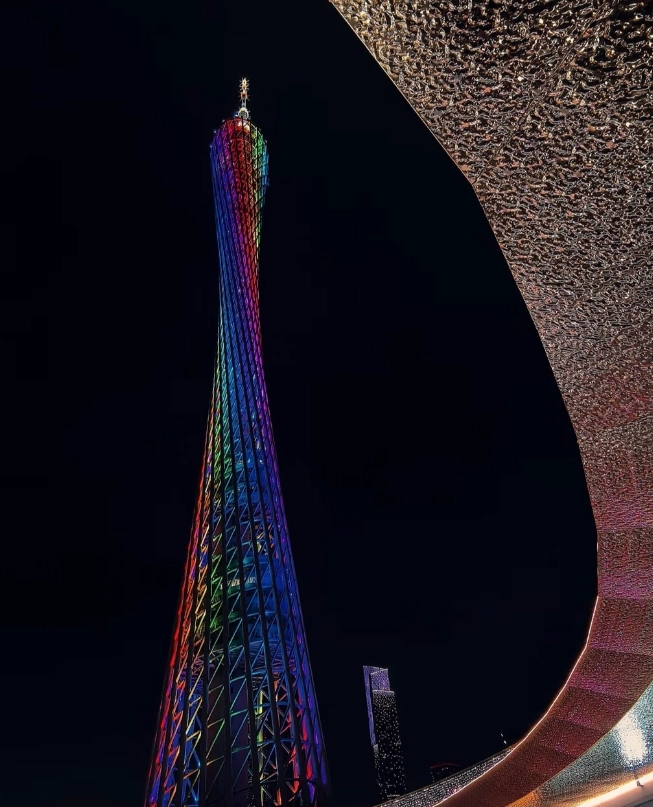
Ancestral Temple of Foshan (Foshan Zumiao)
If you're in Foshan for the Wing Chun heritage, this temple is the epicenter. It's a Taoist complex with incredible ceramic ridge decorations. I took my friend there, and we spent an hour just staring at the roof. The ticket is around 20 RMB, and you can buy it on-site. Get the audio guide — it explains the story of the legendary martial artist Wong Fei-hung, who trained right here. The temple is at No. 21, Zumiao Road, close to the Zumiao Metro Station. Try to come at 3 p.m. — right after the lunch crowd leaves and before the afternoon school tours.
Temple of the Six Banyan Trees, Guangzhou
This 1,500-year-old temple holds the 57-meter-high Flower Pagoda — a symbol of Guangzhou. The pagoda is special because you can climb it, but only in good weather. My rule: if it rained the previous day, avoid the climb — the stairs are steep and slippery. Entrance is 5 RMB for the garden, but climbing the pagoda costs another 10 RMB. It's a 10-minute walk from Zhongshan Lu Station (Line 1). The best photos are from the northeast corner of the garden, but only in the morning. By afternoon, the sun sits behind the pagoda.
4 Natural Wonders in Guangdong You Shouldn't Skip
Danxia Mountain, Shaoguan
This UNESCO Global Geopark is famous for its red sandstone rock formations and is one of the most stunning natural sights in Guangdong. It's about a 1.5-hour high-speed train from Guangzhou South to Shaoguan East, then a 40-minute taxi to the scenic area. The entrance fee is approximately 100 RMB, and there's a shuttle bus inside for 20 RMB. I always tell clients to take the cable car up to the top of Baizhang Cliff, then walk down — the views over the "Yangyuan Stone" are bizarre and breathtaking. Note: the mountain is huge, so dedicate a full day. Bring your own water — the stalls at the summit charge triple.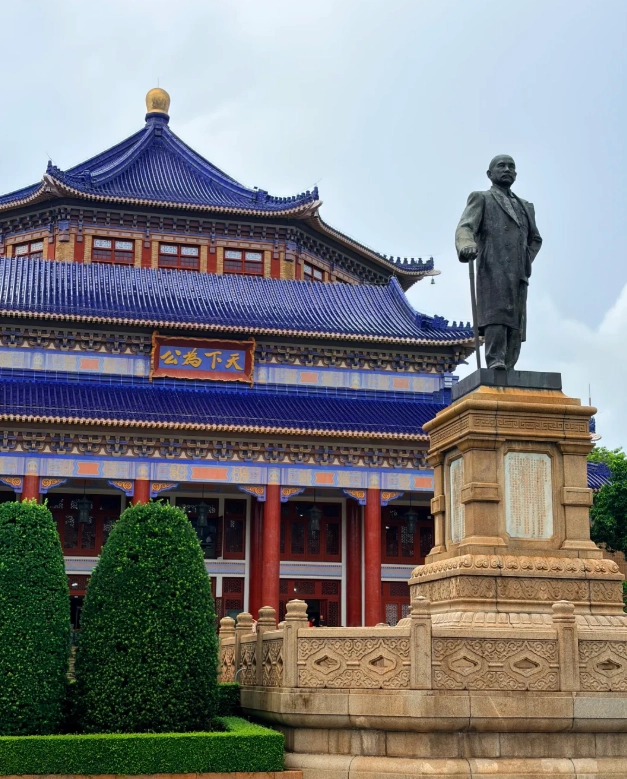
Baiyun Mountain, Guangzhou
It's Guangzhou's green lung, and from the top of Moxingling, you can see the entire city on a clear day. The main entrance is 5 RMB, but the cable car costs extra (around 25 RMB one-way). I like the hike up; it takes about 2.5 hours at a relaxed pace, but the path is well-paved and shaded. However, the mosquitoes are brutal — buy repellent at the base, not the overpriced stuff at the midway kiosk. My tip: arrive at 7 a.m. before the seniors claiming the peak for their Tai Chi circle arrive. And yes, there's a Starbucks at the top — but it's always packed.
Guangdong Grand Canyon, Ruyuan
This is a hidden gem compared to Danxia, but no less impressive — a 15-kilometer-long canyon with a 200-meter waterfall. The hardest part is getting there: it's about 3.5 hours by bus from Guangzhou Tianhe Bus Station to Ruyuan County, then a local bus to the canyon entrance. I recommend joining a day tour if you don't want to deal with transfers. The entrance is about 80 RMB. The winding staircase down the canyon wall is steep — there are 1,300 steps down, and you'll feel it in your knees. My honest advice: if you have knee problems, skip the descent and enjoy the view from the top. The photo spot at the observation deck is just as good.
Nan'ao Island, Shantou
For a marine escape, Nan'ao Island offers quiet beaches and a historic lighthouse — a world away from the city. It takes roughly 4 hours to reach from Guangzhou by direct bus, or you can take the high-speed train to Shantou and then a ferry. The bridge toll for cars is not cheap, but if you're using public transport, it's fine. The island's Blue Bay Beach is clean, and the Nam Ao Bridge is a photo stop in itself. The seafood market at the dock is a fun experience — you can choose live fish and have it cooked at a nearby stall. Just remember to agree on a price first.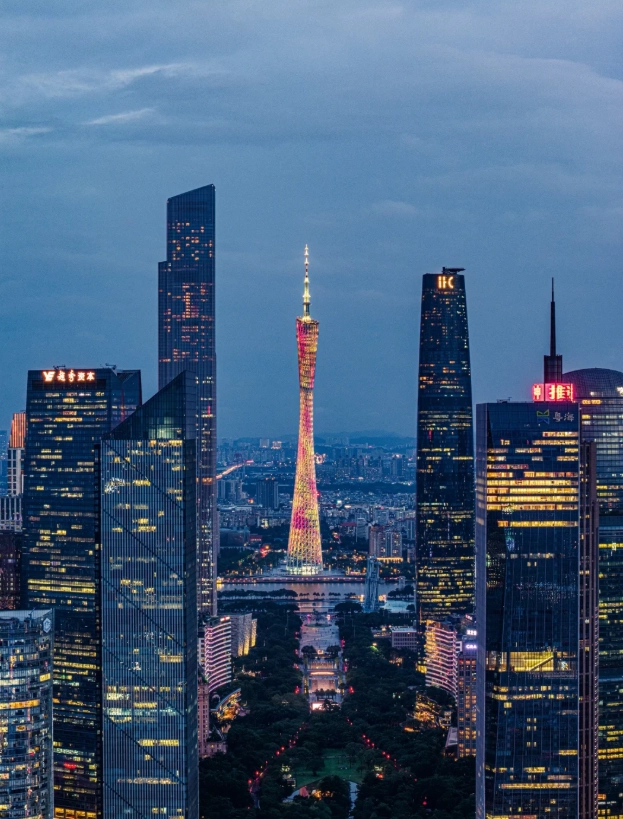
3 Modern Icons for First-Timers
Canton Tower, Guangzhou
The city's iconic spire — it's the world's tallest TV tower at 600 meters. Here is the catch: the "skip-the-line" ticket you find on some third-party apps isn't valid. You must buy the official ticket on Trip.com or a licensed agent. I always tell clients to book the 17:00-18:00 slot. Why? Because you can watch the sunset, and then the 30-minute light show starts at 19:00. You'll be above it all. The observation deck at 450 meters costs around 150 RMB. If you're scared of heights, try the horizontally rotating observation deck at 488 meters — it moves so slowly you won't notice it. But avoid weekends — the wait can be 2 hours.
For a budget alternative, watch the tower from the Haixinsha Island. There's no elevator, but the photo silhouettes are epic.
Window of the World, Shenzhen
It's a theme park with mini replicas of global landmarks — from the Eiffel Tower to the Taj Mahal. If you're into kitschy fun, this is your spot. The entrance fee is 200 RMB, which is steep, but the evening acrobatic show is included. My tip: go during the week, and rent a golf cart to save energy. The park is huge — surprisingly so. The metro station is Window of the World (Line 1), right at the entrance. I usually advise clients to spend only 3 hours here unless they have kids who need the rides.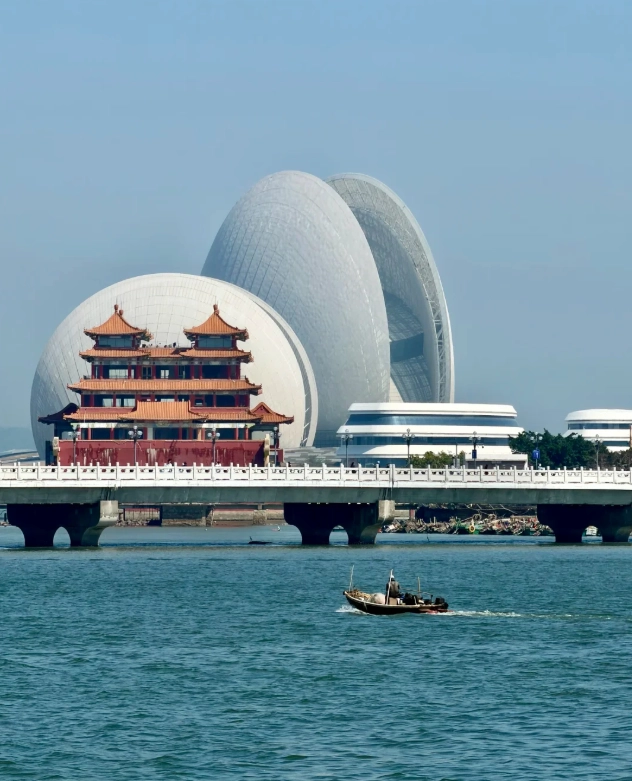
Zhuhai Opera House
Designed to look like a pair of giant seashells on a small island — it's the most photogenic building in Zhuhai. You can walk to the island and take photos for free. The interior requires a paid ticket for performances, but just strolling around is enough. I usually take guests to the nearby Lover's Road bicycle path at sunset. The sea breeze makes the 30-minute walk pleasant. For an amazing view, go to the top of the nearby Hong Kong-Zhuhai-Macau Bridge viewing platform — a 10-minute taxi ride.
Practical Tips: How to Plan Your Guangdong Trip Without Headaches
Getting Around: The Smart Way
High-speed rail is the spine of Guangdong's intercity travel. Always book your train tickets on the official China Railway 12306 site or via Trip.com — the station ticket windows are slow. For short distances within Guangzhou or Shenzhen, the metro is clean and cheap. But for your first time, I'd suggest using ride-hailing apps like Didi — they work with Alipay, and you can set the destination in English. Apple Maps is better than Google Maps here, but for public transport, download AMap Global — its English mode gives accurate Metro directions.
| Route | High-Speed Rail | Bus | Taxi/Ride-Hail |
|---|---|---|---|
| Guangzhou to Kaiping | 1 hr, ~80 RMB | 2.5 hrs, ~70 RMB | 2 hrs, ~260 RMB |
| Guangzhou to Danxia (Shaoguan) | 1.5 hrs, ~120 RMB | 3.5 hrs, ~80 RMB | 3 hrs, ~400 RMB |
| Guangzhou to Zhuhai | 1 hr, ~70 RMB | 2.5 hrs, ~60 RMB | 2 hrs, ~300 RMB |
Now, here's a complaint I have to voice: the Guangzhou metro escalators are often broken during rush hour. But the trains themselves are reliable.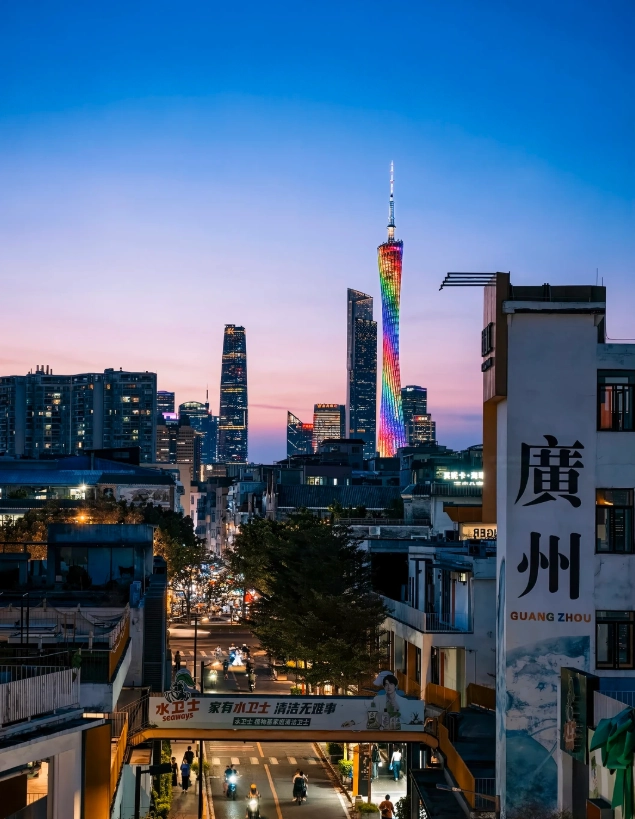
Payment and Connectivity: What Works
Most vendors accept Alipay or WeChat Pay. Foreign credit cards are rarely accepted. I strongly recommend setting up Alipay with a foreign card before you arrive — it works for scan-to-pay, and it also powers Didi and Hellobike shared bikes. Cash is still accepted at smaller museums and street food stalls, but they may not give change. For connectivity, you'll need a VPN from day one — it's the only way to access Google, Facebook, and WhatsApp on your phone. Pro Tip: download the official China Tourism Network app to get free maps and Wi-Fi hot spots information.
Ticket Booking and Passport
For major attractions like Canton Tower, always book in advance. Use official channels or reputable English platforms like Trip.com. Carry your passport at all times — you'll need it for ticket name-matching and for some security checks. Also, remember that the national holiday windows (Golden Week) mean massive crowds and higher prices. For visa requirements, check the National Immigration Administration website well before your trip.
FAQ: Your Burning Questions About Guangdong Sights
Verified and fact-checked by the editorial team.





No comments yet.