 Fang Wang
I've watched countless travelers shrug off Jiangsu.
They land in Shanghai, hear "Jiangsu" and say "it's just another province, right?" Then I take them to Suzhou's gardens and they forget to breathe. That's when I know they're hooked.
So, is Jiangsu worth visiting? In one word: absolutely. But here's the catch — it's not the Jiangsu you'll find in a 5-day tour package. Most guides rush you through crowded parks and tourist traps. This one tells you where to go, what to skip, and how to do it without losing your mind.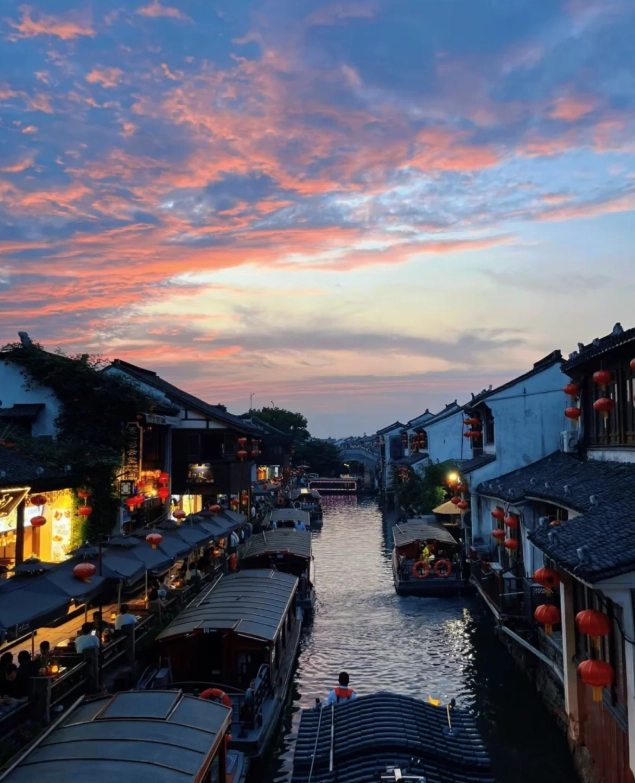
Why Is Jiangsu Worth Visiting?
Jiangsu sits right on the eastern coast, hugging the lower Yangtze River. It's the sleeping giant of Chinese tourism — overshadowed by Beijing and Shanghai, yet packed with more UNESCO surprises than you'd expect. The Classical Gardens of Suzhou, a UNESCO World Heritage listing, are the headline act, but the province also hides ancient waterways, Ming-era temples, and the kind of street food that doesn't make it into glossy guides.
I've been guiding here for a decade, and I've lost count of how many clients told me they'd "seen China" after a week in Shanghai. Then I drag them out to Jiangsu and they realize they've been looking at a movie set. Jiangsu is where history actually lives — in the narrow alleys of Nanjing's old city, in the silk workshops of Suzhou, in the watery villages that still function exactly as they did a century ago.
Here's the thing most travel blogs miss: Jiangsu is not a single destination but a patchwork of distinct characters. Nanjing gives you imperial gravitas, Suzhou whispers classic elegance, Wuxi boasts lakeside charm, and Yangzhou serves up the most refined cuisine in China. They're all connected by high-speed rail, so you can taste the variety without killing your schedule. The table below summarizes what each city is best at — a quick view for your first-timer radar.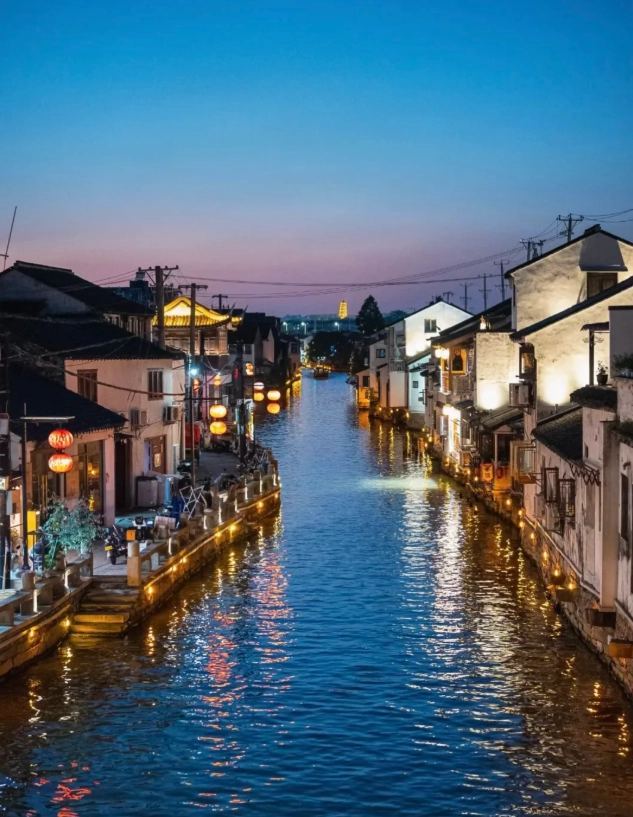
| City | Top Reason to Visit | Suggested Duration | Best For |
|---|---|---|---|
| Nanjing | Ming Dynasty sites, mausoleum, city walls | 1.5 to 2 days | History lovers |
| Suzhou | Classical gardens, silk, ancient water towns | 2 days | Photographers, romantics |
| Wuxi | Lake Tai views, Grand Buddha | 2 days | Nature enthusiasts |
| Yangzhou | Salt merchant culture, incredible food | 1-2 days | Foodies, slow travelers |
How to Plan Your Jiangsu Itinerary
Start with a logistics plan, not a checklist. Getting around Jiangsu is effortless if you use the high-speed rail network. Book tickets directly through the official China Railway system at www.12306.cn — it has an English interface and accepts foreign passports. Nanjing to Suzhou takes about 1.5 hours on a high-speed train, and tickets cost around 110-150 RMB depending on the departure time. Always grab a window seat for the final approach to Suzhou — the train cuts through a patchwork of canals and pointed roofs that look straight out of a watercolor.
Here's a 3-day itinerary I've refined over seven years. Day 1: hit Nanjing's big three — Sun Yat-sen Mausoleum, Ming Xiaoling Mausoleum, and the Nanjing City Wall. The mausoleum opens at 8:00, so get there by 8:30 to beat the tour buses. Between 11:00 and 14:00, the sun is brutal and the crowds peak — that's when I pull my clients into the a nearby museum or a shaded teahouse. Day 2: take the early high-speed train to Suzhou, drop your luggage at a hotel near Pingjiang Road, then walk the road south to north. Save the Humble Administrator's Garden for the last hour before sunset — the light turns golden and the tour groups thin out. Day 3: pick one water town — Zhouzhuang or Tongli, not both. If you're trying to decide between them, Tongli is less commercialized and still has locals living on the canals.
Insider Advice: The high-speed rail station in Suzhou is about 30 minutes from the old city. Don't stress about renting a car — taxis and ride-hailing apps handle everything. But do not try to use Google Maps; it's inaccurate in China. Download AMap Global or use Apple Maps for turn-by-turn navigation.
What if it rains? Swap the outdoor gardens for Suzhou Museum (designed by I.M. Pei) or Nanjing's Yangtze River Bridge Museum. Both are world-class and rain-proof. If it's blazing hot, do what I do: start at 7:30, rest for two hours at noon, then explore again after 16:00. Your feet will thank you.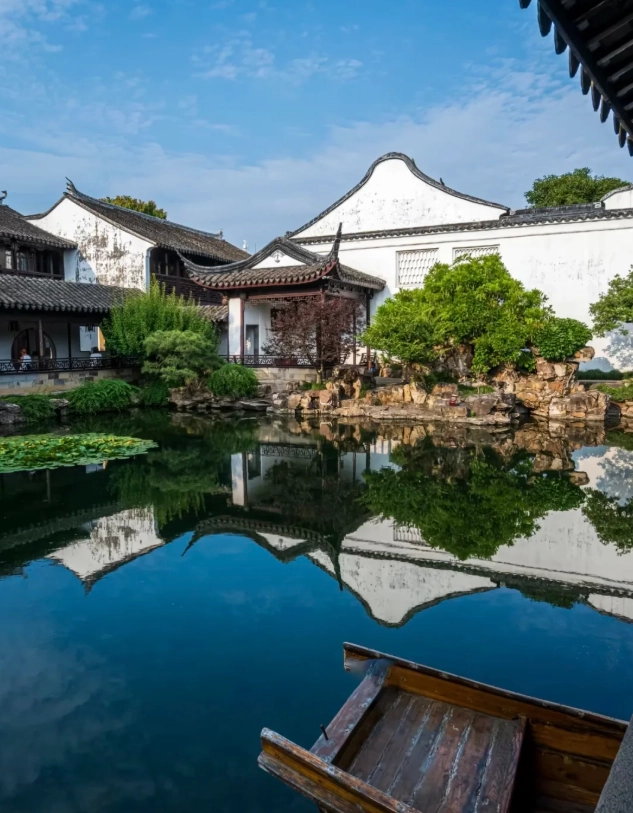
What to Eat in Jiangsu
Jiangsu cuisine — the backbone of the famous Huaiyang style — balances sweetness and fresh seafood in a way that feels delicate, not heavy. My clients often say it's the cleanest Chinese food they've tried. Four dishes you must not leave without trying: squirrel-shaped mandarin fish, braised pork meatballs (lion's head), dry-fried tofu strips, and any dish that features freshwater crab.
Where to find them? Don't trust the menus with English pictures at tourist restaurants near major attractions — they're mediocre. Instead, use the same trick I use with friends: open Dianping (the Chinese Yelp) and sort by "local popular" near your location. It's linked to your navigation app, so you can see a live waiting list. For a sit-down meal, look for restaurants with at least 4 stars and more than 50 reviews. Umami District in Nanjing and Guan Qian Street in Suzhou are both foodie hubs, but I've had my most memorable meals in a tiny noodle shop on a back lane in Yangzhou — the kind where the owner waves you to a seat and the menu is only in Chinese. That's when you know it's good.
Payment note: most of these eateries accept Alipay or WeChat Pay, but not foreign credit cards. Download both apps and link your international card before you arrive — it takes 10 minutes and saves endless hassle. In tiny shops, they sometimes only take mobile scans, so having a working payment QR is non-negotiable.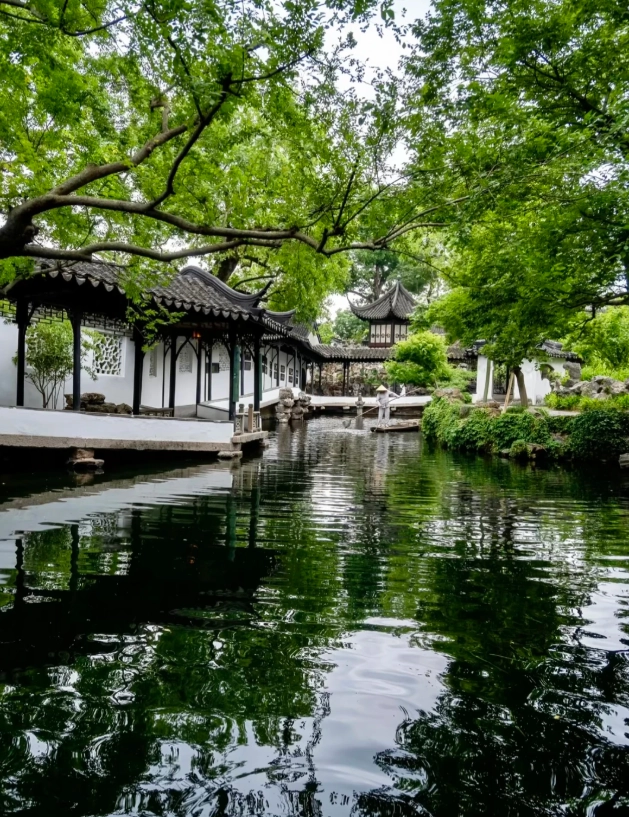
Where to Stay in Jiangsu
Your base camp matters more than the hotel star rating. For a first trip, I recommend staying in the old city areas — not the gleaming new business districts. In Suzhou, pick a lane near Pingjiang Road; in Nanjing, stay in the Xinjiekou area but walk west toward the former French Concession. These locations let you stroll out at dawn and be utterly alone with the ancient architecture before the tourist wave hits.
| Area | Character | Price Range (Night) | Best For |
|---|---|---|---|
| Pingjiang Road, Suzhou | Canals, stone bridges, tiny gardens | 400-800 RMB | Atmosphere seekers |
| Xinjiekou, Nanjing | Busy shopping, easy metro access | 300-600 RMB | |
| Nanchang Street, Wuxi | Lakeside walks, quieter | 250-500 RMB | Cash-only budget travelers |
| Dongguan Street, Yangzhou | Old town, incredible food market | 200-450 RMB | Foodies |
Whichever base you pick, remember that most local inns don't have elevators and the stairs can be steep. If you have mobility issues, filter for places that explicitly list "elevator" in the amenities. Wi-Fi is generally stable, but don't trust it in ancient stone rooms — bring a mobile hotspot as backup. English is not widely spoken outside top hotels, so have your hotel card written in Chinese to show taxi drivers.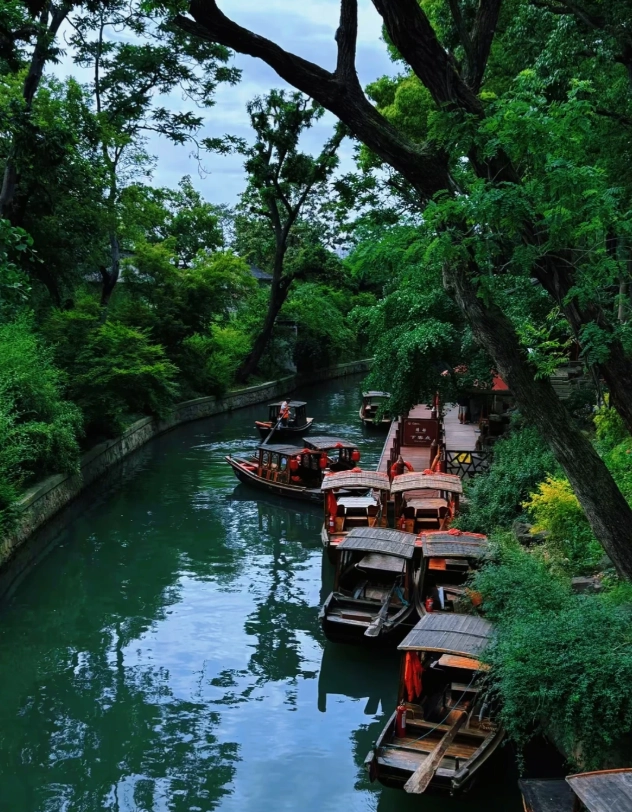
Is Jiangsu Worth Visiting for First-Timers?
If this is your first trip to China, I won't sugarcoat it: the language barrier and digital setup can feel intimidating. But Jiangsu is one of the easiest provinces to navigate — the high-speed rail is bilingual, and the tourism infrastructure is mature. Still, you need to prepare three things ahead of time: a visa, a functioning payment method, and a translation app.
Visa rules change, so always check the official National Immigration Administration website (www.nia.gov.cn) for the latest requirements. For most nationalities, a standard tourist visa (L) is needed, and it's smart to apply at least a month before your trip. If you're already in China, keep a soft copy of your passport photo and travel insurance details on your phone.
Payments are paperless here — I've gone out with only my phone in my pocket. Cash is rarely accepted these days, and credit cards are hit-or-miss. That's not a scam; it's just how the system works. Set up Alipay or WeChat Pay with an international card before you land.
Safety? I've never had a client feel unsafe in Jiangsu. The most dangerous thing you'll encounter is a rogue electric bike on the sidewalk. Keep your wits about you around tourist touts, but street crime is virtually nonexistent.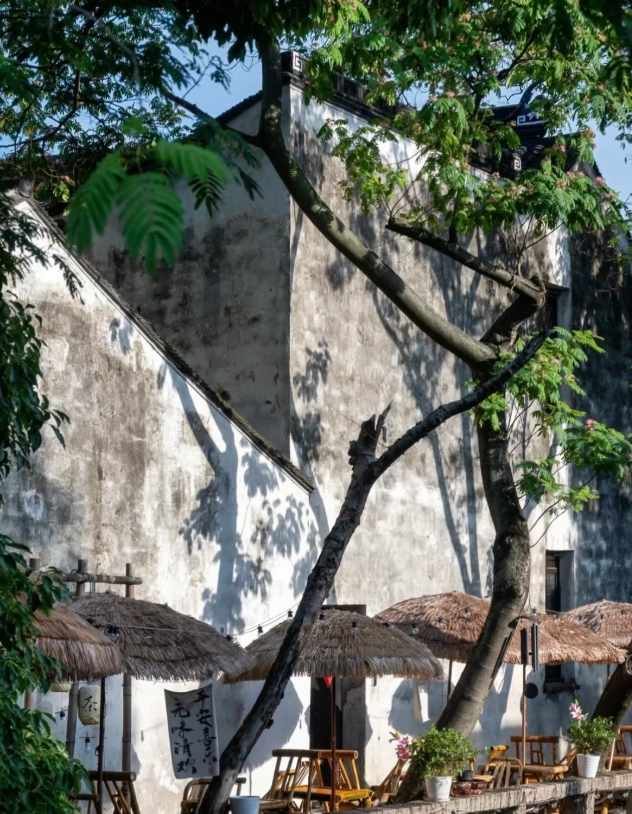
FAQ: Your Jiangsu Travel Questions Answered
This content has been fact-checked to ensure informational precision.






No comments yet.