 Bo Wu
Bo Wu
Quick Navigation: My Travel Notes
Hot donkey? Yes, that's a real thing in Hebei. I've lost count of how many tourists I've guided here, and the first question is almost always, 'what to eat in Hebei?' They've heard of Peking duck, but not of the crispy, savory donkey burger that defines this province. Here's the thing: Hebei food is wildly underrated, and you'll miss it if you stick to hotel buffets. After years of leading trips across the province, I've narrowed down the essential eats and the spots where locals actually go. My simplest recommendation? Start your trip with a donkey burger in Baoding and end with a seafood dinner in Qinhuangdao. Now, let's dive into the details.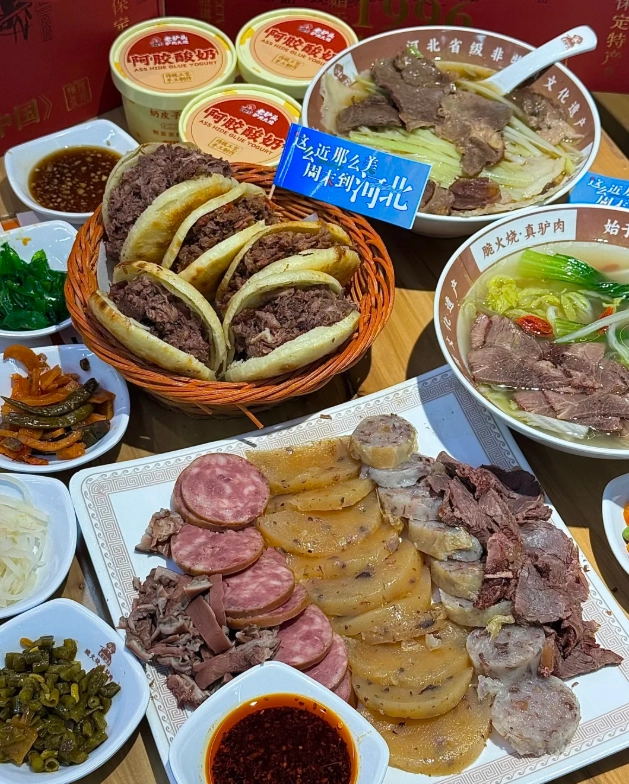
Why Hebei Food Deserves a Spot on Your Itinerary
Hebei is the quiet giant of Chinese cuisine. Nestled around Beijing and Tianjin, it often gets skipped by tourists who rush to the capital's glitzy restaurants. But locals know that Hebei's rural resilience shines through its food — rustic, hearty, and packed with flavors that tell stories of wheat fields, sea breezes, and mountain herbs. From the donkey burgers of Baoding to the crunchy fried oysters of Qinhuangdao, every region brings something different to the table. And because it's less touristy than Beijing, prices are friendlier. Your money goes further, and you'll eat like a local for a fraction of the cost. And before you even pack your bags, double-check your visa requirements on the National Immigration Administration's website — it's the best way to avoid surprises at the airport.
Here's a little secret: Hebei food is a mix of northern Chinese staples and unique coastal flavors. The province stretches from the Bohai Sea to the Taihang Mountains, which means seafood and mountain produce coexist on the same menu. You'll find hand-pulled noodles, steaming hot pots, and even a local take on dumplings that I guarantee you haven't tried in Beijing. The best part? You don't need a corporate restaurant card — some of my most memorable meals were eaten on plastic stools by busy streets.
What Are the Must-Try Dishes in Hebei?
I always tell my groups: there are five flavors you absolutely need to taste before leaving Hebei. Each one represents a different Hebei city and culinary tradition. Let's walk through them together.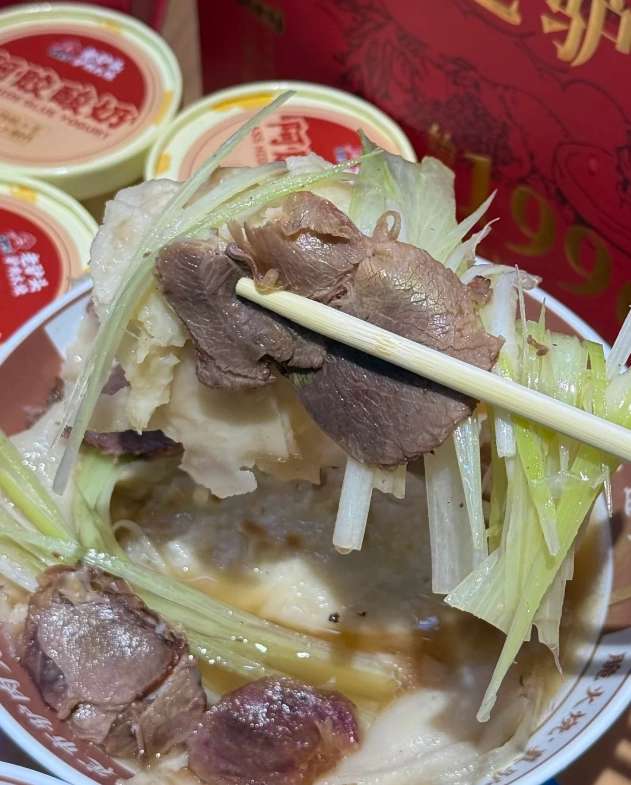
1. Donkey Meat Sandwich 驴肉火烧
This is Hebei's most iconic street food. Think of it as a crispy flatbread stuffed with thin slices of savory donkey meat, often served warm. The bread is toasted to a golden brown, giving it a satisfying crunch that contrasts with the tender meat. It's not greasy; the meat is lean and surprisingly juicy. As a guide, I often see tourists hesitate when they hear 'donkey' — but trust me, it's a delicacy with roots in local history. Donkey meat was a source of protein for workers building the Qing dynasty's grand projects, and today it's a proud part of Hebei's culinary identity.
Where to try it: Baoding and Hejian are the two most famous cities for this dish. In Baoding, the sandwich comes with a bit more fat and sometimes includes green pepper; in Hejian, it's leaner and often served with a dash of soy sauce. You'll find street stalls on almost every corner — just follow the smell of toasting sesame and green onions. A standard one costs 10 to 15 RMB (about $1.5 to $2.5). I always recommend trying it during lunchtime when it's freshly made. I like to order an extra one just for myself — they're that good.
Pro Tip: If you're in Baoding, walk around the ancient city area near the Drum Tower (鼓楼). That's where I take every first-time visitor — you'll see locals queuing at tiny shops, and that's always a good sign.
2. Golden Phoenix Braised Chicken 金凤扒鸡
This is Shijiazhuang's pride. A whole chicken braised until the meat falls off the bone, reddened with a secret marinade that includes a touch of sugar and a blend of spices. It's sweet and savory, with a hint of star anise that warms your soul. The skin is thin and slightly sticky, and the meat is so tender that even the breast is moist. For me, it's the perfect comfort food after a long day of exploring.
You'll find it in many supermarkets and small food shops across the province, but the most authentic version comes from the city's old factory stores. Don't expect fancy packaging — the charm is in the flavor. A whole chicken costs about 30 to 50 RMB. I'd suggest sharing one with a friend, as it definitely satisfies two people. Here's a quirk: locals often eat it cold as a snack, but I prefer it warm. I once asked a shopkeeper to reheat it, and he looked at me like I was from another planet. Yes, that's me breaking tradition — but I swear it's better.
3. Chengde Almond Tea 杏仁茶
From the mountain city of Chengde comes this rich, nutty drink. Made from ground almonds and rice flour, it's served hot and has a velvety texture with a slightly sweet, floral taste. I call it 'liquid comfort' — it's perfect on a cool morning. Chengde's history as the Qing imperial summer resort means its cuisine often featured royal touches, and almond tea was one of them. You'll often see it paired with pastries or steamed buns.
Where to try it: Look for small breakfast shops or traditional tea houses in Chengde's old town. A bowl costs around 10 RMB. My advice? Add a sprinkle of osmanthus if they have it — it elevates the whole experience.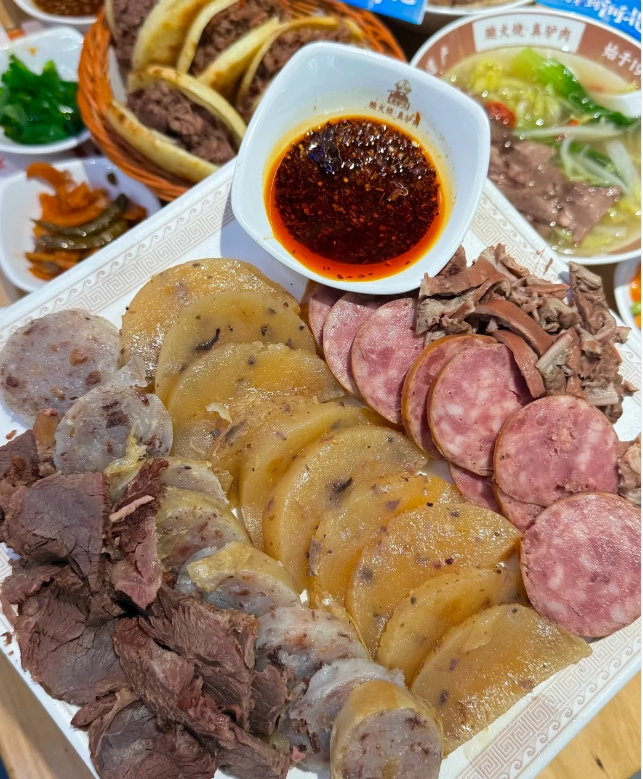
4. Qinhuangdao Seafood 秦皇岛海鲜
Coastal Hebei means fresh seafood straight from the Bohai Sea. In the seaside city of Qinhuangdao (home to the famous Beidaihe resort), you'll find a stunning array of crabs, scallops, and razor clams. The locals are masters of simple preparations — steaming or grilling with minimal seasonings to let the natural sweetness shine. I still get cravings for their grilled oysters sprinkled with garlic and chili oil.
Go to the seafood markets or pick a restaurant along the coastal road. It's best to go early in the morning when the catch is still fresh. Prices vary by season, but you can expect to spend around 100 RMB per person for a decent feast. Just remember: these places usually don't have English menus, so bring your translator and a smile.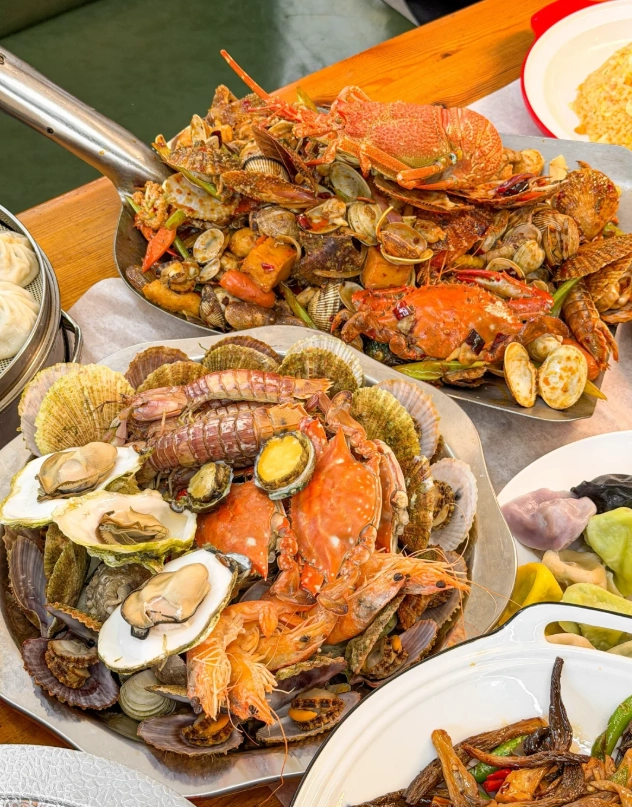
Insider Advice: For the most memorable experience, ask for 'hai xian' (海鲜) and let the owner pick the day's catch. You won't be disappointed.
5. Tangshan Chessboard Pastry 唐山棋子烧饼
These tiny, sweet-savory pastries are shaped like chess pieces. Tangshan, known for its industrial heritage, also has a finger-food game that's dangerously addictive. The pastry is flaky and layered, filled with minced meat or sweet bean paste. They're perfect for snacking on the go. The name comes from their shape — small rounds resembling the pieces of a Chinese chess set. They're crunchy, buttery, and surprisingly satisfying.
You'll find them sold in boxed gift sets, but the best ones are fresh from local bakery ovens. Just ask for 'qi zi shao bing' (棋子烧饼) in a bakery near the railway station. A box of 10 costs about 20 RMB, but trust me, you'll finish them before you even reach your destination.
Where to Eat in Hebei: City-by-City Guide
Now you know the signature dishes, but where exactly should you go? Here's my honest breakdown of the food scenes in four major Hebei cities. I'm not here to list every Michelin-starred place — I'm giving you the streets and neighborhoods where I take my own friends.
| City | Must-Eats | Typical Price Range | Best Time to Eat |
|---|---|---|---|
| Shijiazhuang | Golden Phoenix Chicken, hand-pulled noodles | 30-60 RMB per meal | Lunch and dinner (11:30-13:00 and 17:30-19:00) |
| Baoding | Donkey meat sandwich, pan-fried pork chop | 15-30 RMB for street food | Anytime, but best for breakfast (~7:00) and afternoon snack (~15:00) |
| Qinhuangdao | Seafood platter, grilled oysters | 100-200 RMB per person | Evening dinner after the beach (17:00-20:00) |
| Chengde | Almond tea, imperial hot pot | 50-100 RMB per meal | Morning for tea, evening for hot pot (breakfast 7:00-9:00, dinner 18:00-20:00) |
Shijiazhuang: The Capital's Surprising Bite
Yes, Shijiazhuang is a modern city, but if you explore the old neighborhoods around Zhongshan Road, you'll discover food stalls sizzling with local favorites. I always start with a visit to a braised chicken shop — trust me, the smell is irresistible. For a sit-down meal, try a 'hotel-style' restaurant that serves northern Chinese classics like sweet and sour pork ribs. From the high-speed rail station, it's a 15-minute taxi ride to the city center.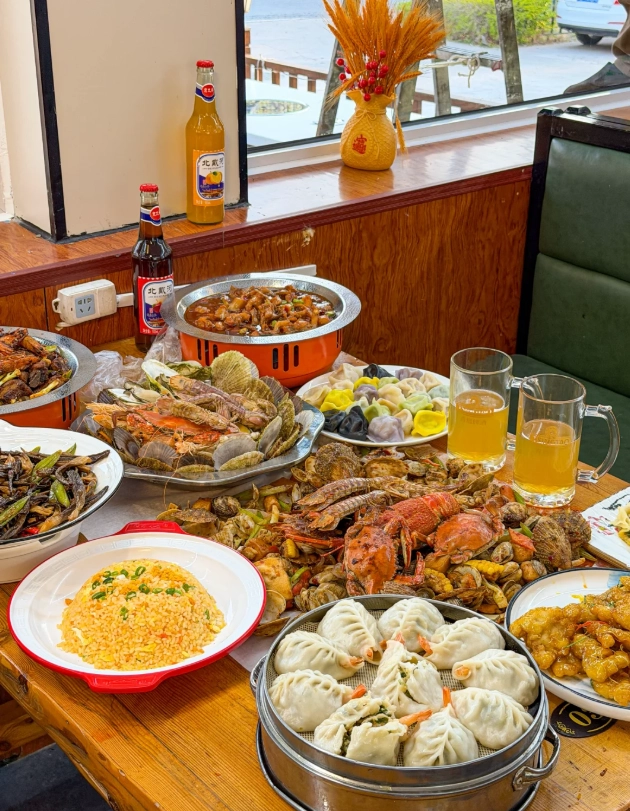
Baoding: The Donkey Burger Paradise
This is where you come to master the art of ordering a donkey sandwich. In the ancient city area, you'll see vendors grill the bread on-site. For a side, go for a bowl of sweet potato congee (红薯粥) to balance the richness. Baoding is also home to the famous 'hot pot'. Don't leave without trying the local 'fried dough twists' (馓子) from street stalls. From Baoding East Station, a 20-minute taxi ride gets you to the old city.
Qinhuangdao: Sea Breeze on a Plate
Right on the coast, the city of Qinhuangdao offers a seafood experience that feels as fresh as the ocean spray. The area around Beidaihe beach is packed with restaurants specializing in local catch. If you're not sure what to order, ask for the 'daily selection' at the market — the fishermen will guide you. Just remember to negotiate a bit; it's part of the experience. The seafood district is a short bus ride from the beachfront.
Chengde: Cool Mountain Town, Warm Food
With its imperial history, Chengde has a more refined food culture. I love starting the day with a steaming bowl of almond tea and some freshly steamed buns. For dinner, treat yourself to a traditional 'imperial hot pot' — a milder, herb-infused broth that lets the ingredients shine. Look for restaurants near the Mountain Resort (避暑山庄), but check the queue — it can get long during peak season.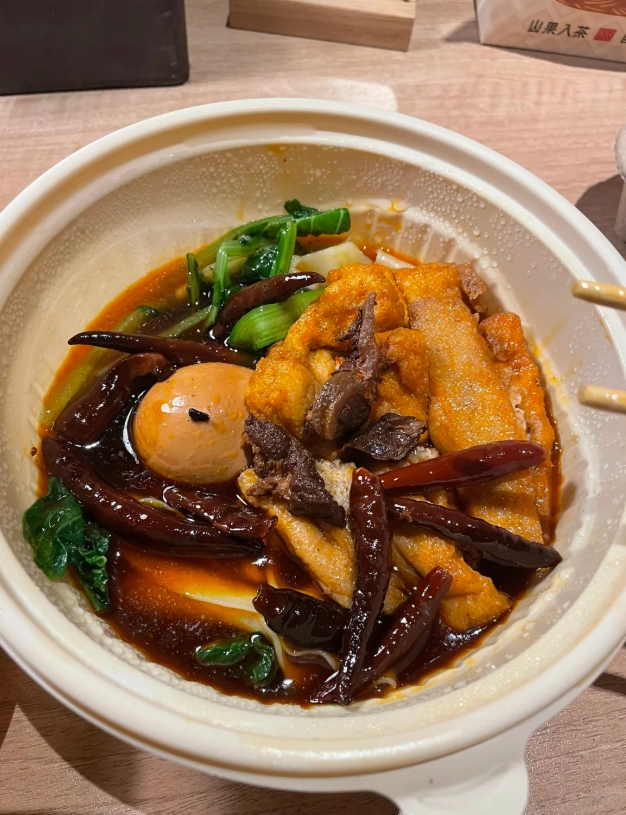
Vegetarian and Halal Options in Hebei
Not everyone eats meat, and I respect that. During my tours, I always ensure my vegetarian guests and those with halal requirements still get to enjoy Hebei's food culture without compromise. Here's the good news: Hebei has a significant Muslim population, especially in cities like Shijiazhuang and Baoding, so halal eateries are not rare.
For halal food, look for restaurants with Arabic signage or the word '清真' (qing zhen). These places offer beef and lamb dishes prepared according to Islamic law. I often direct my clients to a 'qing zhen' noodle shop where they can get a huge bowl of hand-pulled beef noodle soup for under 20 RMB.
Vegetarians have a wider range of options than you might think. Hebei's fertile plains grow an abundance of vegetables, and you'll often find dishes like sautéed seasonal greens, braised tofu, and the classic 'twice-cooked green beans' (using a secret local sauce). The key is to say 'wo chi su' (我吃素) — meaning 'I eat vegetarian' — to the waiter. Most restaurants will happily adjust a dish to omit meat.
Pro Tip: In places without English menus, I recommend pointing at the vegetable section of the menu and clearly saying 'no meat'. Also, ask for 'mei you rou' (没有肉) which means 'no meat'. It's a simple phrase that has saved me many times.
How to Order and Pay as an International Visitor
This is where most of my guests panic. But don't worry — I've developed a reliable system after years of navigating Chinese food markets with non-Chinese speakers. Let's break it down together.
Payment: Cash or Card?
In Hebei, mobile payment reigns supreme. You'll see QR codes on every stall and restaurant. For international visitors, the easiest setup is to bind your international credit card to a local payment app. WeChat Pay and Alipay both accept foreign cards these days, though you'll need to complete identity verification. If you're not ready to set that up, always carry cash — many small vendors will accept it, though they may not have much change. Yes, setting up WeChat Pay is a pain — I still struggle with it sometimes.
Here's a common catch: some cheap stalls only accept WeChat Pay. If you see a QR code but no cash register, you might need to ask for help from a nearby customer. I always tell my guests to have one of the apps installed, and I can guide them through the setup before we head out.
Ordering Like a Pro
No English menus? Not a huge problem. Many places have picture boards, especially in tourist areas. For street stalls, just point at what others are eating. If you're in a larger restaurant, look for 'number 1' on the menu — it's usually the house specialty. Also, don't be shy to ask for 'la' (spicy) or 'bu la' (not spicy) explicitly.
I also recommend using a translation app. Apple Translate and Google Translate both work reasonably well. Simply show the app's Chinese text to the waiter. And remember, smiling goes a long way.
Getting Around: Use AMap
For navigation, remember that Google Maps is unreliable in China due to regulations. Instead, download the app 'AMap' (also known as Gaode Maps), which has an English version. You can search for 'food' or use the '附近' (nearby) feature. In many cities, you can also use the local ride-hailing app 'Didi' — it has an English interface. Always double-check the street name when you get off a taxi, as few drivers speak English. If you're moving between Hebei cities, I suggest the high-speed train. It's fast, comfortable, and official tickets can be booked on 12306.cn.
A 24-Hour Food Crawl in Hebei
Let me give you a sample day — let's say you're in Baoding, my personal food capital. This is the route I've refined over dozens of trips. Follow this timeline and you'll eat like a well-fed local.
7:00 AM — Breakfast: Donkey Sandwich Station
Start the day with a freshly made donkey sandwich from a street vendor near the Drum Tower. Yes, it's heavy for breakfast, but locals love it. Grab a glass of hot soy milk to balance it out. Expect to spend about 15 RMB (less than $2.50).
9:00 AM — Mid-morning Snack: Almond Tea and Pastries
Head to a tea house in the old city and order a bowl of almond tea. Pair it with a flaky pastry filled with bean paste. This is a quiet moment to watch the city wake up.
12:30 PM — Lunch: Hand-Pulled Noodles
For lunch, go to a 'qing zhen' (halal) restaurant and order a bowl of hand-pulled beef noodles. The noodles are made fresh right in front of you, and the broth is deep and meaty. Add a side of marinated cucumber for freshness. This should cost about 20 RMB.
3:00 PM — Afternoon Break: Sweet Treats
Craving something sweet? Find a local bakery and buy some chessboard pastries (棋子烧饼). They're small, easy to carry, and make for a great energy boost while exploring the city. You'll find them in any decent bakery near the main shopping streets.
6:00 PM — Dinner: A Proper Feast
For dinner, treat yourself to a multi-dish meal at a traditional restaurant. Order the braised eggplant, a plate of sautéed greens, and if you're feeling adventurous, a portion of crispy fried river fish. Remember to say 'bu la' if you prefer mild flavors. A dinner with two people will cost around 80 RMB per person.
9:00 PM — Late-Night: Street Grills
End your day at a street-side grill (烧烤) stall. Sip on a cold beer, and eat skewers of chicken wings, lamb, and mushrooms. It's the best way to toast a perfect day in Hebei. A skewer costs about 3 RMB, so you can stuff yourself for under 50 RMB.
FAQ: Hebei Food Questions Answered
Verified and fact-checked by the editorial team to ensure informational precision.





No comments yet.