 Chen Liu
Quick Trip Blueprint
- Why Combine Hong Kong and Shenzhen in One Trip?
- Border Crossing Between Hong Kong and Shenzhen: The Complete Guide
- Getting Around: MTR, High-Speed Rail, and Border Checkpoints
- A 5-Day Hong Kong and Shenzhen Itinerary That Maximizes Time
- Where to Stay in Hong Kong and Shenzhen: A Comparative Table
- What to Eat in Hong Kong and Shenzhen: Local Specialties
- Money and Payments: How to Pay Without Getting Stuck
- Insider Tips and Common Mistakes to Avoid
- FAQ: Your Hong Kong and Shenzhen Trip Questions, Answered
- Fact-Check Statement
Let me set the scene. You're standing in the airport arrival hall, staring at your phone, watching the battery drop. You just realized Google Maps doesn't work here. That's the moment everything changes. A Hong Kong and Shenzhen trip is an incredible adventure—but the gap between the two cities can eat you alive if you're not prepared. First, the hard truth: You need a VPN, a translation app, and a payment method that isn't plastic. Second, the good news: It's easier than you think. I've guided dozens of travelers across this border, and here's the single most valuable tip I can give you: Cross before 8 a.m., and book your high-speed rail ticket on Trip.com to skip the paper ticket queue. Now, let me walk you through everything you need to know.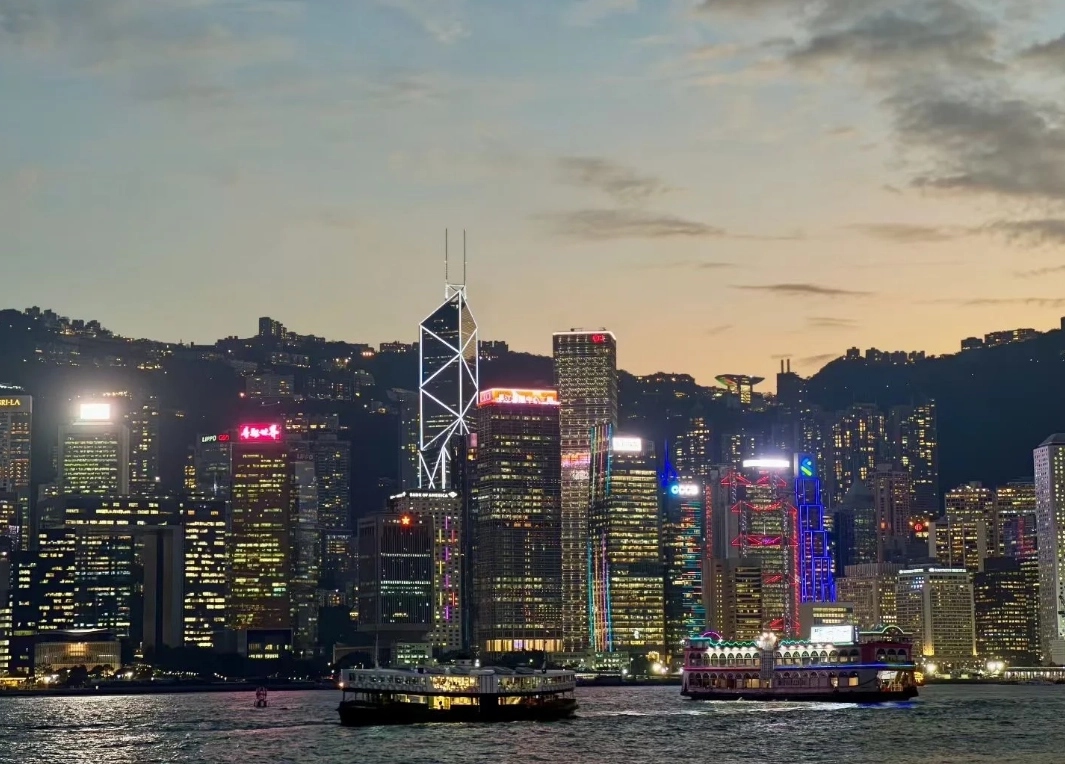
Why Combine Hong Kong and Shenzhen in One Trip?
The short answer is convenience. The two cities share a border, and you can cross from Central Hong Kong to Shenzhen's Futian district in under 45 minutes by high-speed rail. That means you get a world-class financial hub and a dynamic tech city in a single vacation. Most savvy travelers split their time: three nights in Hong Kong for the culture and food, and two nights in Shenzhen for the shopping and futuristic architecture. The cost difference is huge too — Shenzhen's street food is half the price, and boutique hotels cost a third of Hong Kong's.
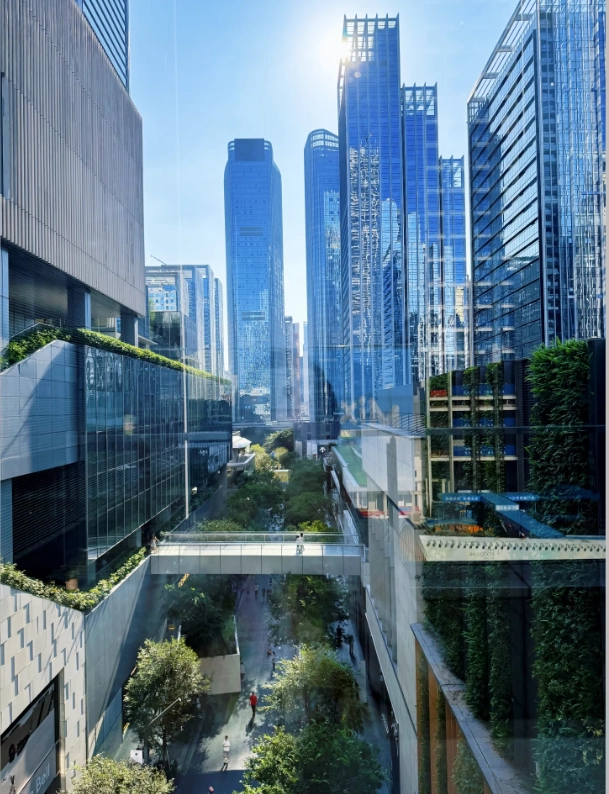
But the real reason I recommend this combo is the contrast. You can ride the Peak Tram to Victoria Peak in the morning, and by sunset, stand under the 600-meter-tall Ping An Finance Centre. Both cities are incredibly safe, but they operate differently — Hong Kong still uses cash and Octopus cards, while Shenzhen has gone almost completely cashless. Understanding this split is the key to a smooth trip.
Border Crossing Between Hong Kong and Shenzhen: The Complete Guide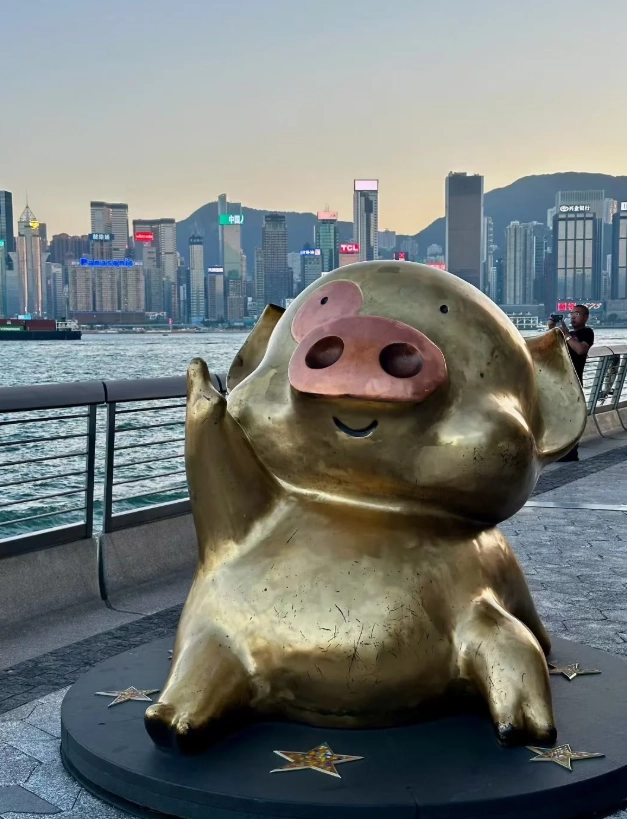
There are four practical ways to cross the border: Lo Wu, Lok Ma Chau Spur Line, Shenzhen Bay Bridge, and the West Kowloon high-speed rail. Which one you choose depends on your time, patience, and port of entry. Let me break them down all four.
Lo Wu and Lok Ma Chau Spur Line: The Classic Rail Crossings
The queues move faster than you'd think, but the key is timing. Cross before 8 a.m. or after 10 p.m. to avoid the tour groups. Most first-timers use Lo Wu because it connects directly to Hong Kong's MTR. Follow the East Rail line to its end, and you'll exit into a giant pedestrian concourse. From the Hong Kong gate to the Shenzhen gate, it's a 15-minute walk if the queues are short. Expect a crowd on weekend mornings. Loc Ma Chau Spur Line is about 15 minutes by bus from Yuen Long, but it's often less crowded. Both crossings close around 10:30 p.m., so plan accordingly.
Shenzhen Bay Bridge: The Car and Bus Option
This is the best choice if you're staying in south Shenzhen or need to get to Nanshan. The crossing is by car or a dedicated bus, and the whole process takes about 20 minutes off-peak. From Hong Kong, take the B2P bus from Tuen Mun or hire a car. The major advantage is that it's open 24 hours. But before you celebrate, know that public buses stop around midnight — three until 1 a.m. and maybe only taxi after. So if you're crossing late, expect to pay for a cab.
West Kowloon High-Speed Rail: The Fastest and Most Minimal-Hassle Option
This is my personal favorite, and I always recommend it to clients who want to save time. The high-speed rail leaves from West Kowloon station (near Austin MTR) and arrives at Futian or Shenzhen North in 14 minutes. You clear both Hong Kong and mainland immigration in the same terminal — no walking between gates. You'll need a printed ticket, but you can book it through Trip.com in advance and scan your passport at self-service machines. Note that the train schedule can narrow during peak holiday seasons. I always tell travelers: don't buy from third-party agents that try to upsell you on the "business class" seat — it's not worth it for such a short ride. Just take second class; it's cheap and comfortable.
| Checkpoint | Type | Hours | Approx. Wait | Best For |
|---|---|---|---|---|
| Lo Wu | Rail | 6:30 - 22:30 | 20-40 min | Budget travelers, first-timers |
| Lok Ma Chau Spur Line | Rail/Bus | 6:30 - 22:30 | 15-30 min | People wanting to skip Lo Wu crowds |
| Shenzhen Bay | Car/Bus | 24 hours | 10-20 min | Late-night trips, Nanshan area |
| West Kowloon HS Rail | Rail | 6:30 - 22:30 | 10-15 min | Speed and comfort |
Getting Around: MTR, High-Speed Rail, and Border Checkpoints
Hong Kong: MTR, Buses, and Octopus Card
Hong Kong's MTR is the best way to move. Get an Octopus card — it works on buses, ferries, and the Peak Tram. You can buy one at any station for a deposit, and load cash directly. Credit cards are widely accepted too, but the Octopus is faster. Use Apple Maps or AMap for navigation. Google is inaccurate in Hong Kong — it sometimes sends you to a dead end.
Shenzhen: WeChat Pay and Ride-Hailing
Shenzhen is cashless. The only way to pay for buses, taxis, and even some groceries is via WeChat Pay or Alipay. And you can't use your physical foreign card in most places. So set up a foreign card on WeChat Pay before you arrive — we'll detail that in the payment section below. For ride-hailing, use Didi Chuxing (the Chinese version of Uber). It supports English in the app, and you can pay with Alipay.
Getting Back and Forth
Between the cities, use either the high-speed rail or the MTR to Lo Wu. If you stay near Hong Kong's Kowloon side, the high-speed rail is unbeatable — but you need to be at the station 60 minutes before departure for security. If you're on a budget, the MTR is fine.
A 5-Day Hong Kong and Shenzhen Itinerary That Maximizes Time
This itinerary is built for the traveler who wants to see the highlights without pretending to be a marathon runner. It assumes you'll land in Hong Kong on Day 1 and leave from Hong Kong or Shenzhen on Day 5. You can swap any day to match your interests.
-
Day 1: Arrival and Classic Hong Kong Sights
Arrive at HKG by afternoon. Take the Airport Express to Kowloon — 25 minutes, and you can check your luggage at the in-town check-in if your hotel is inside the Airport Express zone. Check in, then head straight to Tsim Sha Tsui Promenade. The skyline view across Victoria Harbour is best at golden hour. Dinner at Temple Street Night Market (open after 4 p.m.). Don't count on your foreign card — bring some Hong Kong dollars or use Octopus at food stalls.
-
Day 2: Peak Tram and Central Heritage
Start before 8 a.m. to beat the tourist rush. Take the Peak Tram from Garden Road Peak Tram terminus — buy your round-trip ticket on your phone via Klook to skip the ticket queue. Walk the Lugard Road loop, then take a bus down to Central. Explore the Central Escalator, Man Mo Temple on Hollywood Road, and try a local cha chaan teng for lunch. In the afternoon, relax in a coffee shop or visit the Hong Kong Museum of Art. Evening: Star Ferry across the harbour.
-
Day 3: Cross to Shenzhen Via High-Speed Rail
Check out, store luggage if needed, and take the MTR to West Kowloon. Ride the high-speed rail to Shenzhen Futian (14 minutes). Check into a hotel in Futian — it's close to the station and offers the best base. Spend the afternoon at Luohu Commercial City (metro stop: Luohu) for cheap electronics and accessories. Haggling is expected but don't go below 50% — sellers will still profit. Evening: Huaqiangbei Electronics Market (metro: Huaqiangbei) for gadget heaven. Go to the night market at Dongmen Pedestrian Street for street food.
-
Day 4: Shenzhen's Art and Tech Side
Spend the morning at OCAT Loft (Overseas Chinese Town) — a creative district filled with galleries and cafés. For lunch, try dim sum at Dangui Xuan (丹桂轩) in OCT — it's a Shenzhen institution. Afternoon: Lianhua Hill Park (metro: Lianhua North) for a panoramic view of the city skyline. Dusk: wander into COCO Park in Futian for shopping and dinner. It's an open-air mall where locals actually hang out.
-
Day 5: Return to Hong Kong or Side Trip
If you're flying out of Hong Kong, take the high-speed rail back to West Kowloon, or use the Shenzhen Bay bridge if you're based in Nanshan. For a relaxed final afternoon, consider a half-day trip to Hong Kong's Disneyland or end with egg tarts at a classic bakery. If your return flight is from Shenzhen, you can skip this and simply enjoy a leisurely morning before your flight.
Scenario: Only 24 Hours? If you have just one day, do this: Morning in Hong Kong (Peak Tram), lunch, take the high-speed rail to Shenzhen at 3 p.m., catch the Huaqiangbei market and Dongmen night market, then stay overnight near the border. Cross back early the next morning for your flight. You lose sleep but gain both cities.
Where to Stay in Hong Kong and Shenzhen: A Comparative Table
Choosing the right spot can make or break your trip. Here are my go-to areas for first-timers, based on years of billeting clients. Prices are in USD per night for a double room, before high season.
| City | Area | Price Range | Well Suited For | Convenience |
|---|---|---|---|---|
| Hong Kong | Tsim Sha Tsui | $80 - $200 | First-timers, harbour views | MTR, ferries, restaurants at doorstep |
| Hong Kong | Causeway Bay | $100 - $250 | Shoppers, mid-range luxury | Shops, MTR, easy to Central |
| Hong Kong | Mong Kok | $50 - $120 | Budget travelers, street markets | Extremely lively, but noisy |
| Shenzhen | Futian | $60 - $160 | Travellers on the move, business | Near HS rail, metro hub, green spaces |
| Shenzhen | Luohu | $40 - $90 | Backpackers, cross-border day trippers | Next to border, cheap, but dated |
| Shenzhen | Nanshan | $80 - $200 | Tech visitors, OCAT fans | Quiet, modern, no metro link to HK |
For a first trip, I usually recommend staying in Tsim Sha Tsui for the first three nights, then Futian for the last two. You'll be near all the transport you need.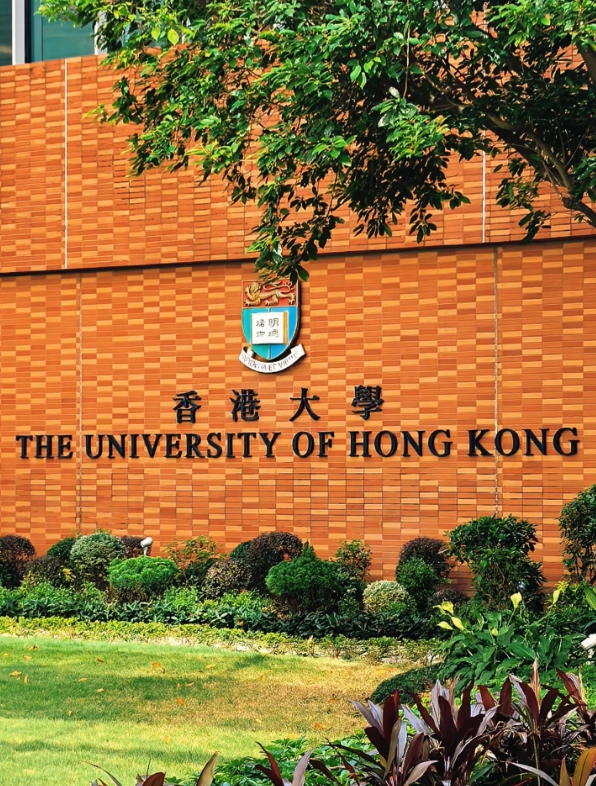
What to Eat in Hong Kong and Shenzhen: Local Specialties
Hong Kong: Egg Tarts, Milk Tea, and Roast Goose
Hong Kong is a street-food paradise, but you'll also find Michelin-starred dim sum. Try the classic items: egg puffs, pineapple buns, and milk tea with condensed milk. For roast goose, go to Yat Lok at 34/5 Hollywood Road — the meat is succulent and the skin crackles. For a budget-friendly Michelin experience, head to Tim Ho Wan (the branch in Kwun Tong or Tai Kok Tsui) and order the baked BBQ bun; it's euphoric.
Payment note: Most HK restaurants accept international cards, but small cha chaan tengs might only take cash or Octopus. Bring HK$500 for emergency use.
Shenzhen: Cantonese Seafood and Serious Spice
Shenzhen is a melting pot, and its food scene reflects it. Try the seafood at the Shuiwei night market (in the Shuiwei village) — it's a collection of lobster and oyster stalls that locals love. For a full Cantonese luncheon, book at Dangui Xuan (丹桂轩) in OCT — it's been a local favorite for two decades. If you're near Huaqiangbei, grab some Sichuan hot soup from one of the stalls; the numbing spice will wake you up.
Payment: In Shenzhen, you'll need WeChat Pay or Alipay. There's almost no way around it. Don't count on your Visa card at street stalls or even some restaurants.
Money and Payments: How to Pay Without Getting Stuck
This is the number one pain point for visitors. In Hong Kong, you can use your international credit card everywhere, but in Shenzhen, you'll face a cashless ecosystem that only works with WeChat Pay or Alipay. The solution: Set up Alipay or WeChat Pay with your foreign card before you fly.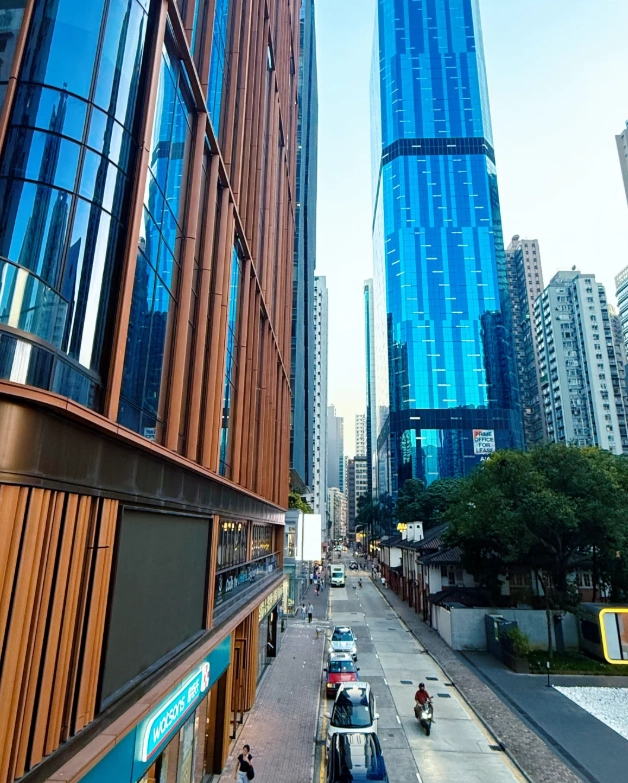
Here's how to do it:
- Download Alipay or WeChat from your app store.
- Link an international Visa, Mastercard, or Amex. Both apps now support foreign cards.
- For WeChat Pay, you'll need to find the payment section inside Settings — make sure you verify your identity with your passport.
- Once set up, test with a small payment at any store with a QR code. It should work instantly.
Some travelers worry about security, but both apps are safe and heavily regulated. I always advise keeping a small amount of cash for emergencies, but don't rely on it in Shenzhen — some shops refuse cash entirely, citing 'no change.'
Insider Tips and Common Mistakes to Avoid
-
Get a VPN before you land. You'll need it to access Google, Gmail, and many social media platforms while in mainland China. In Hong Kong, the internet is not fully blocked, but Shenzhen is a different story.
-
Download offline maps. On AMap Global (English) or Apple Maps, you can save offline areas of Hong Kong and Shenzhen. Google Maps won't save you here.
-
Keep your passport on you at all times. Border officials may stop you, and hotels require it for check-in.
-
Don't fall for currency exchange counters at the airport or border — you'll get a terrible rate. Use your Alipay-linked card to withdraw cash from a local ATM when needed.
-
Avoid crossing the border on Sunday afternoon. That's when millions of Shenzhen residents return from Hong Kong shopping trips, and the queues at Lo Wu can eclipse an hour.
Insider Advice: If you're planning to take the high-speed rail between Hong Kong and Shenzhen, book your ticket on Trip.com at least 24 hours in advance. It's the only platform I've found with a truly English interface, and you can scan your passport at the self-service machine instead of waiting in the paper ticket line.
FAQ: Your Hong Kong and Shenzhen Trip Questions, Answered
Fact-Check Statement
Verified and fact-checked by the editorial team. This content has been fact-checked to ensure informational precision.







No comments yet.