 Ming Yang
Let me cut to the chase — I've been guiding travelers through Anshun for years, and most of them arrive at the wrong time. They book flights in August, only to find themselves staring at a brown, muddy Huangguoshu Waterfall and dodging umbrellas in a downpour. That's not a vacation; that's a soggy regret. So, when is the best month to visit Anshun? After countless trips, I can tell you it's not what the travel forums claim. October is my absolute favorite — here is why, plus a month-by-month breakdown so you can make your own call.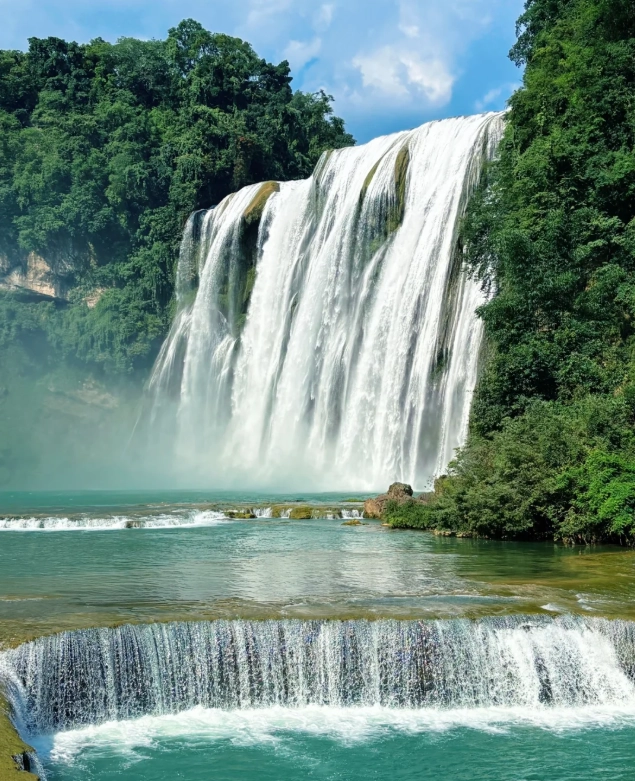
What Is the Best Month to Visit Anshun?
In my opinion, the best month to visit Anshun is October — specifically the first three weeks. Here is the deal: the heavy monsoon rains have just stopped, the waterfall is still roaring, and the water is relatively clear. Temperatures hover around 15–22°C (59–72°F), which is perfect for hiking. You also sidestep the Chinese National Day holiday if you go after October 7th, avoiding the biggest domestic travel rush of the year.
But October isn't perfect for everyone. If you want to see the waterfall at its most powerful, August might tempt you. Yet you'll face 70% humidity and daily thunderstorms. If you prefer crisp, cold weather and don't mind a smaller waterfall, December and January are serene. So the "best" month really depends on your priorities.
To help you decide, I've broken down the year month by month below.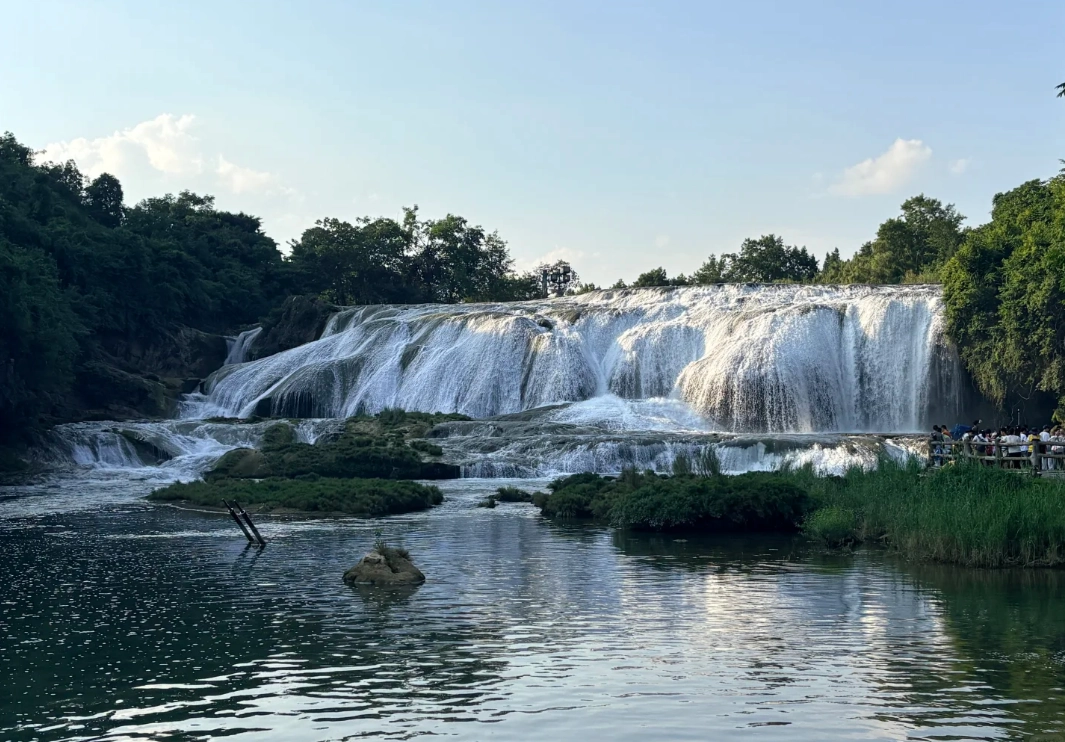
Anshun Weather: How Does the Rain Affect Your Visit?
Anshun has a subtropical humid monsoon climate. The rainy season spans from May to October, with June and July getting the most rainfall — sometimes over 200mm per month. During those months, you'll likely see daily downpours, and the water level of Huangguoshu rises dramatically, but the water turns muddy and the viewing platforms get crowded.
Here's a quick monthly snapshot of what to expect. I've used rough ranges common from local weather data.
| Month | Rainfall Level | Avg Temperature | Crowd Level | Waterfall Condition |
|---|---|---|---|---|
| January | Low | 4–10°C | Low | Clear, moderate flow |
| February | Low | 6–12°C | Low | Similar to January |
| March | Medium | 10–17°C | Low | Nice, water picking up |
| April | Medium | 15–21°C | Medium | Good flow, often clear |
| May | High | 18–24°C | Medium | Strong but may be dirty |
| June | Very High | 21–26°C | High | Huge flow, brown water |
| July | Very High | 22–27°C | Very High | Muddy, overcrowded |
| August | Very High | 21–27°C | Very High | Muddy, monsoon peak |
| September | High | 19–25°C | Medium | Drying up, improving |
| October | Medium | 14–20°C | Medium (after 7th) | Clearer, great flow |
| November | Low | 10–15°C | Low | Clear but reducing |
| December | Low | 5–10°C | Low | Clear, quiet |
As you can see, October offers the sweet spot: rain is tapering off, temperatures are comfortable, and the waterfall hasn't thinned too much yet.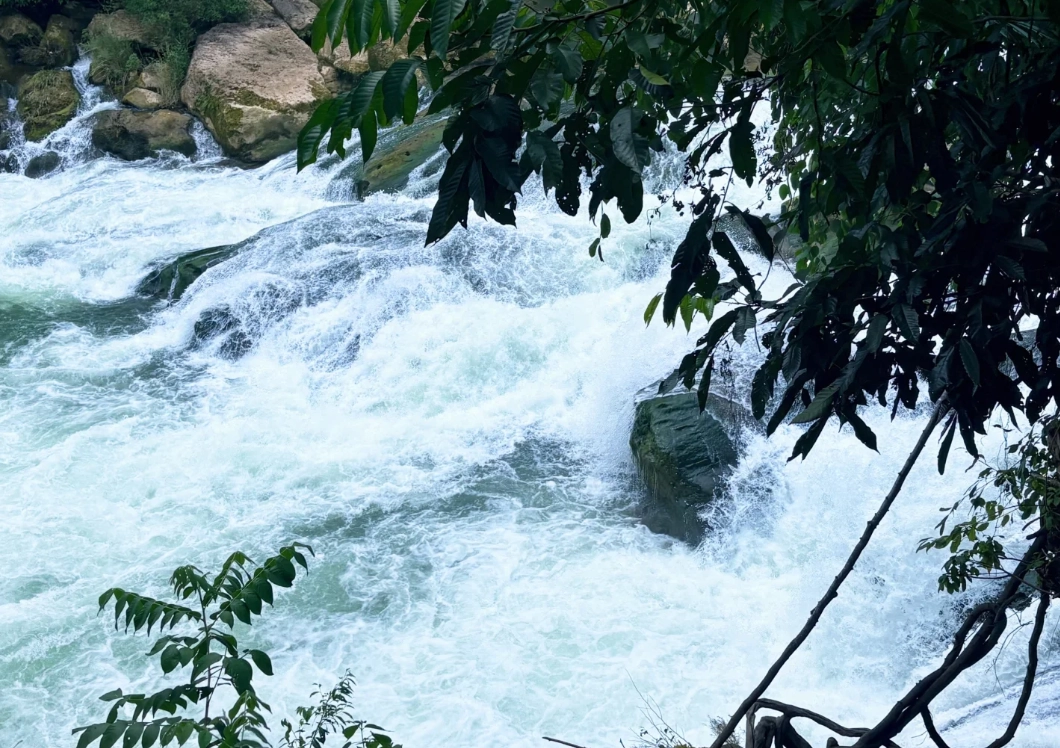
My Personal Pick for Ideal Month
I always send my clients to Huangguoshu Waterfall in mid-October — around October 10 to 20. Here's the inside scoop: the tail end of the rainy season means the waterfall still thunders, but the silt has had two weeks to settle, so the water turns a beautiful jade green instead of chocolate brown. The weather is crisp, and the low humidity makes hiking from the viewing platforms to the Water Curtain Cave comfortable.
One more reason I love October: the light. In summer, the sun is harsh and overhead, creating harsh shadows in your photos. In October, the sun sits lower, and mornings give you a soft golden glow — perfect for that classic shot of the waterfall with a rainbow.
Pro Tip: Head straight to the Water Curtain Cave (behind the waterfall) in the first hour after the park opens. The cave is narrow, and tour groups flood in from 10 AM. I usually tell my clients to enter Huangguoshu at 8 AM sharp — and they thank me later.
But what about the rest of the year? Let's be realistic about the off-season trade-offs. In December, visitor numbers plummet, but the waterfall flow is reduced to a fraction — still beautiful, but not the "roaring monster" you see in summer. If you're okay with that, you'll have the place almost to yourself.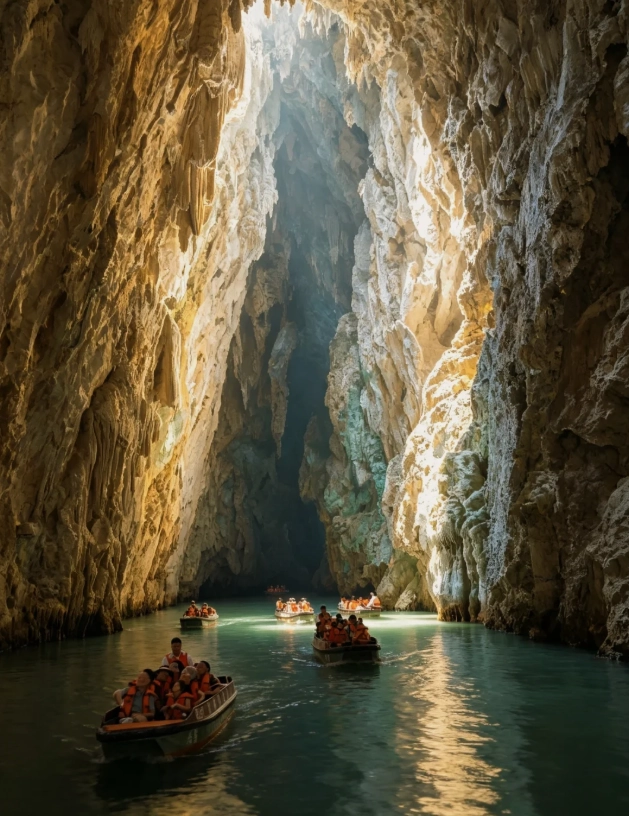
How to Avoid the Crowds and Rain in Anshun
Even in October, you can't completely avoid surprises. Here are the mistakes I've seen every first-time visitor make — and how to dodge them.
1. Booking Tickets at the Gate
This is the biggest blunder. Anshun's major attractions — Huangguoshu, Longgong (Dragon Palace), and Tunpu villages — now require real-name registration and advance booking. As a foreigner, trying to navigate the WeChat mini-program in Chinese is a nightmare. Don't panic — use Trip.com or Klook to book tickets with your passport. You can even book add-on shuttle buses. Do this at least two days before your visit during holiday periods.
2. Relying on Google Maps
Google Maps is useless in China. It's inaccurate and often plain broken due to restrictions. Instead, download AMap Global (also called 高德地图) or use Apple Maps if you have an iPhone. I always tell people to type the Chinese name — for example, "黄果树瀑布" — into the app so the taxi driver sees it correctly. Better yet, ask your hotel receptionist to write down the destination in Chinese characters.
3. Not Managing Your Money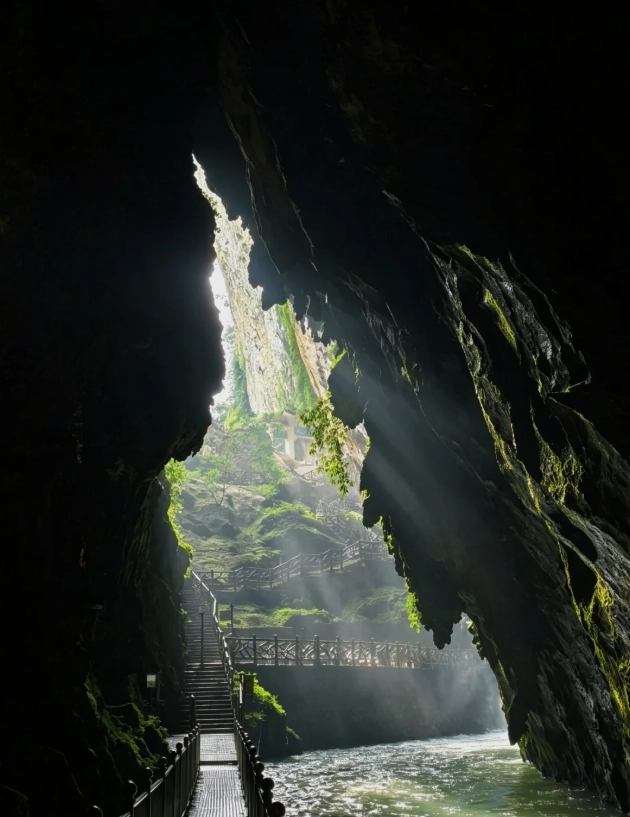
Almost every shop, restaurant, and ticket counter in Anshun accepts Alipay or WeChat Pay. Cash is increasingly rare, and international cards are usually rejected. Foreigners can link Visa/Mastercard to Alipay before arriving. If you're stuck, find a bank ATM with the UnionPay logo — those usually work with major foreign cards.
4. Forgetting a VPN
You won't be able to use WhatsApp, Instagram, Google, or many websites without a VPN. Get a reliable VPN and install it before landing in China. Also, download a translation app — Apple Translate or Baidu Translate work offline.
Getting around is easier than you think. High-speed rail from Guiyang to Anshun takes about 30 minutes. Book your seat on 12306.cn or via Trip.com. Once in Anshun, local buses run to Huangguoshu from the Anshun East Bus Station, but taxis and ride-hailing apps like Didi are more convenient for a group.
Insider Advice: In heavy rain, skip the outdoor sections of Huangguoshu and head to Dragon Palace (龙宫) instead — its boat ride through the karst caves is entirely sheltered! The cave lighting is enchanting, and you'll stay dry while still seeing something jaw-dropping.
Anshun Travel Tips for Each Season
If your schedule doesn't allow October, don't worry — every season has its charm. Here's how to adapt.
Spring (March–May)
Spring is ideal for wildflowers and fresh greenery. There's rain, but it comes in short bursts. The Tunpu villages (like Tianlong and Baojia) look especially gorgeous with canola flowers in March. Just pack a foldable umbrella. Late April often brings drier spells — a hidden sweet spot.
Summer (June–August)
Summer is hot, humid, and crowded, but the waterfall is at its mightiest. If you must go, target late August. The kids' school holiday ends around then, and domestic tourists taper off. Always go to the waterfall at 7 AM — you'll beat the worst of both rain and crowds. The altitude keeps temperatures around 25°C, so it's not brutally hot.
Autumn (September–November)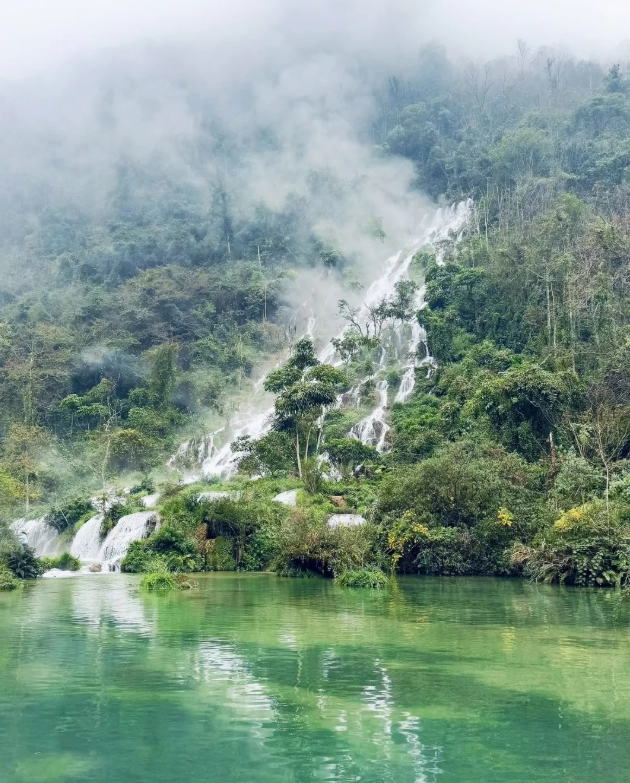
Without question, this is the golden window. Early September can still be wet, but by mid-September the weather starts stabilizing. October is the peak of perfection, and November offers a quiet, crisp end to the season. The autumn foliage around the waterfall is stunning.
Winter (December–February)
Winter is cold and dry, with crowds at their lowest. The waterfall flow is about a third of the summer volume, but the scenery is stark and peaceful. It's also the best time for warm local specialties like Anshun beef tofu custard (波波糖 and 安顺牛肉) in the old town. Just pack a puffer jacket — it can drop to 0°C at night.
For accommodation, I usually recommend staying in Anshun city center near the train station — you'll be close to onward transport and a good variety of restaurants. If you want to wake up next to the waterfall, the Huangguoshu Fall Resort is the top pick, but it books out months in advance for October.
Frequently Asked Questions About Visiting Anshun
Verified and fact-checked by the editorial team. This content has been fact-checked to ensure informational precision.







No comments yet.