 Ming Yang
- Why Anshun Belongs on Your Backpacking Route
- Getting to Anshun: Trains, Buses, and Rideshares
- Anshun Backpacking Hostels: Where to Stay on a Budget
- How Do You Beat the Crowds at Huangguoshu Waterfall?
- Beyond Huangguoshu: Hidden Gems for Backpackers
- Anshun Backpacker Budget: What You'll Actually Spend
- How Do You Navigate Anshun Without Google Maps?
- What to Eat in Anshun: Noodles, Sour Soup, and More
- 3-Day Anshun Backpacking Itinerary
- Safety and Practical Tips for Backpackers
- FAQ: Anshun Backpacking Questions, Answered
Ever had a moment when your bank card works everywhere except the one place you need it most? That was me, first time in Anshun, stuck at a bus station with zero cash and a broken card. But that's a story for later. Anshun, in Guizhou province, is a backpacker's dream if you know how to move. This guide is built from years of taking travelers through Huangguoshu Waterfall, ancient forts, and mountain villages. I've learned the hard way where the crowds hit, which apps to trust, and when to skip the tour buses entirely. Here's the deal: most tourists miss the best parts because they only visit Huangguoshu and leave. That's a mistake. Stick with me, and I'll show you the Anshun that locals love.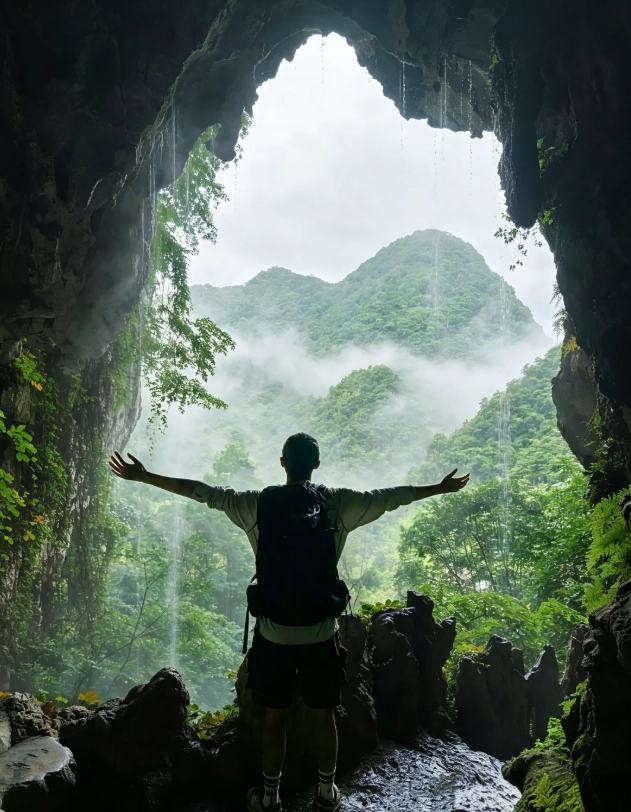
Why Anshun Belongs on Your Backpacking Route
Anshun is the perfect base for exploring Guizhou's two biggest draws: Huangguoshu Waterfall and the ancient Tunpu forts. Unlike Guiyang, the provincial capital, Anshun feels compact and easy to navigate. You get a slower pace, cheaper food, and direct buses to the main sights. Most travelers spend just a day trip from Guiyang, but that means rushing through Huangguoshu and missing the tranquil countryside. I always tell my clients to give Anshun at least two nights. The city itself has a laid-back vibe, with a riverside park and a lively night market. Plus, it's a gateway to lesser-known places like Dragon Palace Cave and the Miao and Buyi villages nearby.
One thing that surprises backpackers is how spread out the attractions are. You can't just walk from one to the next. But the transport network connecting them is solid, with public buses and minivans running regularly from the main station. I'll break down the exact routes later, so you won't waste time haggling with private drivers.
Getting to Anshun: Trains, Buses, and Rideshares
Anshun has a high-speed rail station that connects directly to Guiyang (about 30 minutes), Kunming (2.5 hours), and Guangzhou (5 hours). The train station is at the northern edge of town, and you can grab a taxi or DiDi to the center for around 20 yuan. If you're coming from Guiyang Longdongbao Airport, the fastest option is a direct airport coach or a high-speed train from the airport station. Budget travelers often take the slower K-type trains, but the time saving is worth the extra few yuan on the G trains.
Once in Anshun, your main hub is Anshun East Bus Station (客运东站). From there, buses leave for Huangguoshu every 20 minutes from 7am to 6pm, costing about 20 yuan. The ride takes roughly 40 minutes. For Dragon Palace, there's a direct bus from the south bus station. I recommend using DiDi (Chinese Uber) for inter-village trips if you're in a group of two or more — it's barely more expensive than the bus and way faster.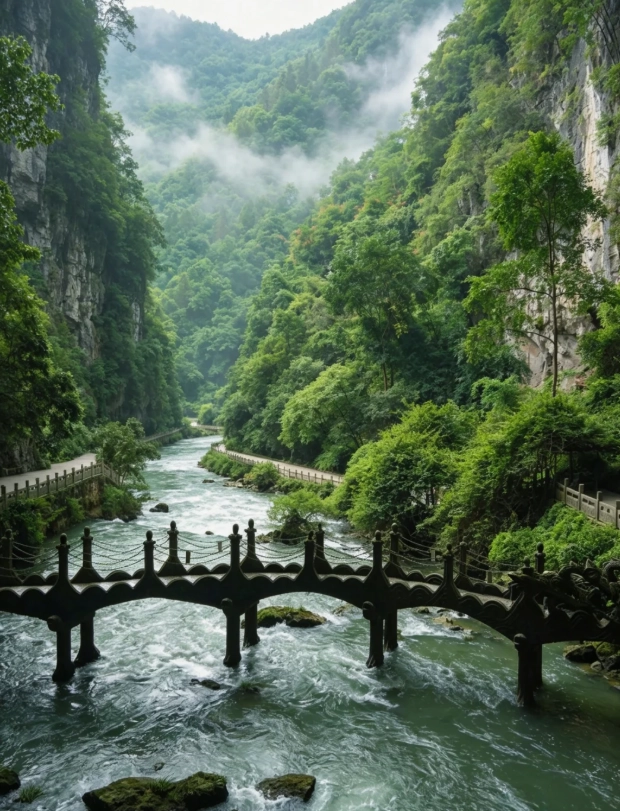
Pro Tip: Buy your train tickets via the official 12306 app or Trip.com. The 12306 app requires a Chinese ID for full access, but foreigners can use Trip.com's English interface to book the same trains. Always carry your passport when traveling.
Anshun Backpacking Hostels: Where to Stay on a Budget
Anshun's accommodation scene is growing fast, but it's still cheaper than Guiyang. You'll find hostels near the railway station and budget hotels in the old town around Nanmen. For backpackers, the best area is the west side of the city near the Hongshan Park, where several new hostels have opened. They offer dorm beds from 50 yuan and private rooms from 120 yuan — at least that was the range when I last checked. But prices fluctuate, so always verify on booking sites.
Here's a comparison of the main stays:
| Area | Typical Price | Pros | Cons | Best For |
|---|---|---|---|---|
| Railway Station | Dorm 40-60 yuan | Easy arrival, near buses | Noisy, far from nightlife | Overnight transfers |
| Old Town (Nanmen) | Budget room 100-160 yuan | Historic feel, street food | Older buildings, thin walls | Budget travelers who want culture |
| Hongshan Park Hostel Area | Dorm 50-80 yuan | Lively backpacker vibe, Wi-Fi strong | 20-minute walk to old town | Solo travelers and young groups |
I personally always book through Hostelworld or Booking.com for the free cancellation. Some hostels require you to contact them directly for passport registration — that's a standard police requirement. Make sure your accommodation accepts international cards or is OK with Alipay. Most small places only accept Wexin Pay or cash, so have a backup plan.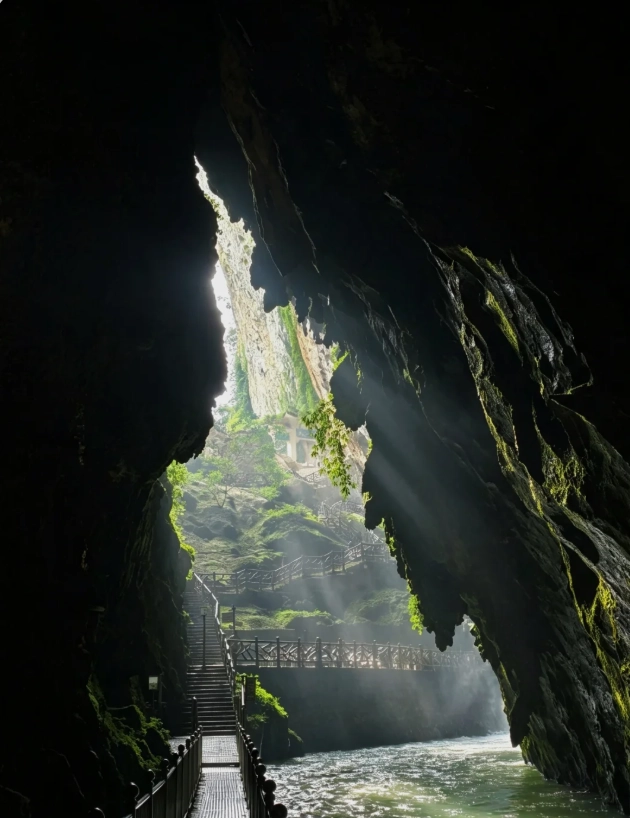
How Do You Beat the Crowds at Huangguoshu Waterfall?
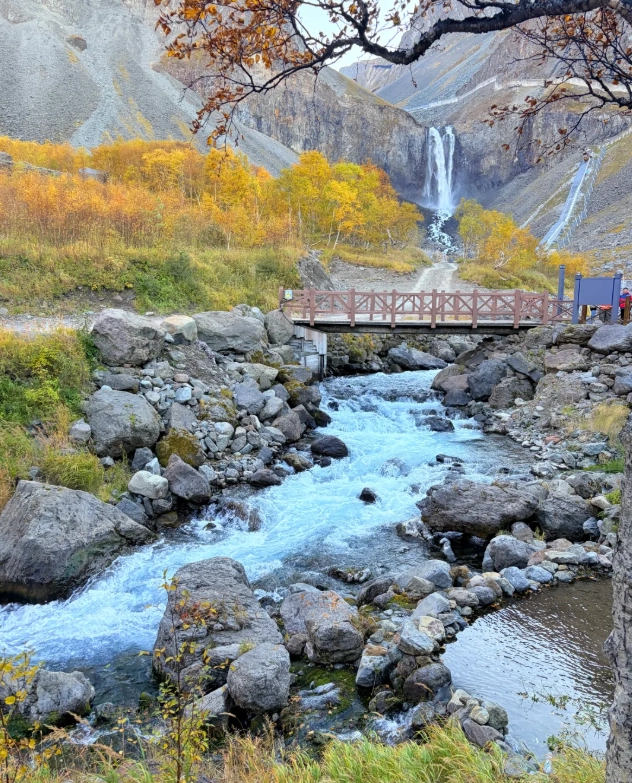
Huangguoshu is the reason 90% of backpackers visit Anshun, and it's worth the hype. This massive waterfall (77.8 meters tall and 101 meters wide) is the largest in Asia. The main viewing platform gets absolutely packed from 10am to 3pm, especially on weekends and Chinese holidays. I've seen lines of 500 people just to get into the Water Curtain Cave (the tunnel behind the falls).
Here's the trick: go early. The park usually opens around 7:30am. Enter at the main gate, head straight for the waterfall viewpoint, and you'll have it nearly to yourself before the tour buses arrive. By 9am, it's crowded. Also, consider going on a weekday. Sundays are insane.
The ticket price has changed a few times. As of my last visit, it was around 160 yuan for the combined Huangguoshu scenic area (including the main falls, the Doupotang Waterfall, and the Tianxingqiao area). But you need to book in advance — the official WeChat mini-program often requires a Chinese phone number. For foreigners, the easiest way is to book through Trip.com or Klook. You'll need your passport number. Look for combined tickets that include the eco-car (the shuttle that takes you between the three sites) — it's mandatory and costs an extra 50 yuan.
Insider Advice: Bring a raincoat or a light poncho. The spray from the falls will soak you within minutes. There's no locker for large bags, so pack light. Also, the walking paths are steep and wet; wear shoes with grip. The whole scenic area takes 4-6 hours if you take it at a relaxed pace. If you're short on time, skip Doupotang — it's beautiful but less dramatic.
Beyond Huangguoshu: Hidden Gems for Backpackers
Anshun is more than just a waterfall. The Tunpu (屯堡) villages are a century-old legacy of Ming Dynasty soldiers, with unique architecture and customs that barely get mentioned in Western guides. Head to Tianlong Tunpu (天龙屯堡) about 30 kilometers west of Anshun. You'll see stone-street houses, women in traditional costumes (look for their embroidered shoes), and a fortress that feels frozen in time. Entry is around 60 yuan. The bus from Anshun East Station takes about an hour, but I've found it easier to take a DiDi there — it costs roughly 80-100 yuan and saves a lot of hassle.
Another favorite is Dragon Palace (龙宫), a karst cave system with a boat ride through underground rivers. It's less hyped than Huangguoshu but equally impressive. The entrance fee is about 150 yuan and it's reachable by bus from Anshun South Station. The cave is cool, even in summer, so bring a light jacket.
For real off-the-beaten-path vibes, rent a bike or scooter and ride along the Dabang River. You'll find tiny Buyi minority villages where locals still weave fabric by hand. No ticket, no crowds — just a human connection that I genuinely cherish. Just be aware that roads can be bumpy.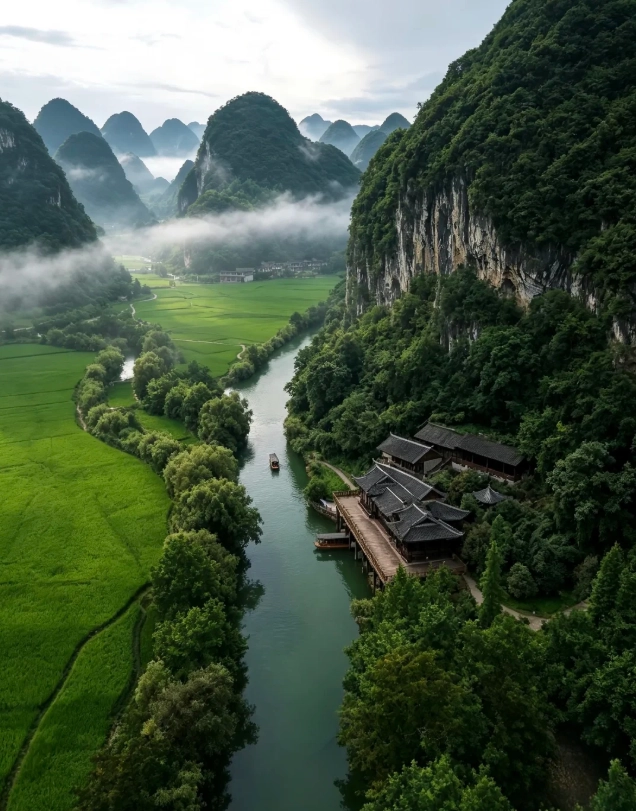
Anshun Backpacker Budget: What You'll Actually Spend
To be honest, Anshun is one of the cheapest places to backpack in China if you stick to the locals' routine. On a tight budget, you can get by with 250-300 yuan per day, covering dorm stays, street food, and public transport. If you want private rooms and nicer sit-down meals, plan on 400-500 yuan daily. Here's a rough breakdown:
- Dorm bed: 50-80 yuan
- Budget private room: 120-180 yuan
- Street meal (noodles, jianbing): 10-20 yuan
- Sit-down dinner for two: 80-120 yuan
- Local bus within city: 2 yuan
- DiDi ride across town: 15-25 yuan
- Huangguoshu combined ticket + eco-car: 200-250 yuan
Most attractions accept mobile payments only at the gate. Your Alipay tied to a foreign card will work, but make sure you have a backup like cash. I always carry 300 yuan in cash for small vendors and bus fares.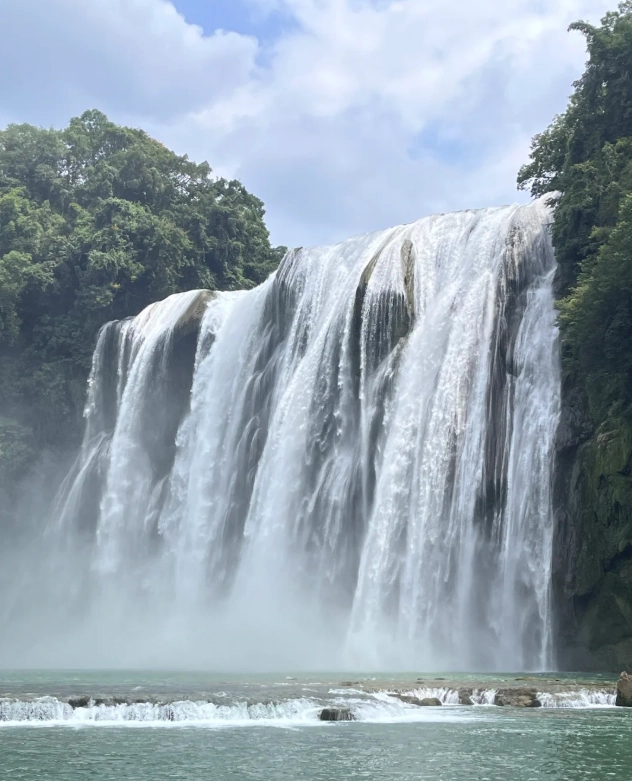
How Do You Navigate Anshun Without Google Maps?
Google Maps is useless in Anshun — it barely shows accurate bus lines. Here's what actually works. For navigation, Apple Maps works well on iOS, but the best option is to download AMap (高德地图) and switch it to English in the settings. AMap has public transit routes and real-time taxi hailing. If you're not comfortable reading Chinese, show the driver the Chinese address for your destination — I'll include key ones below.
For ride-hailing, DiDi is the go-to. It supports Alipay and international cards if you set it up. You can also use Ctrip's taxi service in some areas. For intercity buses, expect to pay cash on the bus, so keep small bills. When using trains, always book via Trip.com to avoid the 12306 language barrier. And don't forget a VPN — many Western apps and websites won't load on Chinese Wi-Fi without one.
| Place | Chinese Characters | Pinyin |
|---|---|---|
| Anshun East Bus Station | 安顺市东客运站 | Ānshùn Kèyùn Dōngzhàn |
| Huangguoshu Visitor Center | 黄果树景区游客服务中心 | Huángguǒshù Jǐngqū Yóukè Fúwù Zhōngxīn |
| Tianlong Tunpu | 天龙屯堡 | Tiānlóng Túnpù |
| Dragon Palace | 龙宫 | Lónggōng |
What to Eat in Anshun: Noodles, Sour Soup, and More
Anshun's food is a spicy, tangy revelation. The signature dish is suantang (酸汤) — a sour vegetable soup that can be made with fish or pork, usually served with rice. You'll find it everywhere. Another must-try is guamian (波波糖), a maltose candy that's a local gift favorite. There's also a unique type of rice noodle called hua jia fen (花甲粉) from the street stalls.
For a proper local breakfast, hit the morning market near Nanmen. Watch the vendors pull fresh noodles and dip them in chili oil. My personal go-to is a tiny shop on Zhongshan Road that serves the most perfect beef noodles — but the name changes, so just aim for the line.
Vegetarian travelers might struggle, but ask for "su de" (素的) and you'll get a vegetable-only version of most soups. Look for signs with a green leaf. Also, don't miss the night market along Guofeng Road — skewers of grilled everything, from quail eggs to tofu.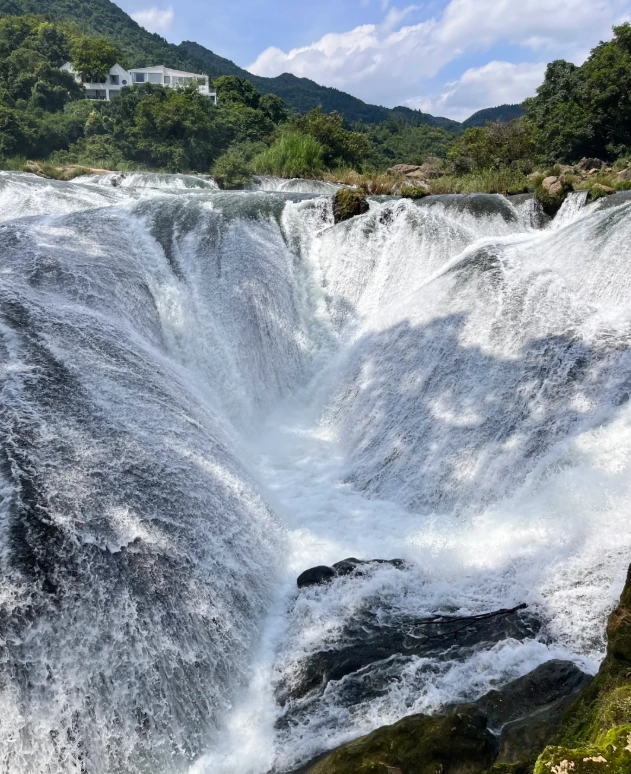
3-Day Anshun Backpacking Itinerary
This route hits the highlights without burning you out. Tailor it if you have more or less time.
Day 1: Arrive and Acclimate
Start with a morning train from Guiyang to Anshun. Check into your hostel, then wander the old town for lunch. Visit the Confucius Temple (30 yuan) and the riverfront park. In the evening, catch a bus to the Hongshan Park night market for dinner.
Day 2: Huangguoshu Marathon
Begin early — breakfast at 7am, bus by 7:30. Spend the whole day at Huangguoshu. If you're done by 2pm, you can squeeze in the Tunpu village on the way back, but that's a lot. I'd rather relax and leave it for day 3.
Day 3: Tunpu and Dragon Palace
In the morning, visit Tianlong Tunpu. After lunch, head to Dragon Palace if you still have energy, or simply stroll the market for souvenirs. Catch a late train out.
This schedule assumes you're not bringing your entire life in a 70L pack. If you have 5 days, add a day in the Miao village of Pingba and a hiking day in the nearby mountains.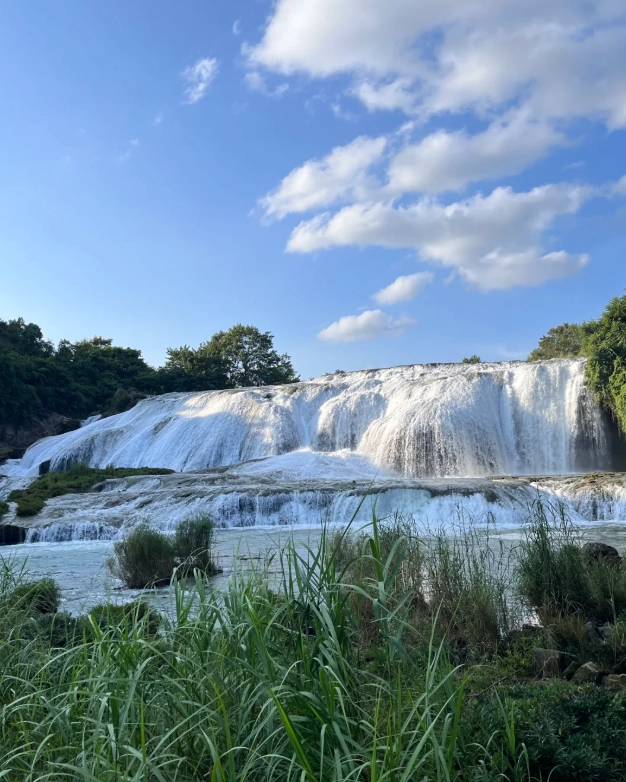
Safety and Practical Tips for Backpackers
Anshun is generally safe, even for solo travelers, but the usual precautions apply. Keep an eye on your belongings at the bus station — pickpockets have been known to operate there. At Huangguoshu, watch where you step; the paths are slippery from the mist. If you're hiking in the mountains, inform someone of your route.
Health wise, carry your own tissues and hand sanitizer — public restrooms aren't always stocked. Tap water isn't drinkable, so use bottled water. The altitude is moderate (about 1,400 meters) but you might feel it if you're coming from sea level. Drink lots of water and don't push too hard on day one.
For visas, a standard L-visa (tourist visa) is all you need. You can often get a 15-day visa-free entry if you're transiting, but the rules change, so check the Chinese embassy website before you go.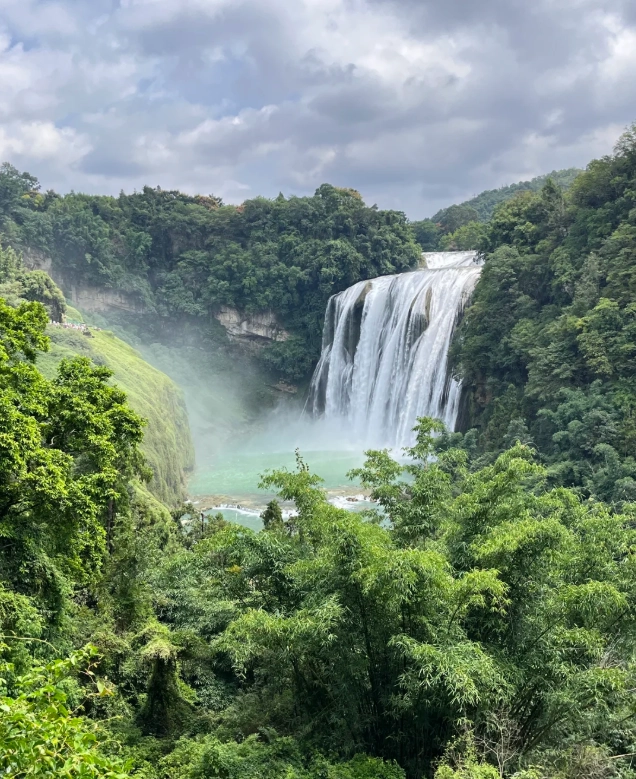
FAQ: Anshun Backpacking Questions, Answered
Verified and fact-checked by the editorial team.






No comments yet.