 Lei Li
Quick Jump – What You Actually Need
I've been guiding international visitors into China for over a decade. And honestly? Every week someone shows up at the airport missing a key document or holding the wrong visa. The official websites are dry, and the advice scattered across forums is half outdated.
So here is the no-fluff, ground-truth guide to getting into China — including the annoying quirks no travel blog warns you about.
Visa Basics – Don't Assume Anything
First hard truth: China does not offer visa on arrival for most nationalities. Unless you hold a passport from Singapore, Brunei, Japan (certain cases), or a few other countries with mutual agreements, you need to apply before you fly.
My rule of thumb: even if you're eligible for the 144-hour transit policy, don't rely on it unless you have a confirmed onward ticket and are certain your itinerary qualifies. I've seen travelers detained because they assumed their layover was long enough but they didn't exit through the correct port.
Common Visa Types You'll Likely Need
| Visa Type | Purpose | Typical Duration | Key Requirement |
|---|---|---|---|
| L (Tourist) | Sightseeing, short stays | 30 days single/double entry | Flight bookings, hotel confirmations, itinerary |
| M (Business) | Meetings, trade fairs | 30–90 days | Invitation letter from Chinese company |
| F (Exchange/Visit) | Short-term study, cultural exchange | 30–90 days | Invitation from host institution |
| X1 (Student) | Study over 180 days | Valid for 30 days after entry, then convert to residence permit | Admission letter + JW202 form |
Here's the catch: processing times vary wildly. In summer (May–August), Chinese visa centers are swamped. Apply at least 4 weeks ahead. I always tell my clients: “if you're flying in 2 weeks and don't have a visa yet, reschedule.”
Health Declaration – The Digital Puzzle
Post-2020, every traveler must complete a Health Declaration Form via the China Customs mini-program (WeChat) or the official website. This is mandatory even if you feel fine.
Here's the pain point: the mini-program is entirely in Chinese. Foreigners without WeChat (or with an unlinked account) struggle. You can fill out an English version on health.customsapp.com — bookmark it before you fly.
Don't be that guy: I watched a family scramble at Shanghai Pudong because they hadn't completed the form and the airport Wi-Fi needed a Chinese phone number to connect. Do this before you enter the customs line. If you can't connect, ask any airline staff — they usually have a hotspot.
Documents Checklist – What to Print
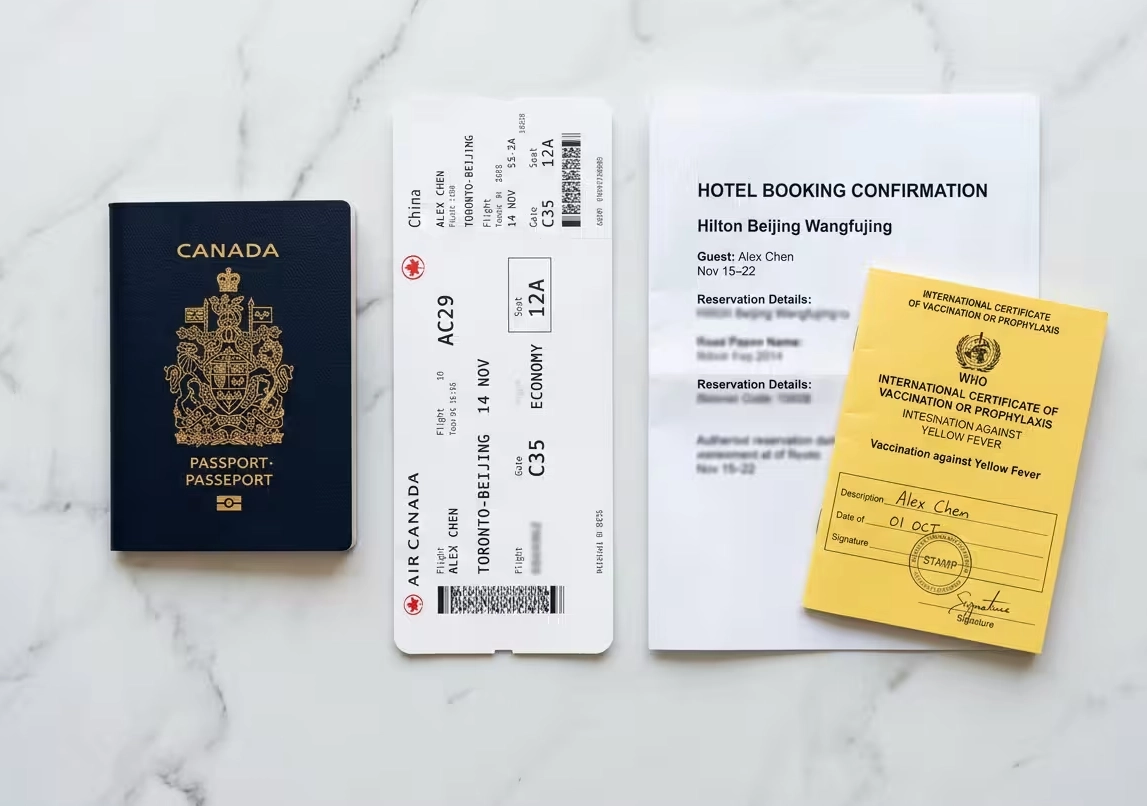
Digital copies are convenient, but Chinese immigration often asks for physical paper. Here's what I carry in a clear folder for every client:
- Passport with at least 6 months validity and two blank visa pages.
- Visa (if required) – check that the name matches exactly.
- Flight itinerary (printed) – showing entry and exit.
- Hotel bookings for every night – some officers count them.
- Health Declaration QR code – screenshot or printed.
- Travel insurance – not mandatory but recommended; they may ask if you look nervous.
- Invitation letter if on business or visiting family.
One more thing: photocopies of your passport and visa. If you lose your passport, the embassy needs these. And your hotel might need a copy for check-in.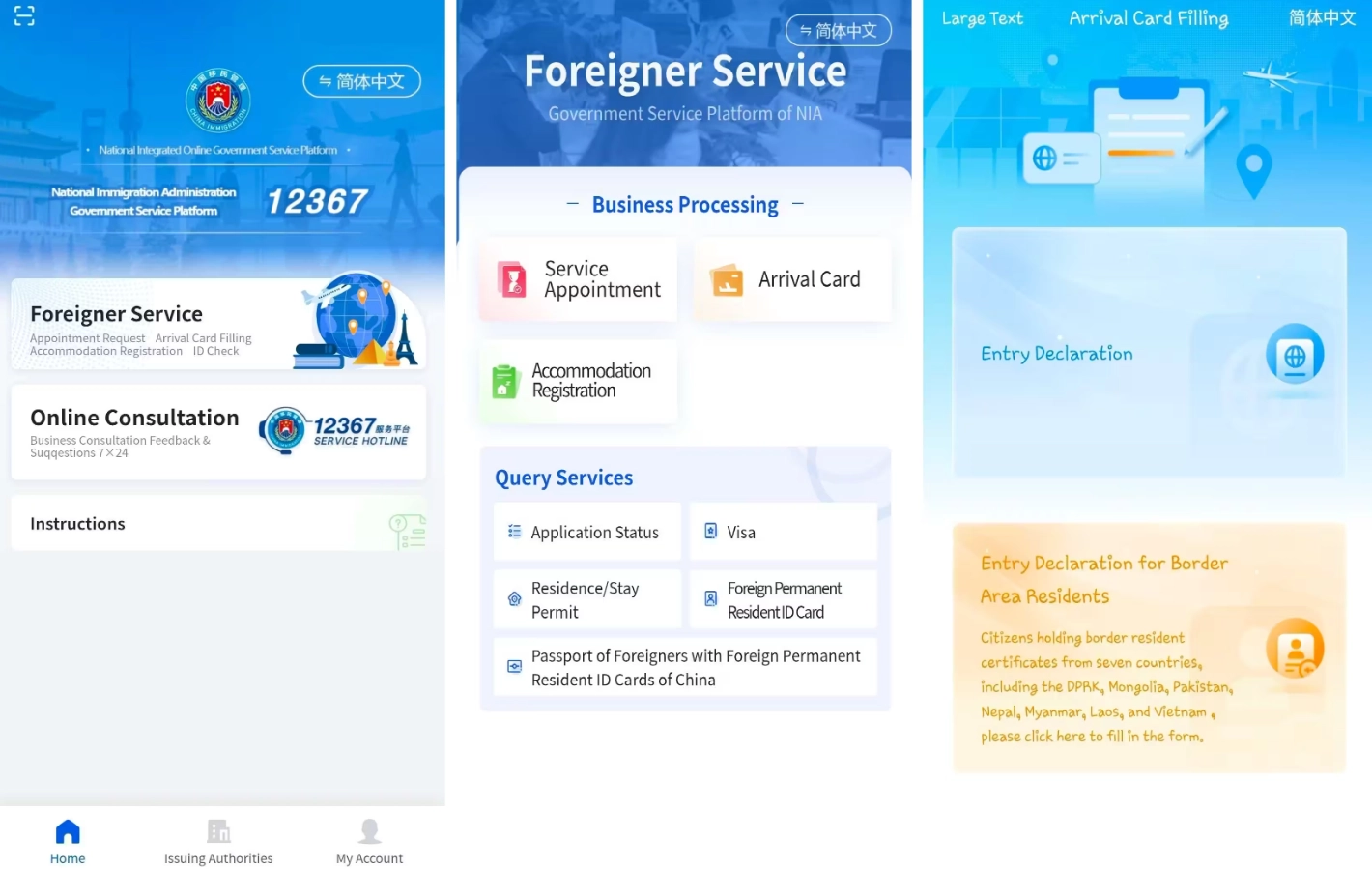
Banned Items – Surprising No-Nos
Beyond obvious things like weapons and drugs, China bans several items that travelers often slip into luggage:
- Fruit, seeds, soil – agricultural quarantine is strict.
- Ham or pork products – even from Europe, due to African swine fever.
- Cultural relics – any antique without a certificate.
- Religious materials (e.g., Bibles) in large quantities – personal use is fine, but bulk can be considered distribution.
My embarrassing moment: I once packed a jar of homemade jam from Italy. Customs stopped me for 20 minutes questioning whether it was food or something else. Save yourself the hassle—buy gifts after you land.
Common Mistakes – I've Seen These Ruin Trips
Let's cut to the chase. New travelers trip over these again and again:
- Ignoring the 24-hour registration rule. If you stay in a hotel, they register you automatically. But if you rent an apartment or stay in a private home, you must go to the local police station within 24 hours. Failure can lead to fines and trouble when leaving.
- Overstaying even one day. Overstay penalties are ¥500 per day (max ¥10,000). I've had clients miss their flights because they had to pay at immigration.
- Assuming your credit card works. China is cashless. You need Alipay or WeChat Pay linked to an international card. Without it, you can't buy a metro ticket or a bottle of water.
- Not having a VPN. Google, WhatsApp, Instagram, and Facebook are blocked. If you rely on Google Maps for navigation, you're lost. Install a reliable VPN before leaving home. I recommend Astrill or ExpressVPN.
Pro tip about navigation: Apple Maps works okay in Chinese cities, but for taxi drivers, always have your destination written in Chinese. Pull up the address on a Chinese app like Gaode (auto-translates) and show the screen.








No comments yet.