 Ling Wu
Jump To The Part That Matters
I’ve been guiding tourists in China for over eight years. Almost every visitor lands with one huge headache: getting a working SIM card. The airport shop queues, the WeChat mini-programs in pure Chinese, the moment your international roaming stops working — I’ve seen it all. Let me save you the pain. This isn’t some generic guide; it’s what I actually tell my clients before they even board the plane.
Where to Buy a Chinese SIM Card (Don’t Overthink This)
You have exactly three realistic options. Ranked from easiest to most annoying:
| Location | Pros | Cons | My Take |
|---|---|---|---|
| Airport (Arrival Hall) | Immediate, staff handle registration, English possible | Pricier (50-100 RMB markup), limited plan choices | Best for first-time visitors. Bite the bullet and pay extra for convenience. |
| Official Brand Store (in city) | Cheaper plans, more options, better service | Need to find one, longer process, Chinese-only forms often | Only if you have a local friend or a good translation app. |
| Online Pre-order (e.g., Trip.com, Klook) | Pick up at airport, fixed price, English support | Must pre-order, sometimes require deposit | Good for the organized planner. I recommend this often. |
Which Carrier & Plan Should You Pick?
Here’s the thing: you don’t need a year-long contract. Tourists want prepaid SIM cards — pay as you go, no commitment. These are called “流量卡” (data cards) or “旅游卡” (tourist cards).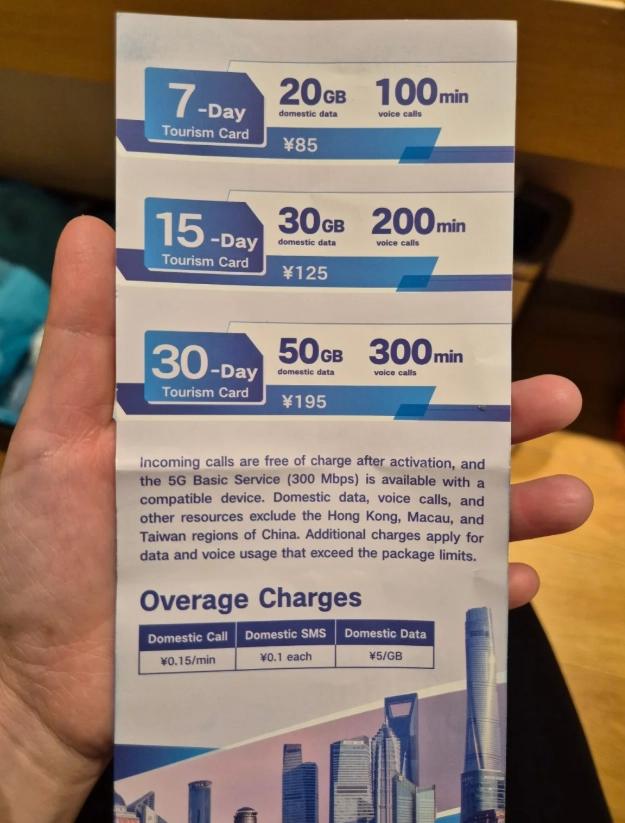
Best Plans for Short Stays (7–30 days)
| Carrier | Plan Name | Data | Validity | Price (RMB) | Notes |
|---|---|---|---|---|---|
| China Unicom | Tourist Card | 20GB | 15 days | 128 | Includes some local calls |
| China Mobile | Easy Go | 30GB | 30 days | 198 | Best value for longer stay |
| China Telecom | Travel SIM | 15GB | 10 days | 98 | Cheapest entry point |
Most airport counters sell these exact plans. If you want a bundled offer with a few local minutes, ask for “包含通话的套餐”. But honestly, with WeChat voice calls, you barely need minutes.
Activation Hassle — The Part Nobody Warns You About
Here’s the dirty secret: even after buying the SIM, you’re not online yet. China requires real-name registration linked to your passport. The salesperson will take a photo of your passport and sometimes a selfie. This process is smooth if you let them do it. Do not try to activate online yourself — the English portal often fails, and you’ll be stuck in an endless loop.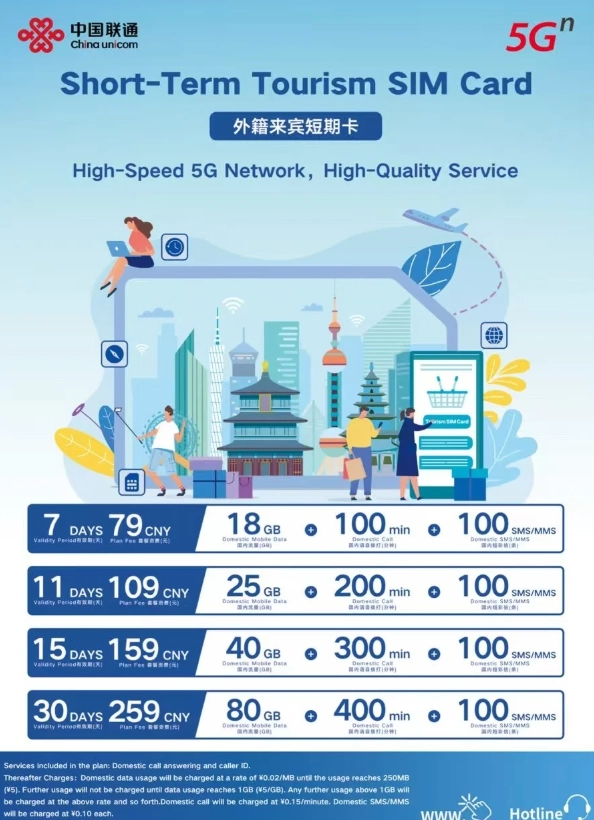
5 Mistakes That Will Cost You Time and Money
I’ve watched tourists make these errors over and over. Here’s what to avoid:
1. Thinking your home SIM’s international roaming is enough. It works, but it’s slow and expensive (often 10 RMB/MB). Plus, Google Maps and many apps are blocked. You need a local SIM to access the real Chinese internet (including VPN-friendly data).
2. Buying from a random electronics stall. Those cheap “unlimited data” cards? Half the time they’re throttled after 1GB or deactivated within a week. Only buy from China Mobile, China Unicom, or China Telecom official outlets.
3. Not bringing your passport. No exceptions. Every SIM purchase requires passport registration. A photocopy won’t work. Keep your passport handy when you land.
4. Choosing a plan with too little data. You’ll use more than you think — WeChat, maps (even Apple Maps), news, translation apps. Aim for at least 15GB for a 10-day trip. I always tell clients: ‘Go for the 30GB plan, you won’t regret it.’
5. Forgetting to test the card before leaving the store. Before you walk away, insert the SIM and make a quick call or open a website. If it doesn’t work, the staff can fix it right there. Once you’re in a taxi, you’re on your own.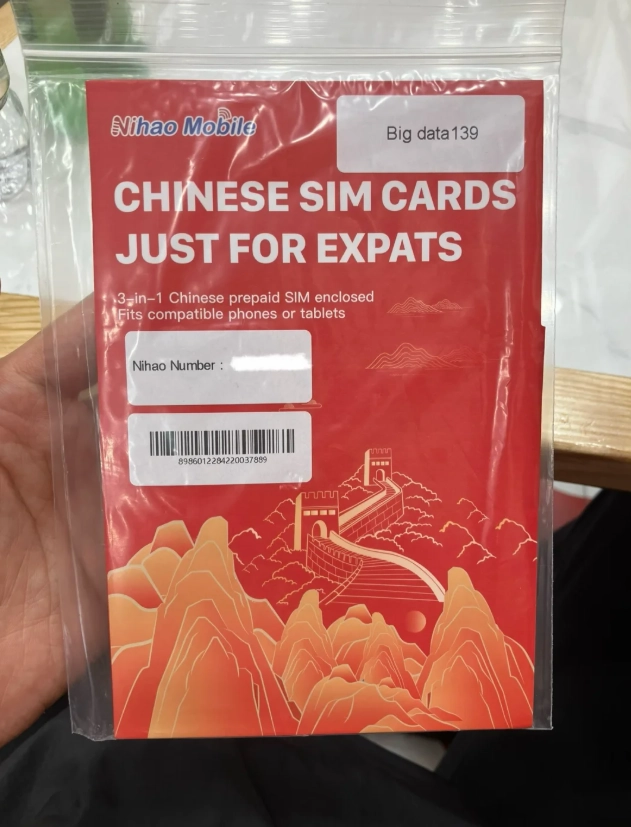
Your Questions, Answered
Verified and fact-checked by the editorial team.








No comments yet.