 Chen Liu
What You'll Learn
I still remember my first trip to Wudang Mountains in August. It poured rain so hard that the temple steps turned into a waterfall. My shoes squelched for hours. That was the moment I understood why timing is everything here.
Now I've led dozens of groups up the sacred peaks, and I've seen it all — from sunburnt tourists in June to shivering hikers in December. The best time to visit Wudang Mountains isn't a single date on the calendar. It's a sweet spot that balances weather, crowds, and your own travel style.
Here's the short answer: plan for late April to early May, or late September to early October. These windows give you clear skies, mild temperatures, and relatively few tour groups. And always book your ticket on Trip.com or the official WeChat account at least a week in advance.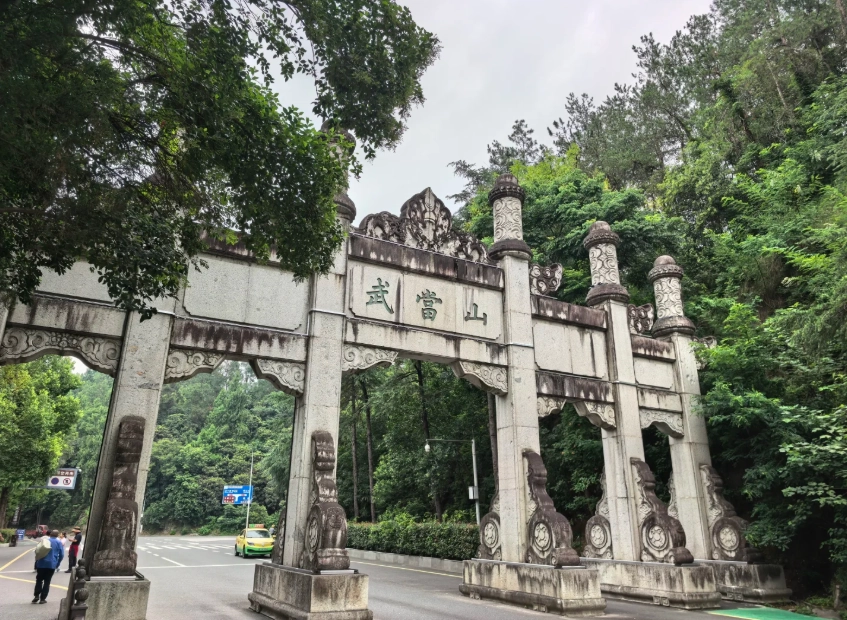
Why Timing Matters for Your Wudang Mountains Trip
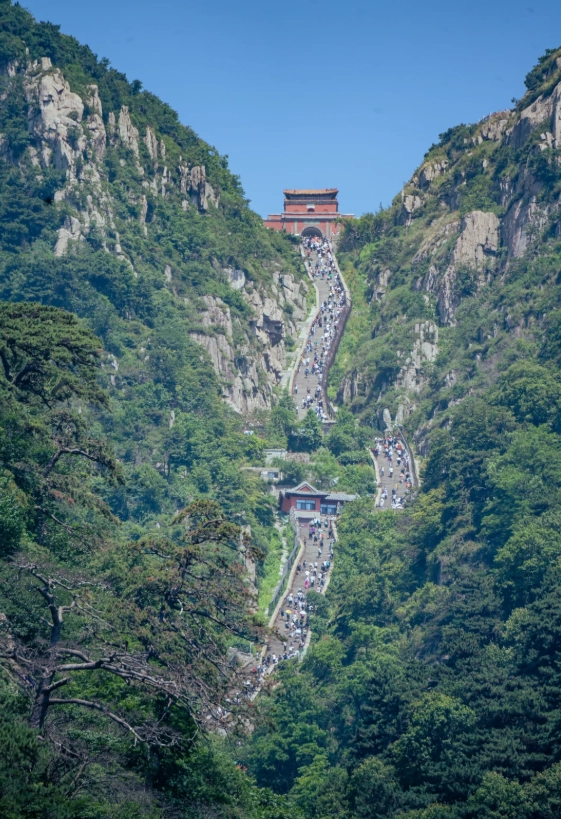
Wudang Mountains isn't just a sightseeing stop; it's a hiking destination. The weather directly affects your safety and comfort on the stone stairways. Rain makes the paths slippery; summer heat drains your energy; winter ice can close sections of the trail. And let's be honest — fighting through tour groups on a narrow ridge cuts the magic.
I always tell my clients: the mountain will still be there, but your experience won't be the same if you arrive at the wrong time. Let me break down each season so you can decide.
Best Time to Visit Wudang Mountains: Season-by-Season Breakdown
Spring (April to May): The Golden Window
Spring is my favorite time here. The weather is mild — around 15-25°C — and the hills burst into green after the rain. April brings peach blossoms, and May is still comfortable before the summer heat. The downside? This is also Chinese travel peak season, especially during the Labor Day holiday (early May). If you can sneak in mid-April or late May, you'll have near-ideal conditions.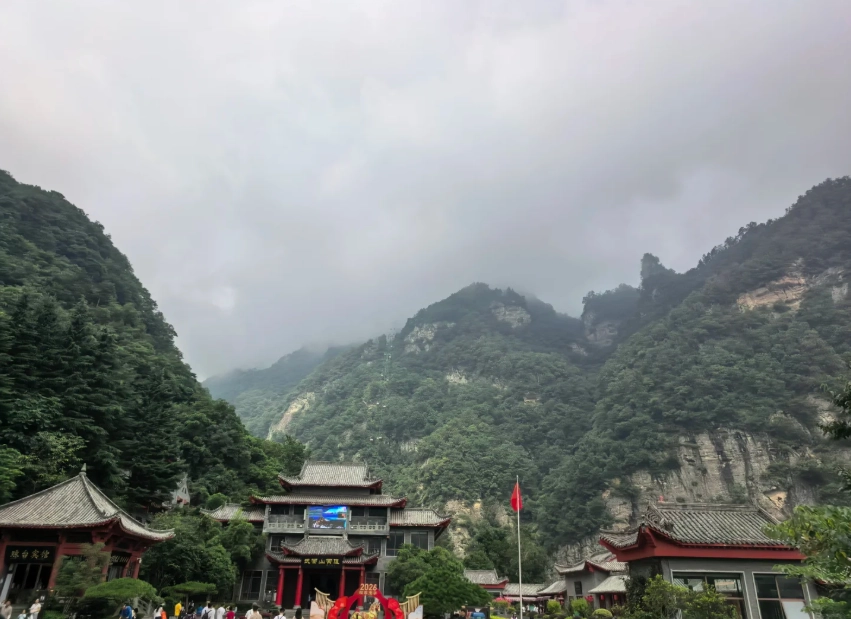
Pro Tip: The valley fog in the early morning is spectacular. Stay overnight at the foot of the mountain and catch the first cable car up.
Summer (June to August): Hot but Lush
Summer is hot and humid, with frequent afternoon thunderstorms. Temperatures can reach 30°C+ in the valleys, but the mountain top stays cooler. The vegetation is at its lushest, and waterfalls are fully flowing. Beware of the monsoon season — June and July see the most rain. August is actually drier but still scorching. If you do visit in summer, start hiking at dawn and carry extra water.
Insider Advice: Avoid the midday hours for the climb. I've seen too many tourists suffering from heatstroke on the steps. Take a siesta or visit the museums instead.
Autumn (September to November): Fall Colors and Clear Skies
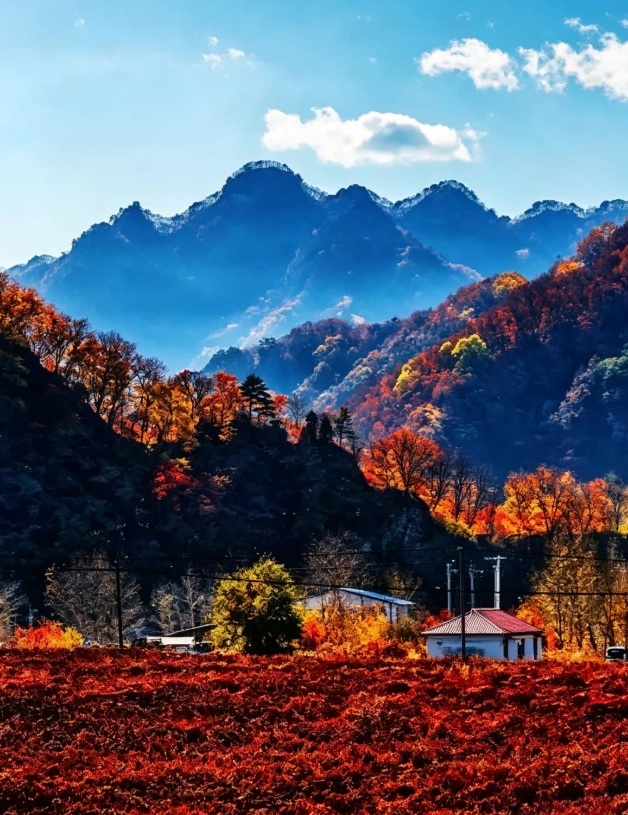
Autumn rivals spring as the best time to visit Wudang Mountains. From late September to early November, the weather is crisp and clear, with temperatures around 10-20°C. The maple leaves turn orange and red, creating stunning backdrops for photos. This is also one of the least crowded periods, except for the National Day holiday in early October. Try to avoid the first week of October if you hate crowds.
The clearest visibility is usually in October — you can see the peaks stretching to the horizon.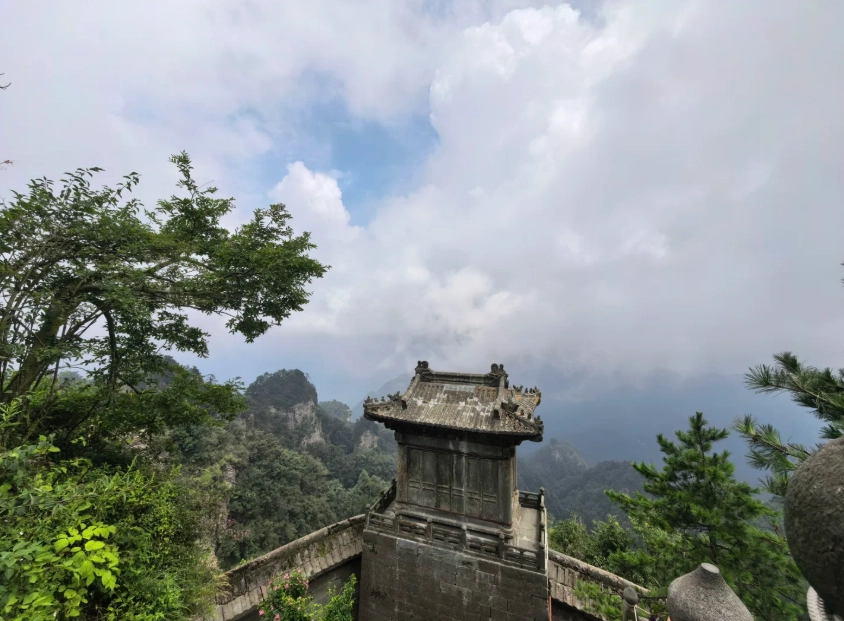
Winter (December to February): Snowy Serenity
Winter transforms the Wudang Mountains into a white wonderland. Average temperatures drop to -5°C to 5°C, and snow covers the rooftops of the temples. The crowds are thin, and you might have the Golden Hall almost to yourself. But beware: some cable car services suspend operations during icy conditions, and the stairs can be dangerously slippery. Check the weather forecast and the official notice board before heading up.
If you're a photographer, winter offers dramatic lighting and fewer tourists. Just pack thermal layers, spikes for your shoes, and patience for delayed cable cars.
What Is the Best Month to Visit Wudang Mountains?
If I had to pick a single month, it would be October. The weather is dry, the skies are clear, and the fall colors peak. But beware the National Day holiday (October 1-7), when the mountain becomes impossibly packed. If you can go after the 10th, you'll have the best of all worlds.
Here's a quick reference for the entire year:
| Month | Weather | Crowd Level | Best For |
|---|---|---|---|
| January | Cold, snowy | Very Low | Photography |
| February | Cold, icy | Very Low | Photography |
| March | Cool, dry | Low | Hiking |
| April | Mild, green | High (holidays) | Nature |
| May | Mild, pleasant | Very High | Full Experience |
| June | Hot, humid | High | Waterfalls |
| July | Hot, rainy | High | Lush Scenery |
| August | Hot, stormy | Medium | Avoiding Peaks |
| September | Cool, clear | Medium | Hiking |
| October | Crisp, autumn colors | Very High (first week) | Perfect Views |
| November | Cold, dry | Low | Quiet Exploration |
| December | Cold, possible snow | Low | Snowy Scenes |
How Many Days Should You Spend at Wudang Mountains?
For a relaxed visit, I recommend 2 days and 1 night. Day 1: hit the major temples, stay overnight on the mountain. Day 2: catch sunrise and explore the remote areas. If you're tight on time, you can do a day trip from Shiyan, but you'll miss the Golden Hall at dawn.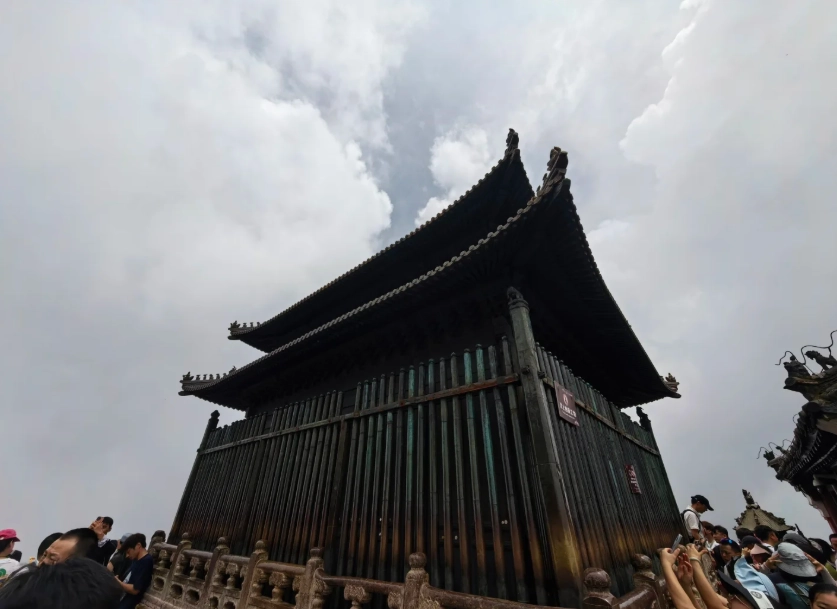
Here's a sample 2-day itinerary:
- Day 1: Arrive at the visitor center, take the bus to Nanyan, hike to Tianzhu Peak, and stay at the mountain hostel near the Golden Hall.
- Day 2: Wake up for sunrise, visit the Golden Hall, then walk down to Zixiao Temple and Purple Heaven Palace. Return to the base in the afternoon.
If you have three days, add an excursion to the scenic Wudang Gorge or the Lesser Wudang trail.
How to Get to Wudang Mountains: Timing Your Arrival
You'll likely fly into Shiyan Wudang Airport or take a high-speed train to Shiyan West Station. From there, it's about a 40-minute taxi ride to the Wudang Mountain visitor center. There are also direct buses from the airport and train station.
Don't rely on Google Maps here. It's often outdated. Download AMap (高德地图) or Apple Maps for English navigation. Always have your destination written in Chinese to show the driver.
| Method | From | Approx. Time | Best For |
|---|---|---|---|
| Flight | Beijing, Shanghai, Guangzhou | 2–3 hours | Long distances |
| High-speed train | Wuhan, Xi'an, Beijing | 2–5 hours | Budget and speed |
| Local bus | Shiyan city | 1 hour | Budget travelers |
Book your train tickets on 12306.cn, which now has an English app. For flights, check Trip.com or the airline's official app.
Wudang Mountains Tickets and Opening Hours
As of my last visit, the combined ticket is around 140 RMB for the scenic area, plus an extra charge for the cable car (around 80 RMB one-way). But prices change, so always check the official Wudang Mountain website or booking platforms like Trip.com.
Opening hours usually run from 7:00 AM to 5:00 PM, but the cable car typically stops earlier. The last cable car down is usually around 4:30 PM in summer and 4:00 PM in winter. Confirm at the ticket office.
You'll need your passport for real-name registration. Booking in advance is mandatory on major holidays and recommended year-round. Use the official WeChat mini-program (in Chinese) or ask your hotel to help. Alternatively, book on Klook or Trip.com for a seamless experience.
Insider Tip: Cash and foreign credit cards are rarely accepted inside the scenic area. Make sure your Alipay or WeChat Pay is linked to an international card. Bring some cash as a backup for small vendors.
How to Avoid Crowds at Wudang Mountains
The crowds at Wudang can be mentally draining, especially at the cable car queue. Here's how I dodge them:
- Avoid Chinese public holidays like National Day, May Day, and Chinese New Year.
- Arrive at the entrance by 7:00 AM, before the tour buses arrive.
- Stay overnight on the mountain and explore after 4:00 PM when day-trippers leave.
- Skip the crowded cable car and hike up from Nanyan instead. It takes about 3-4 hours but bypasses the queue completely.
- Use the less famous entrance at Wudang Mountain East (if open) — ask your hotel for the current status.
Where to Stay for Your Wudang Mountains Visit
You have three main options: Shiyan city, the base town of Wudangshan, or on the mountain itself.
| Area | Pros | Cons | Best For |
|---|---|---|---|
| Shiyan City | Cheap, more hotel choices | 40-min drive to mountain | Budget travelers |
| Base Town (Wudangshan) | Close to entrance, many restaurants | Touristy, busy during holidays | Most visitors |
| On the Mountain | Sunrise views, no crowds | Expensive, basic facilities | Photographers, hikers |
I recommend staying in the base town for convenience. Check for hotels near the visitor center — you can walk to the entrance. Names like Zixiao Hotel or Wudang Mountain Hotel are reliable, but prices vary. Book through Trip.com or Booking.com for free cancellation.
If you stay on the mountain, book at the Nanyan or Jindian area. Facilities are sparse, but waking up to the sunrise is worth it for many travelers.
What to Eat During Your Wudang Mountains Trip
Local specialties include Wudang mushrooms, river fish, and vegetarian dishes prepared by Taoist monks. One of my go-to spots is the restaurant just outside the visitor center — it's clean, and the staff speak a little English. Expect to pay around 50-80 RMB per person.
Try the Taoist Tofu (daoshi doufu) — it's a soft, earthy dish served with mountain herbs. For lunch, grab a quick bowl of noodles from any stall inside the scenic area. They're cheap and filling.
My rule: always carry a snack and water. The restaurants on the mountain close early, and the options are limited.
FAQ About Visiting Wudang Mountains
Verified and fact-checked by the editorial team.





No comments yet.