 Chen Liu
I've lost count of how many travelers I've rescued from a rushed one-day Wudang trip. They arrive with grand plans, then hit the wall of stairs and temple queues. Trust me — 48 hours is the sweet spot. It gives you enough time to hike the ancient paths, breathe in the misty peaks, and still get a solid night of sleep before the cable car rush. Let me show you exactly how to plan it.
Quick Navigation
Why 2 Days Is the Sweet Spot for Wudang Mountains
Most day-trippers miss half the mountain. The summit alone needs a solid morning, and the famous South Cliff temples are a completely different vibe. Cramming both into one day means you'll spend more time waiting for shuttles than actually soaking in the atmosphere. With two days, you can split your energy and really feel the taoist spirit. Plus, staying overnight on the mountain lets you catch the sunrise from the Gold Summit — an experience you won't get on a rushed tour.
Here's the thing: Wudang isn't just a single temple. It's a sprawling mountain range packed with winding trails, hidden hermitages, and forested ridges. The official scenic area has two main zones — the summit (Gold Summit) and the lower clusters like Nanyan and Zixiao. They look close on the map, but in reality you're looking at a 1-2 hour shuttle ride between them. A proper 2-day itinerary solves this.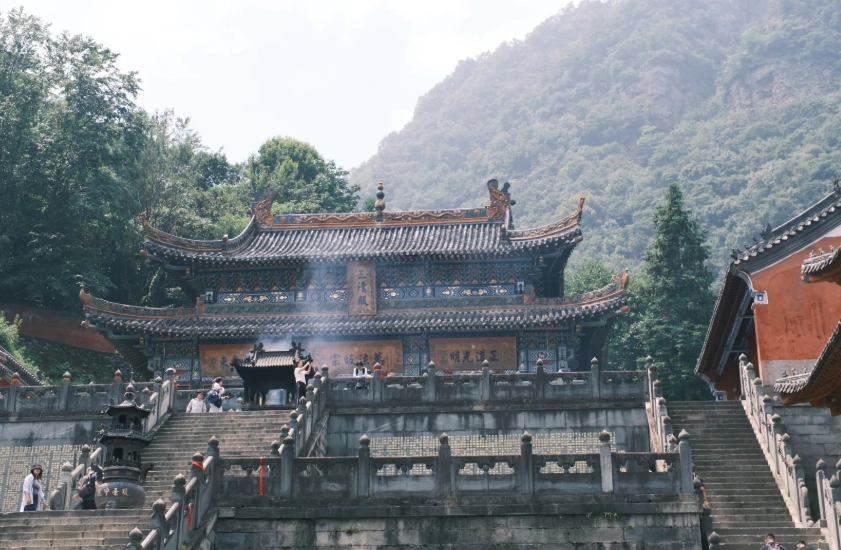
Before You Go: Payments, Permits, and Packing for Wudang Mountains
Sort out your digital wallet before you approach the ticket gate. Cash and international credit cards are almost useless inside the scenic area — it's Alipay or WeChat Pay for everything from shuttle tickets to snacks. I always tell my clients to link their international cards to Alipay before arriving. If you don't have it set up yet, head to a hotel with English-speaking staff and ask them to help. The scenery is worth the 15-minute setup.
- Passport is mandatory — bring your actual passport, not a photo, for the real-name ticket check.
- Download an offline map or use Apple Maps — Google Maps is unreliable in China. Apple Maps works perfectly for the base town, and AMap (高德地图) has an English mode for the mountain trails.
- Pack light but layered — even in summer, mornings at the summit are chilly. I always carry a windbreaker and a lightweight fleece.
- VPN and translation apps are your lifelines — for English menus, use Baidu Translate or Apple Translate's camera feature.
Day 1: Ascent to Gold Summit & Southern Cliff Temples
Morning: Start at the Purple Cloud Temple (Zixiao Gong)
Kick off at Zixiao Gong, the largest and best-preserved taoist temple on the mountain. It's a 20-minute shuttle from the main entrance, then a short walk through a pine forest. The architecture is stunning — intricate stone carvings and a serene courtyard that feels ancient. Arrive before 9 a.m. to beat the tour groups. I've been here dozens of times, and the peaceful morning light filtering through the trees never gets old.
Give yourself 1.5 hours here. Walk behind the main hall to see the little stone path that leads to a quiet meditation spot — most visitors skip it.
Afternoon: Southern Cliff (Nanyan) and the Dragon Head Incense
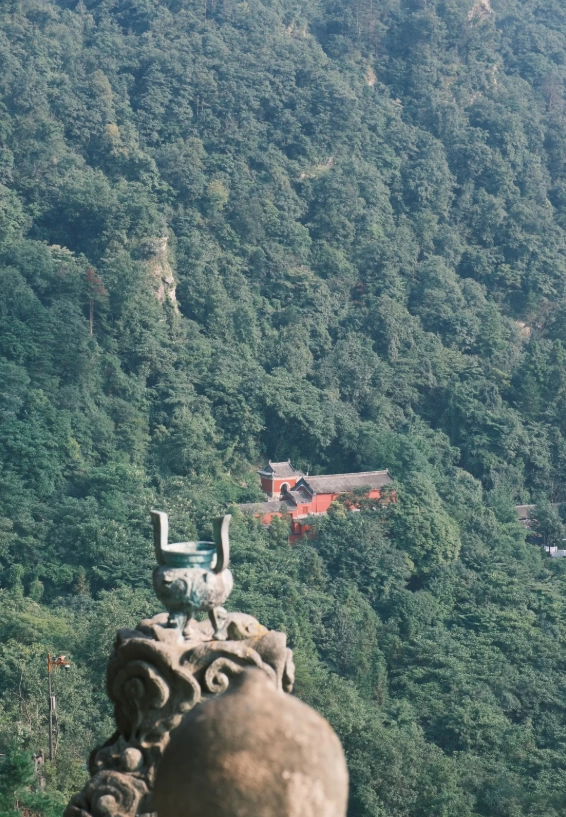
Nanyan is the postcard-perfect cliffside complex, with the iconic Dragon Head Incense hanging over the void. It's a short cable car or a steep 30-minute walk up from Zixiao. The cliff temples are carved into the rock, and the view over the sea of clouds is otherworldly. But here's the kicker — the famous dragon head requires a separate ticket (¥30, cash only). Most people don't realize this, and it's not in the standard package. Buy the add-on at the small booth just below the cliff path.
I always warn clients: the metal walkways get slippery after rain. Wear proper hiking shoes with good grip, and hold onto the railing. The crowds thin out after 3 p.m., so if you can push your visit later, you'll have the place almost to yourself for photos.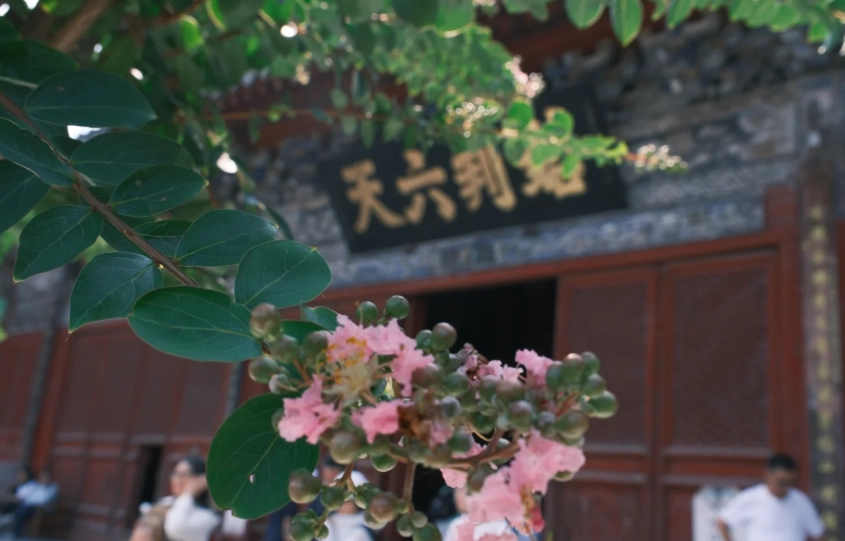
Evening: Stay on the Mountain or in the Base Town?
If you can afford it, stay on the mountain for sunset and sunrise. There's a small village near the summit called Taihe Palace area, with a handful of guesthouses. Rooms are basic but clean, and you get the unbeatable advantage of being the first one at the Gold Summit after the park opens — or even before it opens, if you're staying inside the scenic area (which is technically allowed).
I recommend the Wudang Martial Arts School courtyard for budget stays — you'll hear the monks practicing in the early morning. If you prefer comfort, the only decent option on the mountain is the Wudang Mountain Hostel, which has hot water and decent beds. But don't expect luxury. For a hotel, stay in the base town (Shiyan) — it's a 20-minute walk to the entrance, and you'll have better dining options.
Day 2: Explore the Hidden Teahouses and Ancient Paths
Morning: The Forbidden City (Taihe Palace) and the Purple Xiu Palace
Dedicate the second morning to the less-visited Purple Xiu Palace (Zixiao Gong's sister) and the ancient Taihe Palace. See the contrast? Most tourists rush straight to the summit, leaving these gems nearly empty. Take a shuttle to the Taihe Palace stop, then walk the winding stone path that connects it to the Golden Summit cable car station. It's a 45-minute hike through ancient forests — my favorite part of the entire mountain.
For the first time, I'd actually suggest skipping the Gold Summit on day 2 if you're not staying at the summit. Instead, spend the morning here, then head down to the Perfection Temple (Taizipo) for a different perspective.
Afternoon: The Perfection Temple (Taizipo) and the Reclusive Path
Taihe Palace is impressive, but the real magic is the Perfection Temple (Taizipo) — a hidden complex tucked into the hillside. It's a 30-minute walk from the main shuttle stop, down a series of stone stairs. This place is barely mentioned in overseas guides, and for good reason — it's a bit of a tricky detour. But the reward is a chance to see a working taoist temple with only a handful of visitors. There's a tiny teahouse in the courtyard where monks occasionally serve tea if you're lucky.
To get here, take the shuttle to the "Taihe Palace" stop, then follow the signs for "Taizipo" — but be warned, the signs are in Chinese. Download a picture of the characters to show drivers or rely on a translator app.
My honest tip: Skip the Gold Summit if you're not particularly fit. The summit itself is a small golden hall, and the real beauty of Wudang is the journey, not the destination. But if you do go, take the cable car up and walk down. It saves you the agony of a thousand stairs.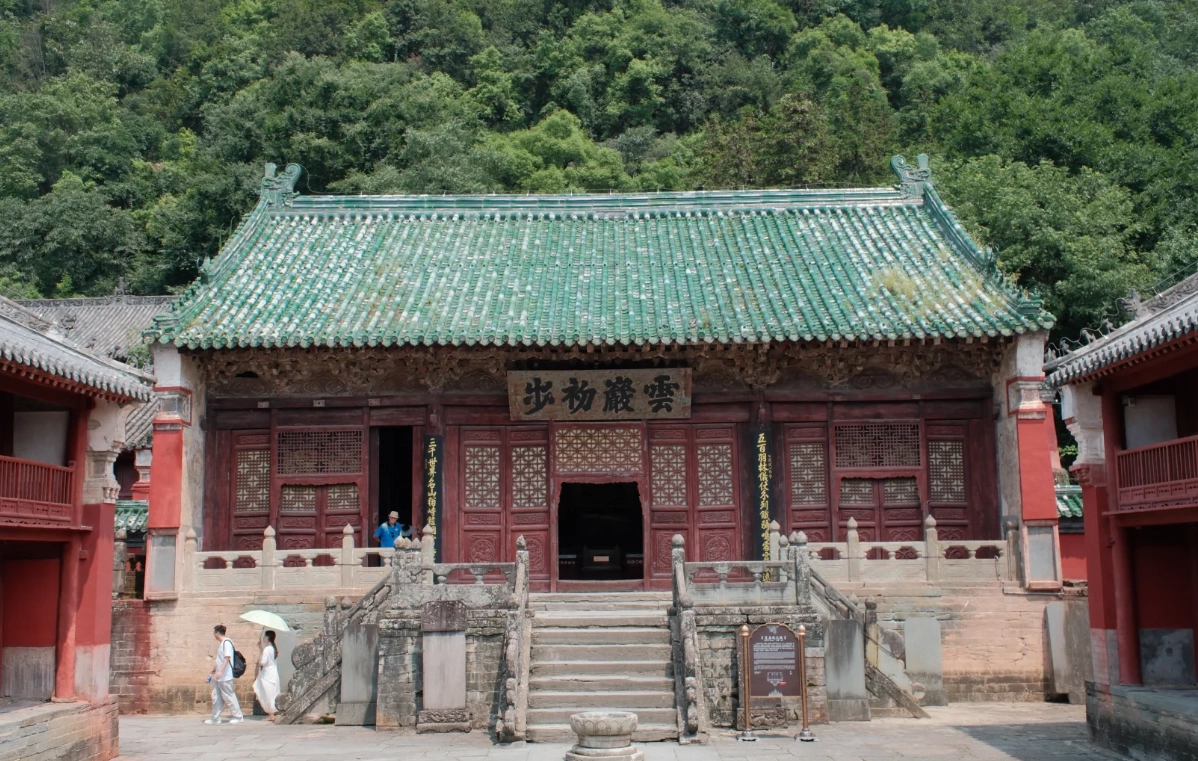
Practical Tips & Insider Hacks for Your Wudang 2-Day Trip
Transportation: Getting to the Scenic Area
The nearest major city is Shiyan (十堰). High-speed trains connect Shiyan to Wuhan in about 2 hours. From Shiyan Railway Station, take a taxi (¥50-60) or a direct shuttle bus (¥20) to the Wudangshan Scenic Area main entrance. The shuttle is at the south bus station, but the taxi is worth the extra cost if you're pressed for time.
On the mountain, you'll rely on electric shuttle buses that run between major stops (¥50 for unlimited rides, valid for one day). Buy a two-day shuttle pass if you plan to move around a lot — it saves money and hassle. Note that buses stop running at 6 p.m., so plan your last ride accordingly.
Where to Eat on the Mountain
Food on the mountain is simple and a bit overpriced. The base town is your best bet. I always go to Wang's Noodle Shop (near the entrance), which has English menu photos and accepts Alipay. The beef noodle soup will set you back ¥18 — a real comfort. On the mountain, there's a small restaurant at Nanyan with decent fried rice, but be prepared to wait 20 minutes for your order during peak times.
Don't miss the local specialty — Wudang tofu (a firm, flavorful version) and mountain vegetables. If you're vegetarian, look for the sign "vegetarian meal" — it's a standard option at many temples.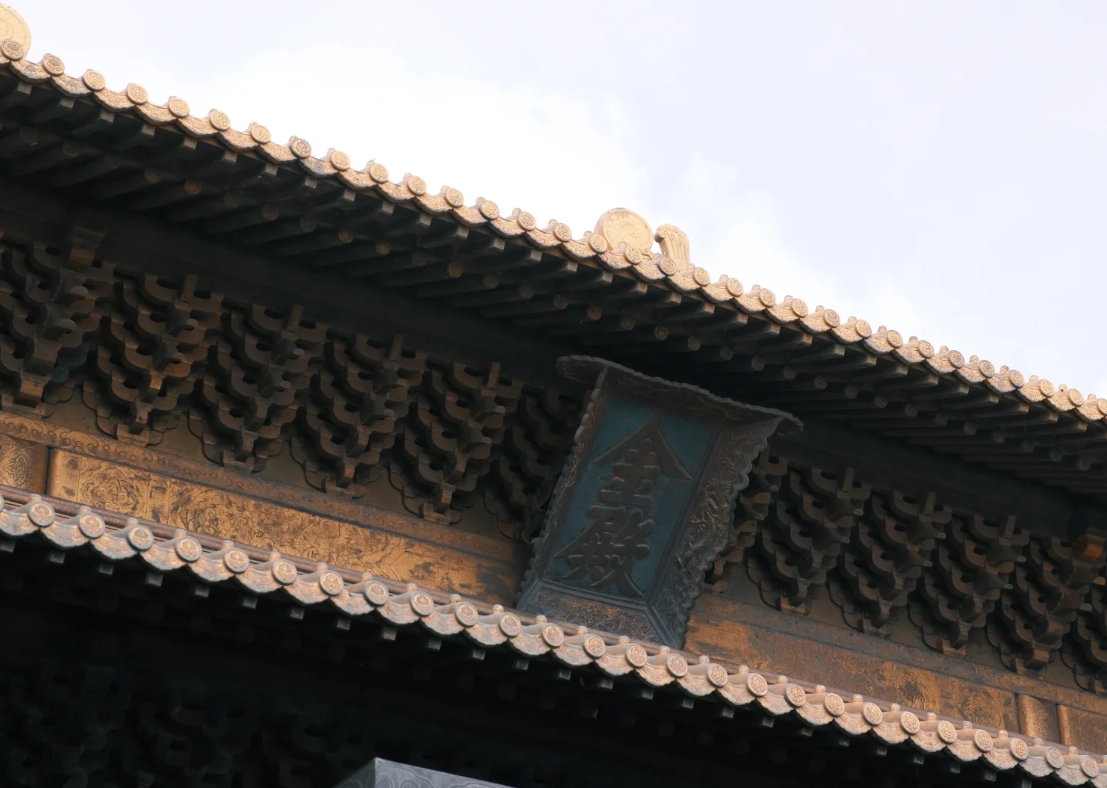
What to Skip: Honest Advice
The Wudang Arts Center (武当文化展示馆) in the base town is basically an empty hall with a few posters. Unless you're desperate to escape rain, skip it. Same goes for the "Fitness Plaza" at the entrance — it's just tired billboards. Spend your time on the actual trails instead.
Also, avoid the cable car queue on weekend afternoons — the wait can be 45 minutes. Go early (7:30 a.m.) or late (after 4 p.m.) for shorter lines.
How to Book Tickets & Permits Like a Local
Book your entrance ticket online at least 3 days in advance to secure a morning time slot. The official booking platform is a Chinese WeChat mini-program — a nightmare for foreign visitors. But don't panic: you can also book through Trip.com or Klook, which are foreigner-friendly and accept international cards. Just use your passport number and choose a slot. The ticket includes admission to most temples but not the cable car (that's an extra ¥150 per ride) or the Dragon Head Incense add-on.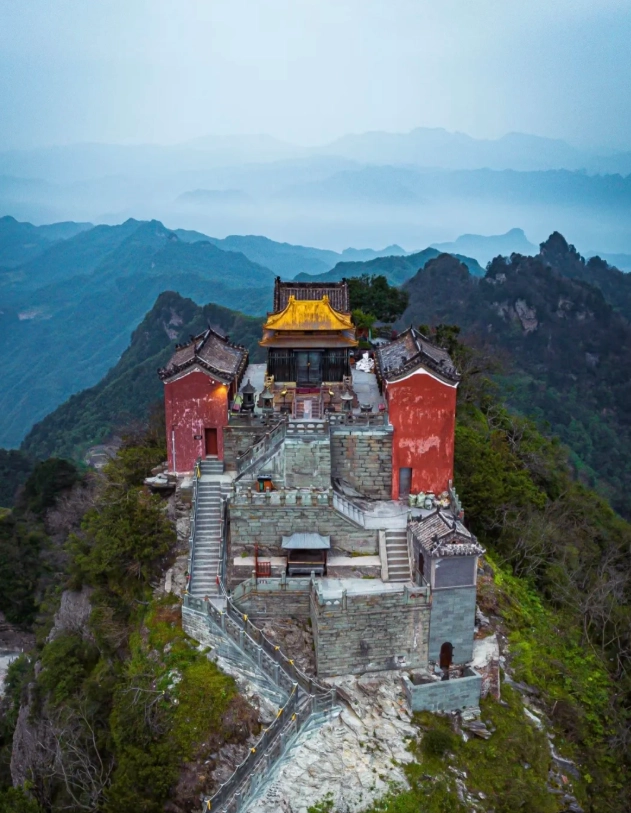
Insider Tip: If you arrive without a booking, head to the foreigner window at the main entrance. Bring your passport and be patient — it can take 15 minutes but it's possible.
Frequently Asked Questions About a 2-Day Wudang Trip
FAQ: Your Wudang Mountains 2-Day Itinerary Questions
This content has been fact-checked to ensure informational precision. Prices and schedules are accurate as of the last visit, but always double-check on official channels before your trip.






No comments yet.