 Ming Yang
What’s Inside This Packing Guide?
- Why Anshun’s Weather Confuses Every Packing List
- The 4-Season Packing Formula for Anshun
- What Not to Wear in Anshun (and Why)
- What to Wear at Huangguoshu Waterfall Without Ruining Your Trip
- What Should I Wear Inside the Dragon Palace Cave?
- How Do I Keep My Feet Dry When It Rains Every Day?
- What Do Actual Anshun Locals Wear?
- My Minimalist Packing List for Anshun
- Insider Travel Tips for Dressing Right in Anshun
- FAQ: What to Wear in Anshun — Your Specific Worries Answered
Push through the crowd at Huangguoshu — and your shirt is soaked in minutes. It’s not rain; it’s spray. I’ve watched travelers shiver in March cotton and sweat through summer hoodies.
Here’s the thing: Anshun’s weather changes faster than a WeChat payment alert. You need layers, quick-dry fabrics, and shoes that laugh at wet stairs. In this guide, I’ll tell you exactly what to wear in Anshun, whether you’re heading to the waterfall, inside the Dragon Palace caves, or just exploring the city streets. No fluff — just packing decisions that save you pain.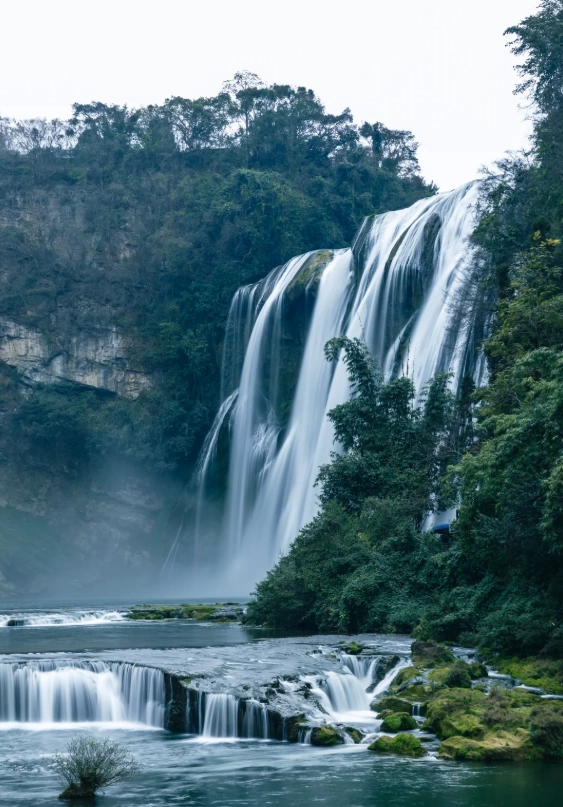
Why Anshun’s Weather Confuses Every Packing List
Anshun sits at around 1,400 meters in western Guizhou. Its elevation plus the monsoon flow creates a humid subtropical highland climate. Translation: cool summers, mild winters, and a lot of rain. But the real kicker? The weather can flip from sunny to drizzle to downpour in under an hour. Many travelers arrive expecting constant heat, only to find themselves shivering on a windy waterfall viewpoint. Others overpack winter coats and sweat through the humid plateau sun. You need a wardrobe that adapts, not a single outfit.
| Month | Avg High (°C) | Avg Low (°C) | Rainy Days | Dressing Vibe |
|---|---|---|---|---|
| January | 8 | 2 | 12 | Damp cold, no heating |
| April | 19 | 10 | 15 | Mild but unpredictable |
| July | 26 | 18 | 17 | Hot, humid, spray |
| October | 20 | 13 | 14 | Dry, cool evenings |
Approximate averages from local records; actual conditions vary. I once led a small group in late April. Two members wore flip-flops. By 4 pm, they were wrapped in my spare windbreaker and negotiating with a vendor to buy a pair of 10-yuan fabric shoes. Don’t be those people.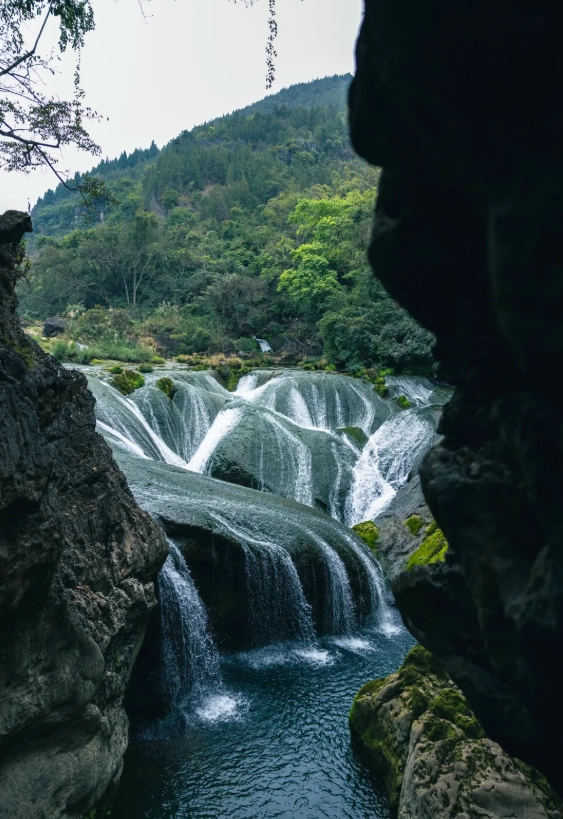
The 4-Season Packing Formula for Anshun
Spring (March–May): Mist, Mud, and Sudden Sun
Layering is non-negotiable. Mornings hover around 8°C, jump to 20°C by noon, then get hit by drizzle. I always advise a lightweight rain shell that packs into its own pocket, plus a long-sleeve merino or technical tee underneath. Avoid jeans — they absorb water and take days to dry. Instead, bring trekking trousers or dark, quick-dry pants.
- Waterproof shell jacket (pit zips are a bonus)
- Quick-dry long-sleeve shirt (2 pieces)
- Merino buff or neck gaiter
- Packable fleece for early mornings
- Waterproof shoes with decent grip
Summer (June–August): Hot, Humid, and Waterfall Spray
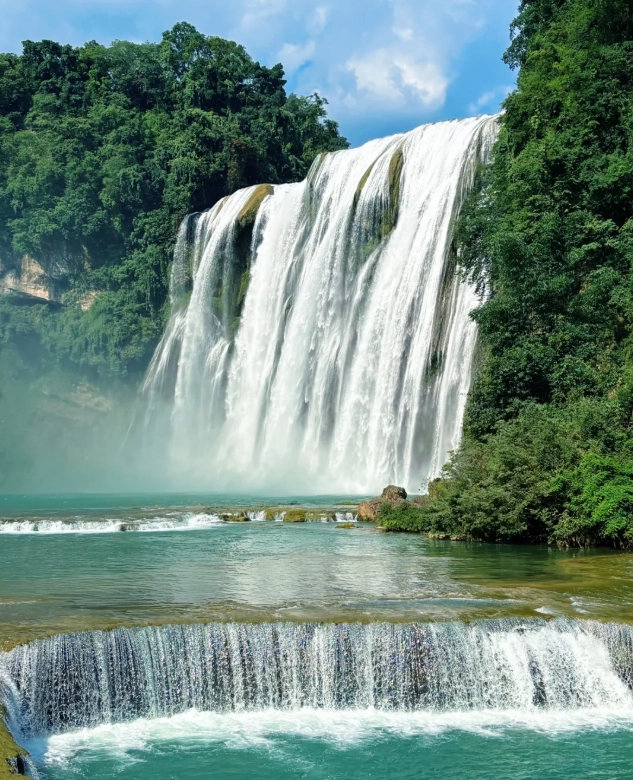
Think breathability, not warmth. The heat is sticky, and Huangguoshu’s spray will soak you faster than rain. A loose quick-dry T-shirt and a waterproof packable jacket are your core. Shorts are tempting, but I’d still bring at least one pair of quick-dry leggings or convert pants. Why? Cave interiors sit around 15°C, and the waterfall wind can feel oddly cold after you’re damp.
- Quick-dry tees (light colors reflect sun)
- Thin waterproof packable jacket
- Convertible pants or dry-fit leggings
- Dry bag for a change of clothes
- Sandals with straps for city evenings (avoid flip-flops on wet stone)
Autumn (September–November): Dry Days, Cool Nights
This is my favorite season for Anshun. Days are less humid, with clear mornings and comfortable afternoons. But the moment sunset hits, the temperature drops fast. Bring mid-layer insulation, like a fleece or a light puffer. If you’re heading into caves, add a long-sleeve thermal base.
- Fleece or lightweight down jacket
- Thermal long-sleeve shirt
- Wind-resistant pants
- Pair of lined socks for evening
- Light gloves (if you’re sensitive to cold)
Winter (December–February): Damp Cold Without Heating
Many hotels and guesthouses in Anshun have heaters that barely take the edge off. Indoor temperatures often stay below 12°C. This is the time to break out your down jacket, or at least a heavy fleece. But don’t forget that walking the trails warms you up quickly, so dress in thin layers you can unzip. A waterproof outer shell is still essential because winter rain in Anshun is persistent.
- Down jacket or heavy insulated parka
- Thermal base layer (top and bottom)
- Waterproof/snowproof boots
- Beanie and fleece-lined gloves
- Hand warmers (valuable for elderly travelers)
What Not to Wear in Anshun (and Why)
Denim is the biggest packing mistake. Jeans look good, but once they get soaked by waterfall spray or rain, they turn into heavy, cold tubes that rub your skin raw. I've had clients who lingered in jeans at Huangguoshu and then developed nasty friction burns where the wet hem rubbed against their ankles. Same goes for cotton socks — they hold moisture and cause blisters.
Flip-flops are only safe for the hotel pool. The limestone walkways are slick, and I've seen people slip within minutes. Even on a dry day, the stone can be mossy.
Leave your umbrella at home if possible. In narrow passages, an umbrella steals space and drips on strangers. A hooded rain jacket is more polite.
Also, skip the heavy wool sweater for daytime. The plateau sun warms you quickly, and carrying a bulky sweater in your pack becomes a pain. Opt for a thin fleece that compresses.
What to Wear at Huangguoshu Waterfall Without Ruining Your Trip
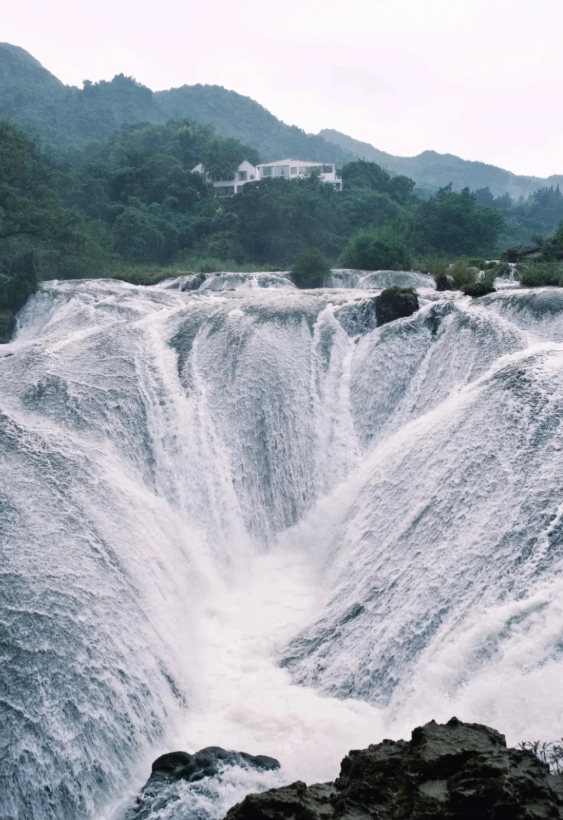
The main mistake I see? People wear nice jeans and sneakers, then try to get that perfect Instagram shot near the water. Within minutes, the mist has soaked their clothes, and their shoes become soggy water sponges. Huangguoshu’s scenic area includes walkways that pass right behind the waterfall curtain. There’s also a cave view from the side. You will get splashed. You will get wet. So dress like you’re about to go white-water rafting.
Pro Tip: Buy a reusable plastic rain poncho for 5–10 yuan from the local vendors near the entrance. It keeps your backpack dry and folds into a tiny pouch. Umbrellas are annoying in tight crowds and block everyone’s photos — leave them in your bag.
If you are visiting between 10 am and 2 pm during peak season, expect to queue on the Rainbow Bridge and get persistently misted. The air is humid, so you won’t dry quickly. A hooded jacket is better than a hat because it protects your ears and keeps drips off your neck.
Your daypack should be water-resistant or have a rain cover. Inside, keep a dry bag with a spare shirt and socks, plus a quick-dry towel and a small bottle of water. This way, after you complete the waterfall loop, you can change before driving to the next spot.
- A windproof/waterproof hooded shell (pit zips help heat escape)
- Quick-dry long-sleeve shirt (prevents sunburn on the plateau)
- Athletic leggings or quick-dry pants with zip legs
- Grip-soled shoes (trail runners with deep lugs are ideal)
- A spare pair of socks in a zip-lock bag
What Should I Wear Inside the Dragon Palace Cave?
Dragon Palace (Longgong) is a limestone karst cave system with boat rides underground. The temperature inside rarely changes much — around 15°C year-round. On a hot July day, stepping inside feels refreshing. But in damp and cool months, it’s chilly. You’ll also walk on wet stone paths and board small boats. Wear non-slip shoes, and bring a light shell jacket or fleece, even in summer.
Also, the cave gets splashes from the boats and drips from the limestone ceiling. A hooded anorak might be overkill, but a rain shell is practical. Don’t wear sandals — your feet will get wet and cold, and the rock edges can catch your toes.
How Do I Keep My Feet Dry When It Rains Every Day?
This is the #1 complaint I hear from travelers. No matter what shoes you wear, heavy rain eventually finds a way in. Here’s the trick: invest in a pair of waterproof trail runners with a gusseted tongue. Add a pair of lightweight neoprene socks if you’ll be outside all day. They might look silly, but they keep your feet warm even when wet.
- Waterproof hiking boots (for heavy treks)
- Quick-dry shoe models from brands like Salomon or Keen
- Neoprene socks for extreme drizzle days
- A waterproof shoe cover (available at local outdoor shops)
If you don't have hiking shoes, don't panic. Before you fly, you can buy a pair of thin rubber shoe covers on Taobao — they're called 'rain shoes' and slide over your sneakers. They cost about 20 yuan and fold flat in your bag. Slide them on when the rain starts, and take them off at your destination.
When you return to your hotel, don’t stuff your shoes with newspaper — it’s actually more effective to use dry rice in a sock. But honestly, the best move is to dry them with a hairdryer in 10 minutes. Many budget hotels have a shared dryer in the laundry room; ask the front desk. I always tell my groups to bring an extra pair of lightweight foldable flats for evening use, so your main shoes can air out.
What Do Actual Anshun Locals Wear?
If you want to blend in and skip tourist attention, watch what the locals do. In winter, you’ll see people in puffer jackets with thermal leggings under jeans, plus ugg-style boots that handle damp cold. In summer, they might wear simple cotton T-shirts and shorts, but they carry an umbrella everywhere — not for rain, but to block the strong UV rays at this altitude. In spring and autumn, the locals layer like anywhere in Europe: a t-shirt, a light sweater, and a parka that they can unzip.
One thing that surprises many visitors: locals often wear thick socks with sandals. It sounds wrong, but it’s actually a brilliant way to adapt to temperature swings. Try it if you dare.
My Minimalist Packing List for Anshun
Here’s the exact system I use with first-time visitors. It keeps all your clothes functional and easy to rotate, even without doing laundry:
- Choose one base outfit for travel days (quick-dry pants, long-sleeve shirt).
- Pack 3 pairs of underwear and 4 pairs of merino blend socks.
- Bring one insulation layer (fleece or light puffer) depending on season.
- Add one waterproof shell jacket.
- Pack an umbrella or poncho (but remember the poncho tip).
- Include 1 pair of comfortable walking shoes and 1 pair of sandals/flats.
- Add accessories: beanie, gloves, and a sun hat.
- Keep a small dry bag for electronics and documents.
If you book a hotel with a decent heater, you can reduce the insulation layer to just a fleece in winter. But if you're staying in a traditional courtyard guesthouse, bring that down jacket. Always check your accommodation's heating policy before you fly.
Insider Travel Tips for Dressing Right in Anshun
- Wear light colors in summer; dark colors attract heat and show sweat.
- Avoid white pants entirely — the local red clay leaves rust stains that won’t wash out.
- Pack a small travel umbrella in your day bag even on clear days.
- Check the weather forecast on the AMap app, not Google, because radar data for Anshun is more accurate there.
- If you’re staying at a cheap guesthouse, ask for an extra blanket — many don’t provide one by default.
- Your phone will die faster in cold, damp weather; keep it in an inner pocket with a rechargeable battery.
FAQ: What to Wear in Anshun — Your Specific Worries Answered
This content has been fact-checked to ensure informational precision.





No comments yet.