 Ling Wu
What You'll Learn
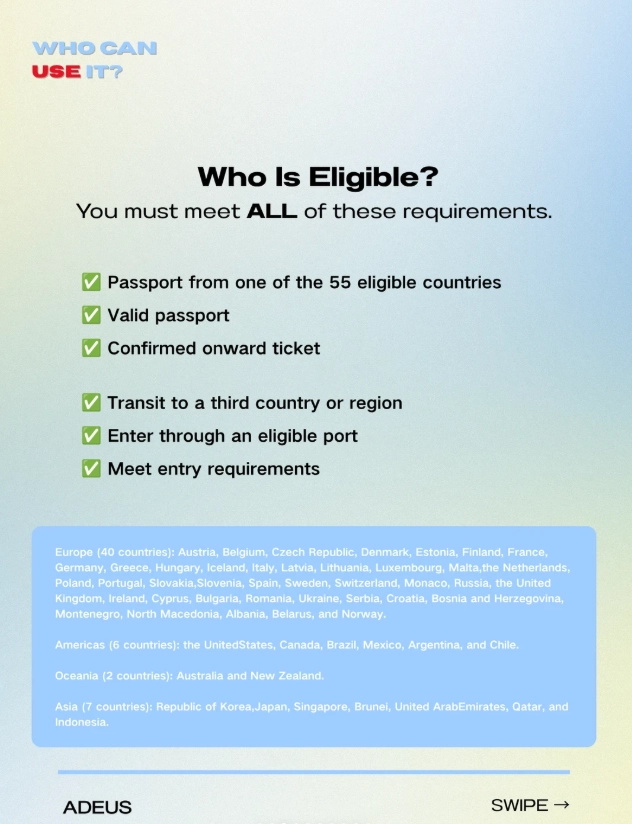
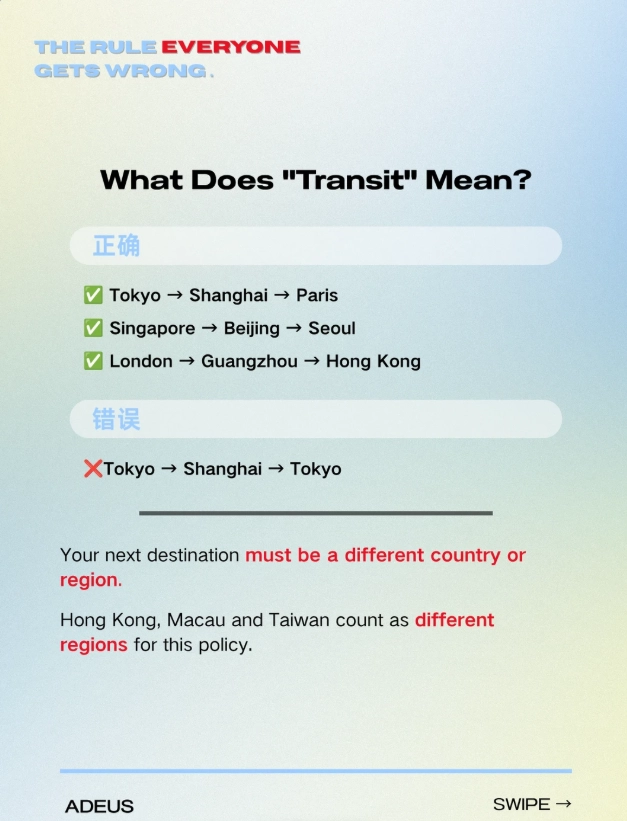
You step off the plane, 144-hour visa-free transit stamp in hand. You need a coffee, a train ticket, and maybe a museum visit. You pull out your credit card. The cashier shakes his head. Your phone has no signal. Google Maps is a blank grid. Welcome to China — where the real challenge isn't the visa, it's the digital ecosystem.
I've been guiding transit travelers for years, and I've seen the same panic over and over. The good news? Once you know the workarounds, China's digital services become incredibly seamless. Here is the catch: you need to prepare before you land. Let me walk you through exactly what to do.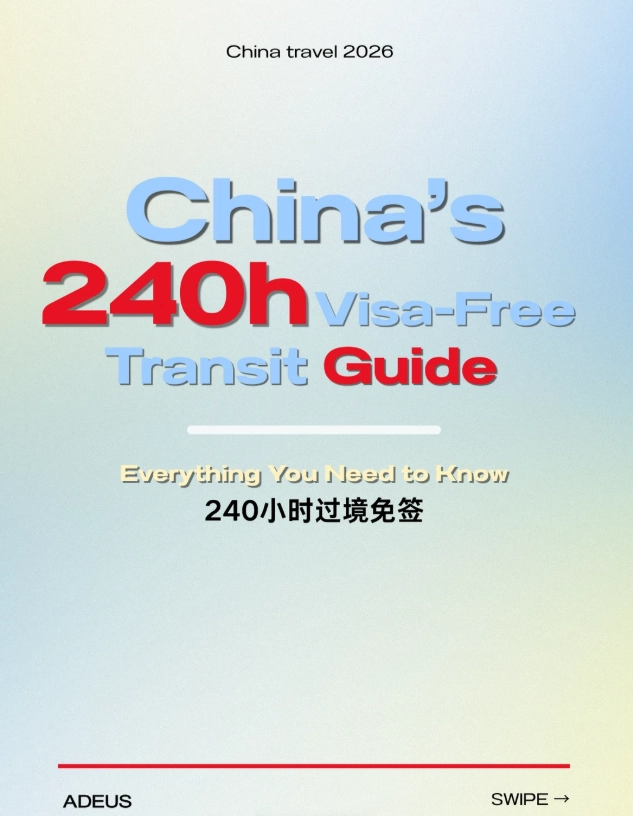
What Are Seamless Digital Services for Visa-Free Transit Travelers?
Seamless digital services means being able to pay, navigate, book, and communicate using your phone — without cash or old-school methods. For transit travelers (those staying 72–144 hours in Mainland China), the biggest friction points are:
- Payment: Visa/Mastercard are rarely accepted at small shops, taxis, or street food stalls.
- Navigation: Google Maps is blocked; Apple Maps works but not perfectly.
- Booking: Many attractions require WeChat mini-programs that are only in Chinese.
- Language: Not everyone speaks English, especially outside top-tier hotels.
The solution is a trio of apps: Alipay (for payments and mini-programs), WeChat (for messaging and payments), and an eSIM/VPN to access the internet. I always tell my clients: "Set them up at the airport lounge, not on the street."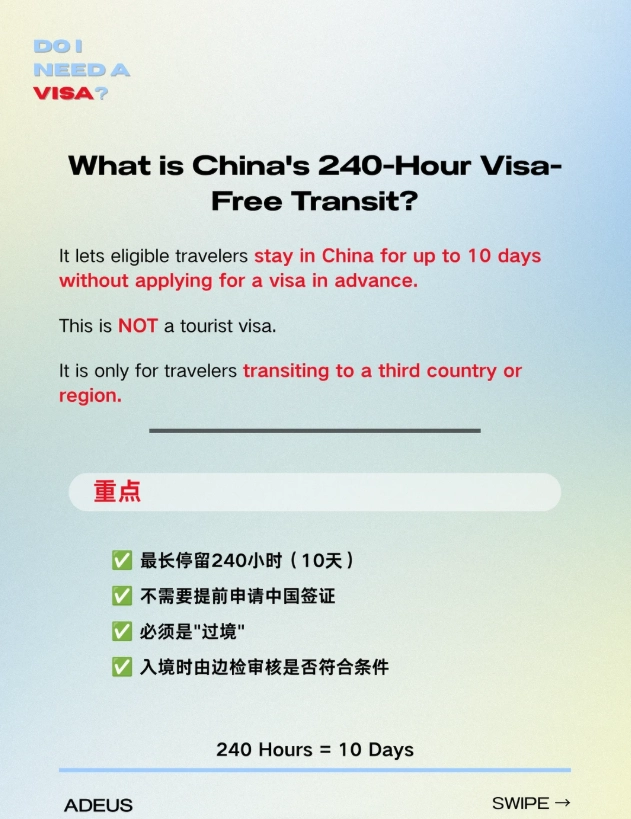
How to Set Up Alipay and WeChat Pay Before You Arrive
Here is the brutal truth: if you don't have Alipay or WeChat Pay functional, you'll be stuck. I once had a traveler at Shanghai Hongqiao train station — no cash, no digital money. He couldn't even buy a bottle of water. Don't be that person.
Alipay Setup (Fastest Route)
Alipay now allows international tourists to link foreign credit cards (Visa, Mastercard, Amex). Here's the step-by-step:
- Download Alipay from your app store (use a VPN if necessary).
- Register with your foreign phone number. You'll need SMS verification, so ensure your number works internationally.
- Go to "Me" > "Bank Cards" and add your international card. Alipay will verify with a small charge (refunded).
- That's it. You can now scan merchant QR codes to pay. But — for larger payments (over 200 RMB) you might need to complete a one-time identity verification (passport scan).
WeChat Pay Setup (Backup)
WeChat Pay is more finicky for foreigners. You can link a foreign card, but some functions (like transferring money between users) might be restricted. Still, have it ready:
- Install WeChat, register with your number.
- Go to "Me" > "Services" > "Wallet" > "Add a Bank Card". Expect a video call for verification if you're new.
- Cash is still accepted everywhere, but don't rely on it — many small merchants can't break large bills.
Navigating China Without Google Maps
Google Maps is useless in China — it's blocked and doesn't have up-to-date transit data. I recommend a combination:
| App | Best for | Notes |
|---|---|---|
| Apple Maps (if you have iPhone) | Walking directions, basic transit | Works surprisingly well in most cities. Has English names. |
| Amap (Gaode Maps) | Driving, detailed transit, real-time | Chinese only. Use screenshot translation or ask a local to type your destination in Chinese. |
| Didi (Chinese Uber) | Ride-hailing | Available in English. You can pay via Alipay or credit card. Must have a Chinese phone number or Alipay account. |
My go-to for transit travelers: Apple Maps + Didi. I always tell them: "If you get lost, walk into any convenience store (FamilyMart, Lawson, 7-Eleven) and show the address to the clerk. They'll help you hail a taxi in Chinese."
Booking Attractions and Transport as a Transit Traveler
Here is where most foreigners trip up. You can't just show up at the Forbidden City or the Great Wall — you need a reservation, often made through a Chinese-only mini-program. I've seen entire travel plans collapse because of this.
Best Strategy: Use Trip.com or Klook
These platforms have English interfaces and accept foreign credit cards. They handle the booking and even offer guided tours. For attractions that require passport registration (90% of them), they'll ask for your passport number at booking — have it ready.
Transport: High-Speed Rail & Flights
For transit travelers, trains are the best way to explore nearby cities (e.g., Beijing to Tianjin, Shanghai to Hangzhou). Use Trip.com to book train tickets. You'll pick them up at the station using your passport at a self-service kiosk (look for the “passport” icon). Do not book through 12306 directly — the site is Chinese-only and requires a Chinese ID for verification.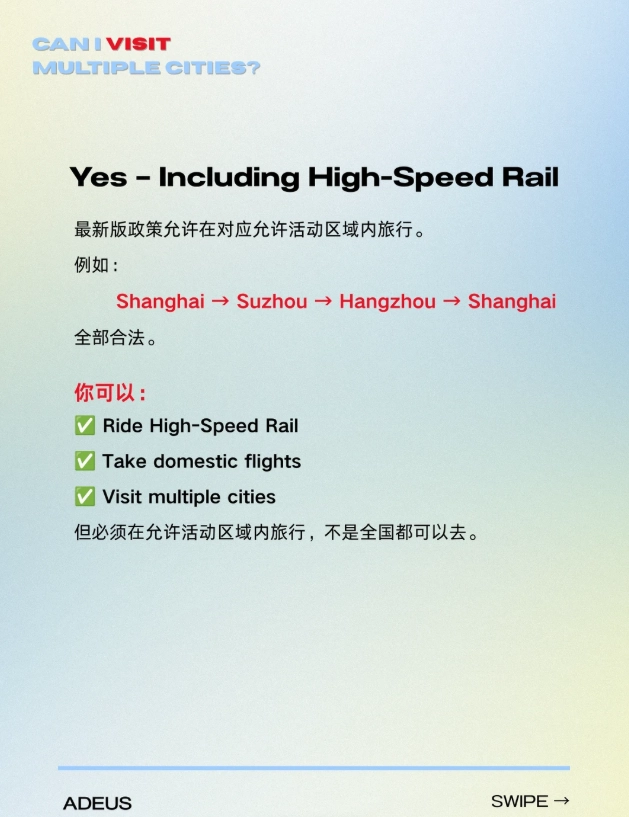
Language Barriers? Tools That Actually Work
Translation apps are a lifesaver, but not all are equal. Google Translate works (with VPN). Apple Translate is surprisingly good for real-time conversation — it works offline if you download Chinese in advance. For menus, use the photo translation feature in Baidu Translate (download the app).
One more thing — VPN is mandatory. Without it, you can't access WhatsApp, Google services, Instagram, etc. I recommend ExpressVPN or NordVPN (proven to work in China). Set it up before you arrive, because the app stores in China might not have it.
Frequently Asked Questions
Verified and fact-checked by the editorial team.








No comments yet.