 Jian Zhao
Quick Navigation
- Why Xinjiang Is a Different Beast
- How Many Days Do You Actually Need?
- The Best Places to Visit in Xinjiang: My Personal Shortlist
- How Do You Deal with Transport and Tickets in Xinjiang?
- What to Pack: The Insider's Checklist
- Mistakes I See Travelers Make Every Time
- Quick Answers to Your Burning Questions
Hot, dusty, and utterly mesmerizing—I've lost count of how many times I've led groups through Xinjiang. You're here because you want the real deal, not the same touristy photos. But planning a trip to Xinjiang is like planning a trip to another country. The distances are brutal, and most online tips are written by people who've never actually been. As a guide who's lived here for years, I can tell you the best places to visit in Xinjiang aren't the ones on the typical package tours—they're the ones you need to reach with a bit of patience and local knowledge. So here's my bottom line: skip the rushed day-trip from Urumqi. You'll regret it. Instead, base yourself in Kashgar for 3 days, then head to Karakul Lake and Tianchi. That's where the magic happens. Now, let's dive into the details—including how to book tickets, what to pay, and the sneaky mistakes everyone makes.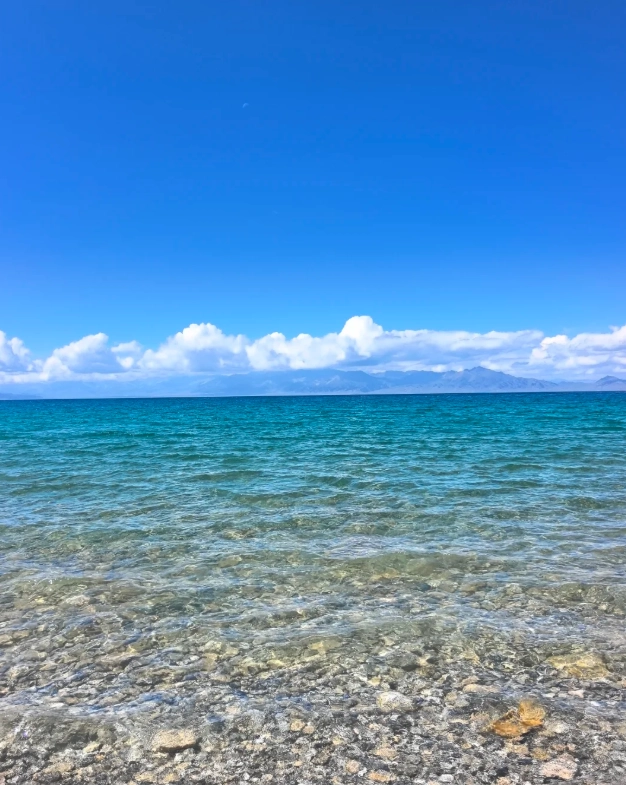
Why Xinjiang Is a Different Beast
Let me paint a picture: you're standing in the Sunday bazaar in Kashgar, and the smell of cumin and fresh naan hits you from every direction. A Uyghur vendor grins and hands you a slice of watermelon for free. That's Xinjiang—a place where Central Asia meets China in a way you simply won't find anywhere else. But here's the catch: it's enormous. You can drive for hours and see nothing but desert, then suddenly hit an alpine lake that looks like something from a dream. This contrast is what makes it special, but it's also why most travelers try to do too much in too little time. I've watched countless people burn out trying to visit both the far north and the far south in a week. Trust me, that's a mistake.
How Many Days Do You Actually Need?
If you're asking me, the honest answer is at least 10 days. Xinjiang is bigger than Germany, and the best places are spread out. But let's say you only have a week—you'll need to pick one region, either the south (around Kashgar) or the north (around Altay) and stick to it. Here's a realistic breakdown: Fly into Urumqi, spend one day recovering, then fly or take a train to Kashgar. After 3 full days in the Kashgar area (including a day trip to Karakul Lake), fly back to Urumqi, and if you have two more days, hit Tianchi. That's a decent week. Anything less will leave you feeling like you spent more time on buses than actually seeing anything. Now, let me give you a concrete scenario. Suppose you have a 24-hour layover in Urumqi. What do you do? Don't try to see Tianchi—you won't have time. Instead, spend your day exploring the Xinjiang Regional Museum to see the famous Loulan mummy, then head to the Grand Bazaar for dinner. It's a compact, authentic experience that won't leave you rushing. If you're dead-set on seeing Tianchi, you'll need at least 6 hours round-trip, and that's without traffic. So be realistic.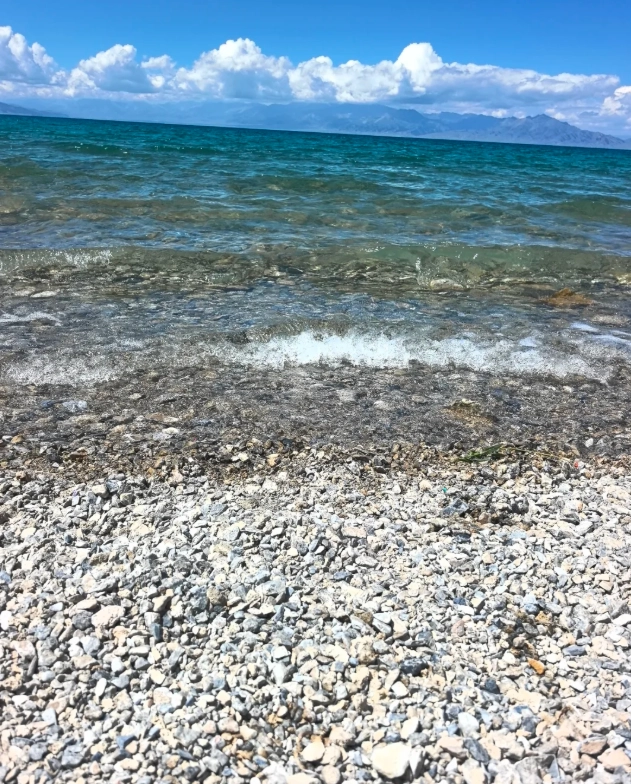
The Best Places to Visit in Xinjiang: My Personal Shortlist
I'm going to share the spots that always impress my clients—the ones that are worth the long drives and the early mornings. Remember, this isn't an exhaustive list; it's a curated set of places that I personally vouch for.
Kashgar: The Heartbeat of the Silk Road
I always tell my clients: if you only visit one city in Xinjiang, make it Kashgar. The old town is a labyrinth of mud-brick houses, lively bazaars, and mosques. The highlight for me isn't the famous Id Kah Mosque, but the Sunday livestock market—a chaotic, dusty, utterly authentic experience that starts at dawn. Don't be late; by 10 a.m. it's already winding down. To get there, take a local minibus from the old town or just ask your hotel to call a taxi (about 20 RMB). As for tickets: most sites like the old town are free to wander, but the market itself is free too. Bring cash for a yogurt drink or a handful of pistachios. One tip: the toilets are basic, so go before you leave.
Karakul Lake: A Cold Beauty at the Foot of Muztagh Ata
Now this is where Xinjiang hits you in the gut. Karakul Lake sits at 3,600 meters, and the view of Muztagh Ata (7,546m) reflected in the water is something you'll never forget. But here's the thing nobody tells you: it's freezing, even in summer. Bring a winter jacket, seriously. The drive from Kashgar takes about 4 hours along the Karakoram Highway—one of the most stunning roads I've ever driven. There's no public bus, so you'll need to hire a car or join a minibus tour. Prices are negotiable; I've seen foreigners pay as much as 800 RMB for a day trip. Don't be that person. Ask your hotel to arrange a shared tour, usually around 300–400 RMB per person. The lake itself has a basic entrance fee (maybe 50 RMB), but the real cost is the drive. Most tours leave before sunrise, which sounds brutal, but you'll see the sky turn pink over the peaks. Worth it.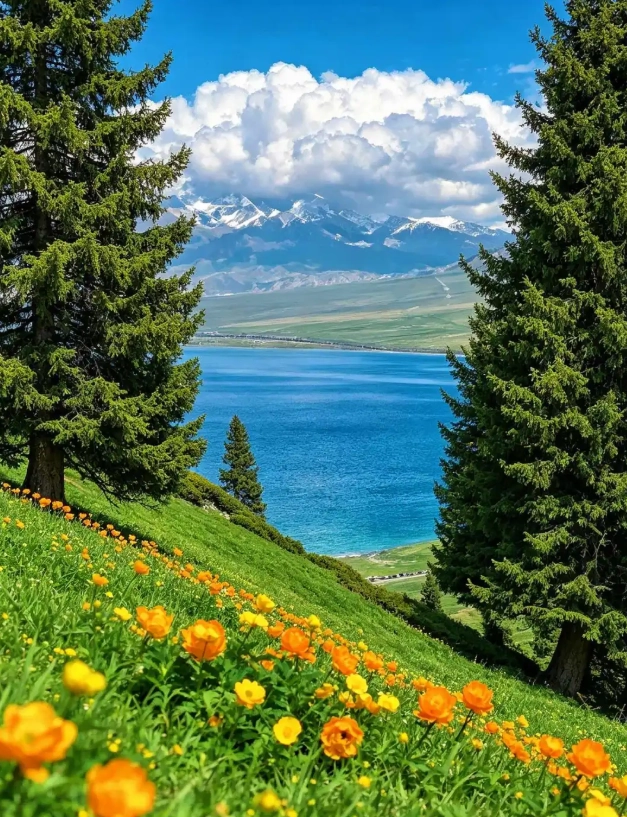
Tianchi Lake: A Short Escape from Urumqi
If you're short on time, Tianchi (Heavenly Lake) is your best bet. It's about 90 minutes from Urumqi by car, and you can easily do it as a day trip. But my insider advice: skip the main tourist trail. Most visitors take the cable car up to the main viewing platform, only to find it crowded with selfie sticks. Instead, take the less-visited eastern shore path. You'll get the same mountainous backdrop, minus the crowds. The entrance fee is around 155 RMB including the shuttle bus (check the official site for updates). To get there, take a bus from Urumqi's North Coach Station (about 50 RMB) or hire a taxi for around 400–500 RMB round trip. And don't forget a hat—the sun at that altitude is brutal.
Turpan: Flaming Mountains and Ancient Water Systems
Turpan is like stepping into a furnace—it's one of the hottest places in China. But that's exactly why it's so cool. The Flaming Mountains from Journey to the West are here, and while they're just a backdrop really, the real draw is the underground irrigation system (karez wells) that turned this desert into an oasis. I always tell my groups to visit the Tuyoq Village instead of the mainstream Jiaohe Ruins—it's smaller, more lived-in, and you can actually sip tea with a local family. Turpan is also where you'll find some of the best grapes you've ever tasted. Expect to spend a full day here if you're coming from Urumqi via the high-speed rail (about 1.5 hours). The ticket for combined sights can be pricey—buy a joint pass for around 200 RMB if you want to see the main sites.
Kanas Lake: Deep in the Altai
If you have budget for one splurge, make it a flight to Kanas in the far north. This place feels like the Swiss Alps merged with a Russian fairy tale. The lake's water is a surreal turquoise, and in autumn, the larch forests turn every shade of gold. Getting here is half the adventure: fly from Urumqi to Burjin (about 1 hour), then take a shuttle to the scenic area. The entrance fee plus shuttle is around 230 RMB, and it's worth every yuan. But here's my warning: this is the most likely place to encounter Chinese tour groups, so go early—like 8 a.m. early—or to the less-visited Fish Pavilion viewpoint. I've been here four times, and the early morning light is non-negotiable.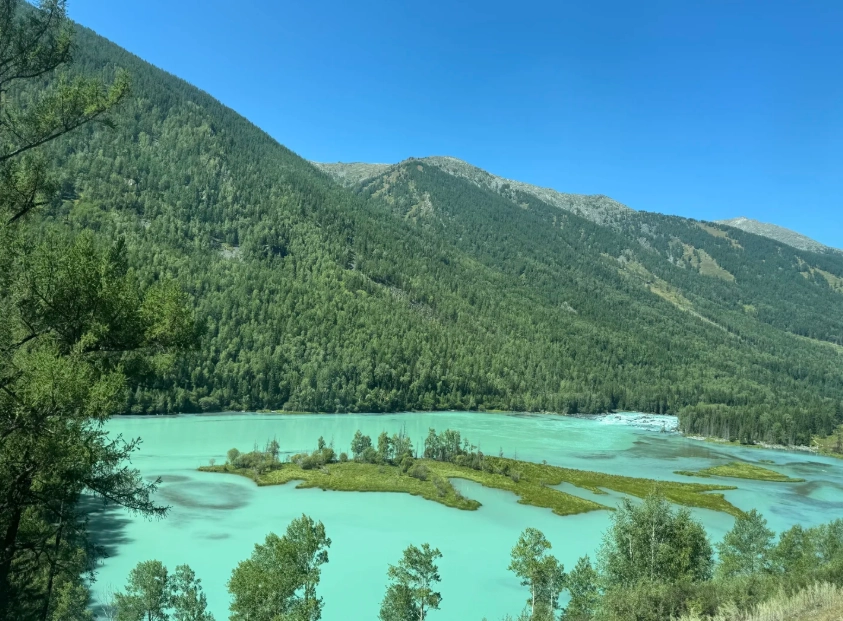
| Place | Best Time | Transport from Urumqi | Entry Fee (Approx.) |
|---|---|---|---|
| Kashgar | Mar-May, Sep-Nov | Fly (2h) or overnight train | Free (old town) |
| Karakul Lake | Jun-Sep | Hire car / tour from Kashgar | ~50 RMB |
| Tianchi | Jun-Sep | 1.5h drive or bus | ~155 RMB |
| Turpan | Apr-Oct | High-speed rail (1.5h) | ~200 RMB (joint pass) |
| Kanas | Sep-Oct | Fly to Burjin + shuttle | ~230 RMB |
How Do You Deal with Transport and Tickets in Xinjiang?
The biggest headache for foreigners isn't the distance—it's the booking system. For trains, use 12306.cn, but the English interface is limited; if you're not confident, book via Trip.com or have your hotel help. Most attractions now require online booking with your passport number. Do yourself a favor: download the AMap app (it works fine in English) for navigation, because Google Maps will leave you lost. When it comes to paying, bring a physical credit card for backup, but 95% of the time you'll use Alipay or WeChat Pay. And a quick note on the border zone: if you're heading deeper into the Pamir region (like Tashkurgan), you'll need a border permit. Your tour operator usually handles this, but if you're independent, apply at the local police station—bring your passport and at least two photos. For official regulations, check the National Immigration Administration website.
What to Pack: The Insider's Checklist
You'd be amazed at how many people arrive in Xinjiang with just a pair of flip-flops. Let's fix that. The temperature swings here are wild: it can be 35°C in Turpan and near freezing at Karakul Lake on the same day. I always pack layers—a lightweight fleece, a windproof jacket, and a warm hat. Sunscreen is non-negotiable, even in winter. Also, bring a reusable water bottle; you'll need to stay hydrated, but avoid tap water. If you're heading to the high altitudes, consider a small oxygen canister—you can buy one in Urumqi pharmacies for about 20 RMB, and I've used it to help clients who got dizzy at Karakul. And yes, you'll want solid walking shoes, not just for the terrain but because some sites—like the Kashgar old town—are uneven cobblestones.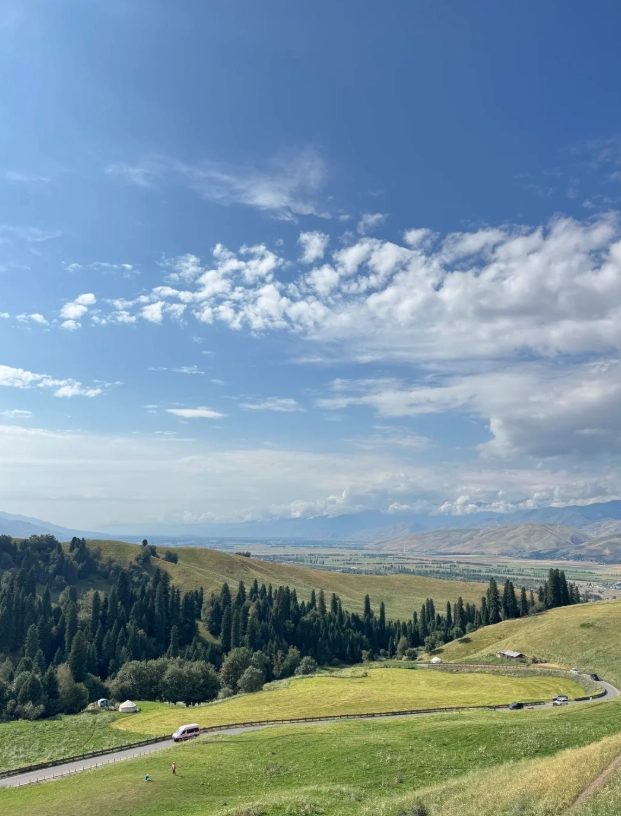
Mistakes I See Travelers Make Every Time
I've led dozens of groups, and I've seen the same pitfalls over and over. First: trying to pack too much in one day. Xinjiang is vast, and you'll spend hours on the road. Second: assuming you can pay with a foreign card everywhere. Many local shops only accept mobile payments, so set up Alipay before you arrive. Third: forgetting that Google is blocked. I've had clients panic when they couldn't use Google Maps—set up a VPN before you land, or rely on offline maps. And the one that makes me cringe: not checking the sunset time. In the far north, it can get dark as early as 4 p.m. in winter, so plan your day accordingly. Trust me, you don't want to be stuck on a mountain road after dark. Now, let me share something I only tell my clients: the best time to visit the Kashgar bazaar is Friday morning, right after the big prayer. It's when the sellers are most relaxed and prices are more negotiable. And for Tianchi, go on a weekday—Sundays are packed with domestic tourists.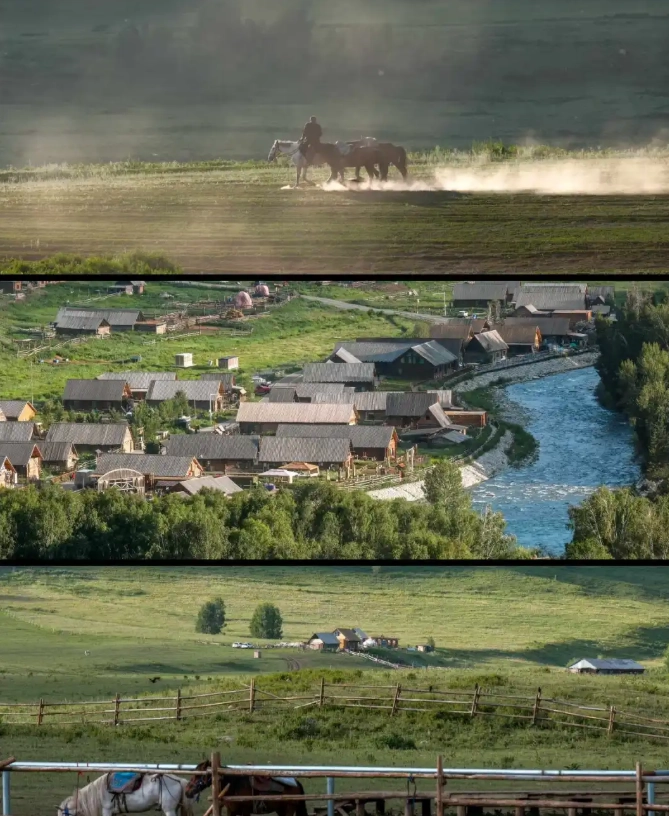
Quick Answers to Your Burning Questions
Verified and fact-checked by the editorial team.






No comments yet.