 Tao Xu
What's on This Page
- How Many Days in Guangxi Is the Right Amount?
- How Many Days to Spend in Guangxi Based on Your Travel Style
- A Sample 7-Day Itinerary for Guangxi
- Should You Extend Your Guangxi Trip to 10 Days?
- How Does Season Affect How Many Days You Need in Guangxi?
- Insider Tips for Deciding How Many Days to Spend in Guangxi
- FAQ: How Many Days Should You Spend in Guangxi?
Overfed on rice noodles? Not yet. The real dilemma every traveler faces: how many days to spend in Guangxi? I've led tours here for over a decade, and I still see visitors glued to a 3-day itinerary that leaves them breathless — and not in a good way. Guangxi is bigger than you think. The karst mountains, rice terraces, and white-sand beaches are scattered across a province roughly the size of England. So, how many days do you actually need? Here's the short answer: at least 5 days to cover the essentials, 7 days for a comfortable pace, and 10 days if you want the full experience without checking your watch every hour.
How Many Days in Guangxi Is the Right Amount?
I'll get straight to the point: you need at least 5 days just to see the triangle of Guilin, Yangshuo, and the Longji Rice Terraces. Add Beihai's beaches, and you're looking at 7 days. Throw in the border waterfalls near Detian, and you'll want 10 days. This is not a joke — many travelers try to do it all in 4 days and end up spending most of their trip on a bus.
Here's a quick comparison table to help you visualize what's possible with different trip lengths. The times are based on my years of guiding and the average pace of my clients.
| Trip Length | Best For | Main Highlights | Pace |
|---|---|---|---|
| 3 Days | Stopover or work trip | Guilin city, Elephant Trunk Hill, Li River evening cruise | Rushed |
| 5 Days | Budget travelers | Guilin, Yangshuo countryside, Longji Rice Terraces | Moderate but full |
| 7 Days | First-time visitors | All of the above + Beihai Silver Beach or Detian Waterfall | Comfortable |
| 10 Days | In-depth travelers | Everything + Chongzuo, Ming River, and border areas | Leisurely |
Pay attention to the Pace column. A 3-day Guangxi trip is basically a rushed glimpse — you'll see the famous spots but won't catch the sunset from Xianggong Hill or share a beer with locals in Yangshuo. I've watched too many tourists burn out trying to cram four cities into six days. Don't be that person.
How Many Days to Spend in Guangxi Based on Your Travel Style
Your ideal trip length depends a lot on who you are. Here's my honest advice for different types of travelers:
Family travelers: 7 days is the sweet spot
Traveling with kids in Guangxi means slower mornings, extra bathroom breaks, and more rice noodle stops. A 7-day itinerary gives you enough breathing room to enjoy the scenery without mutiny from the backseat. The Li River cruise is a hit with kids, but avoid the bamboo rafts on Yulong River if your child is under 4 — life jackets are often adult-sized.
Solo backpackers: 5–7 days hits the balance
If you're on a shoestring budget, you can manage a 5-day hop through Guilin, Yangshuo, and Longji using public buses and dorm beds. But if you're like me, you'll want an extra day to just sit on a terrace with a beer and watch the karsts turn pink at dusk. So stretch it to 7 if you can.
Photographers: give yourself 10 days
Sunrise at Longji, fog over the Li River, sunset from Xianggong Hill — these moments don't wait for your schedule. I've had clients spend 3 days just waiting for one clear morning at the terraces. Plan 10 days to have a real shot at catching the perfect light without rushing your next destination.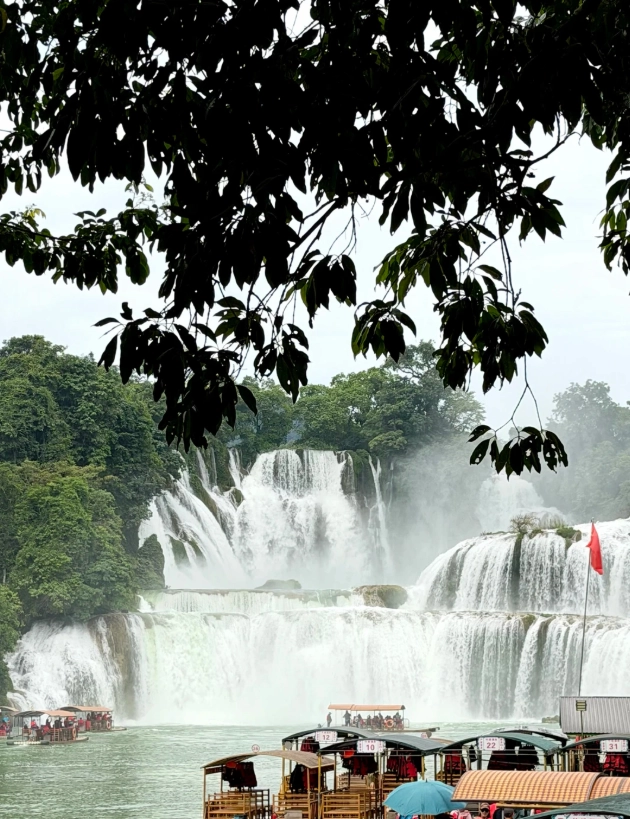
A Sample 7-Day Itinerary for Guangxi
Here's a practical plan I've designed with my clients over the years. It's tailor-made for first-timers and includes the big three: Guilin, Yangshuo, and Longji, plus a relaxing beach finale in Beihai.
Day 1: Arrive in Guilin
Fly into Guilin Liangjiang International Airport (KWL). Take the airport bus (roughly 50 minutes) to the city center. Settle into a hotel near the West Gate. In the evening, take a leisurely walk around the Two Rivers and Four Lakes — the pagodas light up beautifully.
Day 2: Li River cruise to Yangshuo
Wake up early and join one of the direct cruise boats from Zhujiang Pier to Yangshuo (approx. 4.5 hours). The journey takes you right through the postcard scenery. As you sail, you'll pass the famous sights featured on the 20-yuan note. The Li River is part of a UNESCO World Heritage site, a fact that becomes self-evident as you drift between karst peaks. Once in Yangshuo, check into your guesthouse, then rent a bicycle and explore the countryside along the Yulong River. End the day at West Street for street food.
Day 3: Yulong River raft and Silver Cave
Take a bamboo raft on the Yulong River (book via your hotel or an app). After lunch, visit Silver Cave — it's a limestone grotto with thousands of stalactites. Try to avoid the midday rush by heading there after 2pm. In the evening, see the Impression Liu Sanjie show is a must, but if you're on a budget, climb Xianggong Hill instead.
Day 4: Longji Rice Terraces
Take a direct bus from Yangshuo to Longji (about 3.5 hours). Drop your bags at a guesthouse in Ping'an or Dazhai village. Hike between villages and watch the rice terraces glow in the late-afternoon sun. Have dinner at your guesthouse — the local bamboo chicken is worth every yuan.
Day 5: Sunrise and back to Guilin, then train to Beihai
Wake up at 5:30am to catch the sunrise from the No. 1 viewing platform. After breakfast, travel back to Guilin (3 hours). In the afternoon, take a high-speed train to Beihai (around 4 hours). Check into a hotel near Silver Beach and go for a sunset swim.
Day 6: Weizhou Island day trip
Take the early ferry to Weizhou Island (1 hour). Rent an electric bike and explore the volcanic cliffs and the old Catholic church. Return to Beihai by late afternoon. If you're short of time, skip the island and spend the day at Silver Beach instead.
Day 7: Beihai Old Town and departure
Stroll through Beihai Old Town's colonial streets, grab some seafood for an early lunch, then head to the airport or train station. I'd suggest booking your departure for the late afternoon so you don't have to rush your last morning.
Now, let me save you some pain. If the weather is awful — I mean torrential rain that cancels the cruise — have a Plan B ready. In Guilin, hit the Reed Flute Cave; it's huge and dry. In Yangshuo, take a cooking class. And if you're stuck in Beihai on a stormy day, the Beihai Underwater World Museum is surprisingly good.
Should You Extend Your Guangxi Trip to 10 Days?
If your passport allows, I always recommend spreading Guangxi over 10 days. The extra time unlocks two wild card destinations: the Detian Waterfall on the China-Vietnam border and the surreal landscape of Ming River.
From Nanning, it's a 3-hour bus ride to Detian. The waterfall is the fourth largest transnational waterfall in the world — and seeing it during the rainy season (July and August) is jaw-dropping. You'll need to bring your passport for the border check, and booking a guided day tour from Nanning is often easier than doing it solo.
On the way, stop by the Ming River Canyon. These are karst landscapes that rival Yangshuo, but with 90% fewer crowds. Honestly, this is where I take visiting photographers who want to escape the tourist trail.
An extra day or two also lets you linger over a bowl of Guilin rice noodles — it took me 20 years to find the perfect blend of pickled beans and chili oil, and you won't find it in a hurry.
How Does Season Affect How Many Days You Need in Guangxi?
Here's a curveball: your trip length should also depend on when you visit. In summer (June–August), Guangxi's heat and humidity are intense. You'll want to slow down and start outdoor activities early. That could mean adding an extra rest day or two, especially if you have kids or older relatives.
In winter (December–February), many limestone caves remain at a pleasant temperature, but outdoor sightseeing can be chilly and foggy. The rice terraces are flooded in winter, creating mirror-like reflections — but expect rain and low visibility. I'd advise a shorter itinerary in winter because you'll spend more time indoors, unless you're here for the unique winter atmosphere.
Spring (March–May) is my personal favorite. Everything is green, and the flowers bloom. The downside is the spring rains can disrupt boat schedules. So build in a buffer day. Fall (September–November) is generally dry and ideal — you can confidently fill every day with outdoor plans.
Insider Tips for Deciding How Many Days to Spend in Guangxi
After dozens of trips, I've collected some hard-core practical advice that most travel websites never mention. Let me break down the universal gotchas.
Payment, navigation, and booking
You won't be able to use Google Maps effectively here. Download a VPN before you arrive, and switch to Apple Maps or the English version of Amap (called AMap Global). For bookings, almost every major attraction now requires a passport number — it's a security measure that's been in place for years. Use an official platform like Trip.com or Klook to secure tickets online; the WeChat mini-programs are a maze, even for me.
Carry some cash. Yes, Alipay and WeChat Pay are everywhere, but small stalls at Longji or rural villages may not accept foreign cards linked to those apps. A few hundred RMB in your wallet will save you when the QR code fails.
Before you finalize your plans, check the latest visa requirements on the National Immigration Administration website. Regulations can change without much notice, and you don't want a visa issue to ruin your carefully planned 7 days.
Transportation realities
The high-speed rail network is a miracle, but book tickets at least 3 days in advance during public holidays — trains sell out like hotcakes. The best way is through the official railway website (12306.cn) or your hotel's concierge. Also, remember that most local buses don't announce stops in English. If you're going to Longji, get the driver to put your luggage in the side compartment, not on the overhead rack.
Solo travel safety
Guangxi is generally safe for foreigners, but I always remind solo travelers to keep a digital copy of their passport and visa in their email. In remote areas, even police may not have the latest visa rules, so carrying a screenshot of your entry stamp helps.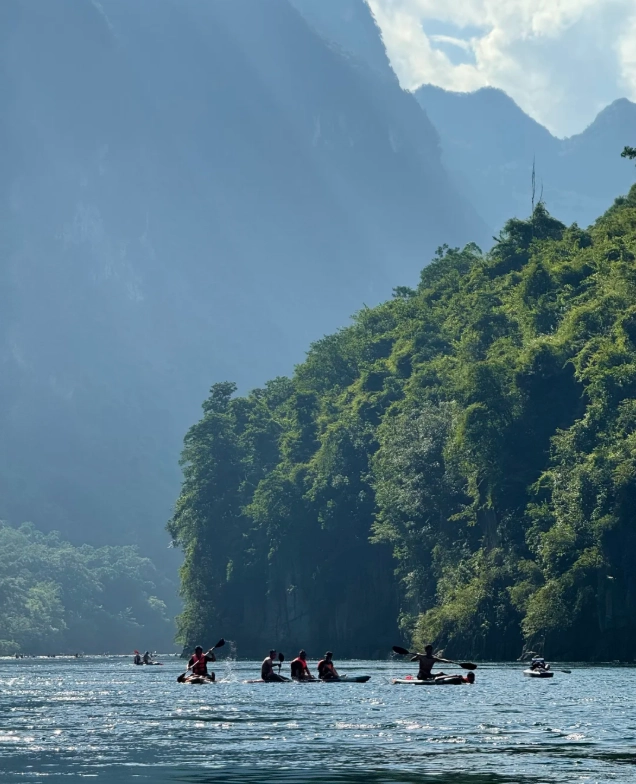
FAQ: How Many Days Should You Spend in Guangxi?
Is 3 days enough for Guangxi? I only have a weekend.
Honestly, if you only have 3 days, stick to just Guilin and Yangshuo. You can fly into Guilin, spend one day on the Li River, the next in Yangshuo, and the third back in Guilin. You'll miss the terraces and the beaches, but you'll still get a taste of the karst magic. Just don't try to add Longji or Beihai — you'll be spending more time in transit than actually sightseeing.
What's the best way to get between Guilin and Yangshuo?
The most scenic way is the direct cruise ship down the Li River, which takes about 4.5 hours and lands you right in Yangshuo. Alternatively, the high-speed train takes only 30 minutes, but you'll miss the river views. If you're prone to motion sickness, skip the cruise and take the train.
Do I need to book attractions in advance with my passport?
Yes, almost all major attractions now require a passport number for entry. You can book through Trip.com or Klook, but I've also had success booking directly at the ticket office using my passport. In loud holiday seasons, advance booking is not optional — it's the only way to get a ticket.
Is it safe to travel alone in Guangxi?
Guangxi is statistically safe, but solo travelers should still take normal precautions. Keep your valuables in a hotel safe, and avoid hitchhiking in remote villages. The locals are incredibly helpful — I once had a rice noodle shop owner walk me 10 minutes to a bank when my card wasn't working.
How much should I budget per day in Guangxi?
A budget traveler can manage on $30–50 a day covering dorm beds, street food, and public transit. For a mid-range trip with private rooms and taxis, plan $80–120 per day. If you're joining guided tours for Detian and Longji, the cost goes up accordingly. Always ask for prices before jumping in a taxi.
This content has been fact-checked by the editorial team to ensure informational precision.








No comments yet.