 Jing Song
Quick Hit List: What’s Inside
I’ve lost count of how many times I’ve seen tourists drag themselves through Mukden Palace with glazed eyes, only to give up on Liaoning altogether. But here’s the thing — they go in blind. This province, squeezed between the Yellow Sea and the Yalu River, is packed with royal history, wild coastlines, and a food scene that will surprise you. No, you don’t need to stick to the Beijing-Shanghai trail. Let me show you the best places to visit in Liaoning — the ones I actually bring my own friends to.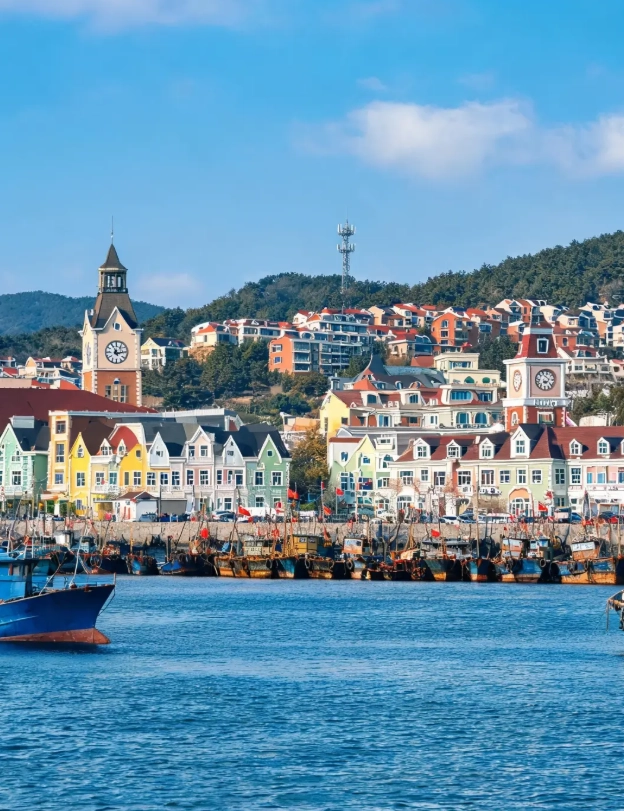
Why Liaoning Is a Hidden Gem
Liaoning feels like a secret that travel agents forget to mention. It’s the birthplace of the Qing dynasty, which means you get palaces and tombs that rival Beijing’s Forbidden City — without the crowds. Plus, it’s one of the few provinces in China with a real coastline in the northeast, giving you beach days in Dalian and cool sea breezes in Dandong. During my years living in China, I’ve made over thirty trips here. Each time, I find something new.
Top 7 Best Places to Visit in Liaoning
Above the table, I’ll give you the insider rundown of the seven spots I think deserve a spot on your itinerary. I’ve ranked them by how often they’ve impressed the groups I take — and I’ll be honest about the ones that are overhyped.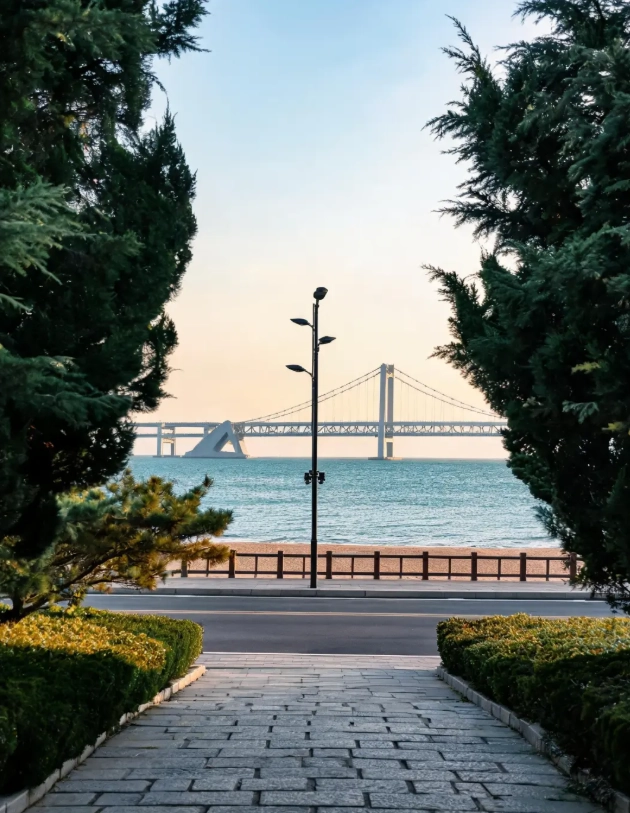
Mukden Palace
The Mukden Palace is the most underrated UNESCO World Heritage site in China. Listed on the UNESCO World Heritage listing, this compact palace was the overlord of the Qing dynasty in its early years. It’s smaller than Beijing’s, but that’s a plus — you can see it all in two hours without feeling like you’re in a marathon.
Address: 171 Shenyang Road, Shenhe District. Ticket is around 60 RMB — children under 1.3 meters get in free. Opening hours are 8:30 to 17:30 from April to October, and 9:00 to 16:30 the rest of the year. The metro is your best bet: take Line 1 to Huaiyuanmen Station, Exit C, then walk five minutes. I tell my clients to enter through the south gate — that’s where the main ticket office is. But here’s a pro tip: as soon as you enter, walk left towards the Phoenix Tower. Photographers get sick of the main hall, but the tower’s rooftop view is perfect in the morning light. Also, grab a listening guide at the entrance — the English one is surprisingly good and only costs about 40 RMB.
Pro Tip: Most visitors exit via the north gate, so the courtyard between the Dazheng Hall and the Phoenix Tower stays quiet after 2 PM. That’s your golden window for photos.
Zhaoling Tomb
Zhaoling Tomb, also known as Beiling, is the largest of the Qing tombs outside Beijing. It’s the resting place of the second Qing emperor and his empress. The park surrounding it is massive — you could easily spend half a day here if the weather is nice. The tomb entrance is separate from the park: after paying the 6 RMB park fee, you’ll need another 50 RMB to climb the hill where the main burial mound sits. Honestly, if you’re short on time, just wander the park and skip the hill — the cemetery itself is a rather grim concrete mound, but the ancient pines and the lake are the real stars. I’ve taken at least ten groups here, and the ones who rented a pedal boat on the lake always leave smiling. For navigation, take Metro Line 2 to Beiling Park Station and follow the signs. The park is open from 7 AM to 5 PM; the tomb closes at 4:30. Avoid weekends if you can — local families literally take over the lawns with picnic blankets.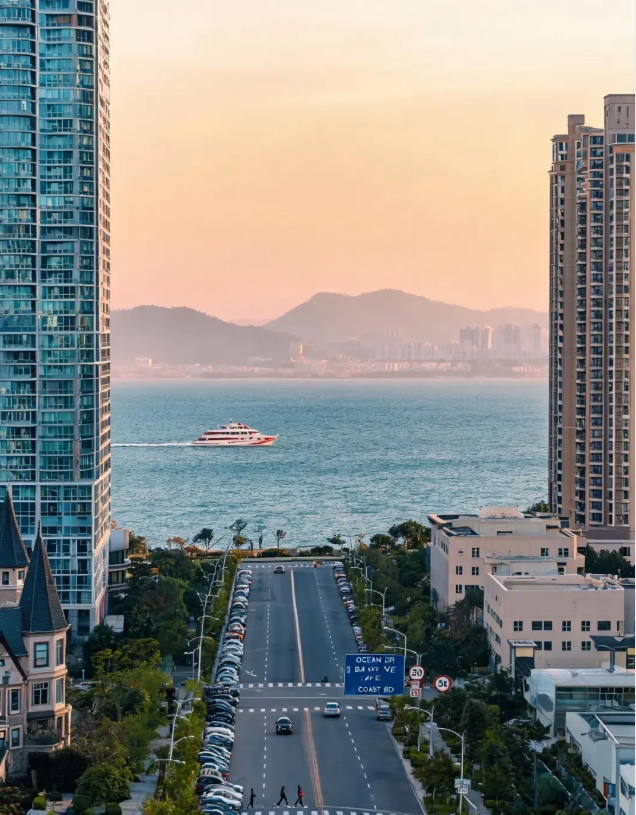
Dalian
Dalian is the kind of city that makes you forget you’re in China’s industrial northeast. It’s a former Russian and Japanese concession, so you’ll see European-style villas mixed with modern skyscrapers. The best move is to make this your base for a few days. Xinghai Square is free, and it’s one of the largest city squares in the world — locals fly kites there at dusk. If you want sand between your toes, head to Golden Pebble Beach (Jinshitan) on the Metro Line 3 to Jinshitan Station. The beaches are rocky in parts, so bring reef shoes. The really spectacular views are around Baguang Island, but you’ll need a taxi or a day tour. Keep an eye on your wallet at Tiger Beach Ocean Park — the tickets start at 200 RMB and it can get crowded; I usually skip it unless traveling with kids.
Benxi Water Cave
The Benxi Water Cave is a natural limestone cave with a 3-kilometer underground river — you ride a boat through it. This is one of those moments that reminds you why you travel. The cave is in Benxi County, about 40 kilometers from Benxi city center. You’ll need to take a high-speed train from Shenyang to Benxi (roughly 30 minutes) and then either a tourist bus or a taxi (about 45 minutes). The ride can cost 100 RMB one way, so sharing a taxi with other travelers is smart. The ticket is about 165 RMB, which includes the boat ride and a guide. Inside the cave, the temperature is a constant 12°C, so even in August you’ll want a light jacket — but don’t wear flip-flops; the water splashes onto the boat. Book your ticket online via Trip.com or the official WeChat mini-program to skip the queue.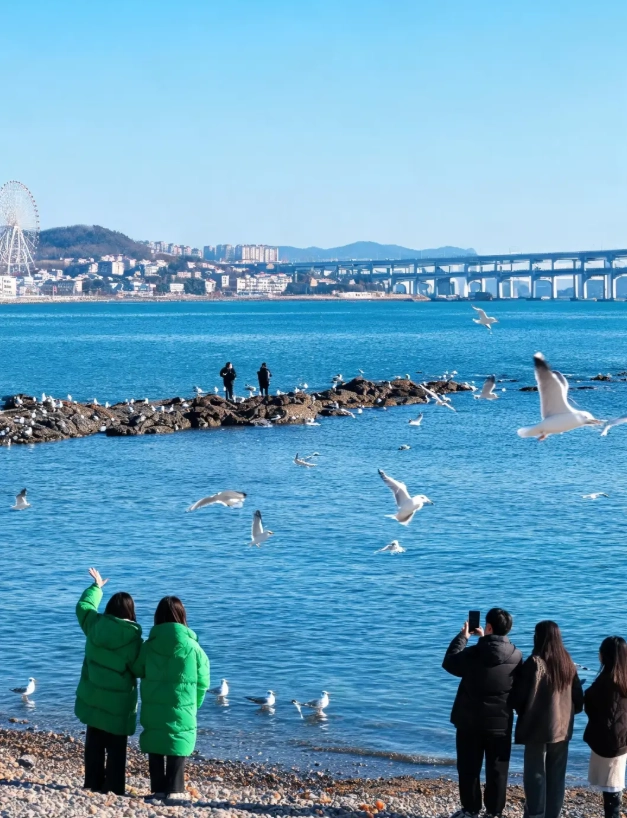
Dandong
Dandong sits right on the North Korean border, offering a glimpse into one of the world’s most isolated countries — from just a river away. The Yalu River Broken Bridge is a half-mutilated structure from the Korean War and a powerful symbol. The admission is around 30 RMB, and you can walk to the very last piece where the bridge was cut — it’s surreal. If you want an even better perspective, take a speedboat from the dock right next to the bridge (grey and white kiosks). They’ll take you along the river for about 15 minutes, and you’ll see North Korean villages across the water. Don’t be surprised if local vendors try to sell you “North Korean souvenirs” — they’re factory-made in China, so just smile and keep walking. Hushan Great Wall, about 20 kilometers east of the city, is the far eastern end of the Great Wall. The entrance fee is around 55 RMB and offers decent views of the Yalu River; take a public bus from the city’s bus station to get there. Allow a full day for Dandong.
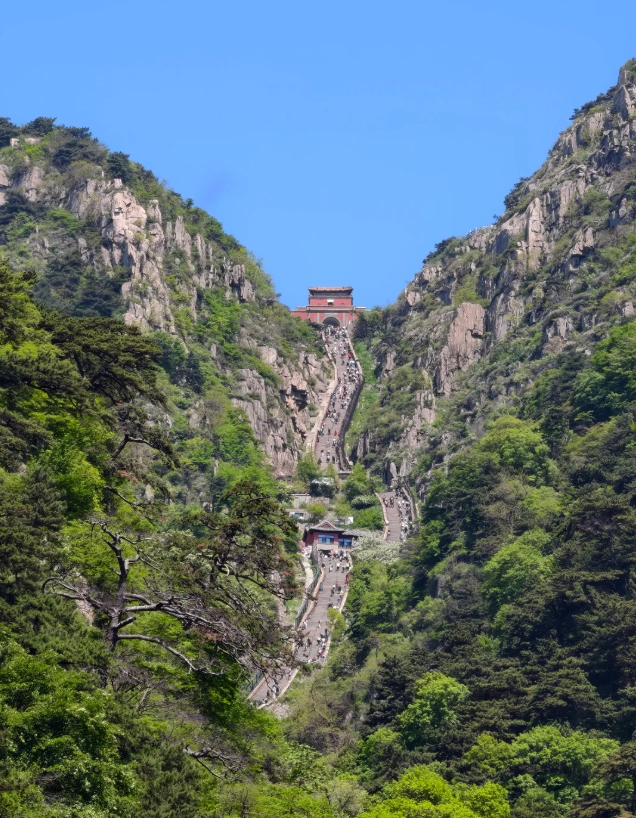
Qianshan National Park
Qianshan is a sprawling mountain park south of Anshan, dotted with ancient temples and pagodas. It’s like a less-crowded version of Huangshan without the difficulty. If you’re coming from Shenyang, take the high-speed train to Anshan West Station, then a taxi will drop you at the main gate in about 30 minutes. The entrance fee is 80 RMB during the peak season, but locals in the know say to enter before 7 AM and you might get a discount — that’s not guaranteed, but it’s worth trying. Plan at least five hours to hike up to the highest peak, Wufo Peak, and down via the western route. The cable car is an extra 40 RMB, but honestly, the best views are along the stone staircase. Bring water and snacks; there are very few shops once you enter.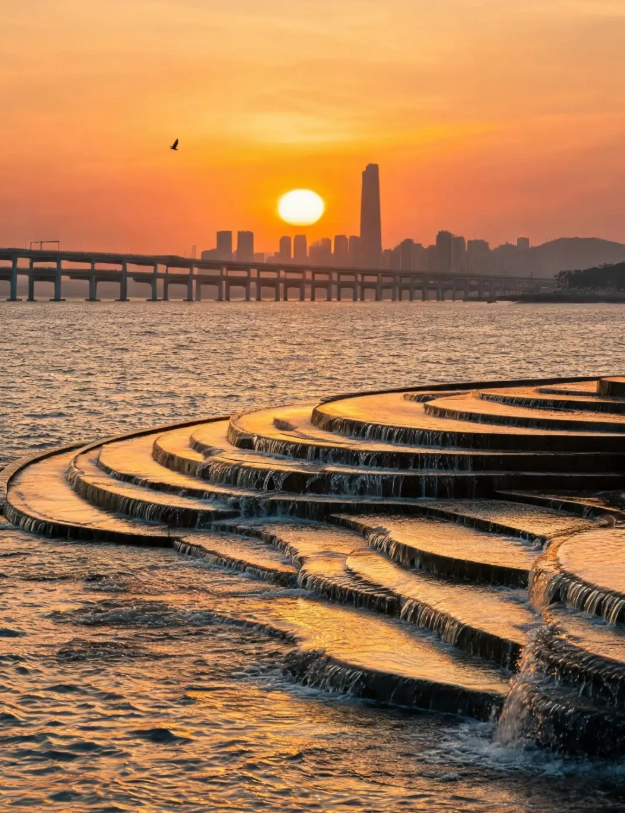
Liaoyang White Pagoda
The White Pagoda of Liaoyang is a creepy-but-beautiful relic from the Liao dynasty, standing quiet in a small park. Many travelers zip past Liaoyang, but it’s just a 20-minute high-speed train ride from Shenyang. The pagoda itself is free to view from the outside; if the inside is open (it occasionally is), it costs around 5 RMB. The park is popular with old men playing chess and women practicing fan dancing, which gives you a peerless window into local life. Go late in the afternoon — the light slants across the white brick and gives it an orange glow that photographers love. You only need an hour here, so combine it with a visit to nearby Anshan if you’re short on time.
| Place | Best For | Approx. Ticket | Time Needed | How to Get There |
|---|---|---|---|---|
| Mukden Palace | History buffs | 60 RMB | 2 hours | Metro Line 1, Huaiyuanmen Station |
| Zhaoling Tomb | Nature & history | 6 + 50 RMB | 2-3 hours | Metro Line 2, Beiling Park Station |
| Dalian beaches | Beach lovers | Free to 200 RMB | Half day | Metro Line 3 to Jinshitan |
| Benxi Water Cave | Families | 165 RMB | Half day | Train to Benxi + taxi |
| Dandong border | Culture vultures | 30-55 RMB | Full day | HSR from Shenyang |
| Qianshan Park | Hikers | 80 RMB | Full day | Train to Anshan + taxi |
| Liaoyang Pagoda | Photographers | Free | 1 hour | HSR from Shenyang |
How to Plan a 5-Day Liaoning Itinerary
We’ll assume you arrive in Shenyang, the capital, because that’s the most common entry point. Day 1: Start at Mukden Palace, then walk to Zhongjie Pedestrian Street for lunch (try the caijiaozi—fried dumplings—from the famous Bawei Dumpling House). After a siesta, wander to the Mukden Palace’s neighboring Imperial Street, or zip up to Zhaoling Tomb via Metro Line 2. Day 2: Take the morning train to Benxi for the Water Cave, then return to Shenyang for the night. Day 3: Take the high-speed train to Dandong (roughly 1.5 hours) and spend the day on the Yalu River and Hushan Great Wall. Sleep in Dandong — the riverside hotels are cheap and many have views of North Korea. Day 4: Take the high-speed train to Dalian (about 2 hours). Explore Xinghai Square and go for a swim at Golden Pebble Beach. Day 5: Climb the lighthouse at Liaohekou for a final coastal view, then fly out from Dalian’s airport. If you’re not into beaches, swap Dalian for Anshan’s Qianshan and skip the water cave.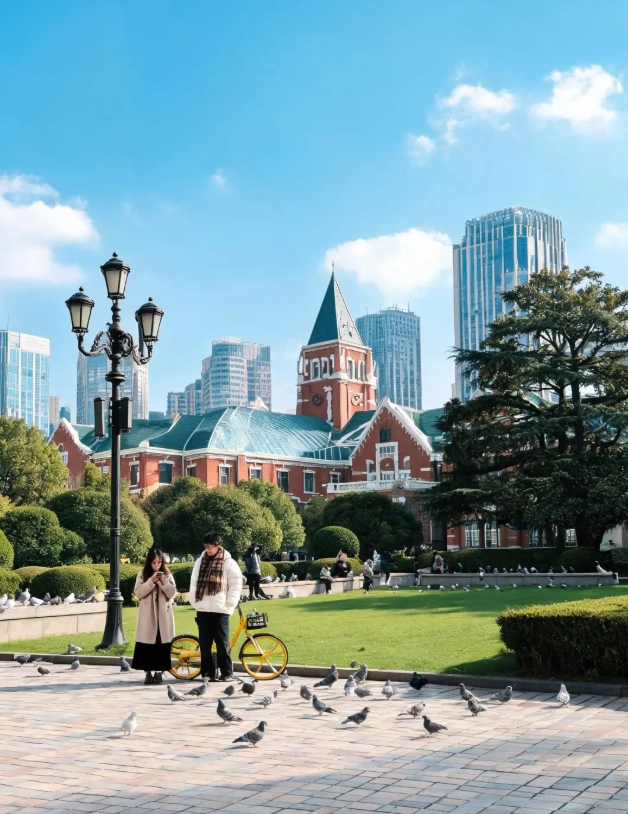
How to Avoid Tourist Traps and Payment Nightmares in Liaoning?
Here’s the raw truth: many of the exact details that work for Beijing and Shanghai don’t apply in smaller Chinese cities. For starters, Google Maps will fail you — it’s legally blocked and the data is unreliable. Download AMap (AutoNavi) and switch to its English interface; I switch to it for every trip. Most places take WeChat Pay and Alipay, but you’ll still find street stalls that only accept cash. So keep about 200 RMB in small bills. Need to exchange money? Do it at a large bank in Shenyang or Dalian, not at the airport. Also, taxis in Liaoning may try to pad the fare. Always ask to use the meter, or better yet, use the Didi app — it’s the Chinese Uber and shows the price upfront. For visas, check the National Immigration Administration website for the latest rules; many Western passports qualify for a 15-day visa-free transit. Also, download a VPN before you arrive — some travel apps (and WhatsApp) won’t work without it. One trick: buy a Chinese SIM card at the airport that supports these services, but a VPN is still a must.
What Is the Best Way to Travel Between Shenyang and Dalian?
Hands down, the bullet train. It covers around 400 kilometers in about one hour and 45 minutes, with prices from 270 RMB in second class. Book tickets through the official 12306 website or the English-friendly Trip.com. You can also fly — it's a 50-minute flight, but security and transfers eat up time. The long-distance bus is cheaper but takes 4 hours and is bone-shaking. For local sights within each city, subway lines cover most attractions; in Liaoning, mobile payment for metro is widely accepted.
What to Eat in Liaoning
Liaoning food is a flavor bomb. Don’t miss the rustic 'Northeast' style of stewing — like 铁锅炖 (iron pot stew), where everything is simmered in a giant wok at your table. The spicy version with pork ribs and potatoes is my go-to. Another must is '地三鲜' (braised eggplant, potatoes, and peppers), a local’s favorite weekday dish. In Shenyang, try the old walkway on Cai Zhi Street for roasted liaohe river fish. And for a sweet ending, hunt down the pineapple pastry (菠萝莓) in Dalian. Note: portions here are huge; it’s common to share three dishes among four people.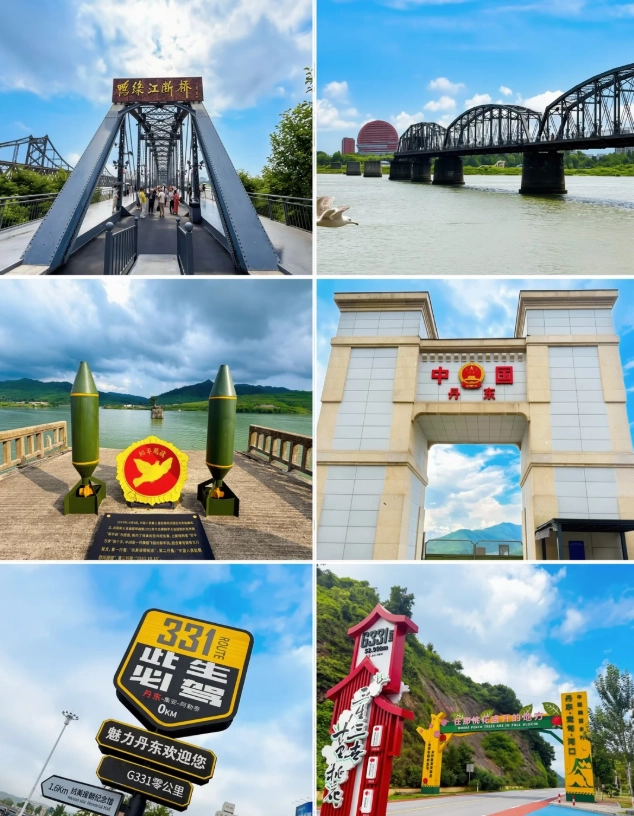
FAQ: Your Liaoning Questions Answered
Is it safe to walk around Shenyang at night?
Shenyang is generally safe — I’ve strolled through the old city at midnight without issues. That said, pick your area: Zhongshan Square is lively, but the dark alleyways near the railway station can have pickpockets. Keep your phone in your front pocket and use common sense.
Can I use my credit card at Liaoning’s sights?
Rarely. Most ticket offices and local restaurants rely on mobile payment or cash. ATMs are everywhere, though some international cards only work at Bank of China machines. Carry cash as backup, but don’t expect to use a Visa card at a dumpling stall.
Do I need a tour guide to visit the best places in Liaoning?
Not necessarily — with this guide and the AMap app, you can navigate solo. But for deeper history at Mukden Palace, a guide is worth it. You can rent audio guides in English, or hire a local guide via Trip.com for around 300 RMB for a half-day tour.
What’s the best season for Liaoning travel?
Late spring (May) and early autumn (September) offer mild temperatures and clear skies. Avoid the Chinese national holiday weeks in early May and early October — everything is packed and twice as expensive. Winter is brutally cold but magical if you’re into ice sculptures at Shenyang’s colorful Ice Lantern Festival.
Fact-check: This content has been fact-checked to ensure informational precision. Verified and fact-checked by the editorial team.





No comments yet.